I try to keep up, but I am struggling with the lingo in snowboarding and journalism.

I am not going to gripe that my first skis were solid wood, that “bumps” used to be moguls or that “halfpipe” makes me think of  “Don’t Bogart that joint.”

But I am having trouble this Winter Olympics with excited snowboarding announcers using terms such as “off-axis backside rodeo,” “method air,” “front side Alley Oop” and “air-to-fakie.” I think I get “verticality,” but am still stumped by “heavy widers.” halfpipe

Nor will I dwell on my newspaper career starting when “journalism” was a word more often associated with “school” than putting out a daily paper. I was still tending bar when my crusty first editor finally softened on my periodic employment requests and asked, “You still interested in the newspaper business?”

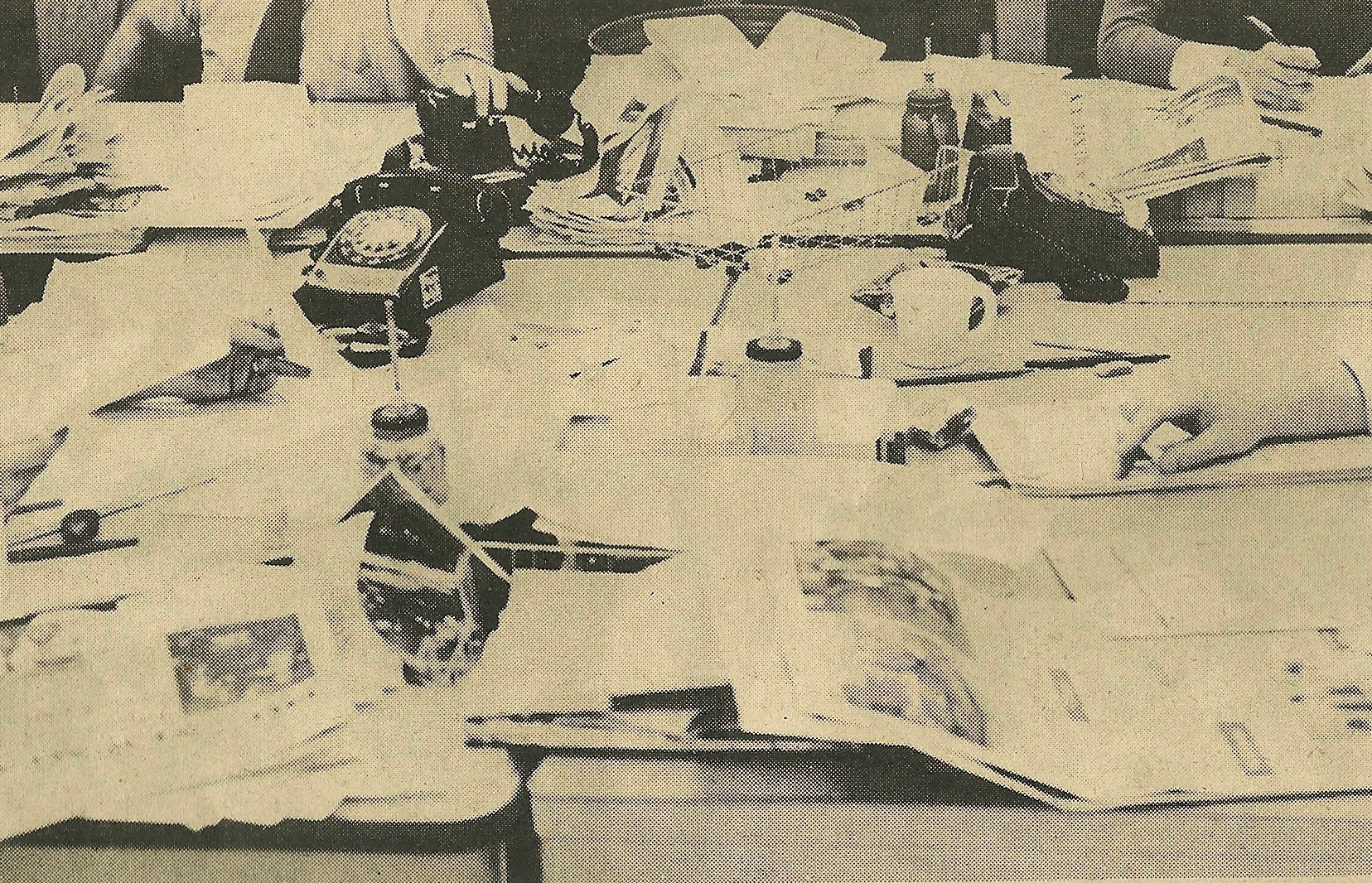
Practitioners in my early days smoked, cursed and criticized co-workers and competition alike. The wilder ones  showed their regard for readers and co-workers by throwing telephone receivers into trash cans, sticking them in their crotches during particularly annoying calls and heaving an occasional typewriter. I’ve heard tell of newsmen in Santa Fe setting a self-important “colleague’s” copy on fire while still in his teletype. But all this is nothing compared to autocratic editors impaling your polished prose on a treacherous device known as a “spike.” Spike was both a noun and a verb, but it meant DOA in either form.spike 2 2

ibm selectric red 2A story was a story and a brief was a brief. With deadlines looming and backshops waiting, you were told to write  in numbers of words or “takes” to the length of the “hole.” There were “brights,” “features,” “Sunday stories.” I was assigned in my second year as a young reporter to do a “writing job” on a Bicentennial event without further instruction. With time and space often at issue, the appropriate  form might be determined by an unsentimental editors wielding a thick pencils, giant scissors and sloppy glue pots.

I am not particularly proud of this history, but I still do a double take when I hear newspaper people utter words such as “colleague,” “longform” and “nuance.”

And I will tune in to the Olympics again tonight to see if Shaun White can pull off another “giant backside double McTwist.”

Scan 49

People I used to work with will get a kick out of this: I dreamed I lost my voice in the newsroom.IMG_6966

Mid-sentence. Looking down a row of desks at younger reporters and editors before my retirement, questioning without being asked a crowd-count methodology at a political event. Despite some darting of the eyes, they were kind enough that they did not argue with the aging pedant, but they probably had to restrain their glee when his ponderous observations were cut short.

I woke with a start. Not a nightmare, but disturbing.

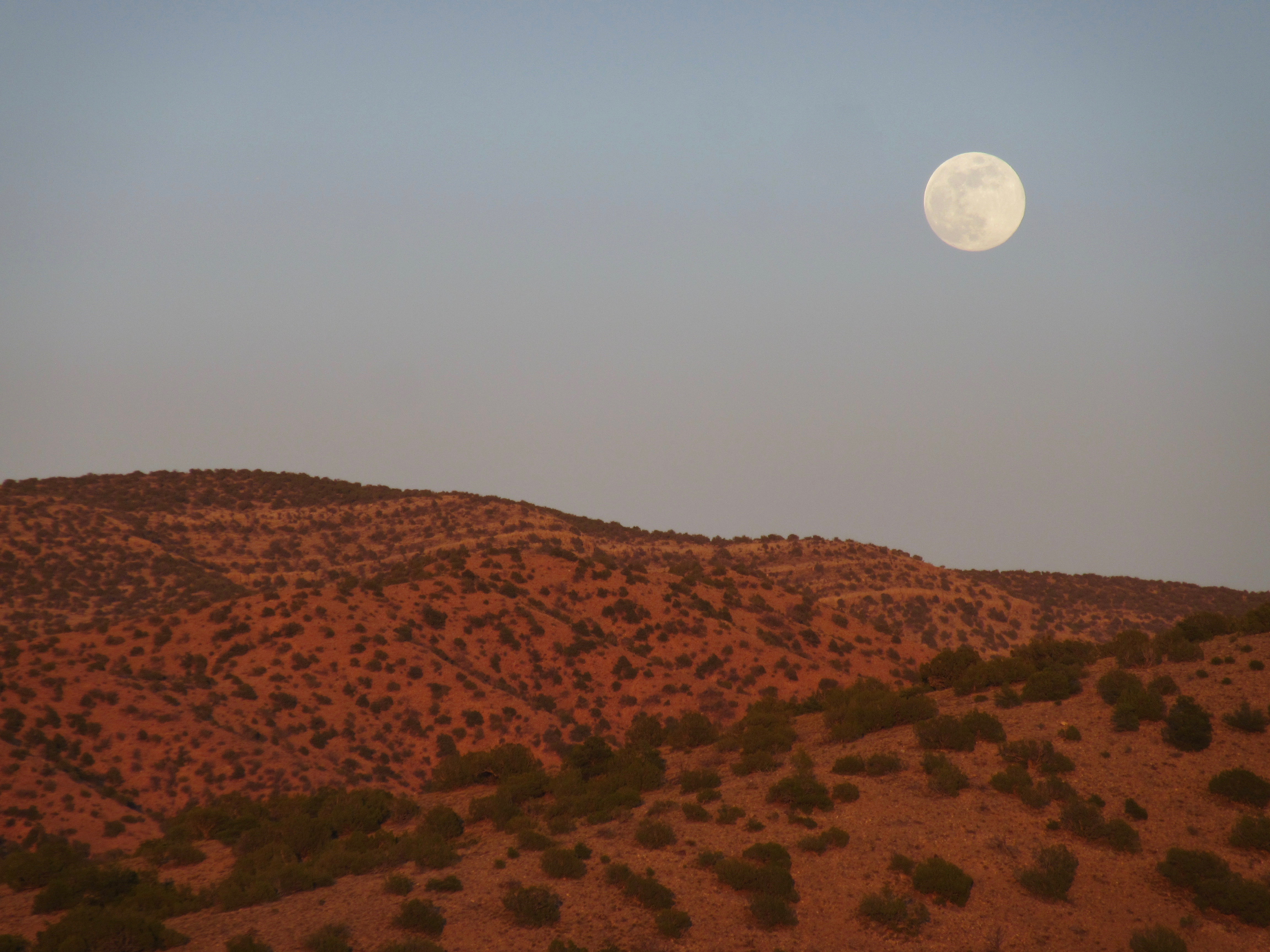
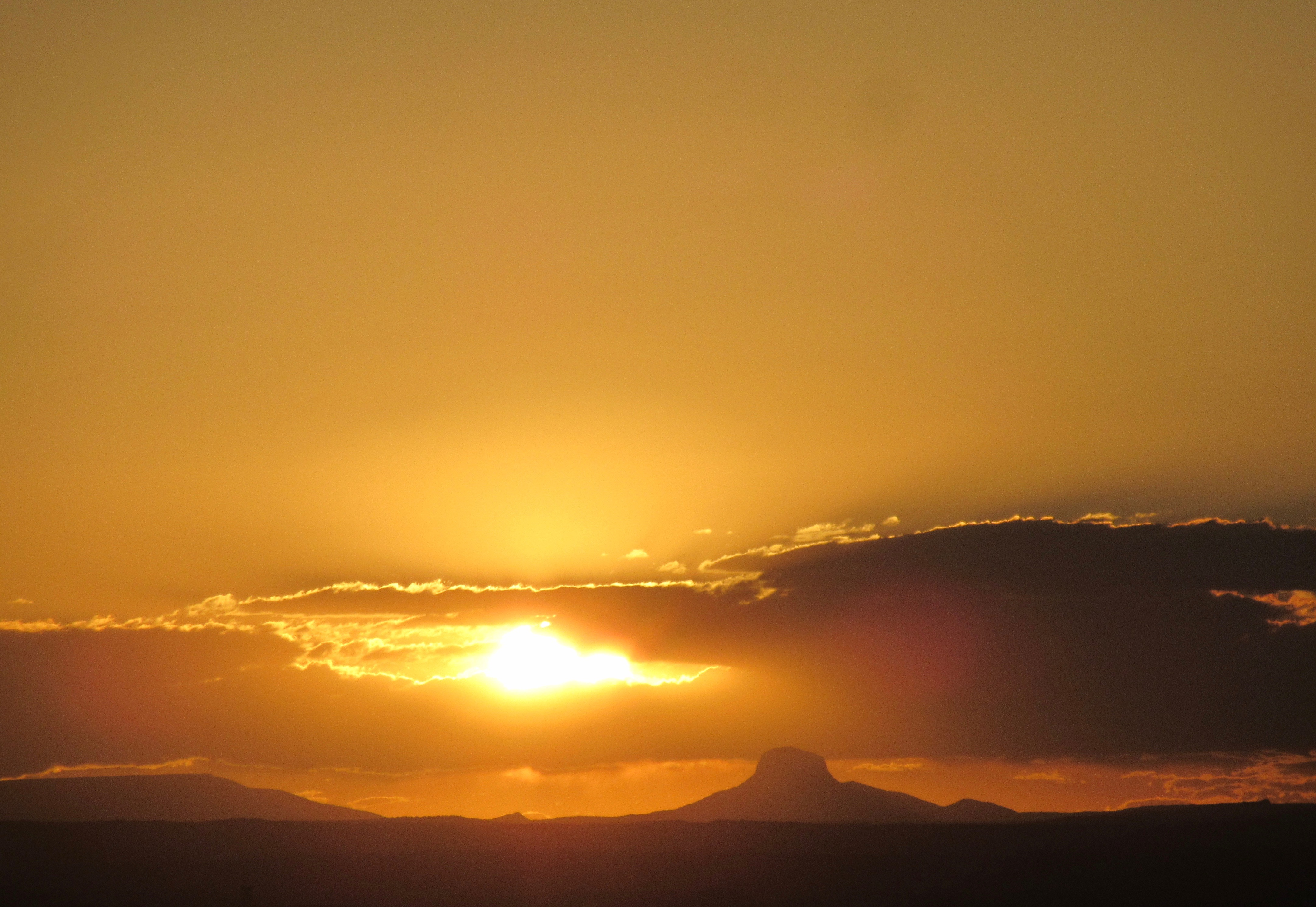
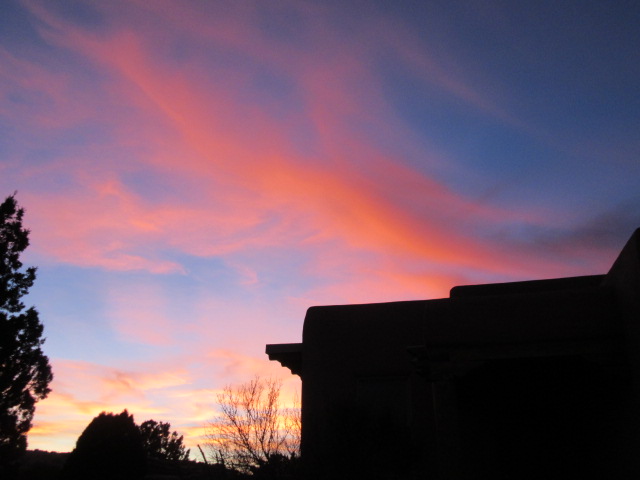
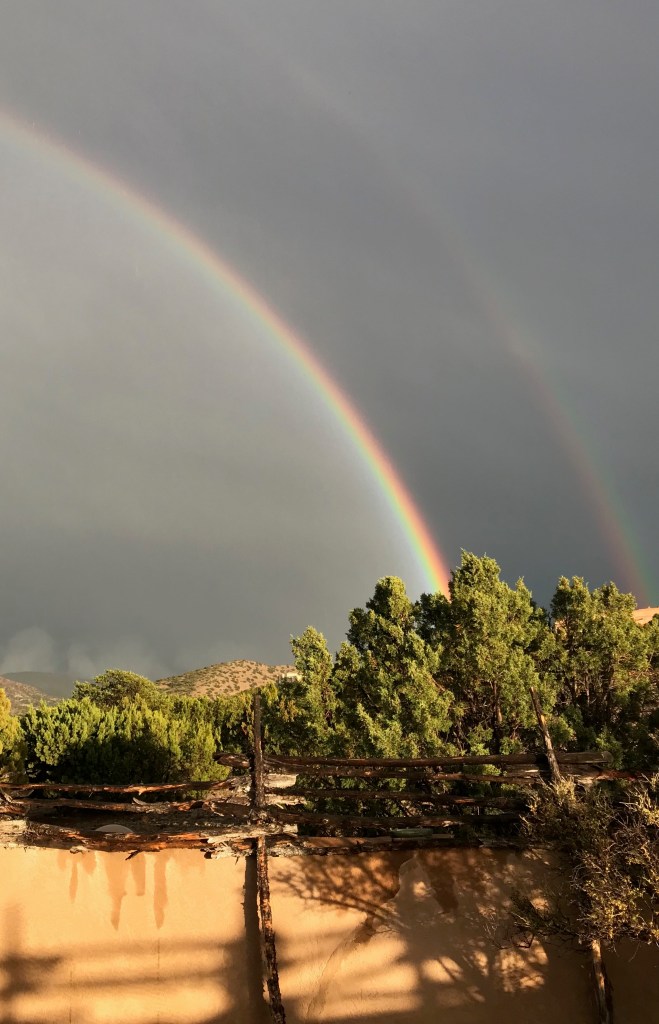
I got up to take pictures of the dawn, the morning after the great super blue blood moon, or whatever it was. I was glad to see the beginning of a new day, but somehow it seemed almost as strange as watching a fake-reality show host with elaborately combed hair applaud himself throughout a State of the Union address two nights before. Like the top of the president’s head, all sunrises and sunsets seem more wildly colored now. And I get the willies when I see Donald Trump, Mike Pence and Paul Ryan all together, scary members of a weird club.   IMG_6806

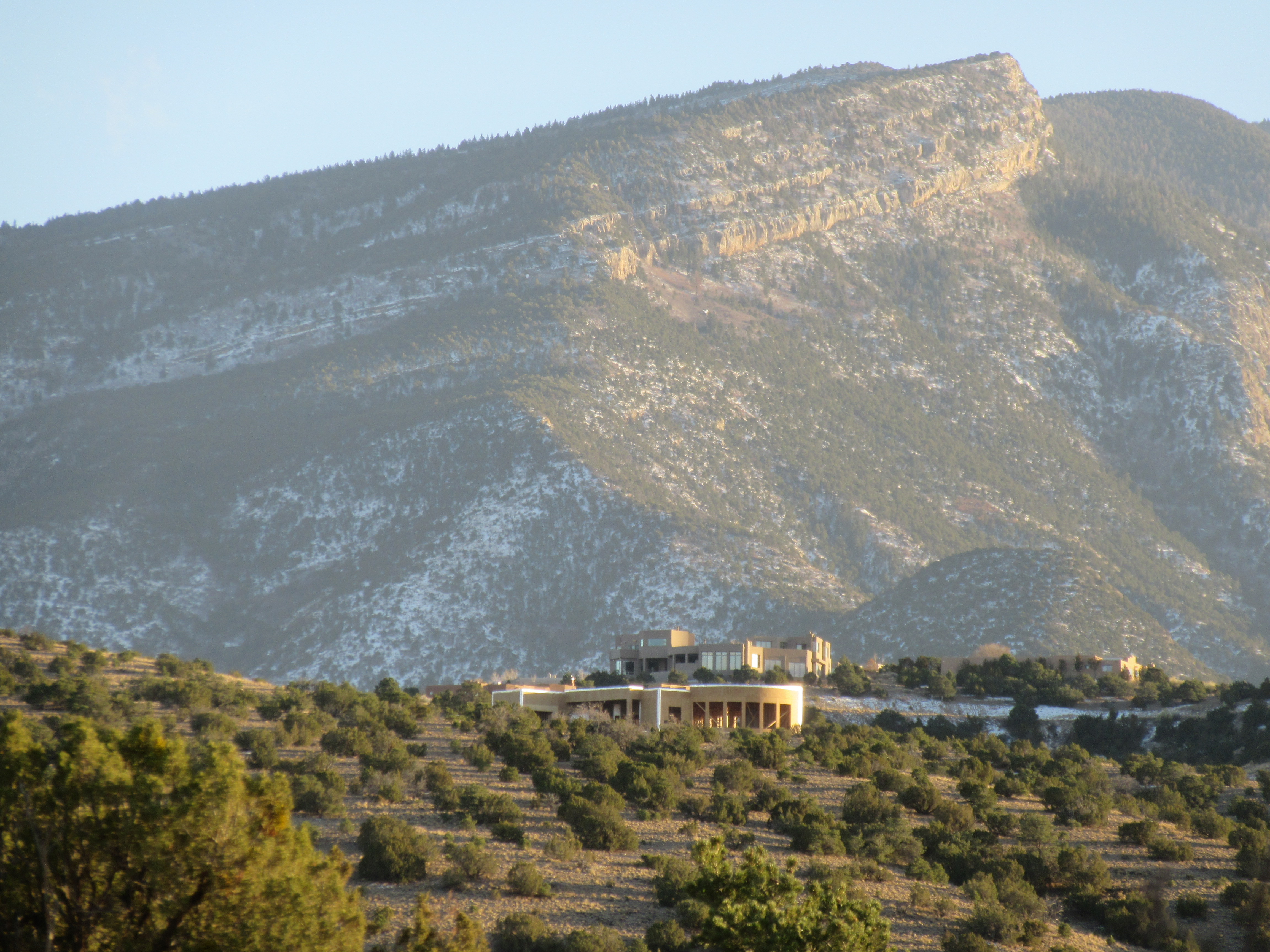
My state of my mind had  been uneasy since a lovely woman visitor, who I probably wanted to impress with my outdoor vigor, observed that I had been “wheezing” on a short walk in the hills. I started to imagine myself as a wheezer and it made me also think geezer.IMG_1919

I already had  been feeling guilty about firing off email notes to people I used to work with about careless online headlines, often on Twitter.  I try to be supportive of former co-workers, although an editor friend about my age laughed at me the only time I used the word “collegial” out loud in the newsroom.  I now I read the papers online and I admit to short-tempered thoughts when I see a headline written by someone I imagine being oblivious to the rules and logic barked at me by the snarling copy editors who reluctantly helped instruct me — people who called themselves “rim dogs” at the last place I worked.
Then, there’s been this climate change business. I remember whiz kids in the newsroom dismissing my anecdotal evidence about snakes coming out earlier and staying later and heavy coats left in the closet. I was often an annoying example of what-I-saw-on-my-way-to-work syndrome, my mundane, short-term observations maybe delaying serious reporting. Even so, in retirement now, I feel guilty about enjoying sunshine and warmth on mid-winter walks through grassless hills. IMG_1871

I’m just saying this aging business is all a little confusing.

I have had two recent epiphanies, however.

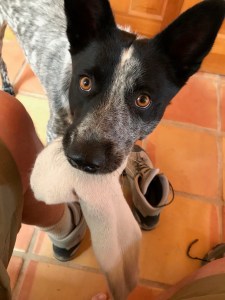
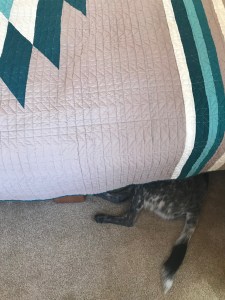
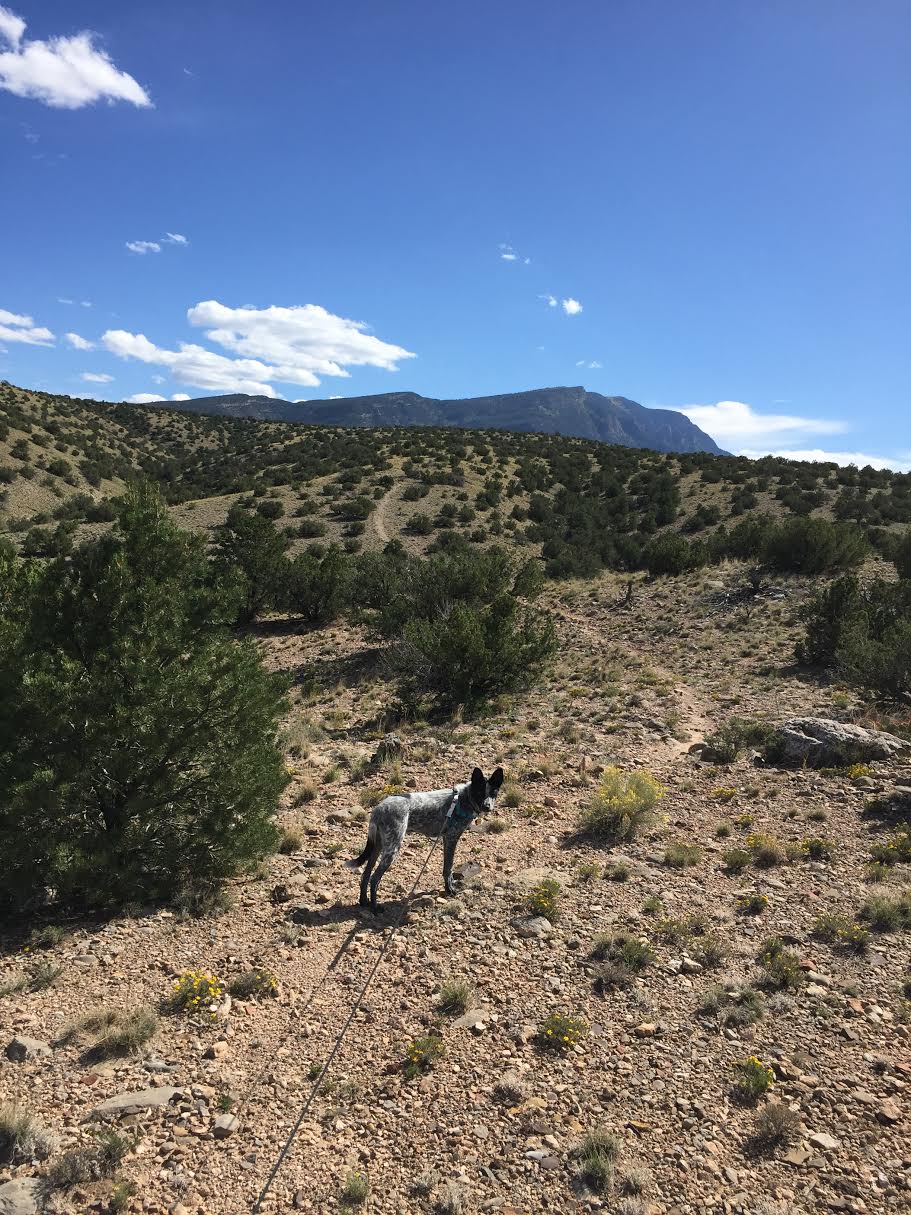
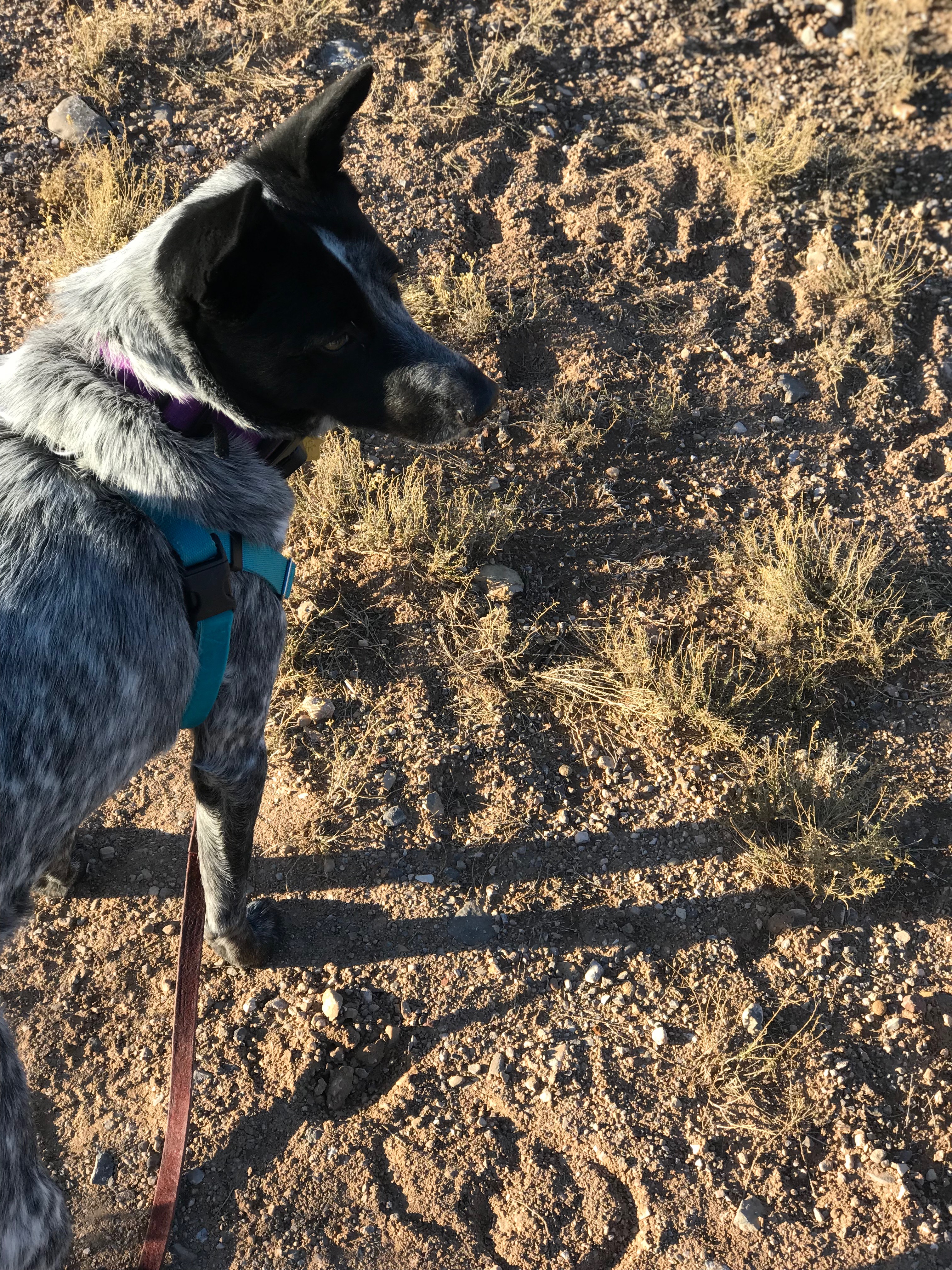
I realized after the last two mornings why my young dog, Cowboy, stayed in bed while I marched outdoors with my iPhone: He waits until the sun comes up to warm him: otherwise, this drugstore heeler, stays put on the Ralph Lauren blanket on the bed.IMG_6971

I also realized something about my struggle with reading and writing fiction. I don’t know whether it’s the digital revolution, personal evolution or just my exasperation with Devin Nunes, but I am impatient for facts.

jack webb

I am getting used to being dismissed and ignored. But thoughts of a famous Joe Friday parody — “Just the facts, ma’am” —  global warming and Donald Trump are complicating my progression to age 69.


IMG_6466

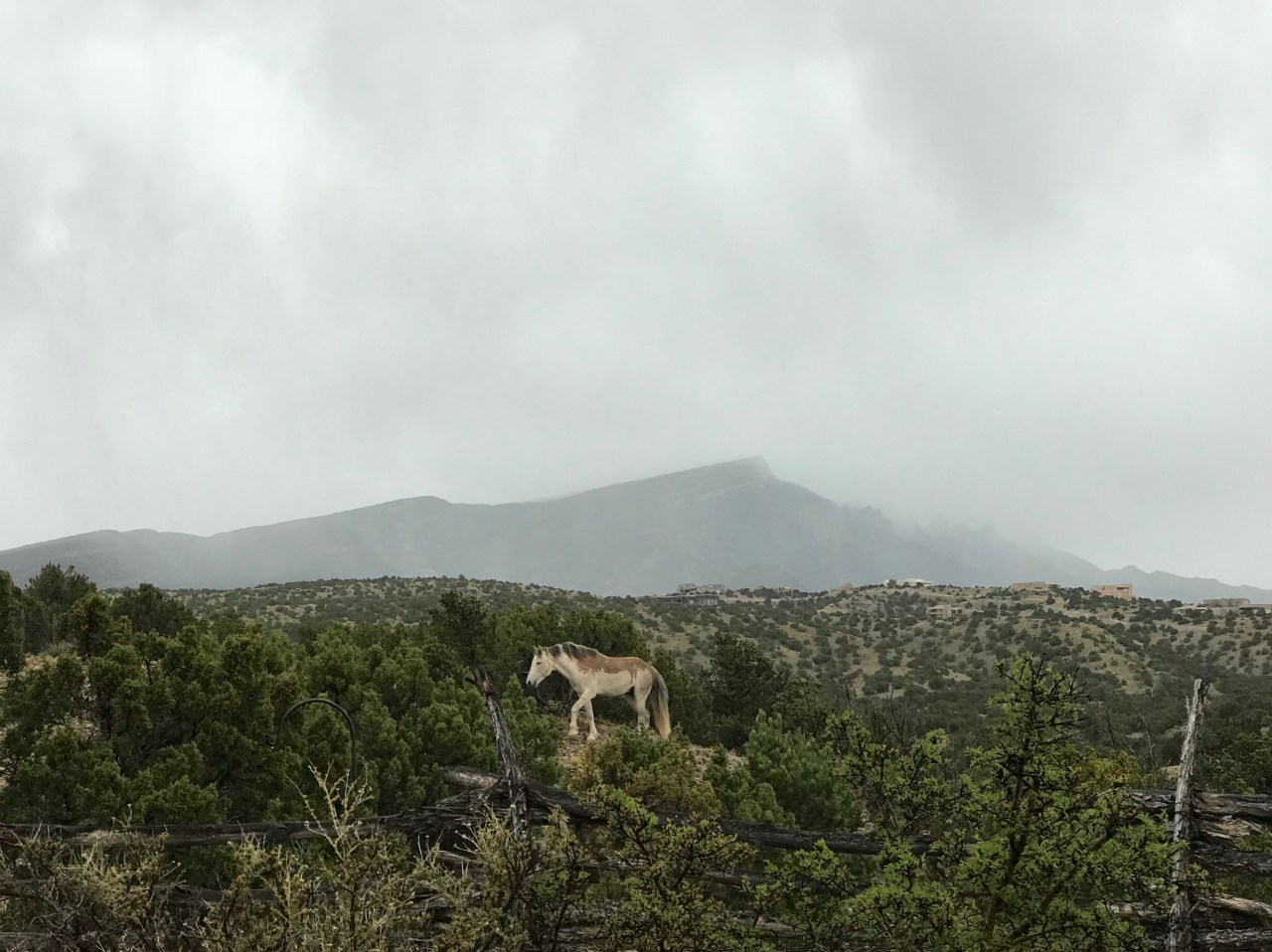
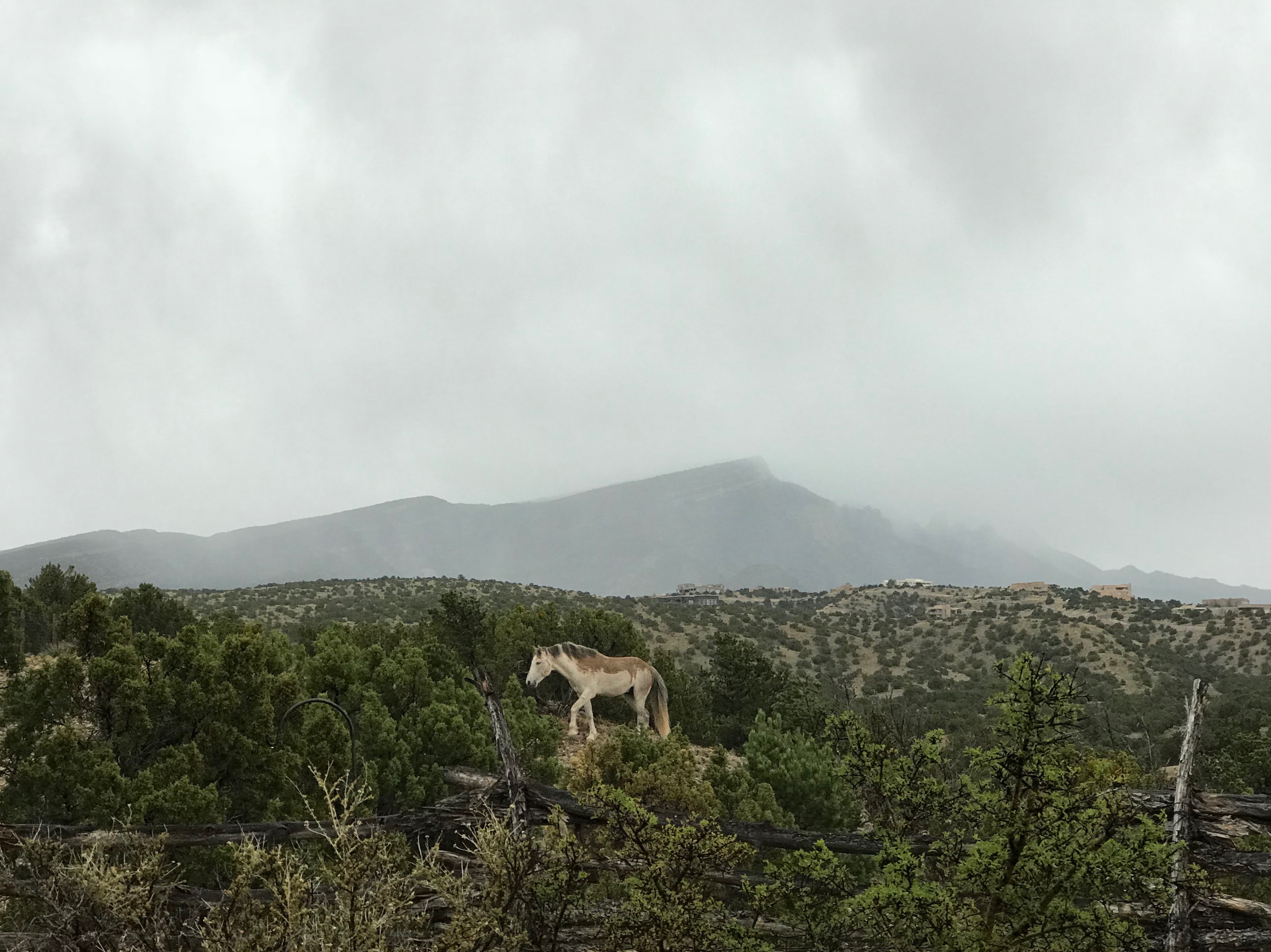
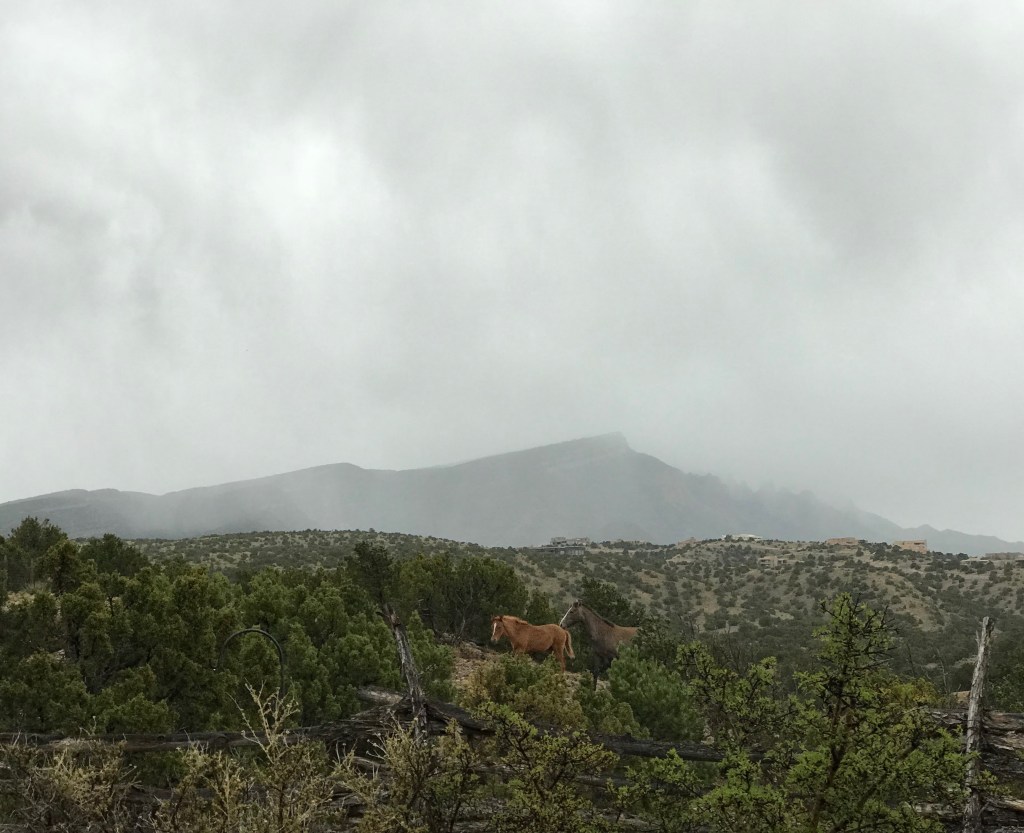
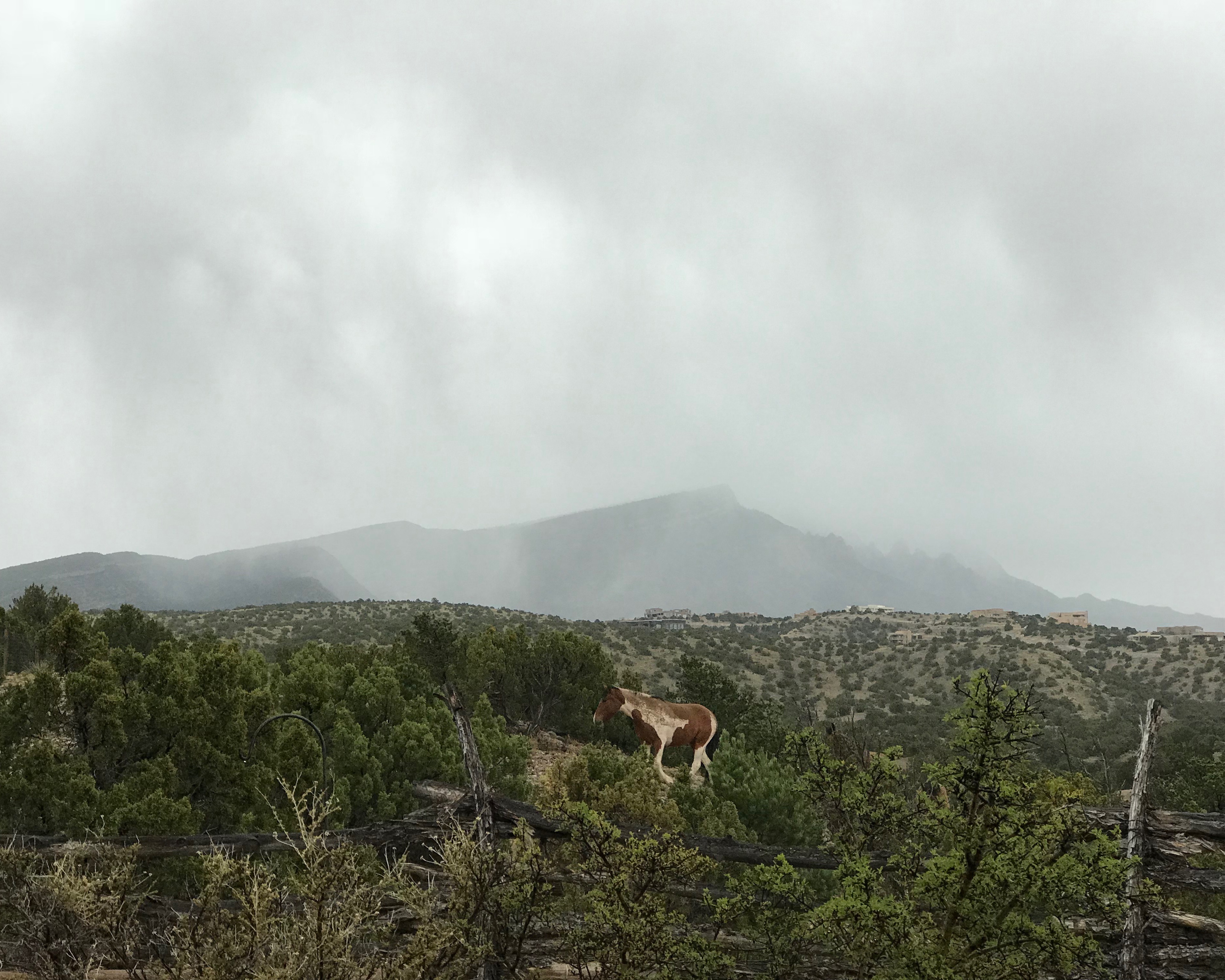
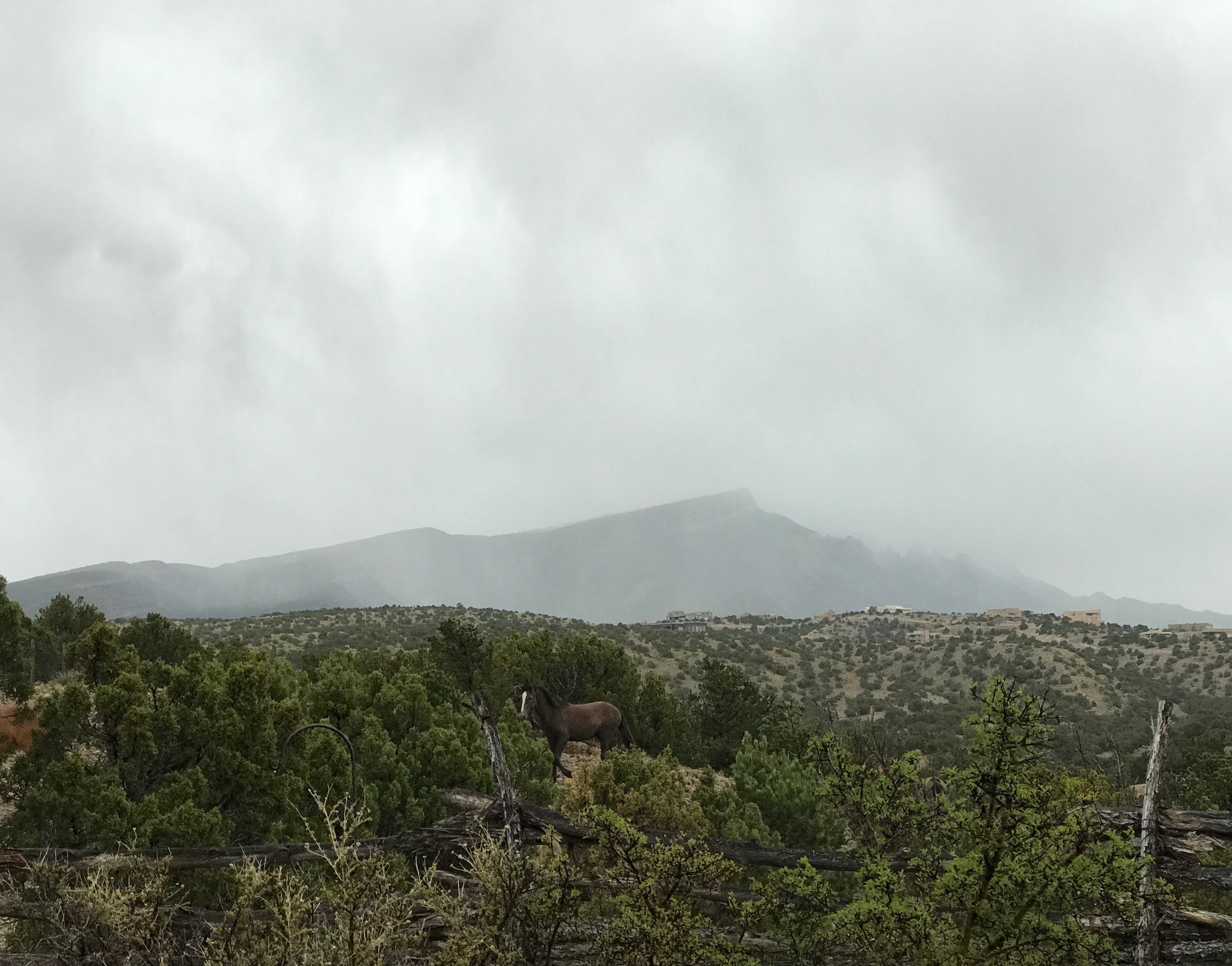
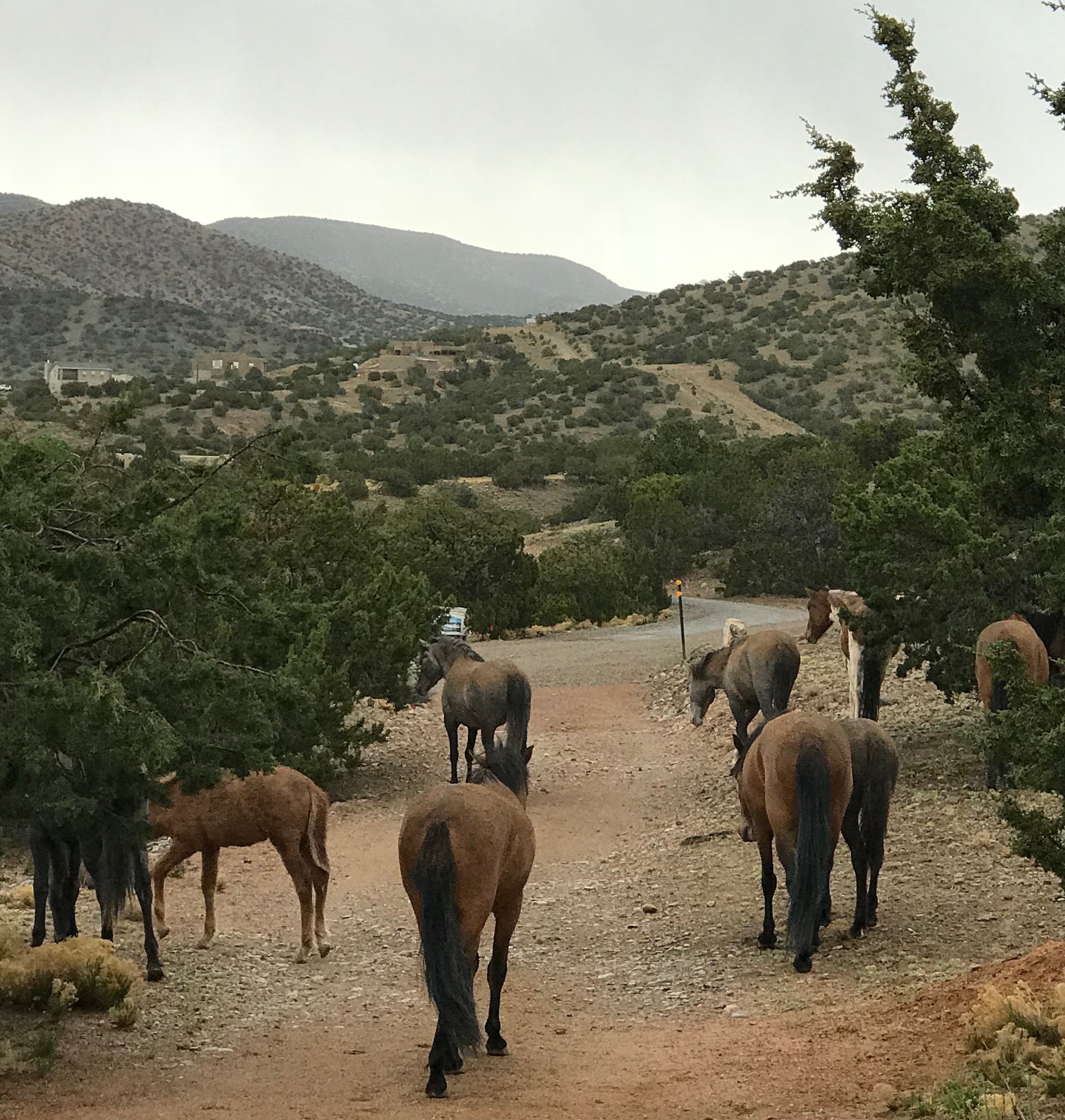
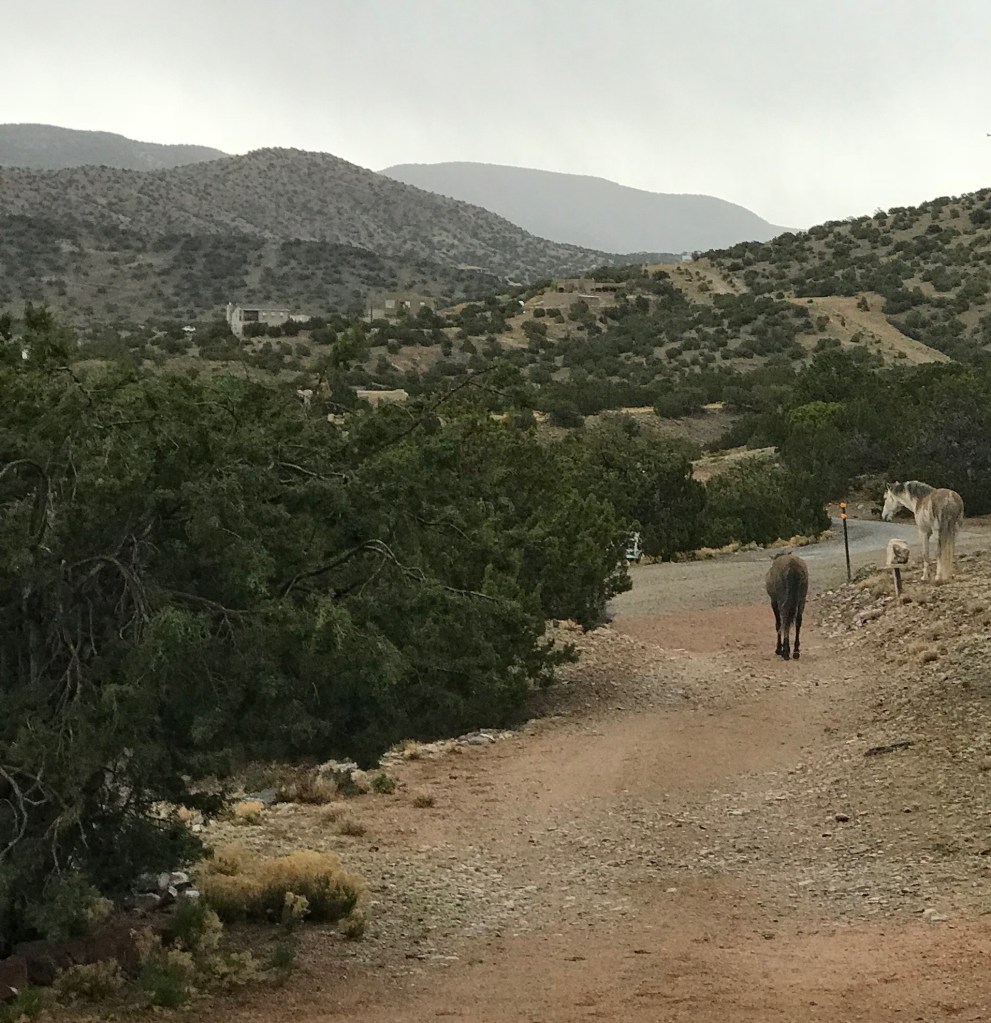
The day began normally enough, with my blue heeler Cowboy hauling a chunk of firewood through the aluminum dog door for reasons only he would know, clattering as he came. A woodpecker or jay, hungry or angry or both, attacked the roof above my bed and ensured my awakening. My awareness cranked up when nine wild horses, looking for breakfast, clomped by my window as I sat down at my desk with my first cup of coffee. But when the president of the United States called himself “a very stable genius” on Twitter, I started to get nervous.

Seeing a giant horse’s ass in your window first thing in the morning can be disconcerting, especially if it has a crazy paint job. And, for me, it led to a daytime nightmare of being trapped at Camp David for a weekend presidential retreat.

First, I imagined a bunch of Cabinet secretaries and congressional leaders, leery of meeting privately at a remote location with a very stable genius, urgently waving to Ubers called to the Camp David gates. Then I remembered they all have limos and toned down the image to frightened VIPs throwing off bathrobes with huge presidential logos, penning fake excuses to avoid the scheduled meetings with the commander in chief and slipping out quietly to their hastily summoned cars. Version 2

The escapees were slowed since the president doesn’t trust anyone around him to have access to personal cell phones. He had his own phone, of course, since he is “like really smart” and “went to the best colleges, or college.” The sparsely attended first session at Camp David was delayed in part by the president remaining alone in his cabin in the morning, consuming McDonald’s and Fake News while tweeting about haters, Hillary and like his really huge IQ. The phoneless Cabinet-types, seeing reports of the tweets on satellite TV in their own cabins (which, unlike the president’s, had been spared the addition of gilded Corinthian columns), had to ask staffers to slip handwritten getaway notes to security teams and chauffeurs.

IMG_8893 2

The Guardian reported this morning that, “The president will strive to steady the ship when he holds talks with the House speaker, Paul Ryan, and Senate majority leader, Mitch McConnell, at the rustic Camp David in Maryland’s Catoctin Mountain this weekend.”

After the morning’s presidential tweeting, I am guessing that members of the Cabinet and Congress were thinking about lifeboats, despite being landlocked in the Maryland high country. lifeboat

I really don’t have much faith in the Cabinet or the GOP-led Congress to do the right thing.

But in Robert Mueller, I trust.


IMG_5466 3

Cowboy says, “30.”

Making a surprised leap halfway to the indoor plumbing in the pre-dawn darkness of 2018 was not the thoughtful way I planned to begin the new year.

Who knew that Cowboy’s new Christmas squeaky toy — thanks to his 15-year-old friend, Sophia — lay in wait? Who could see that buck-toothed squirrel, or beaver, or whatever it is, grinning up at me from the bedroom floor?

IMG_3612Fortunately, stepping on the beaver-squirrel in the dark was not my only experience this morning, although my wakening epiphany — involving dubious dietary choices — was just as mundane.

I have not been able to say “merry” this holiday season after learning of tragedies befalling others.

But I awoke yesterday grateful for my own health, realizing as I stirred in bed that I was breathing easy, despite cancer treatment at the start of 2015 and a damaged left lung.

Today, a shakier start. What was the bubbling, acidic feeling down my throat? I speculated about heart disease but righted myself quickly, realizing it was almost certainly successive meals involving tomatoes — consumed, I thought, as a smart alternative to a week of homemade posole.

Driving home last week with good news about my latest CT scan, but remembering that I more than once have heard the erratic mutations of cells called a crapshoot, my mind settled on a new resolve for the coming year: Keep a firm grip on every day.

I did not anticipate the ramifications of tomatoes, nor the lurkings of beaver-squirrels.

But as I lay in bed this morning, trying to think down the tomatoes and seeing the sun lighten the trees, I remembered to focus on what’s at hand.

Then, with a squeak and a leap, I soared into the new year.

IMG_5076


I decided this Christmas 2017 to send the distant young ones cash instead of the gifts that first come to mind: slingshots, knives and warm clothing — clothing that despite my best intentions probably would instill childhood nightmares.

whamo

I will dole out the money in sustainable amounts since I hope to live to be a possibly nutty but certainly benign uncle at age 92. I am done wracking my brain for what inevitably are dumb gift ideas for people nearly 60 years younger.

I enjoyed choosing books for a while, partly because I loved studying and sharing the illustrations. Of course, my young friends are growing, too, and I’m afraid my book selections might have gotten a little ho-hum.

I still study the New York Times best-children’s-books-of-the-year list. I have fond memories of the year I selected “city dog, country frog,” giving it a thorough going-over before sending it on to the kids. I have since bought a copy for myself.

city dog country frog But does anyone read “Black Beauty” or Homer Price anymore? Nephew Will was deep into Harry Potter the last time he was here. I think niece Nancy may already reading in French. I’m sure nephew Tom has long outgrown my recollections of his toy-train interests.

These are the dilemmas of holiday shopping for me. I think first of slingshots and knives and practical winter wear because they are gifts that stand out in my own memories of Christmases past.

I  remember my parents’ big outlay years in the mid-1950s: two first bicycles and a tricycle for three young brothers; our first television set, awaiting us Christmas morning with a flickering Dave Garroway on the black-and-white screen.

dave garroway

I remember the shared Erector Set and Lincoln Logs. There was the handsome but crude practicality of the red flannel-lined jean jacket with sleeves four inches too long for growing room.

I always think first of the more exciting and possibly mischievous grandfather-gifts of dandy pocket knives and frighteningly sturdy Wham-O slingshots with BB ammunition.

It is true that I remember my life as a new kid in Las Vegas, New Mexico, in 1956 as a series of rock fights. I do not know if my grandfather provided the Wham-O as an item of self-defense. But I loved the thing, and still can remember the feel of its thick oak stock, although I thank God that I never aimed it anything on two or four legs, at least successfully.

I know my 11-year-old nephew, Will, took his first deer with a rifle and his dad, Matt, just a couple of months ago. And, since they are a respectful hunting and food-growing family, I am proud that he accomplished this at such a young age.

But, when it comes to my own Christmas list, I’m second-guessing my tendencies toward corny books, dangerous implements and dorky outerwear. IMG_4439

(I wrote this in 2017, when I had a little bit of humor left).

Okay, so even the New York Times published a story about another possible photo of New Mexico’s most over-appreciated celebrity, Billy the Kid, but I’m still waiting for the shot of him and other Lincoln County gunmen in tennis whites.

The value of the latest tintype may go sky-high because experts say the photo includes Pat Garrett, the Kid’s eventual killer. Billy has been identified in part by the size of his Adam’s apple.

Provided to The Associated Press and New York Times by owner.

As for my continuing research on 19th Century New Mexico outlaws and lawn sports, you will recall that the last famous Kid photo is said to show Billy and the Regulators playing croquet in Lincoln County in 1878. This might not be surprising given that the gang had recently been employed by Englishman John Tunstall, a rancher and merchant who was the first of many to die that year as the result of Lincoln County commerce.

Meanwhile, lawn sports were in a kind of ruthless transition.

In the croquet photo, Billy was dressed in a natty sweater, one that might have gotten him into the All-England Lawn Tennis and Croquet Club had it not been for his dusty boots, scroungy pants and cockeyed hat. To say nothing of the extra croquet balls apparently stuffed into his cardigan’s pockets and a firearm possibly concealed behind his back. And in the new photo, likely taken after the outlaws-playing-croquet exclusive was shot in 1878, Billy, second row and second from the right, has changed hats and is wearing what might be construed as a precursor to the tennis sombrero.

From Kagin’s, Inc., as shown in numerous publications.

Billy and his territorial New Mexico buddies obviously were keen on style and trends of the fast-changing world of the 1800s, as evidenced by their allegedly early embrace of croquet. But as Wikipedia notes about tastes in England: “By the late 1870s … croquet had been eclipsed by another fashionable game, tennis … “

One can only assume that New Mexico noses soon would be sniffing at croquet, too. And so I await a tennis-era portrait of the Lincoln County Bushwhacking and Lawn Sports Club.

As for the faded photo of the lone cowboy below, it is mine and I have begun to wonder if it might be among those exceedingly rare and valuable photos of Billy the Kid. I cannot, however, see the size of the suspect’s Adam’s apple.

More in Blundering History on dreamranch: Did Billy the Kid cheat at croquet?, Billy the Kid and croquet in New Mexico. Part II, Silly hats, Billy the Kid at the Desert Inn

from 2017

I was about to let loose with my latest personal essay when I encountered this buzzkill in The New Yorker: The Personal-Essay Boom is Over.”

My literary muse Cooper, deep in thought, or maybe not.

I know I shouldn’t let my New Yorker reading pile up. I had heard rumblings of the essay crisis even before the May 2017 New Yorker piece by Jia Tolentino. And Tolentino’s piece led me to another personal essay critique, titled “First-Person Industrial Complex” by Laura Bennett in 2015. Bennett’s piece in turn led me to an essay written in 1905 by Virginia Woolf, “The Decay of Essay Writing.”

But I don’t want to think about my reading life without E.B. White and Calvin Trillin. Lately I’ve been enjoying Charles D’Ambrosio and his collection called “Loitering.” These are a few of my favorites. Many of their efforts you could call personal essays.

I discovered D’Ambrosio because he wrote an essay about Richard Hugo’s great poem, “Degrees of Gray in Philipsburg,” which I learned of through my sister, Hope, who lives in Montana. E.B. White always seemed to be around the house when I was growing up and he has remained in mine. Calvin Trillin is a byline I discovered in the New Yorker decades ago and is an essayist I return to often, especially when I’m hungry or taking Santa Fe too seriously.

I admit that I was vaguely aware of the essay epidemic while nicked by the fever myself. The form seems to come to me naturally. It’s partly the easy path of the first person “I.”

As E.B. White explained:

“The essayist is a self-liberated man, sustained by the childish belief that everything he thinks about, everything that happens to him, is of general interest. He is a fellow who thoroughly enjoys his work, just as people who take bird walks enjoy theirs. Each new excursion of the essayist, each new ‘attempt,’ differs from the last and takes him into new country. This delights him. Only a person who is congenitally self-centered has the effrontery and the stamina to write essays.”

Fame did not come as I wanted.

Jim Belshaw, retired Albuquerque Journal columnist, early riser and waste-no-time emailer, messaged me at 6:09 a.m. Sunday after seeing my name attached to a comment in the New York Times.

“Is this you?” he demanded,  ever the no-nonsense newsman.

sunglasses

Would-be bean pundit John Robertson and suspected sunglasses thief Cowboy.

In my waking haze, I realized he was grilling me over a snarky comment I’d made about kidney beans. I sent it in a hot-headed moment to a Times food columnist and it was immortalized online. I didn’t know Belshaw read food items but, at any rate, this one did not escape his newspaperman’s eagle eye.

For the record,  the New York Times has for years ignored my thoughts on the great American novel and world peace. What finally triggered mention was a note I wrote in 2014, praising pinto beans and putting down its mealy, tough-skinned cousin, the kidney.  It started, predictably, with with a “Texas chili” recipe shared by the usually sharp newspaper.

Here is a complete transcript of my appearance in the Times:

Apparently “Texas Chili” should have no beans, though one reader, John Robertson, concedes that if you must add them, his “preference for any bean in proximity to chili or chile always will be the toothsome, flavorful and inherently noble pinto.”

I read to to the bottom of the Times story, looking for more of my erudite discussion of beans, but that was it. I acknowledge, however, that some of the other comments in “New York Times Recipe Commenters (Politely) Spill Their Guts” were funnier than mine.

“Who eats a chuck roast cooked with a stick of butter?” asked one reader.

Another noted that both Jeb Bush and President Obama had written to complain about that infamous green-peas-in-yourguacamole recipe.

And another questioned food writer Mark Bittman’s 40-minute preparation tip for the “Best Scrambled Eggs.”

I should have remembered the sage advice reported by Times writer Jennifer Steinhauer in 2014, quoting Texas food historian Robb Walsh: “I don’t disagree with anyone’s chili.” But I felt I was in good company in this column by Times comment moderator Lisa Tarchak.

Still, I am worried about my legacy on the internet and in the New York Times.

I fear that my top Google search terms will forever be: “John Robertson, beans.”

————————————————–   30 —————————————————–

Read a fine story about the late Jim Belshaw by Ollie Read here: Jim Belshaw obit by Ollie Reed in today’s Albuquerque Journal: https://www.abqjournal.com/2541425/journal-columnist-championed-underdogs-knew-how-to-make-readers-laugh.html

Previously on dreamranch: Brushes with fame and opera and Don’t mess with the beans

It’s tough being Albuquerque, although it often shines at the same time.

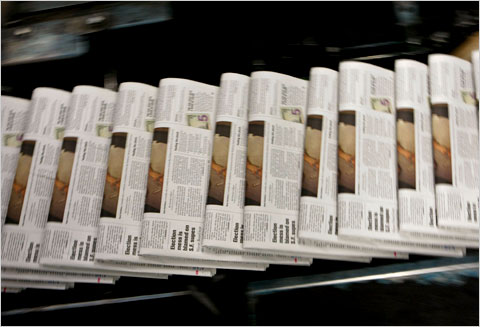
Here we are in early October with the softer fall light sharpening some of the clearest days of the year. The balloon fiesta is in full swing, with thousands of visitors in town, and then the Albuquerque Journal greets you on Sunday, with frowning front-page headlines, reporting on the nature of city’s crime problem, state government’s inherent budget limitations and dirty secrets of public school administration New Mexico-wide.

IMG_0645

This was pointed out to me by one of my former co-workers at the paper, noting in a morning email the downbeat presentation. I respect his views, but I think most of us local journalism veterans also know that half of Albuquerque would accuse the Journal of hiding the news and promoting happy talk if it had presented more of an upbeat look during the city’s signature tourism event.

I read each of those front-page stories because they involve some of the most pressing problems of the day.

One story reminded me that an abundance of public school administrations is a reflection of New Mexico’s reliance on government spending. Yes, we are a big, spread-out state, but it’s also true that there are few, if any, industries other than public schools in many of the state’s small towns.

I was glad to see the crime story included this perspective from a lawyer in the justice system:  “I think the worry from our office is that the public hears ‘repeat offender’ and assumes that to be someone who engages in serial, violent conduct, when in fact APD is often referring to people who, because of homelessness or drug addiction or some other condition, become trapped in the system,” said Scott Wisniewski, a public defender.

Short-sighted, it seems to me, was this comment in the state budget story: “The amazing part to me is that, with the enormous increase in funding in 2008-09, we still did not move the needle, when it comes to education,” Sen. William Sharer, R-Farmington.

I think that view illustrates our hugely flawed tendency to expect overnight improvements when, in a poor and culturally diverse state, decades probably are the more realistic timetable.

It’s unfair, too, to single out Albuquerque as troublesome. Most communities in the state have struggled for centuries with familiar economic problems. And if the economic issues in New Mexico don’t get you, maybe cultural ones will.

Journalists in my adopted hometown of Santa Fe have recently reported on the affordable housing problems there, as well as historical rifts in the city’s pre-balloon fiesta in September, leading to angry confrontations on the Plaza and bronze statue amputations in Alcalde.

So, maybe it’s sometimes tough just being a New Mexican, although the light in October makes me think I would want to live nowhere else — to say nothing of good neighbors and endorphin-inducing food.

I admit that I have just consumed a homemade breakfast burrito with a blanket of red chile. And I am a smiling hypocrite, avoiding many Santa Fe and Albuquerque arguments, living halfway between.

Previously on dream ranch: Never-never Land: https://dreamranch.wordpress.com/2013/09/01/never-never-land-santa-fe/

Back in the late 1970s, when Santa Fe started bursting at the seams, one of the era’s many water consultants told county commissioners that hydrology is as much of an art as it is a science.

IMG_0243

Dawn over the Rio Grande.

I am reminded of this not because of deep thoughts about water in the Southwest but because of a text messaging error over our possibly faltering Well No. 2 in Placitas this morning — actually, the guesswork in anything involving water and wells.

This morning’s confusion: One of the smartphones involved in repair work communications kept “auto-correcting” the word “electrician” to “electrocution.”

Obviously, I am still alive, but I had been at Well No. 2 only a couple of hours earlier to reset the “Coyote,” an electric switchbox that was flashing a red light and reading “voltage overload” before dawn.

Our is a small community water system, in a supposedly good aquifer, but the fragile, electric-powered equipment needed to get water to our homes from 600 feet below the ground can easily trigger head-scratching, shoulder-shrugging and, sometimes, crossing of communication wires.

Things are much worse when actual water supply is in question, and our current issues might involve no more than a layer of silt and a clogged pump; better yet, just a bad connection. But it’s all difficult to diagnose when some of the answers lie underground.

I know there is some science about what goes on down there in the unseen water mazes called aquifers. I’ve seen geologic studies, drilling samples and well data used to support claims of water abundance. And I’ve always hoped there are topographical clues, like my aquifer lying under the Las Huertas Creek drainage and water dumping into the Galisteo Basin from the tail end  end of the Sangre de Cristos, south of Santa Fe.

But I think I also remember a report that said Rio Grande recharge from rain and snow atop the Sandia Mountains takes 50 years. And that’s water traveling underground.

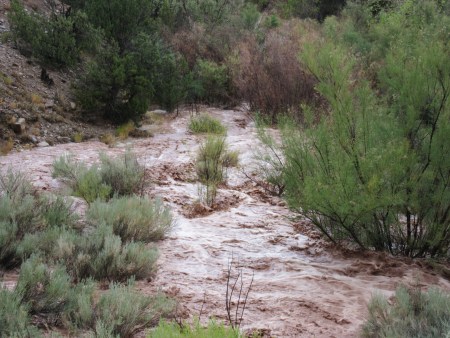
And one of the ironies of living in this neck of the woods is seeing clouds gather and darken miles away and, in nearly the blink of an eye, sending what seems a generous percentage of our annual rainfall speeding down arroyos to the Rio Grande and Elephant Butte.

IMG_6164
Easy come, easy go

I acknowledge that human water systems here always have been complex, although the tools of the trade used to be just sticks and shovels.

This area along Las Huertas Creek has been farmed, small and large, for thousands of years by Native Americans and Hispanic successors. Two creeks flow into the drainage (both ran year-around when I moved here), but you also can still see the outline of an old acequia and old well shafts dot the valley floor. Today, we have several wells, of varying ages, providing water to some 50 homes.

modelhome

Former Las Huertas Creek farm building

But with or without knowledge, I am going nowhere near Well No. 2 again today. I’m just gonna pray.

Better yet, why worry about drainages, water tables, drilling depths and electric-powered pumps, to say nothing of  all those new straws going into the ground all around ours?

I could move Albuquerque or Santa Fe, where they seem to have stopped worrying about groundwater wells, relying heavily on water from Colorado River tributaries in the San Juan Basin, piped under the Continental Divide into the Chama and on to the mighty Rio Grande. Seems foolproof.