John Fleck comes up with the greatest maps and fortunately puts them on his website at http://www.inkstain.net/fleck/.

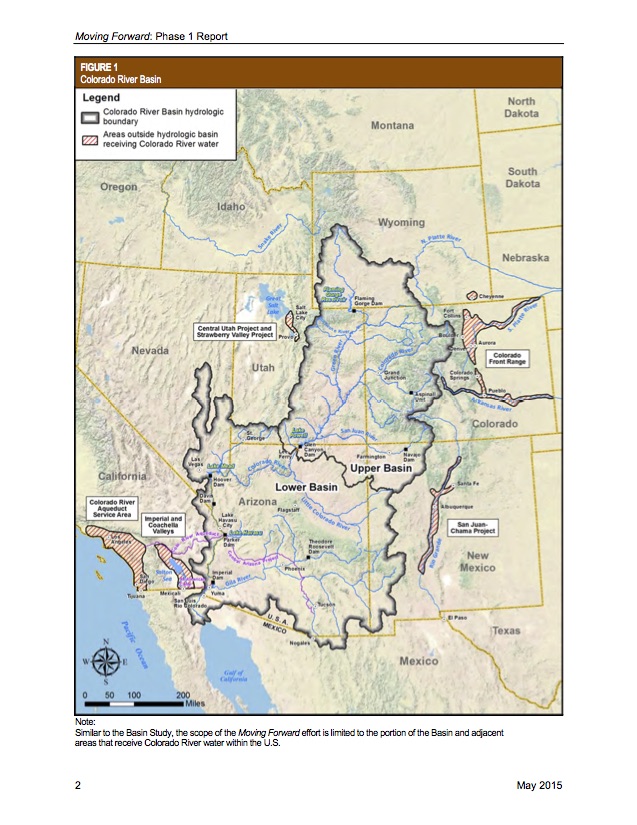
Coloradobasinmap

Fleck, who’s writing a book on water at the University of New Mexico, excitedly notes that this new Bureau of Reclamation map defining Colorado River Basin hydrologic boundaries shows them extending into Mexico. You can find more about this on his website.

The other thing that caught my eye, though, was the reminder of the phenomenal water engineering of the Colorado River, specifically the hatched areas on the map, outside of the basin boundaries, that receive Colorado River water despite distance and topography. These include parts of southern California and good old New Mexico, clear on the other side of the Continental Divide.

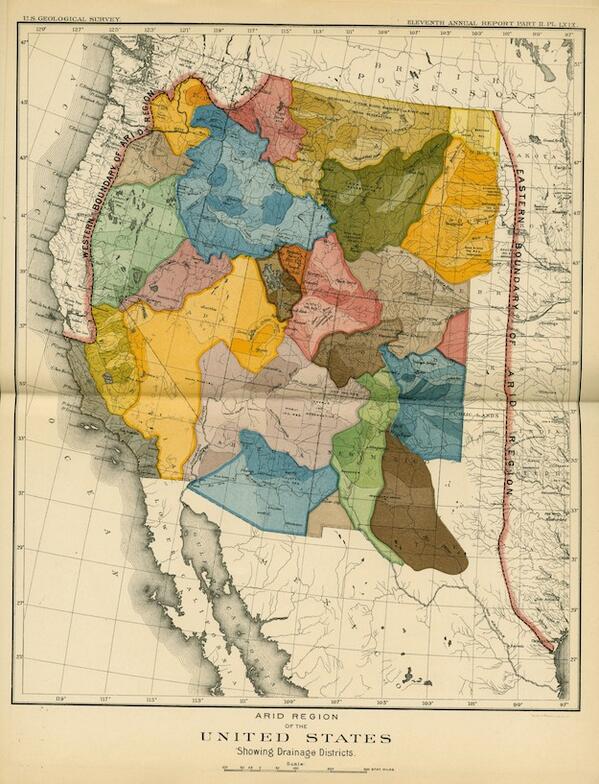
Fleck’s posting of the BOR Colorado River Basin map sent me back to one he’d written about for our former employer, the Albuquerque Journal: John Wesley Powell’s rendering of what he thought Western watersheds should look like.

Watershed West: John Wesley Powell

Watershed West: John Wesley Powell

At first glance, Powell’s map seems to make more sense. But maybe not if you want a tomato in December in New York or to escape New York’s snows for 18 holes in Phoenix. Or for that matter, water in your tap in Albuquerque or Santa Fe.

Scan 13

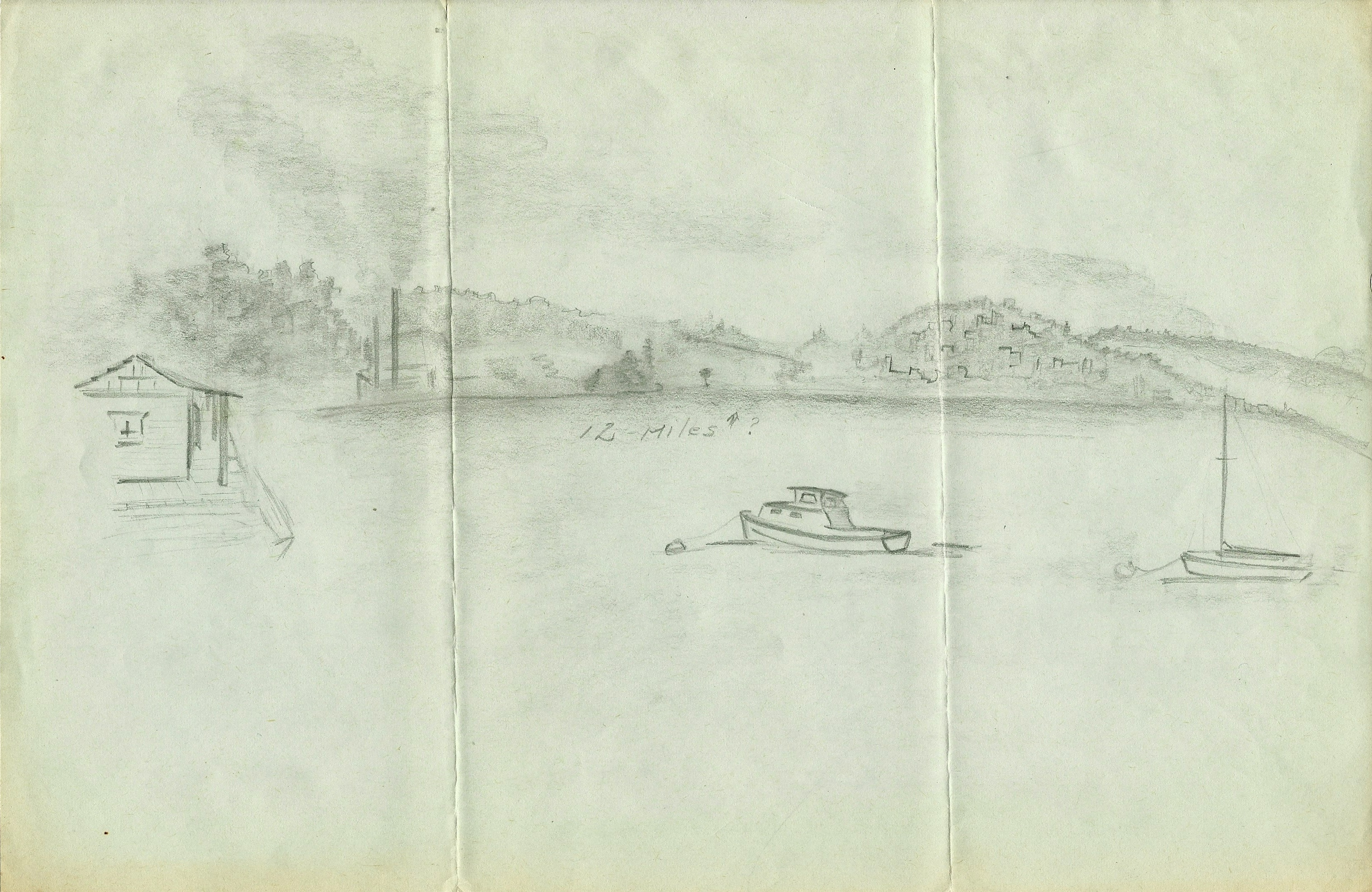
My mother’s pencil sketch of her cottage and the bay at Hadlock, Washington, leaves me thinking about the uncertainty of human distance, how far we will travel.

A question lingers in the moment of the drawing, sent to me after her death in 1979.

“12 miles?” my mother asked in her neat hand, maybe wondering on a sunny day on her porch at the shore’s edge about the distance to Port Townsend.

It’s less than 10 miles by road. But did she think of other distances that day? I am left with the question.

“12 miles?”

She died just a few years later after a move to Montana, age 49.

Her journeys were long and complex, but the time still seems short.

A friend lost a daughter last week, suddenly and too soon. He has sent friends a poem and a eulogy but I cannot fathom his loss. How can this be?

Word came of two former colleagues hospitalized, one with dementia. Another friend wrote of the death of her husband’s son.

I am awaiting more evaluations of my lung cancer. Over the weekend, I re-read John McPhee’s Basin and Range after coming across an interview in which he said cancer patients had found his discussion of geologic time helpful. Today, I started reading Joan Didion’s The Year of Magical Thinking, which she wrote after the sudden death of her husband and her daughter falling critically ill.

I am more in awe than afraid. But the road seems so fragile, I am surprised to be a witness.

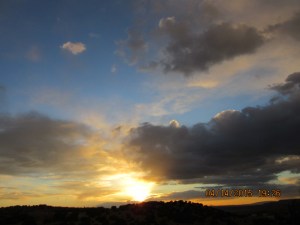
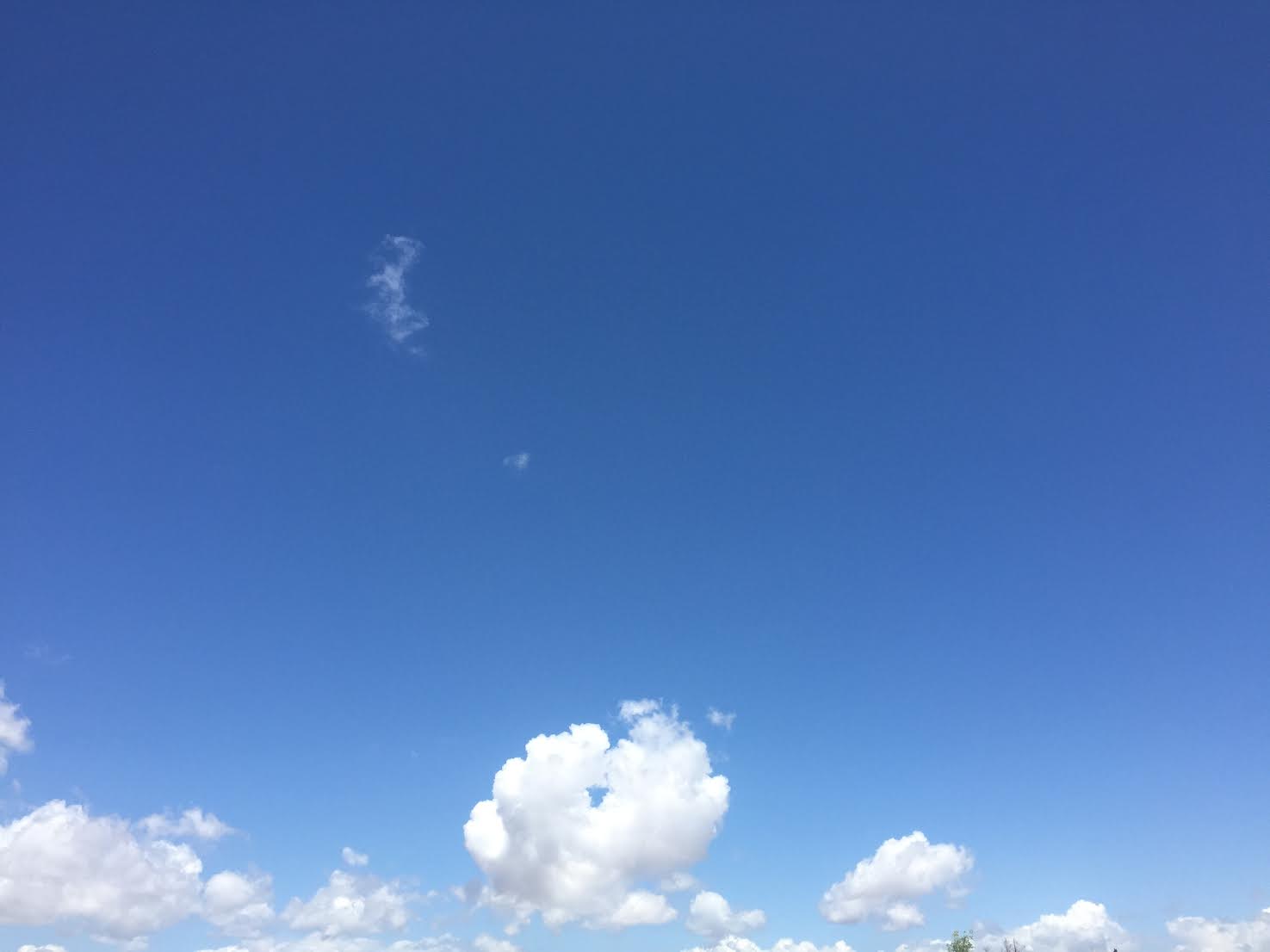
clouds, 05-11

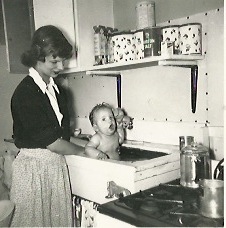
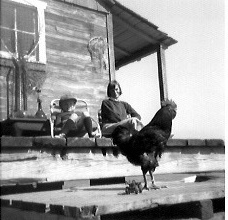
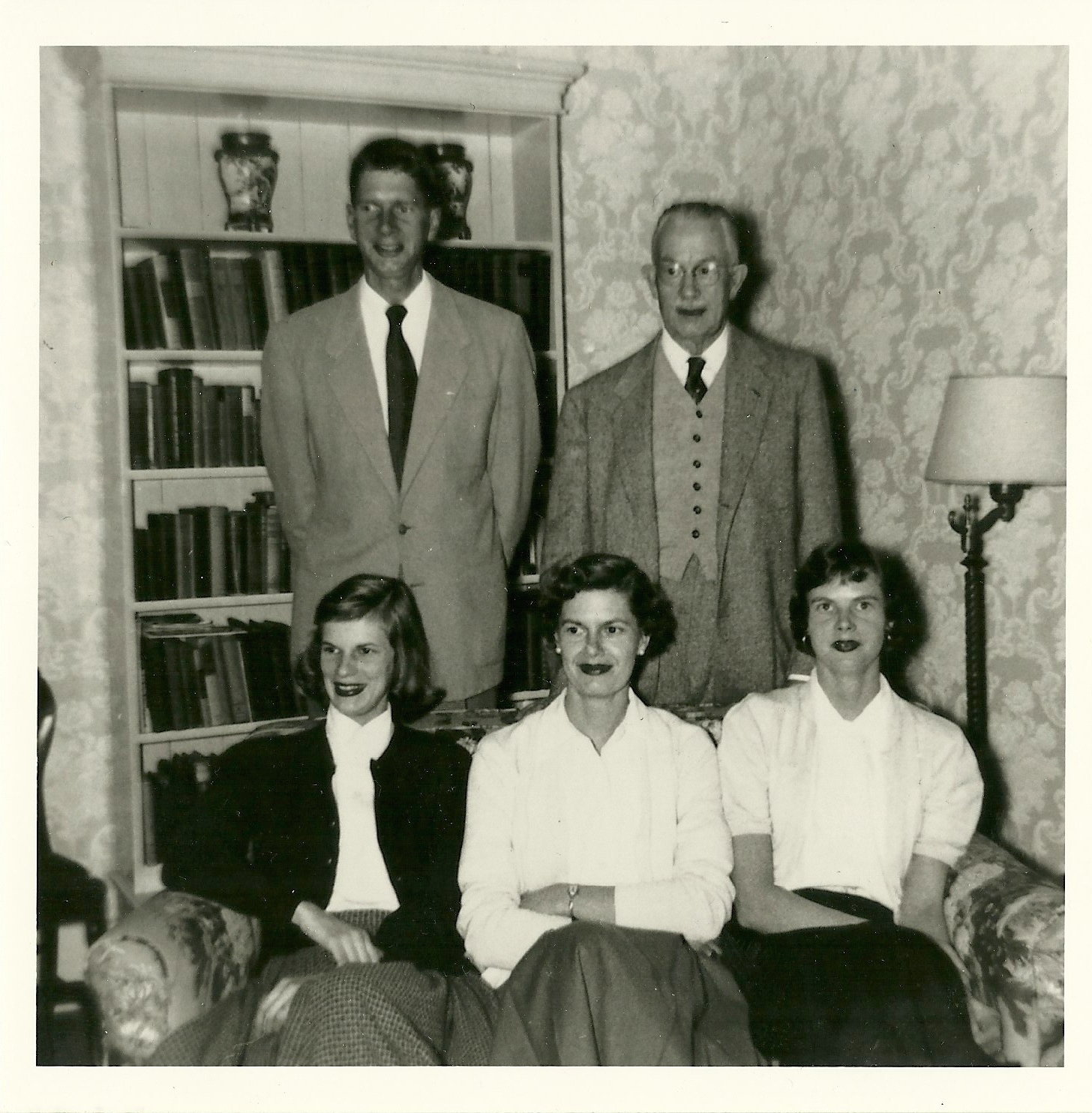
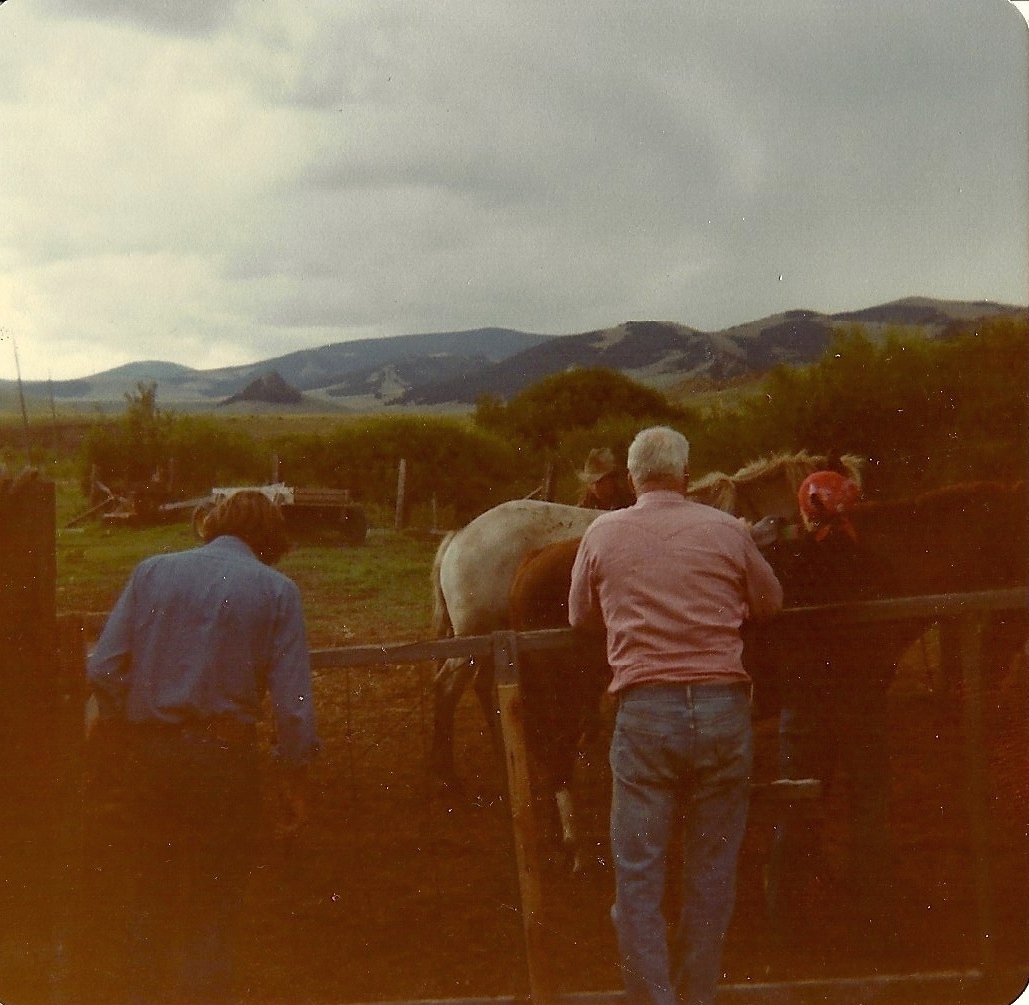
Mom and Rob, Iowa CityScan 13 Had trouble this morning rounding up photos of Mom and six children — our births weren’t exactly an orderly succession — but just wanted to say every day is Mother’s Day at dream ranch.

Scan 6 Scan 9

For Nancy Jane Bjelke to Nancy Harper, it was a big journey from Granville, Ohio, to Lennep, Montana, sometimes chaotic and not always easy, but I think she stayed happy. We loved her all the way. And she’s still with me every day.

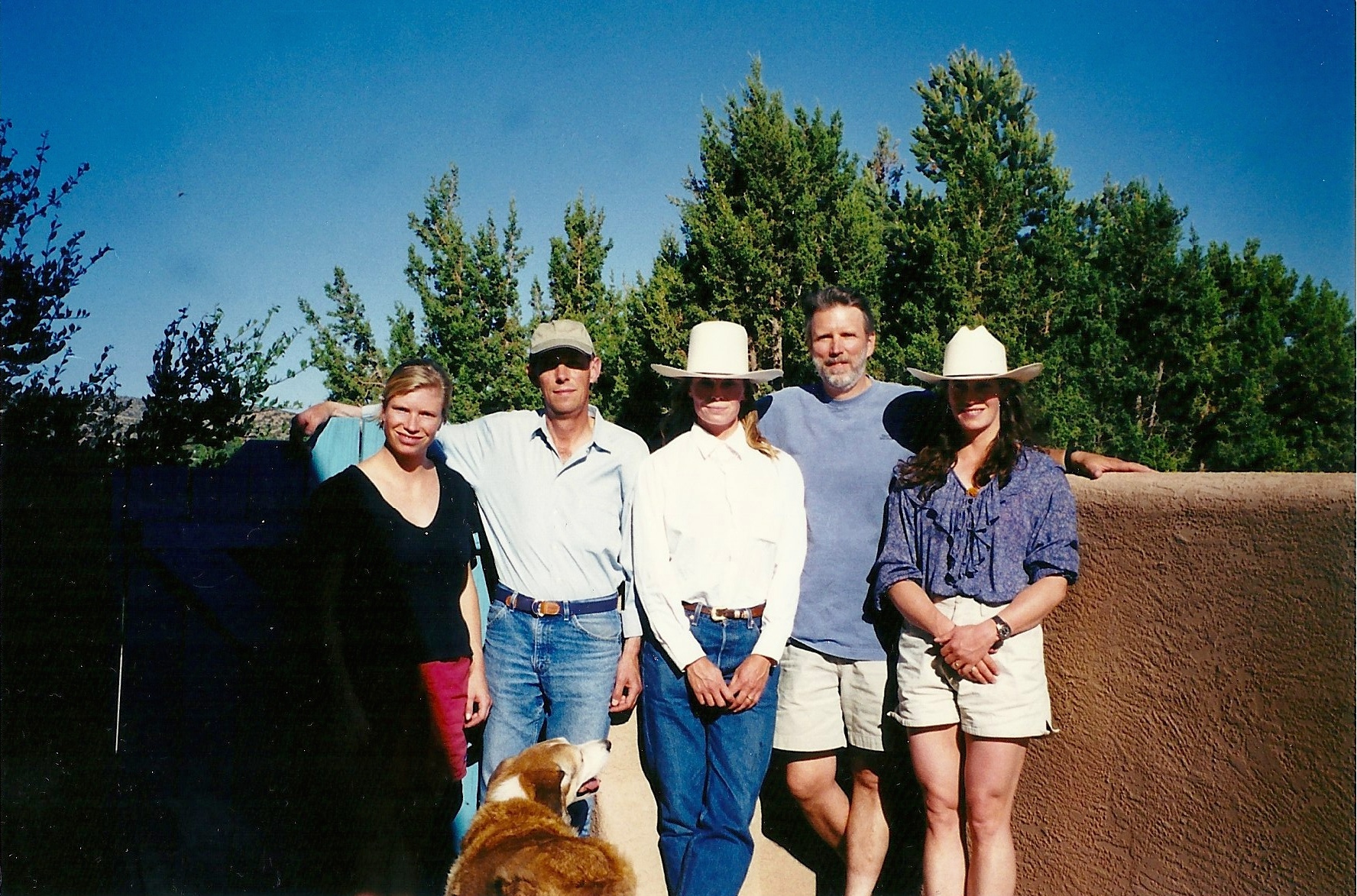
Here are five of us back in 2002, missing Rob, the guy getting a bath in the first photo and who we lost in 1990. Hi, Mom.

Scan 10

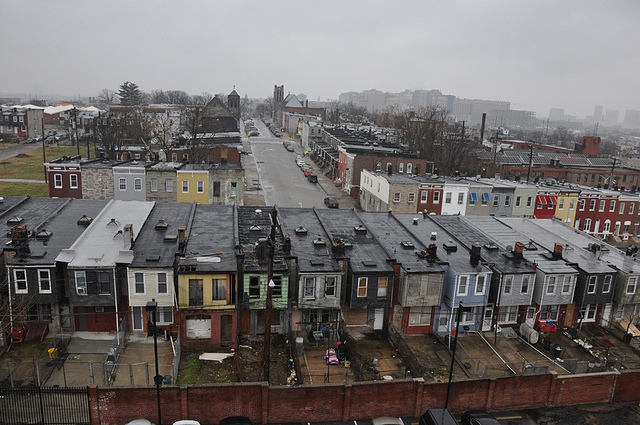
IMG_0175baltimore

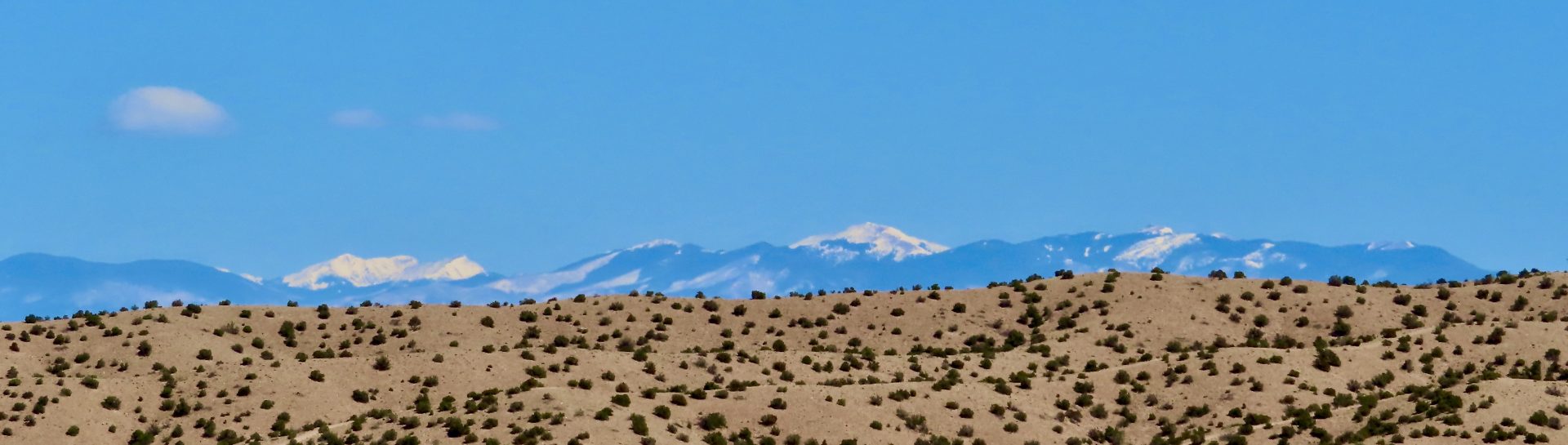
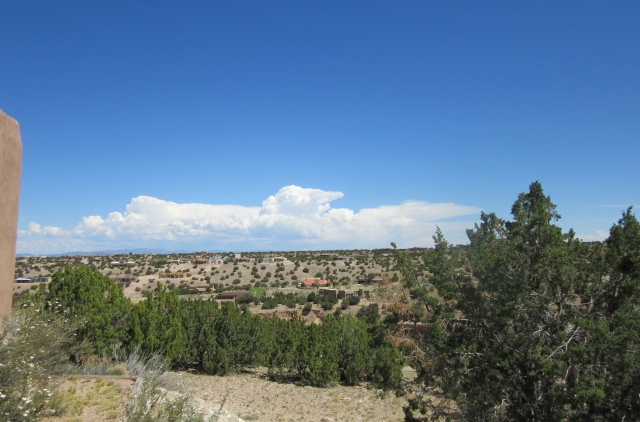
Looked west from Placitas this morning but thought east.

Baltimore was on my mind. I asked the Internet about the city’s underlying problems. Found more than I bargained for.

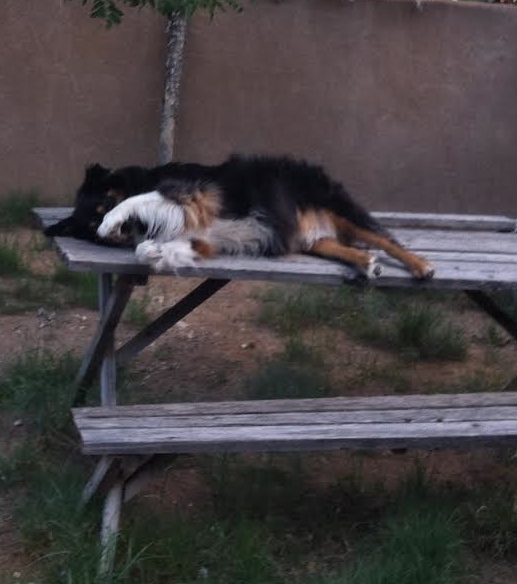
Cooper got a professional spring cleaning to help keep him cooler in the coming months. mrclean1

My treatment for lung cancer has gone well so far and — strange as it might sound — I hopefully will be scheduled for surgery later this month.

mrclean2

IMG_0155IMG_0152IMG_0156

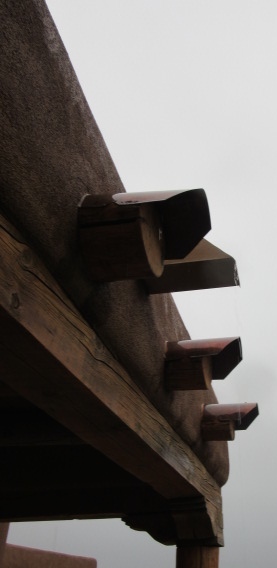
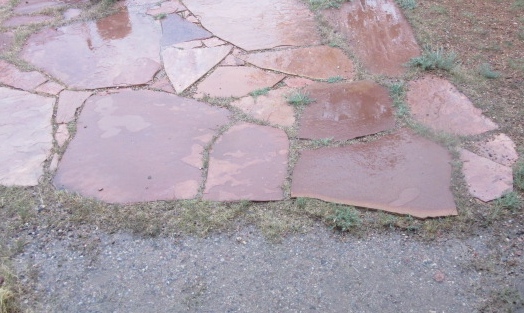
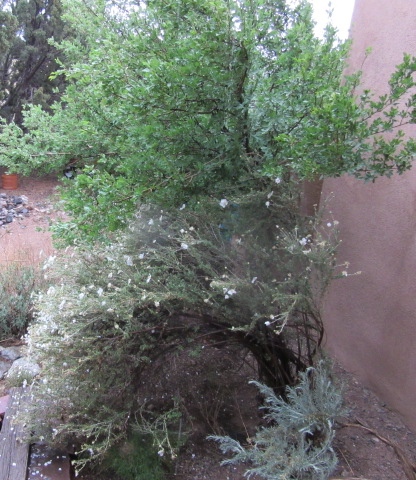
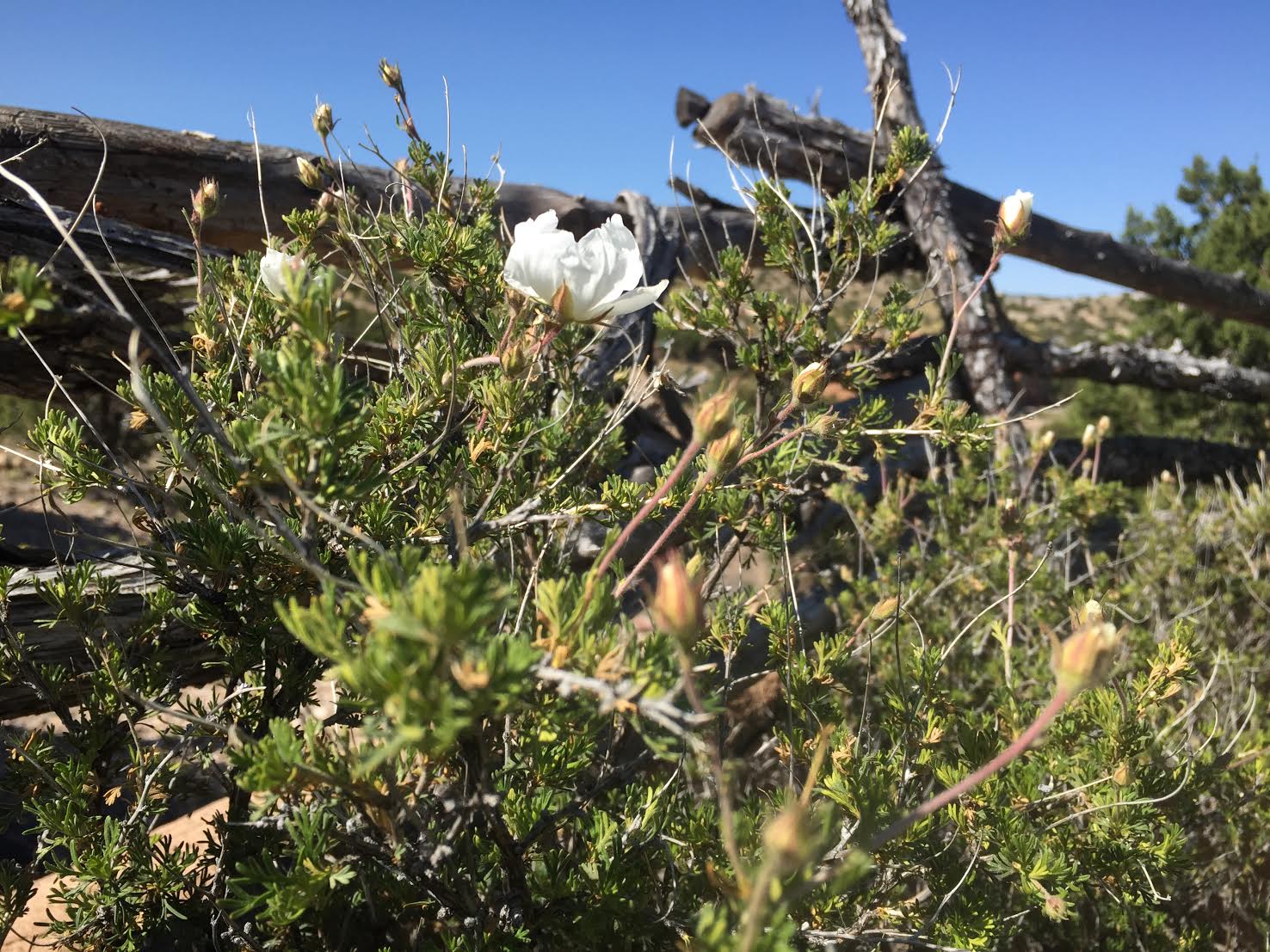
WEATHER: Finally, real rain. Not virga, not barreling through like a train with another destination. It’s drumming on my flat roof at 6:30 this morning, pouring from the canales, wakening white blossoms on the Apache Plume, reddening the flagstone outside my bedroom window.

It’s too good to sleep through, even early on a Sunday.

I grab my point-and-shoot before I make coffee.

CANCER: Friends have been asking, and so I report: The radiologist’s narrative following my first CT scan since completing seven weeks of radiation and chemotherapy for lung cancer began with the words “significant favorable response.”

Now, it is on to a surgeon. I meet with him and the oncologist this coming week. I’ve  already been told I probably can expect more chemotherapy.

Since an x-ray on Dec. 3  and a biopsy on Jan. 12, I have been telling people I will know more the following week. This continues to be the case.

I feel fine except for trying to keep my wind with a partly collapsed lung on uphill walks. Friends say I look great, at least relative to cancer treatment. I continue to be optimistic. I am happy this morning.

I think the glass is half full and half empty. All I’m sure of is that I’ve got cancer. I am told lung cancer is difficult to treat. I struggle to understand the science, but I think I have learned that this is a long and complex haul. And I am trying to learn to live with it.

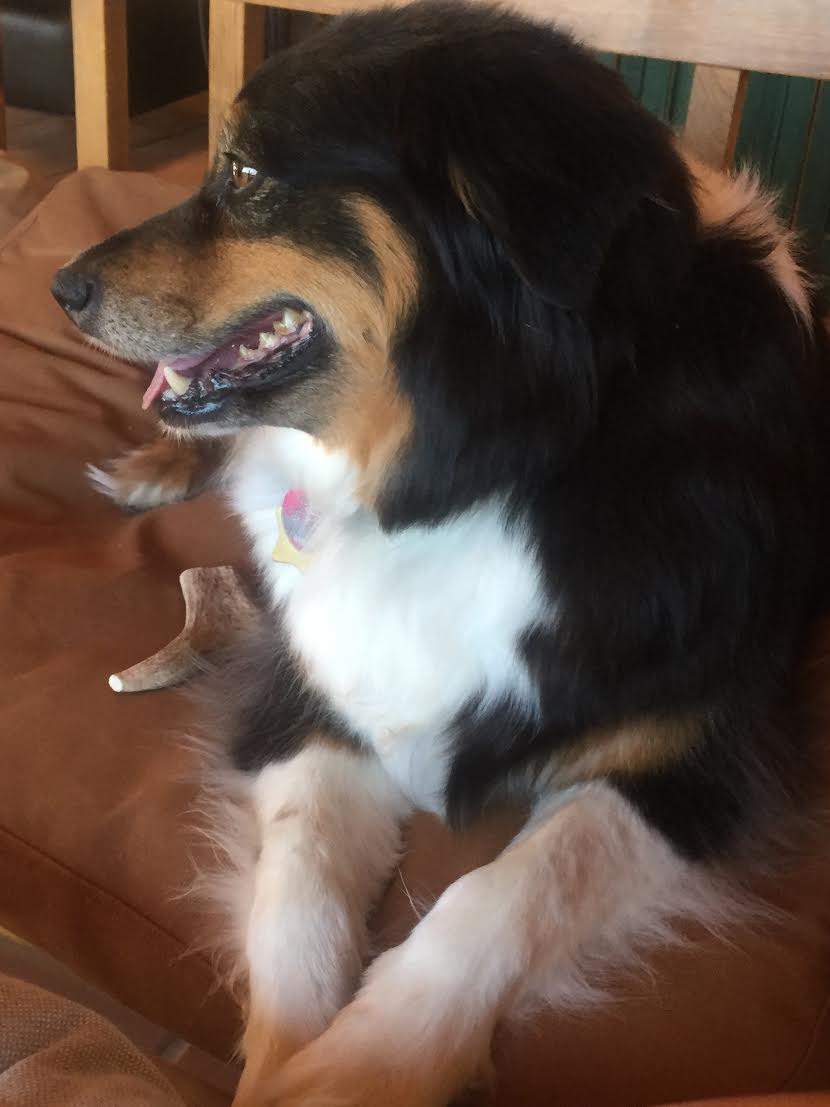
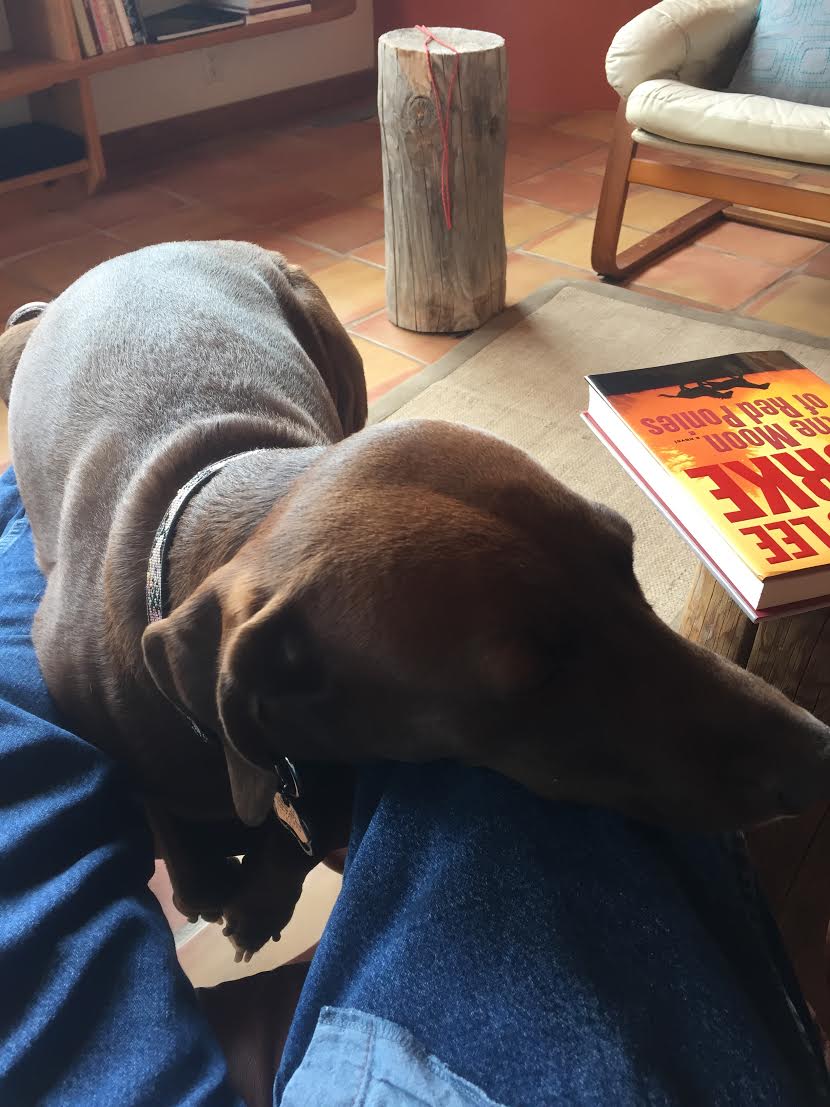
sararecliner Our neighbor friend Sara probably would have preferred that I bought a full-fledged recliner instead of this chair and footstool arrangement, but she has figured out how to make it work for her: backside on the stool, chin on my knee, not bothered by the gap in between.

Resident reclining expert Cooper, Sara’s pal, sometimes can’t believe his eyes.

riseandshine

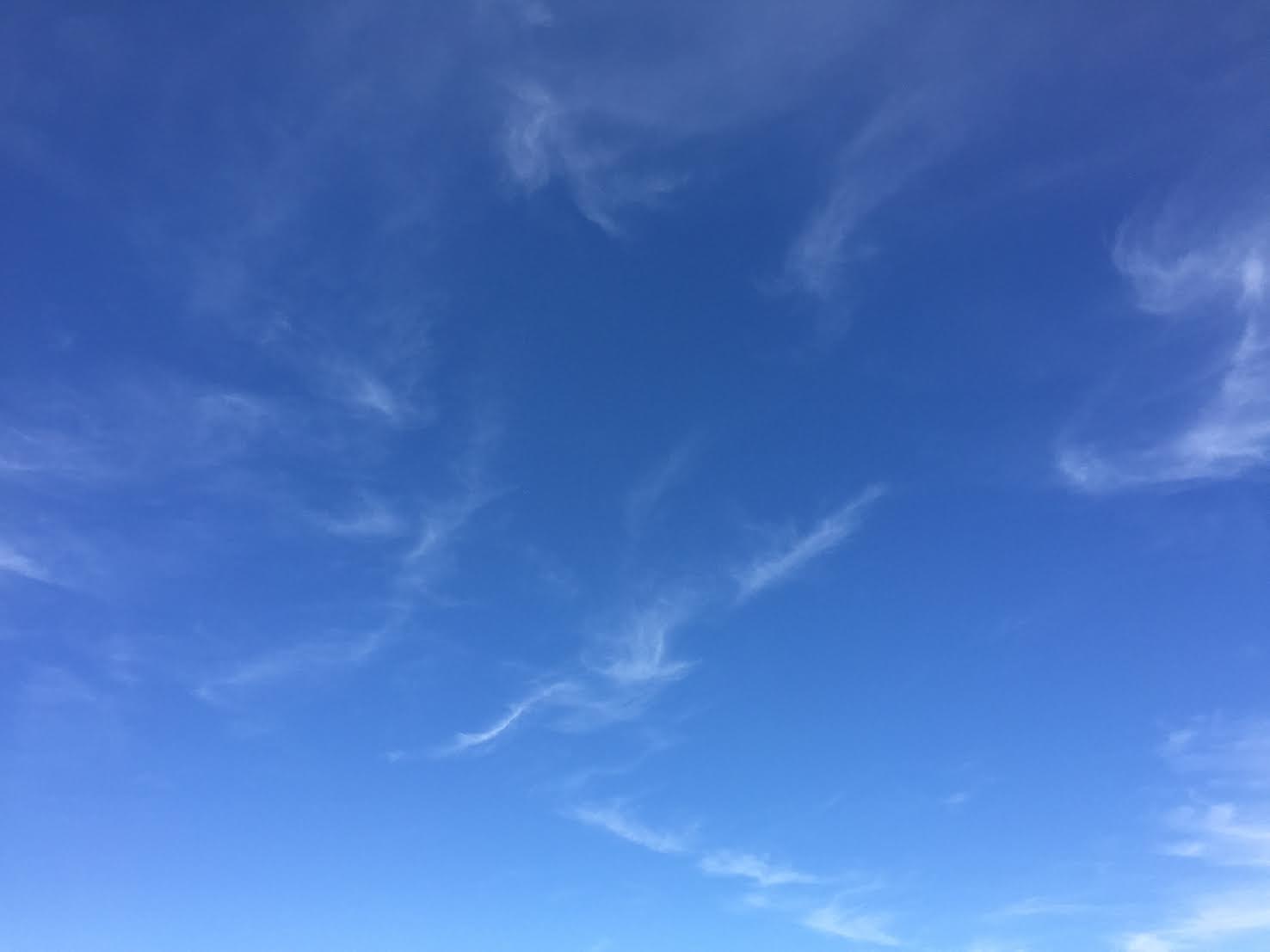
First thing I do in the morning is check the sky.
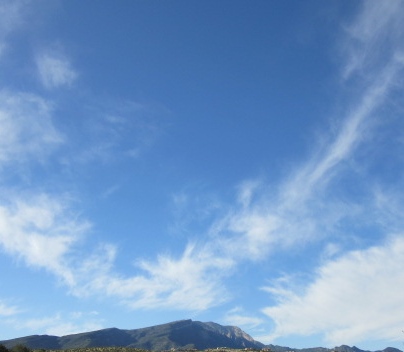
IMG_0129 In New Mexico, it is almost always sharply clear and strikingly blue.

Next, I go to the newspapers. The view is not so good here.

In the headlines, I quickly see New Mexico’s underbelly — so soon after taking in the sky.

Today, on the Albuquerque Journal’s website, ABQjournal.com, it was, “Woman strangled girlfriend’s dog to death, police say.”

And, all to often — my view jolted from broad, blue sky to East Central Avenue motel — it is something like this Journal story in March: “Baby rushed to hospital with bleeding brain; 3 adults charged.”

A sense of justice came with this February headline in the Journal: “Parents shot by 2-year-old charged with child abuse.” But it didn’t make the morning news any prettier.

I worked at the Albuquerque Journal for 33 years, and I’m still not sure whether Albuquerque is just a rough place or the Journal pays more attention to the roughness than papers in other cities do with their backyards.

These days, it also doesn’t take me long to start thinking about drought. And with drought, I again have to consider the range of my lens, as I did a couple of mornings ago with this story in the New York Times.

A Long History of Drought

Analysis of tree rings suggests that western states have had many droughts of two decades or longer, including two megadroughts lasting longer than 100 years.

  We tend to comprehend weather patterns with the lens of our own lifetime experience, an immediately silly notion once you look at something like the New York Times graphic, which examines wet and dry dry cycles in western states from 1 A.D. to present.
  You would need more than a fine point pen and a magnifying glass to fit my recollections of snowy winters in New Mexico in the 1970s — being able to cross-country ski in arroyos off the Old Las Vegas Highway outside of Santa Fe or the then-undeveloped slopes of low-lying Atalaya — on the New York Times chart.
  The Times story contained this wonderful data-based view of drought:
  “But scientists say that in the more ancient past, California and the Southwest occasionally had even worse droughts — so-called megadroughts — that lasted decades. At least in parts of California, in two cases in the last 1,200 years, these dry spells lingered for up to two centuries.

  “The new normal, scientists say, may in fact be an old one.”IMG_0122

IMG_0127

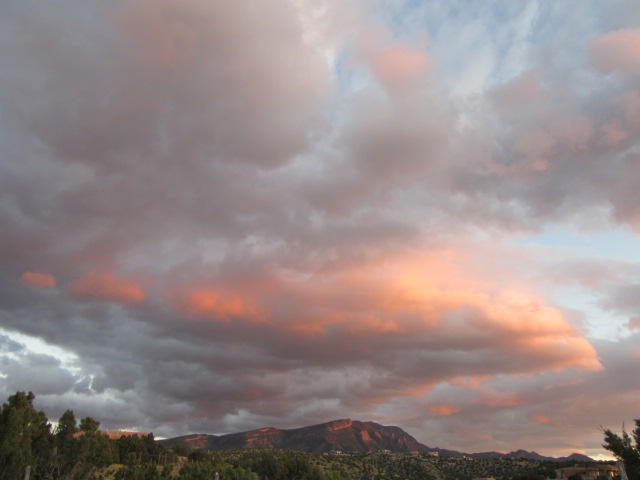
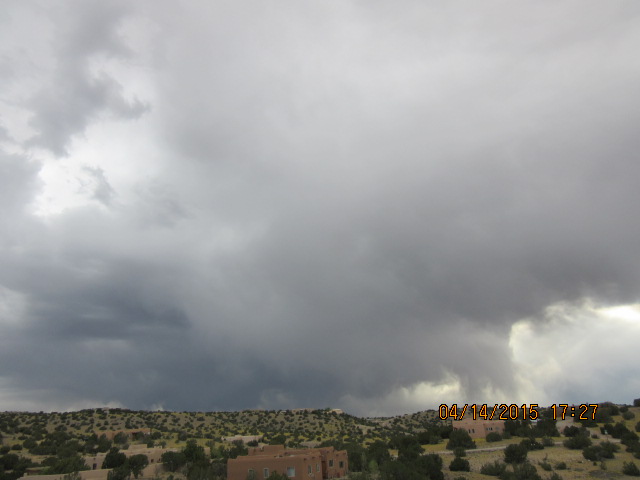
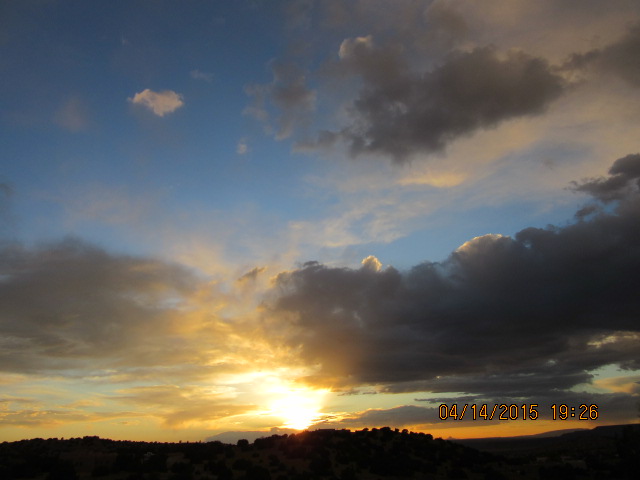
Meanwhile, our big Placitas rain storm on April 14, barreled through here in 30 minutes or so, headed in the direction of Tucumcari. It hurried out of the west about 5, but looked like this by sunset, leaving only what the weather pros would depressingly call “trace amounts” of rain.

Still, I continue to look skyward.