


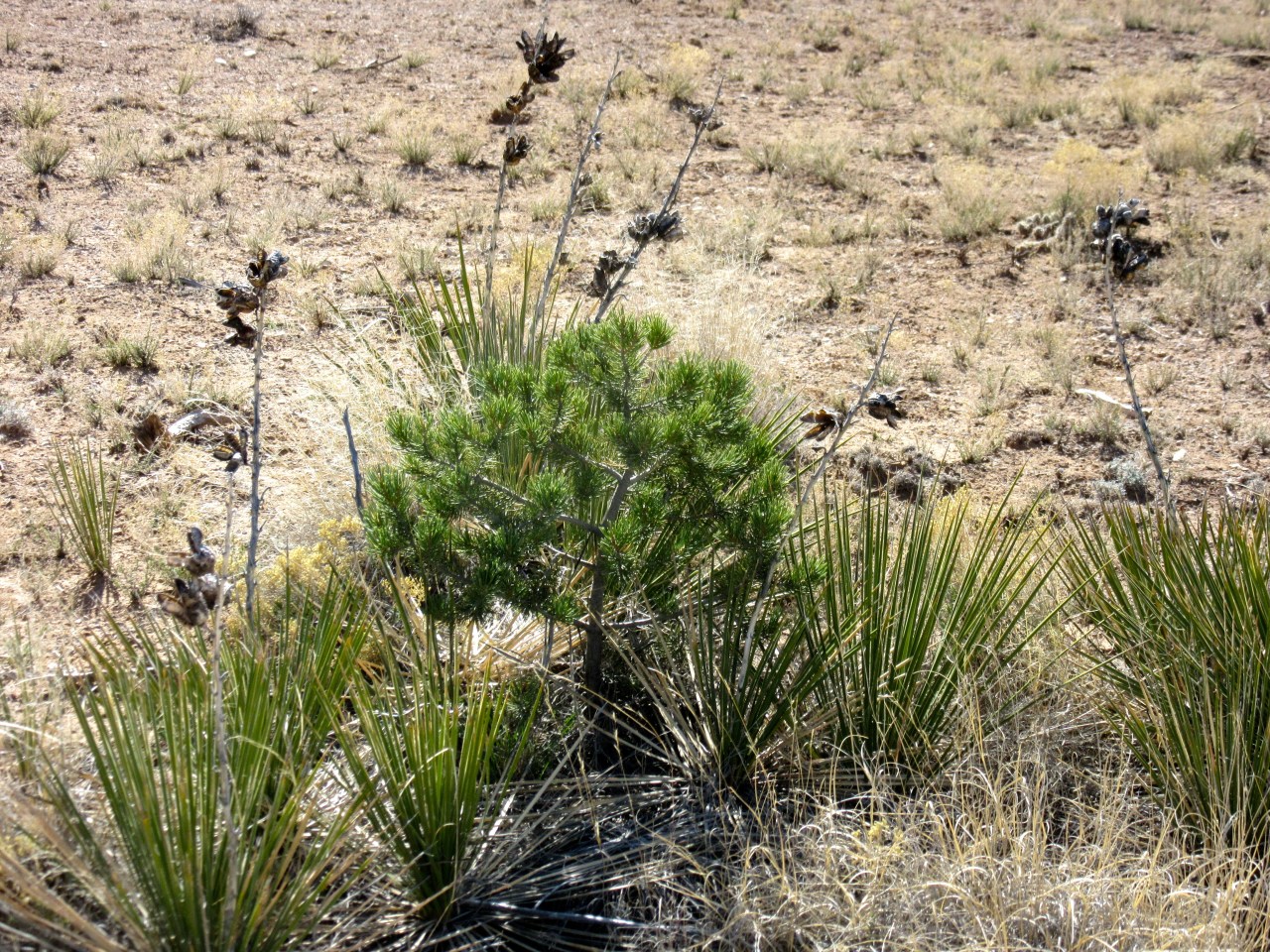
Kinda lonely — wind wearing me down — but always different ways to see.
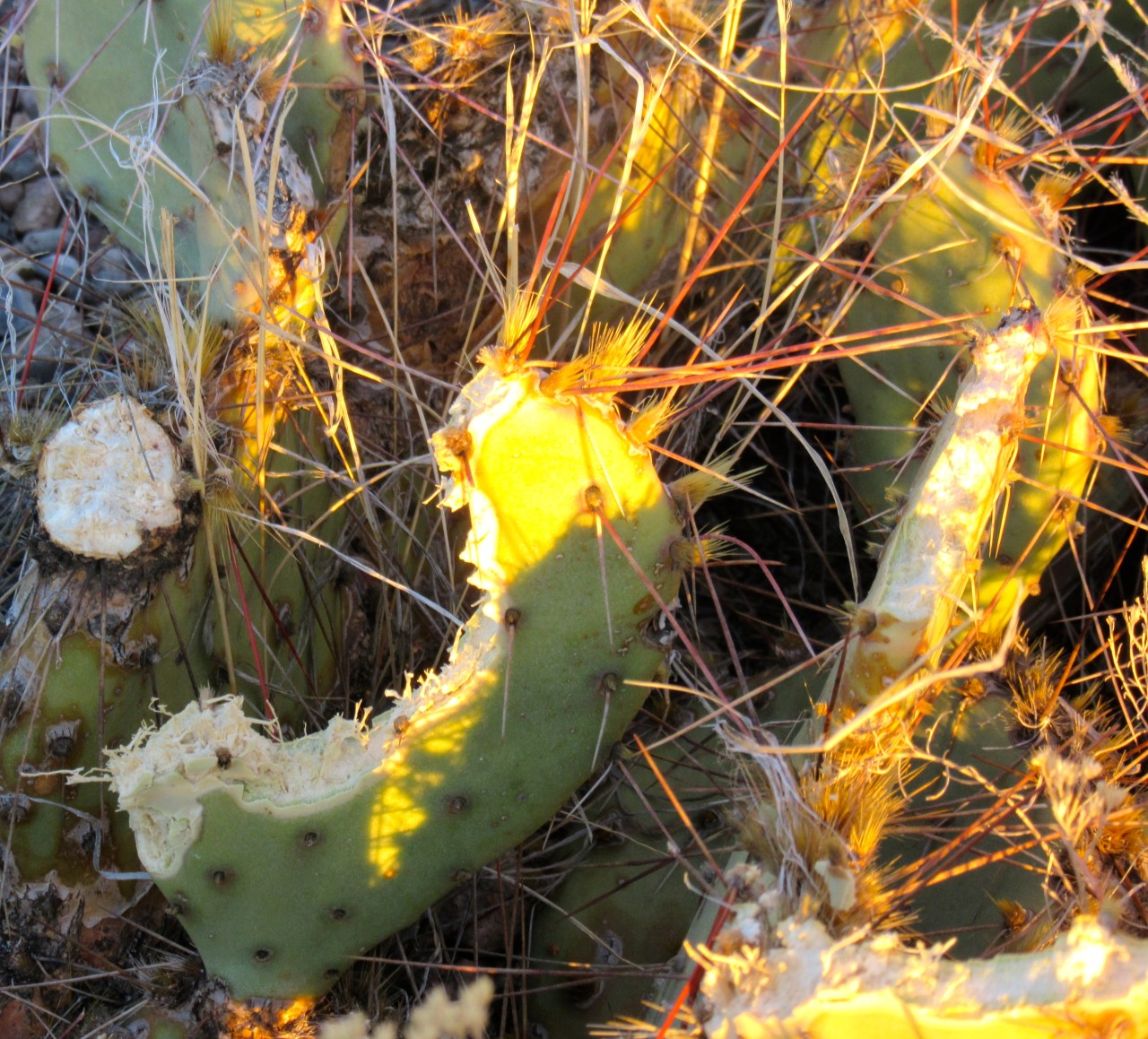
Coop still makes it home. And we’ve got better than cactus for supper.
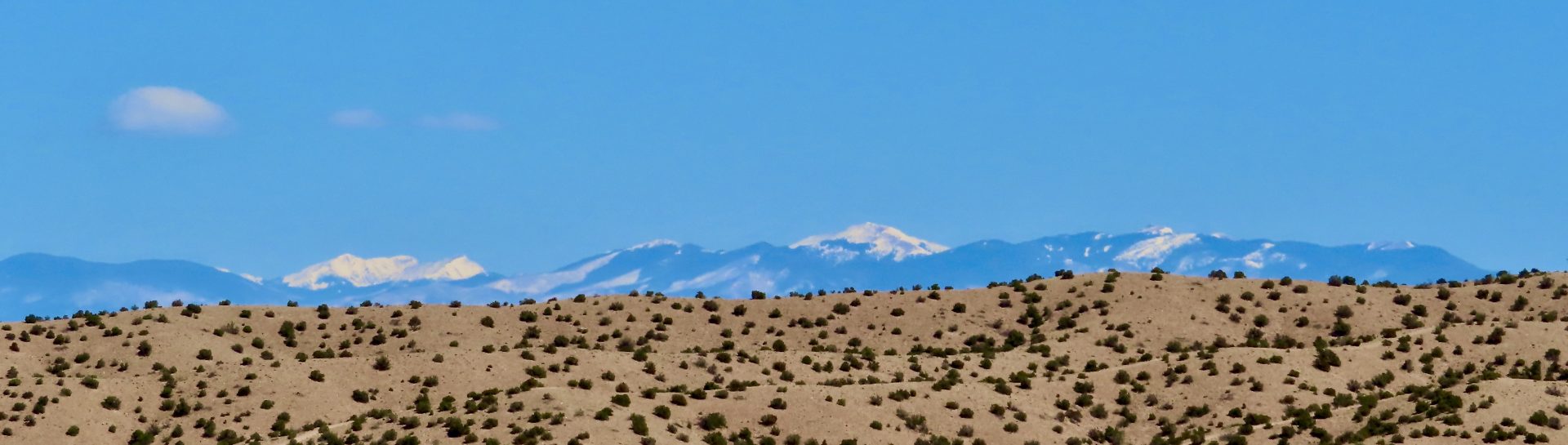
Kinda lonely — wind wearing me down — but always different ways to see.
Coop still makes it home. And we’ve got better than cactus for supper.

Western sky from Placitas. No end of wonders.
Reporting on sunset. Our trail tonight.
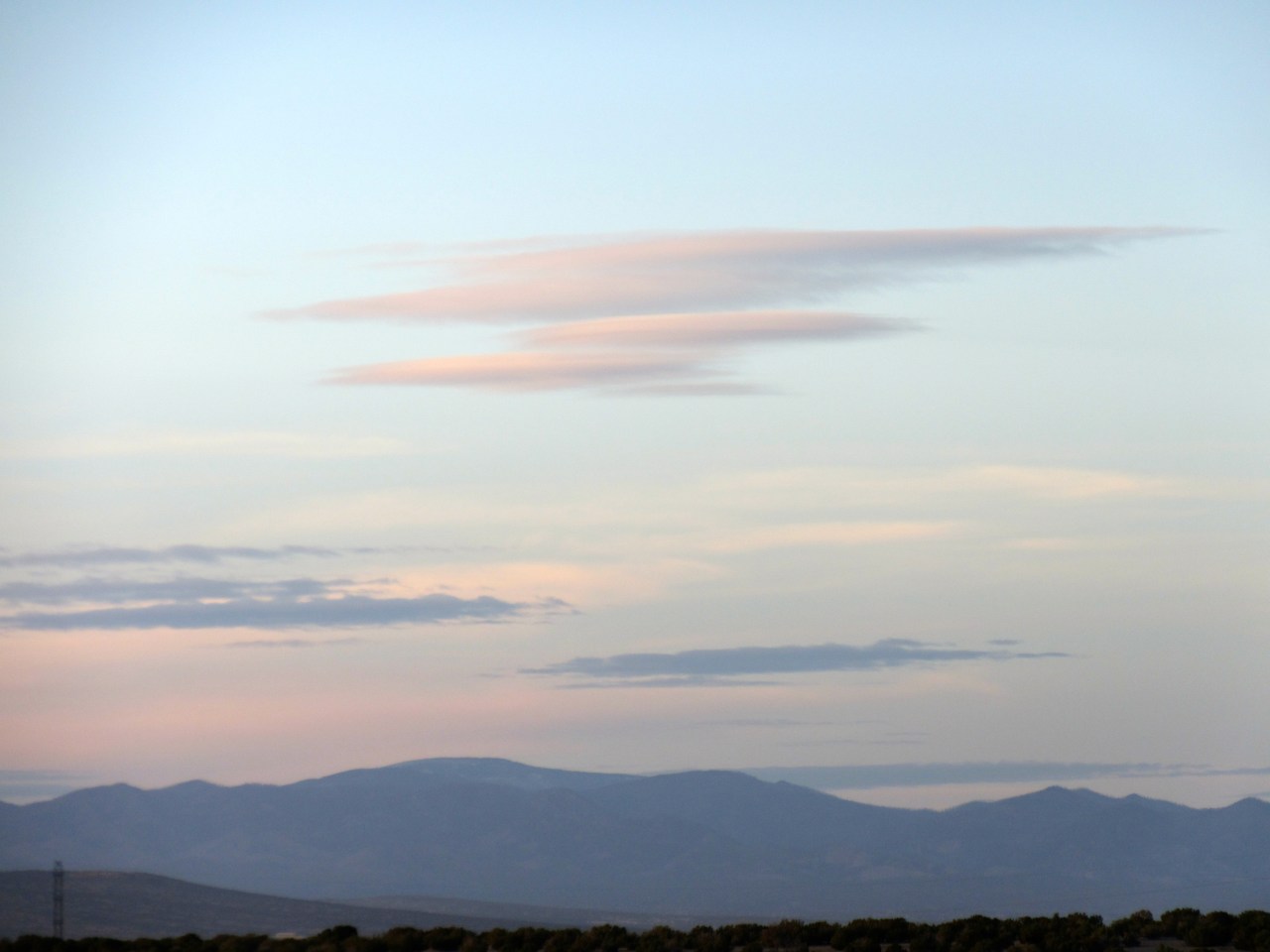
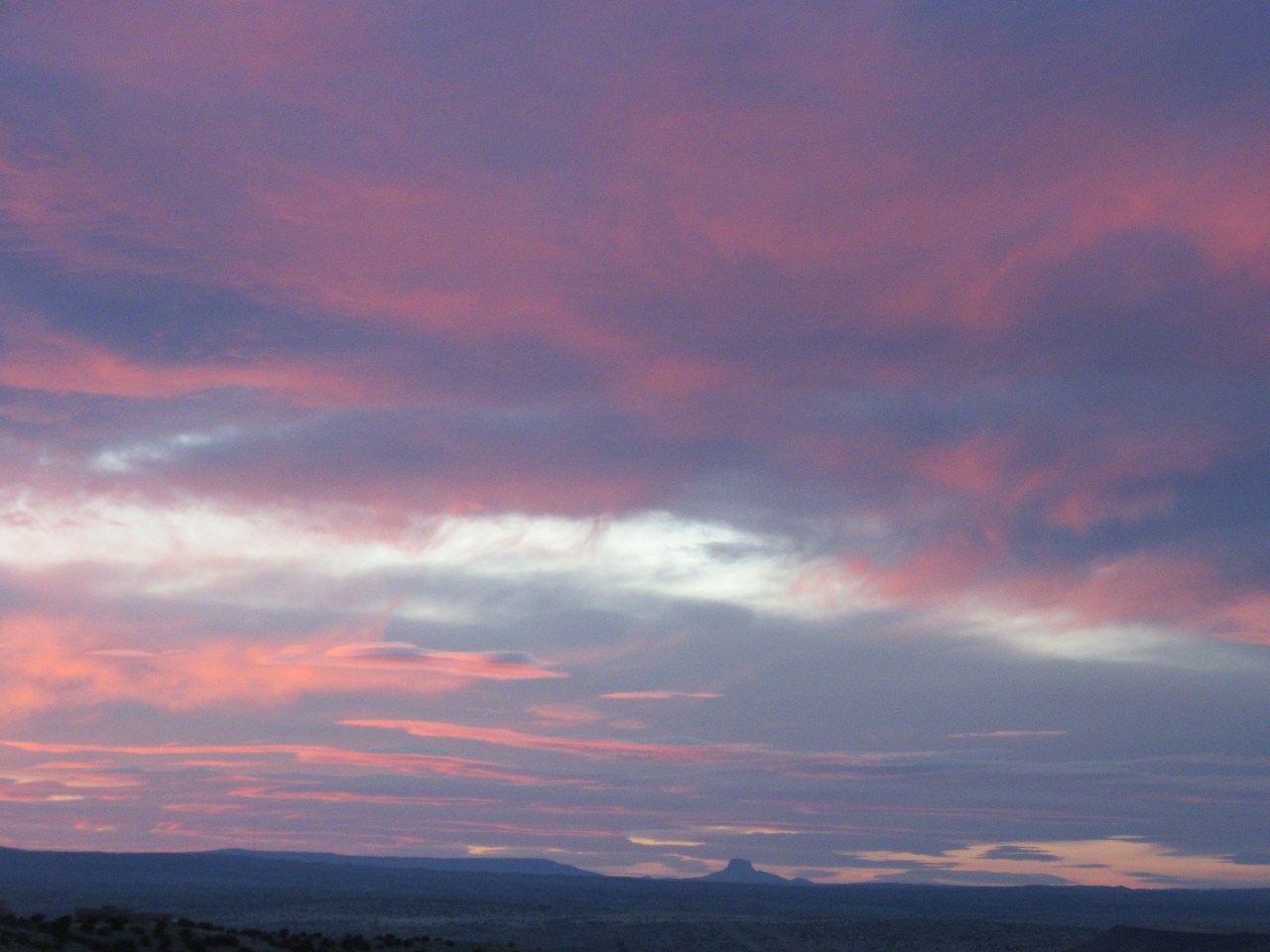
Later, I went to look at his moon but saw it upstaged when the biggest shooting star I’ve ever seen — technically a fireball, I guess — flashed in a short, brilliant arc in the northern sky. I wasn’t fast enough with my pocket camera, so all I can share is the moon.
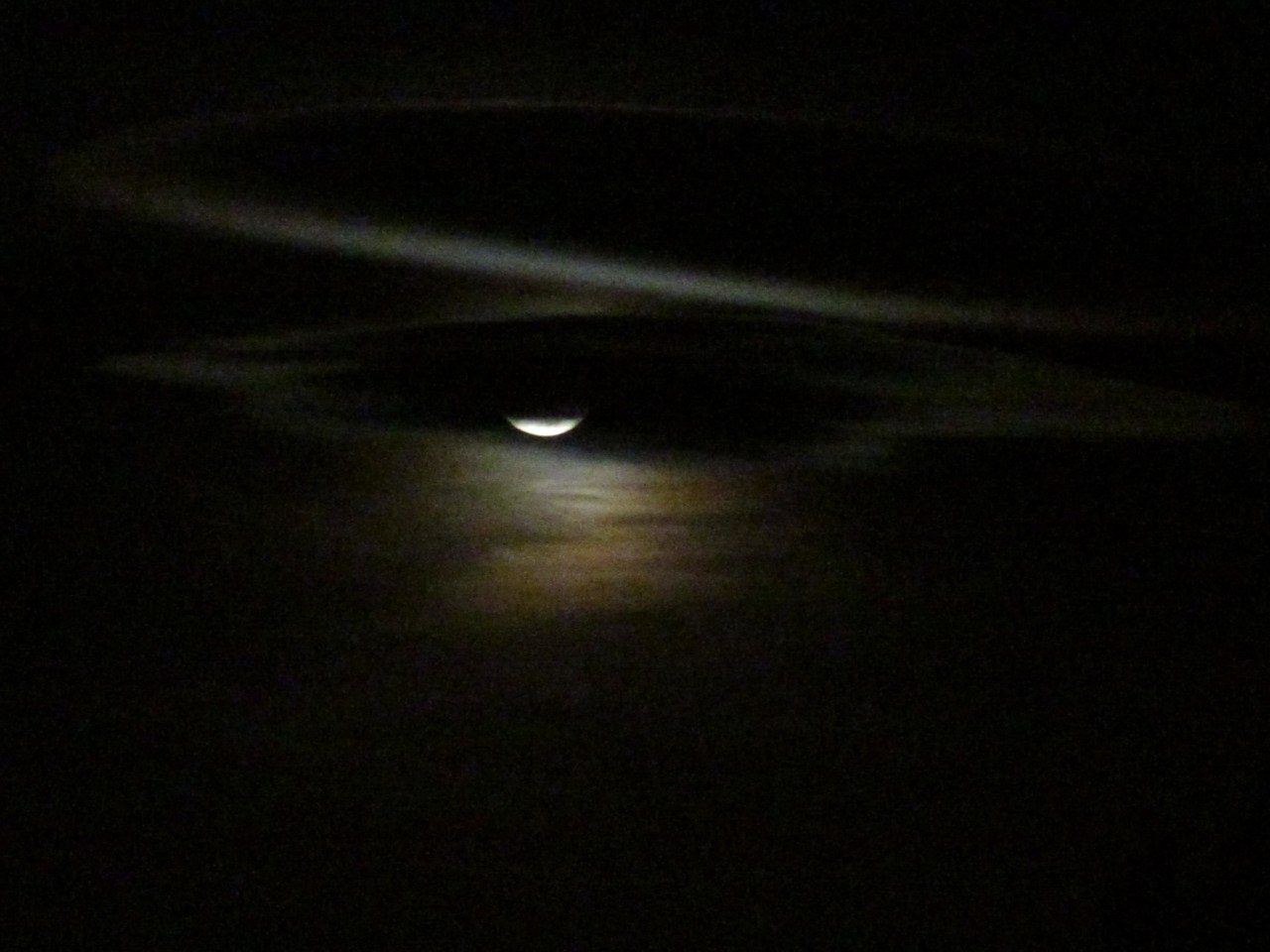

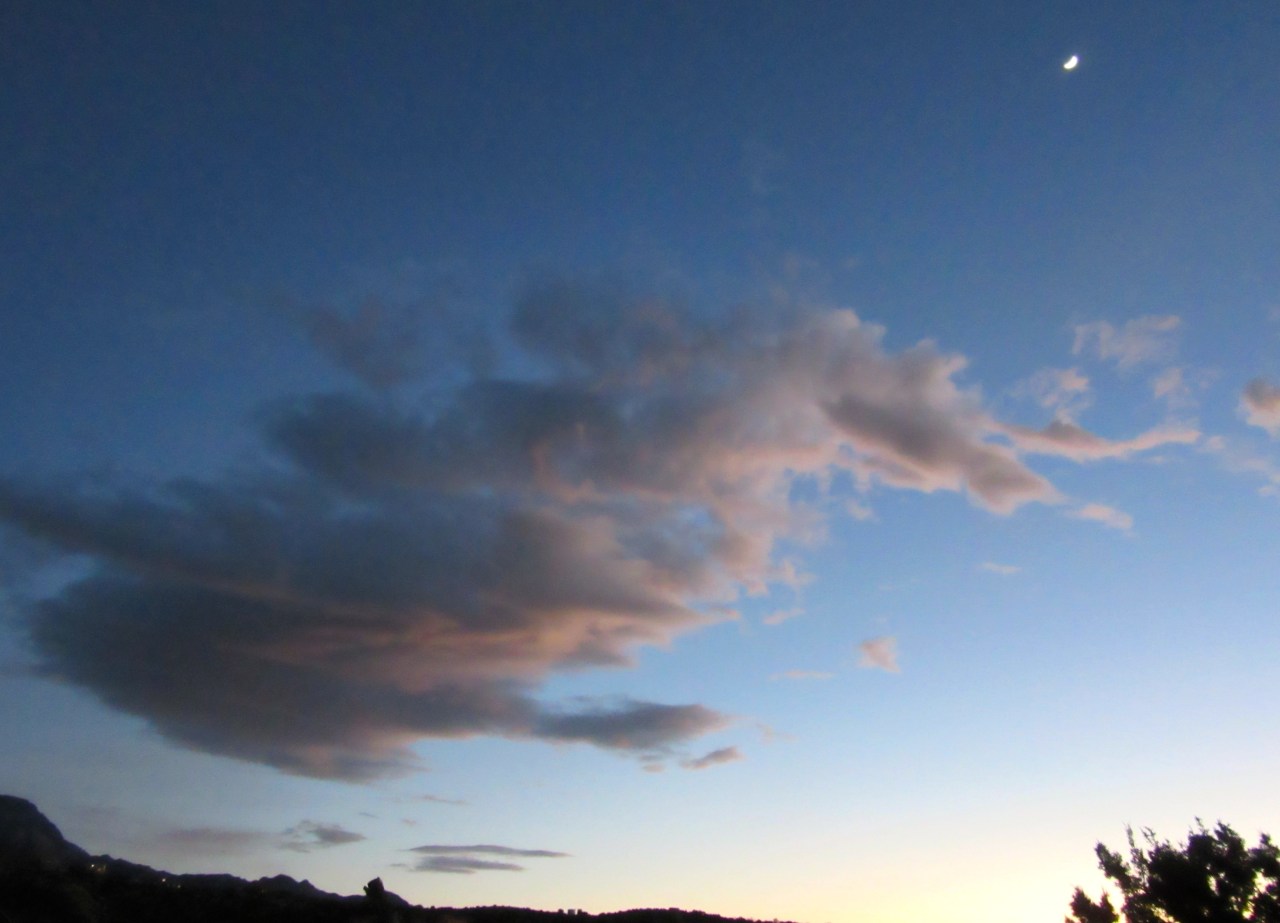
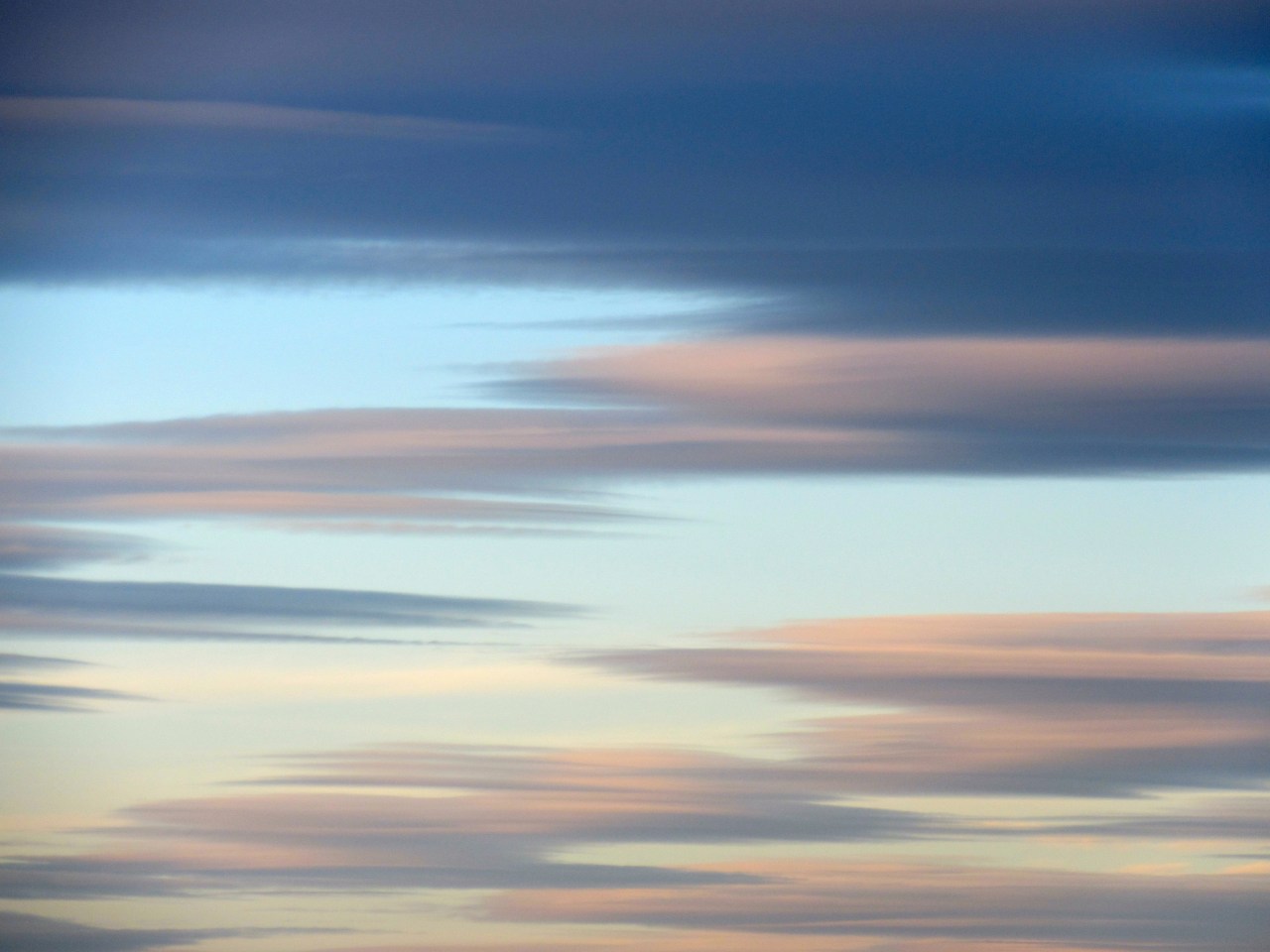
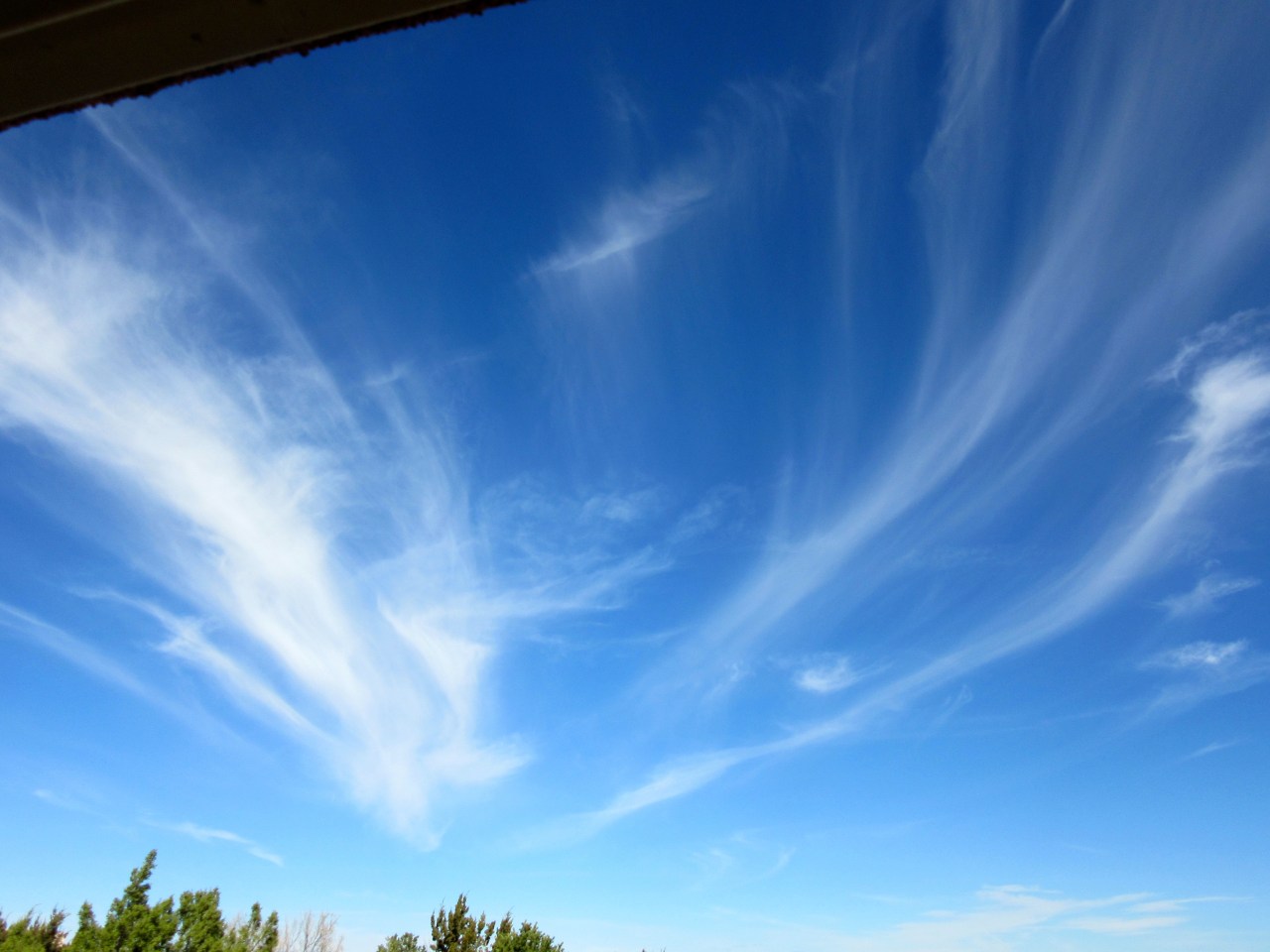 Here are the hands on my clock, clouds and light.
Here is the sky I photographed last night and the sky I photographed this morning as I rose late from bed, remembering that I had forgotten to move the hands on my watch, reminding myself as I tried to catch wispy clouds, “Spring forward, fall back.”
It is the same big sky, though, and the time really didn’t matter.
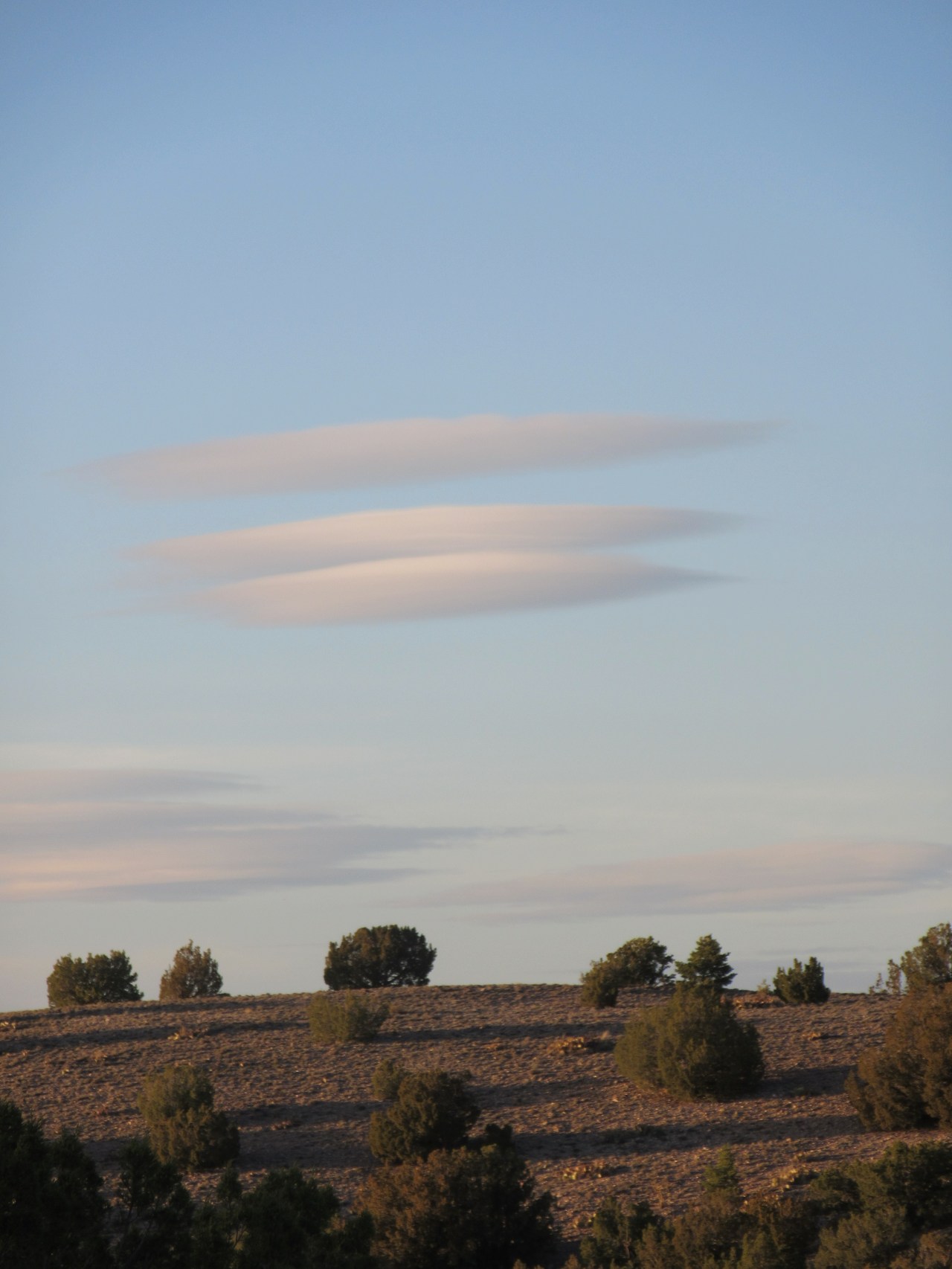
My head has always been in the clouds. I am a lifelong day dreamer, too philosophical for any practical good. I could have gotten a Ph.D. in window gazing, except that my dissertation still has a shaky beginning and an uncertain end. My first thought today, after a mental walkaround of self and dog, was about the form of these ethereal clouds.
I am still trying to spring forward, reaching for intellectual discipline, instead of falling back into drifting clouds. But I am also stuck with me.
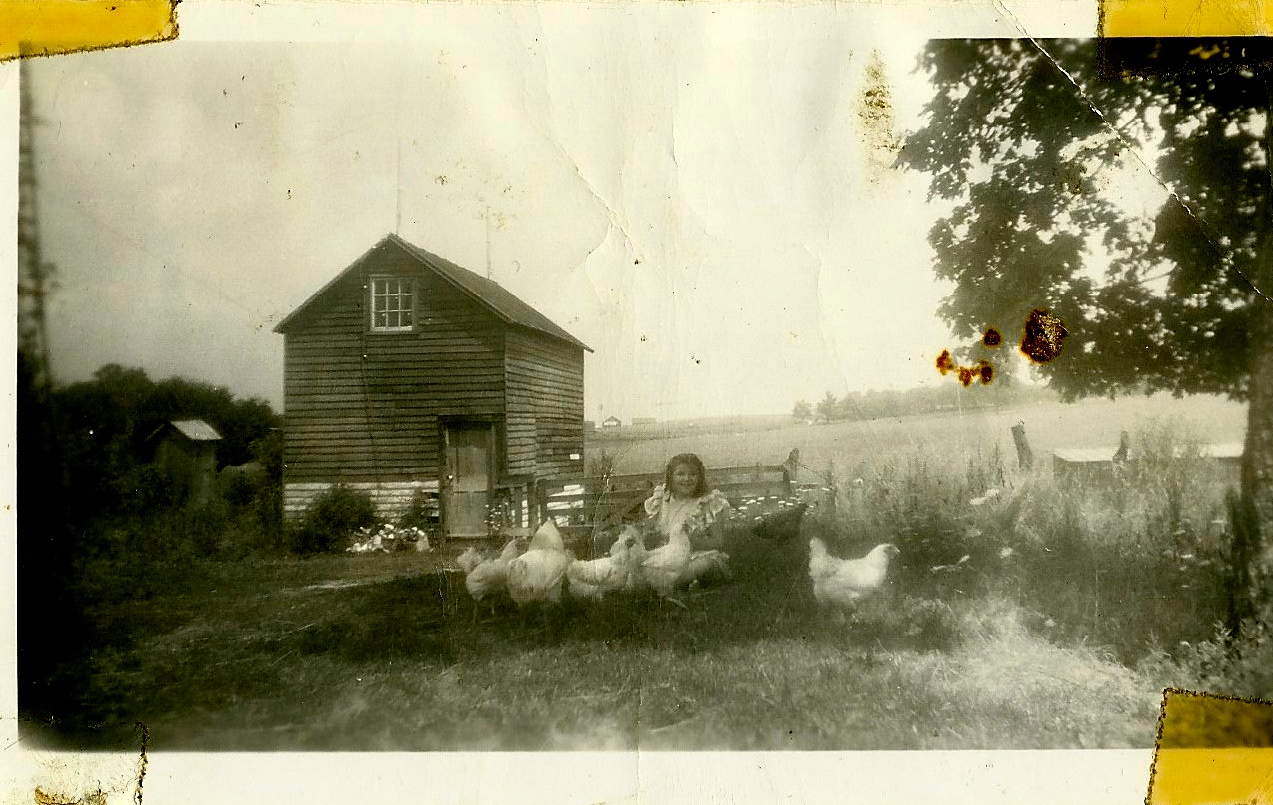

Going through old photos again and what do I come across?
More chickens. This time they’re on the Robertson side of my family.
This photo of my aunt, Barbara Carol Robertson, was taken in the 1930s on Burg Street on the outskirts of Granville, Ohio.
Barbara had what we call these days developmental disabilities. She was non-verbal until her death at age 66. But her family loved her and she lived at home until my grandmother, Ethel Robertson, died at age 92.
Barbara struggled with all kinds of things throughout her life, but she always loved animals and they always loved her.
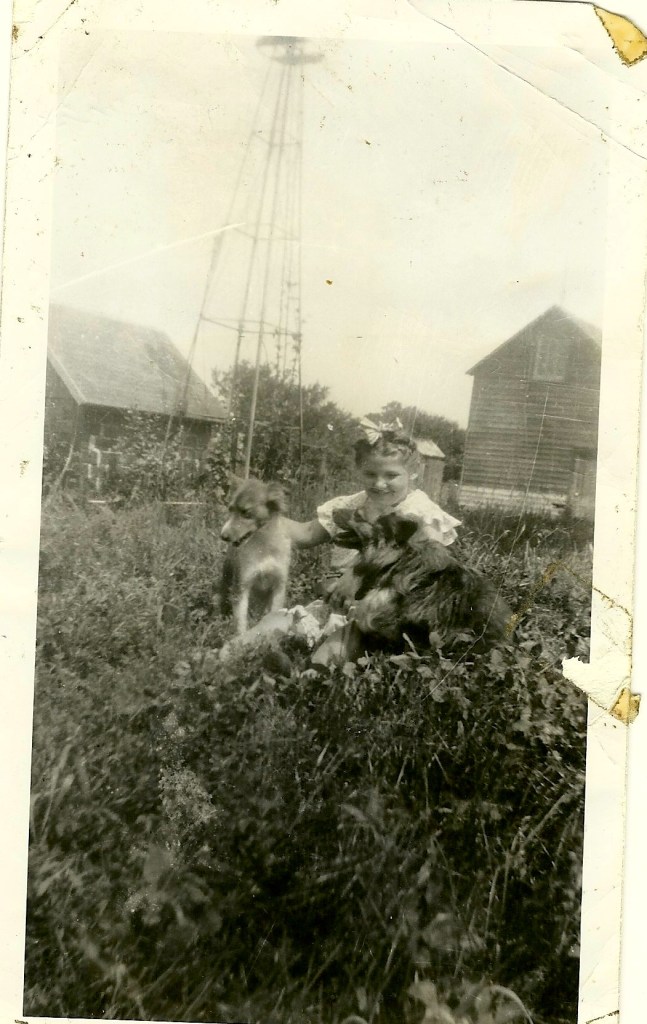
Another recurring themes in my family photo collection is dogs. No matter what side of my family, or which family member is represented, there usually is a dog in the photo.
Here is Barbara with two of them, identified as Jara and Blackstone, on Burg Street in Granville.
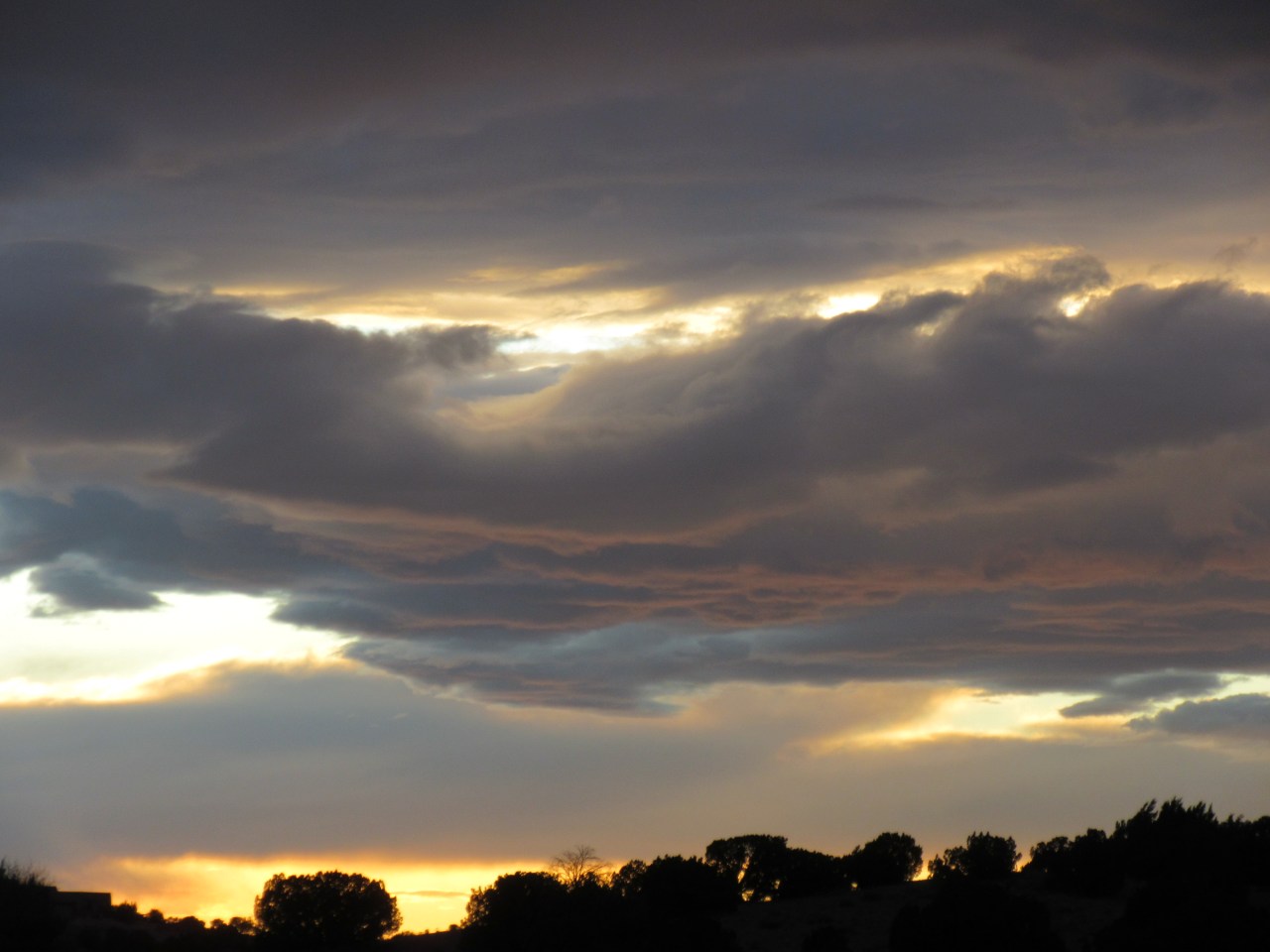
Rough day. Soft evening.
Super Monday. 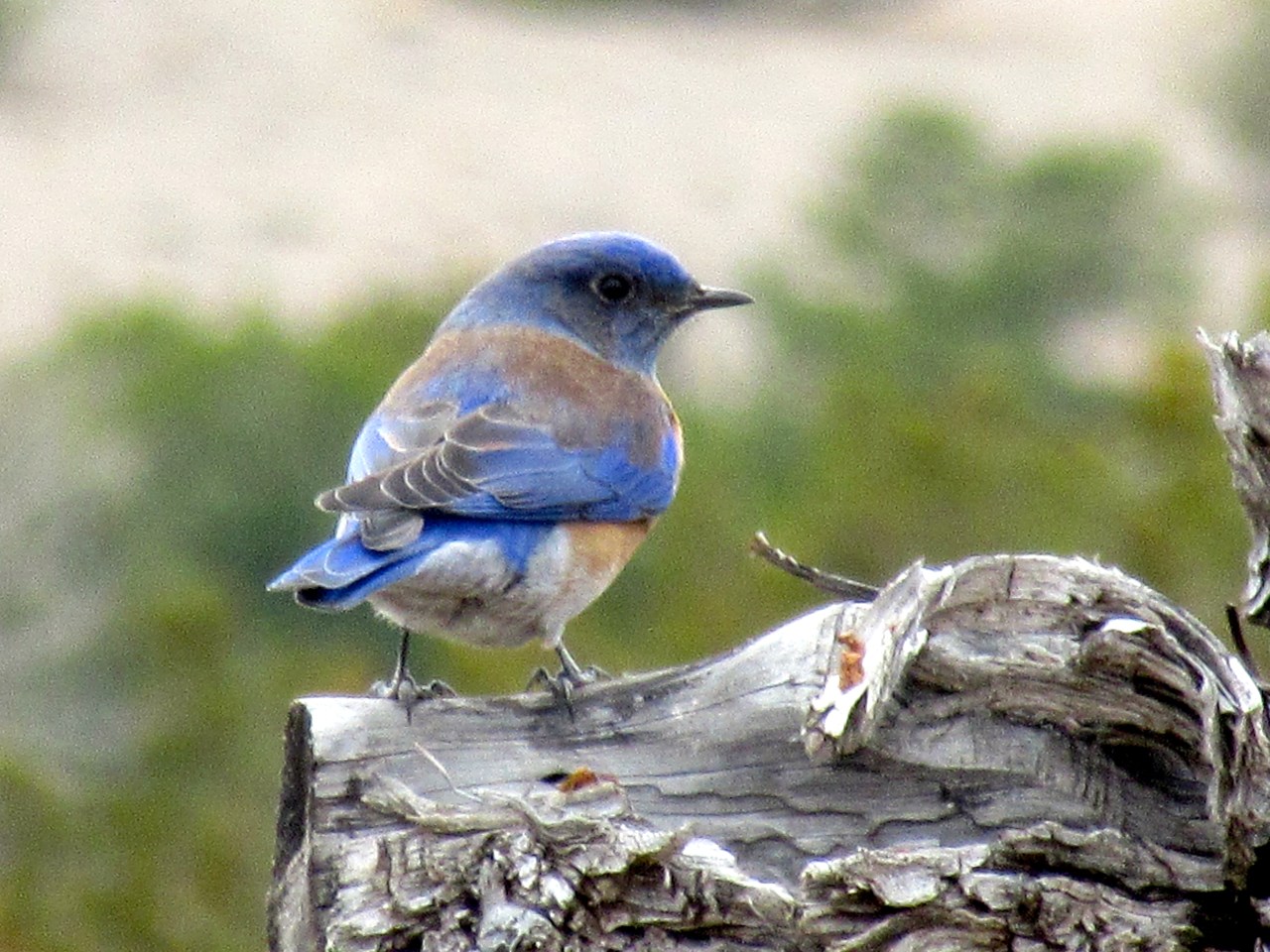 Super Tuesday.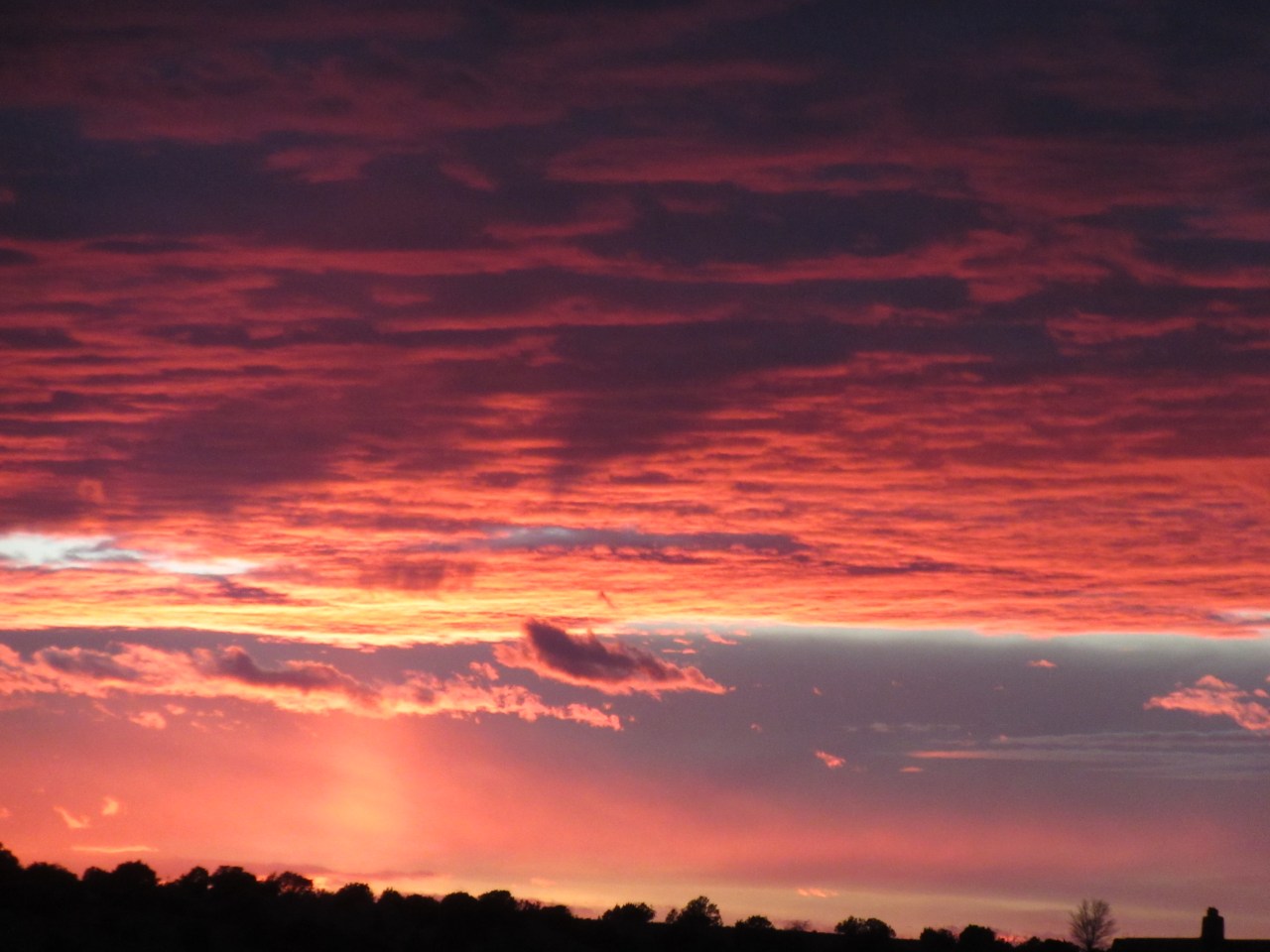

I woke as usual, running through a silent inventory of body and sky.
Is it clear as it almost always is? Are the limbs still working ? Am I ready for this day?
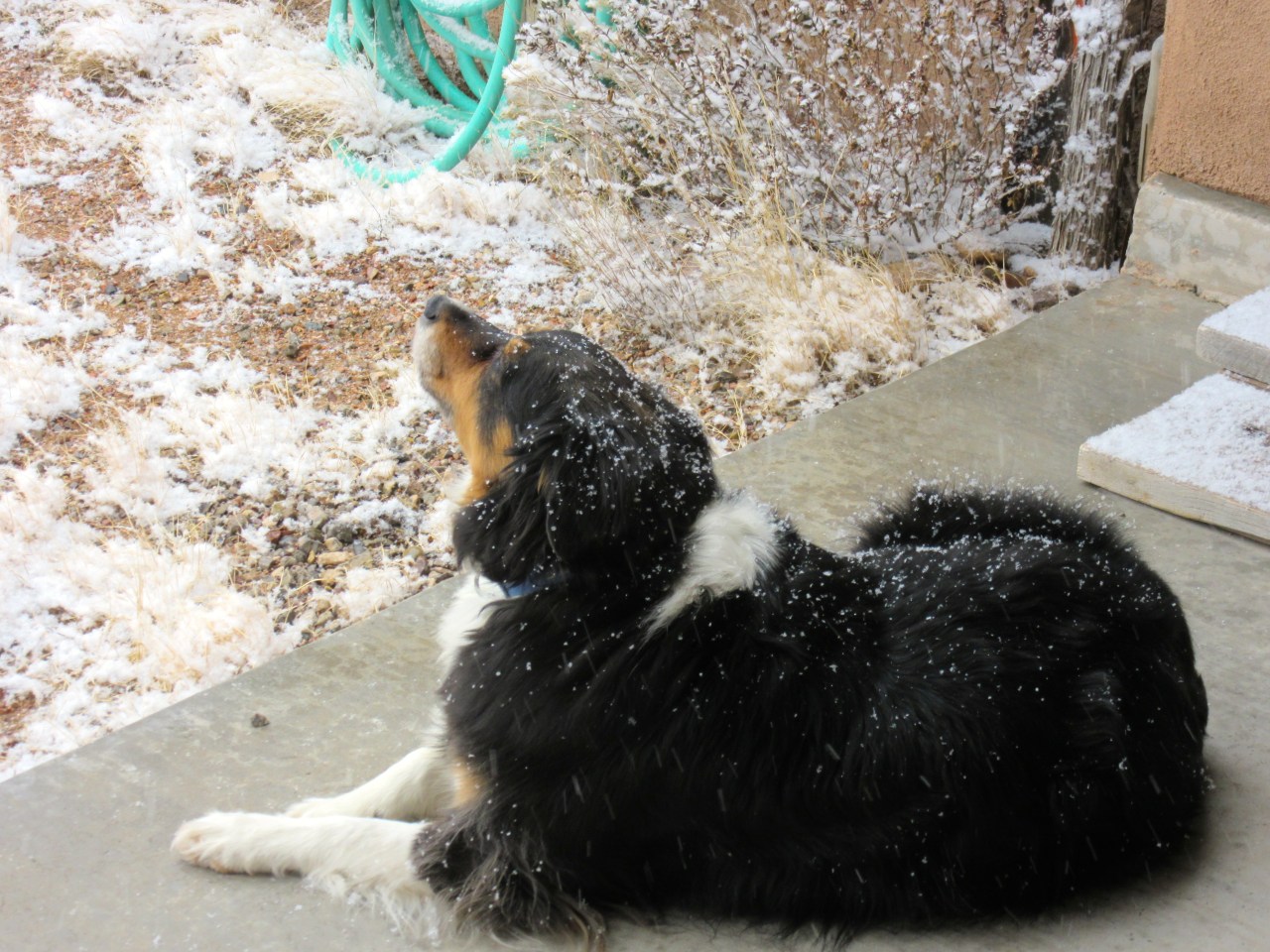
The sky seemed gray too late in the morning, after pink should have become blue. I squinted harder, seeing snow.
It’s been so warm, my first thought was excited: Snow in June!
No, as I wiggled a toe, rotated an ankle, lifted my hips, stretched my back, raised my head — all parts apparently in working order — I realized it was February as February should be.
It’s hard to grasp the scope of climate change. It’s hard to foresee the map of cancer cells.
But I went to the kitchen to boil water for coffee. Looking out the window for my old buddy Cooper, I knew it was another lucky day.

I have an obsession I’ll call clean-camp syndrome and it turns out that my habits might match the orderliness of the people who settled my birthplace at the start of the 19th century.
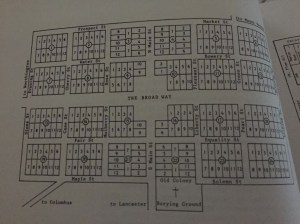
The founding families of Granville, Ohio, built the first cabin on the village site in November 1805, according to a history I am reading now. They built in the hilly, green country along the west branch of the Licking River, also known as Raccoon Creek, where nearly 150 years later I caught my first fish.
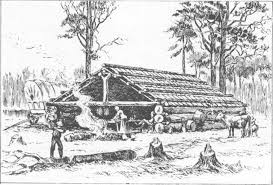
The second building, a log schoolhouse with neat, square-ended beams, sturdy roof, oil-paper windows and planed puncheon desks fixed to its walls, was completed in January, 1806. A library was completed the following year.
The first pulpit was the stump of the first tree they felled, this history says.
Some community members planted corn while others cut timber for buildings. An abundance of wild turkeys provided much of the meat for the first year.
There were plenty of rattlesnakes and wolves, but settlers were not deterred, drawn there by cheap western land after over-farming around their Massachusetts community of the same name. Granville grew primly, begun by New Englanders and looking like a New England town, church spires rising over a latticework of compact avenues among the hills and trees.
Their faith was Protestant, although apparently somewhat cliquish: The community was laid out with a central village square — now the intersection of Broadway and Main — with lots at each corner for a church of a different denomination.
I was baptized in a new Episcopal church one door away from the church on the southeast corner of the square, the new church reportedly being built after a feud over the propriety of working on Sundays. My congregational predecessors believed it was OK. To this day, I am proud to be part of a community, but also like to think of my identity as at least one door away.
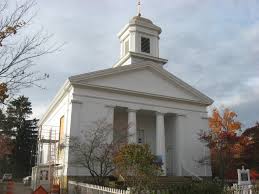
And here I am now, on a Sunday in New Mexico, reading Granville: Massachusetts to Ohio by Horace King, a late art professor emeritus at Denison University, doing some research for something else I’m writing.
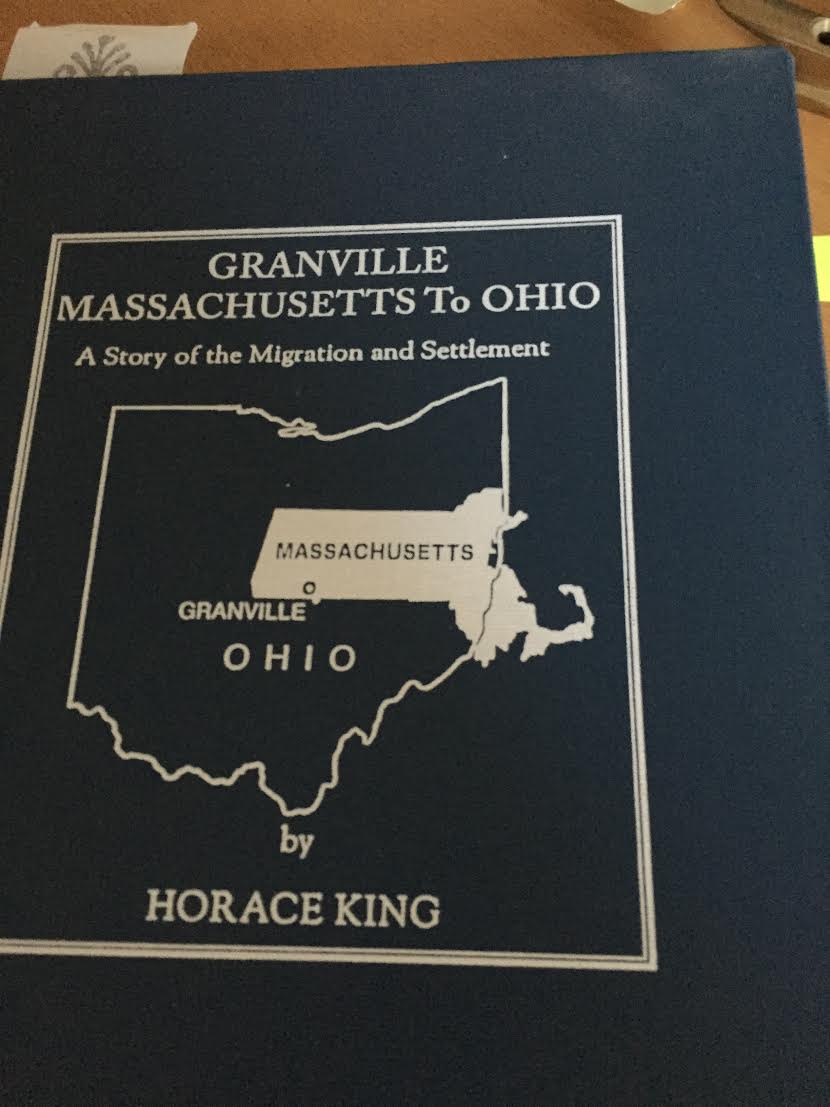 It’s easier to read about Granville than it is to return. It is too settled for me. My life hardly has been as neat and tidy as its founders made Granville, but I appreciate their self-determination and industry.
Clean-camp syndrome means that I am better off being a dream rancher than a real rancher because I could not ride out for a day’s work without worrying about falling corrals, sagging gates or peeling paint. Domestically, it is probably true that the Martha Stewart in me exceeds the John Wayne. And Granville is the beginning.
The first place I lived was in married student housing on the Denison University campus in Granville, where my father was an undergraduate. In 1949, the dormitory-like rows of post-war buildings were known as the Enchanted Cottages.
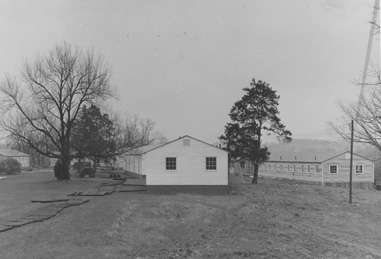
We lived in several places in Granville — briefly in the Bjelke home on South Main Street, on Pearl Street and the Kappa Sigma house on Broadway for part of a summer, when my father was both a brother and caretaker. All this was before the second grade, which meant a move to the less settled world of Las Vegas, New Mexico.
Granville is where I have my first recollections of smells, my first sense of words, my first sense of sadness because my mother insisted on reading “The Little Match Girl” to us on Christmas Eve.
It is the setting for my first and still recurring nightmare. I suspect my father, as a stunt, let the baby stroller roll free down a steep, curving, brick drive to the university, showing off by catching it before a crash.
It’s where I had my first crush, although the dalliance might have lasted only the length of a school bus ride. Her father ran either Taylor’s or Scott’s drug store, across Broadway from each other, and it’s unclear in my memory whether the crush was linked to dreams of special soda fountain access.
Granville, as I said, is where I caught my first fish, although it was returned to Raccoon Creek after swimming around for a while, confused, in my grandparents’ kitchen sink, just up the hill on Main Street. My father said it was a sucker.
It’s where I remember having my first soda fountain Coca Cola in a bell-shaped glass, sweating with crushed ice.
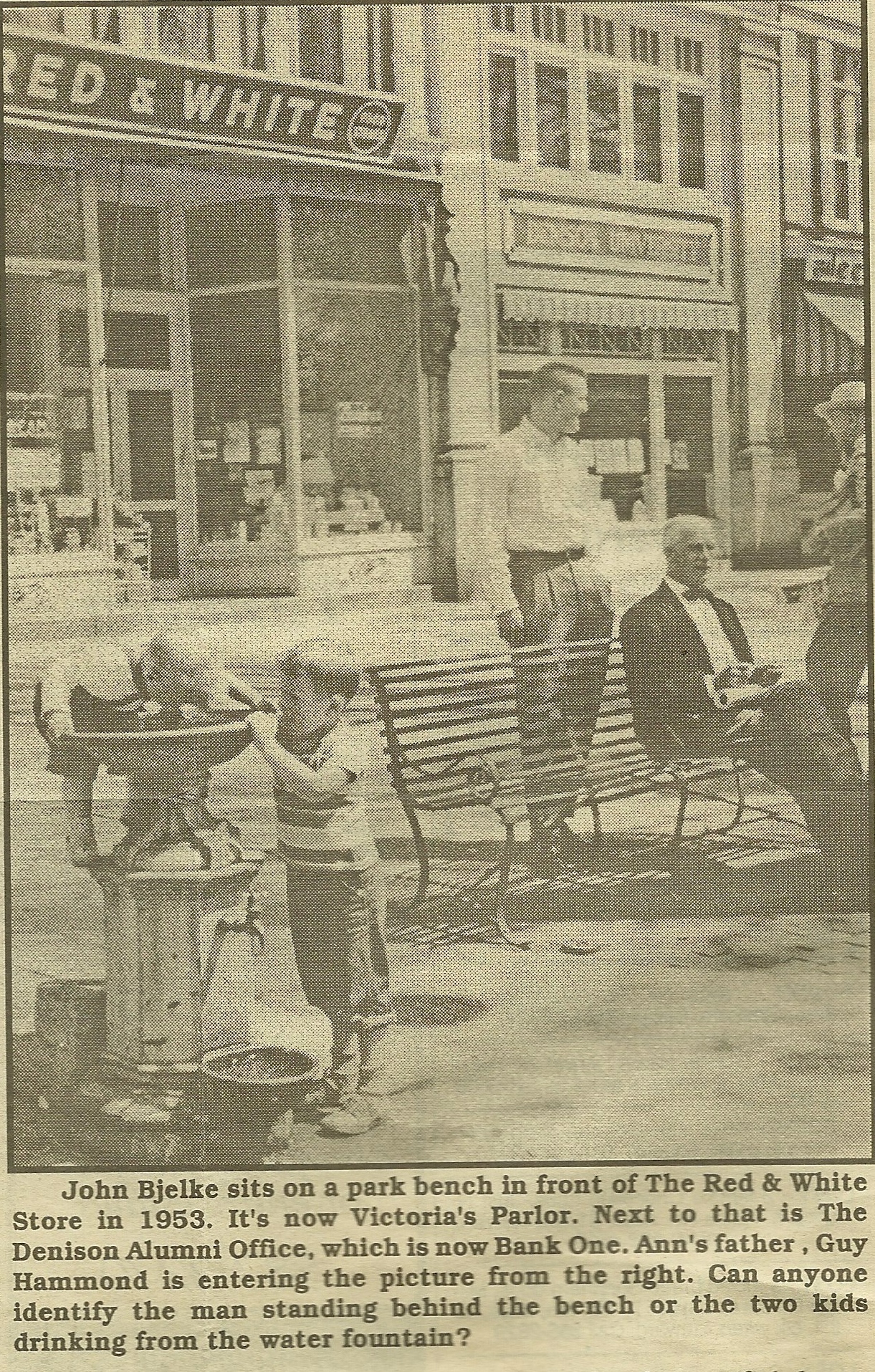
It’s where I wandered in the garden with my grandfather and a salt shaker borrowed from the kitchen, plucking fat tomatoes from the vine and downing them on the spot, like big, sloppy apples. That’s him below, John L. Bjelke, sitting on a bench on Broadway, near the intersection of Broadway and Main. His home and garden were a few doors down S. Main.

Granville is where I first glimpsed undercurrents of other histories when I was shown the secret doorway of an Underground Railway hiding place in the old fraternity house.
It’s where I first wore rubber boots and a yellow slicker in the rain; where I studied the Farmer’s Almanac, suspended by a string in my grandfather’s lavatory, down near the coal chute in his basement; came to know Camel cigarette packs and Rotary watch chains; where I slurped brassy-tasting water from green, iron fountains on Broadway; where my grandfather would put pennies in glass-topped machine to give us handfuls of salty, shelled peanuts on the porch of the feed store by the railroad tracks, leaving me with a lifelong association of peanuts, rabbit pellets, diesel fumes and Ralston Purina; where I first fancied fire trucks; poked oak logs in a brick fireplace; turned up my nose at anchovy paste; learned to play Mumblety Peg.
And I am lucky I did not become Wimpy, because it also is where I first smelled fragrant hamburger grease, wafting over the sidewalk from a small diner’s ventilation fan on the Main Street side of the Opera House.
It is where I first heard stories, told by my grandfather, read by my mother; and poetry, metrically, from my deep-voiced father.
It’s where I first sledded in winter snow, careening belly-down, nose-first past the 19th Century graves of the Old Colony Burying Ground.


 dreamranch