Sometimes we can see things more clearly from the hinterlands. Here are some important reminders that came to me as I followed Washington political coverage this week.

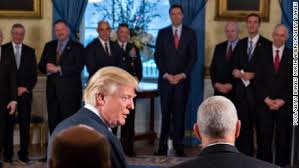
  1. Do not dine with Donald Trump.

2. Do not wear a red tie if you are 6′ 8″ tall and trying to disguise yourself with a blue drape.

comeydrapes

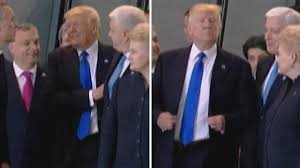
3. Watch out for jostling when nearing cameras at diplomatic summits.

trumpnato

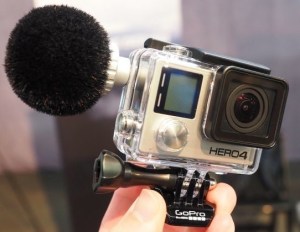
4.  Strap one of these to your forehead for that next meeting in the Oval Office.

sennheiser-gopro-hero-0-980x420

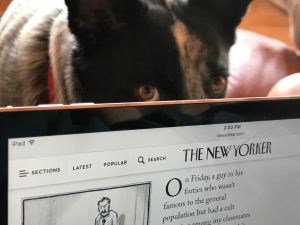
cowboynewyorker

Donald Trump is ruining my fiction-writing career.

As if it had ever really gotten started. I retired two years ago to exchange my journalism credentials for a license  “to make it all up.” Then came Trump.

Every time I got cranked up on a great American short story, or got another personal essay out of the way to clear the decks for “real writing,” another plot would thicken in Washington.

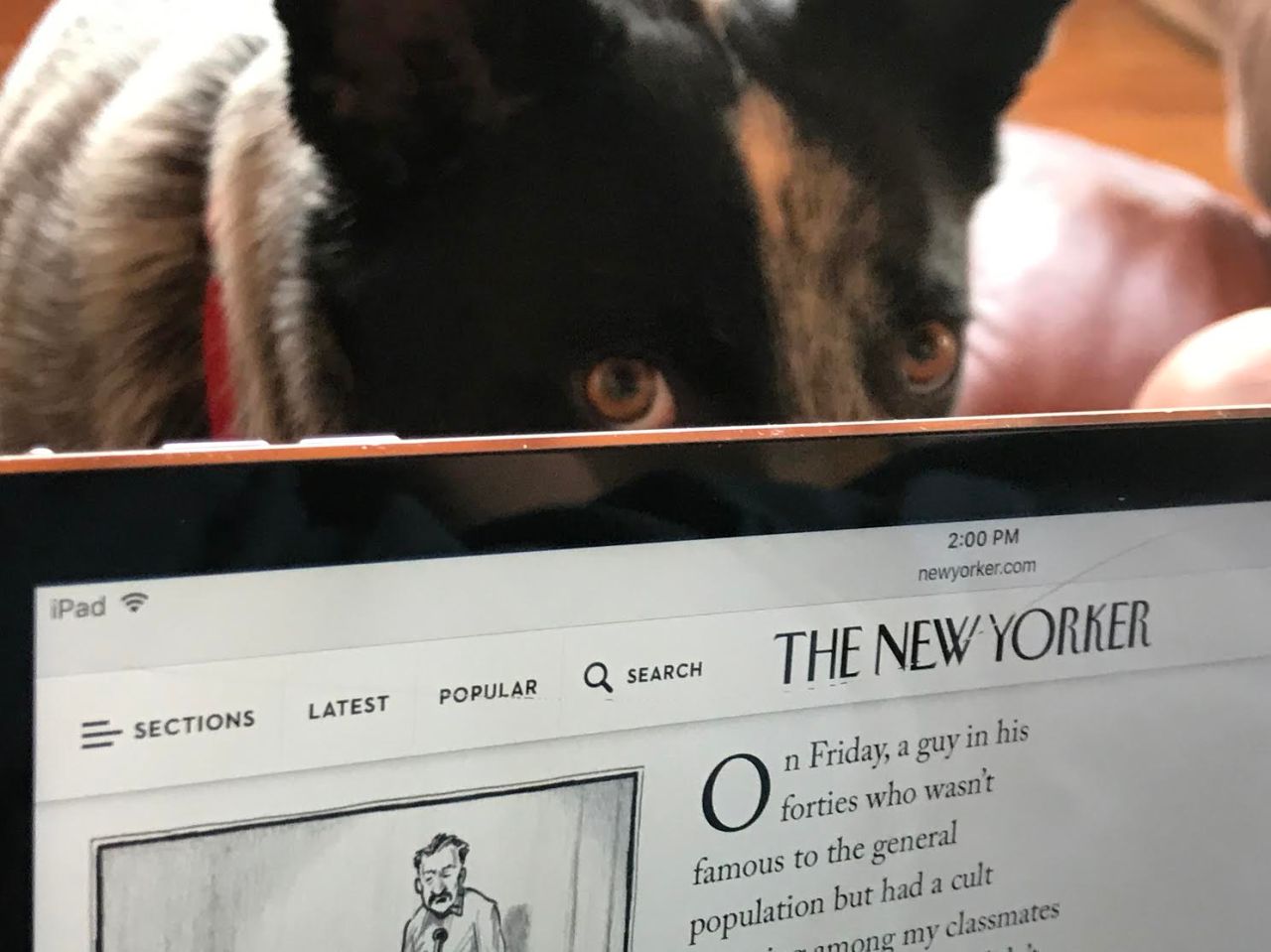
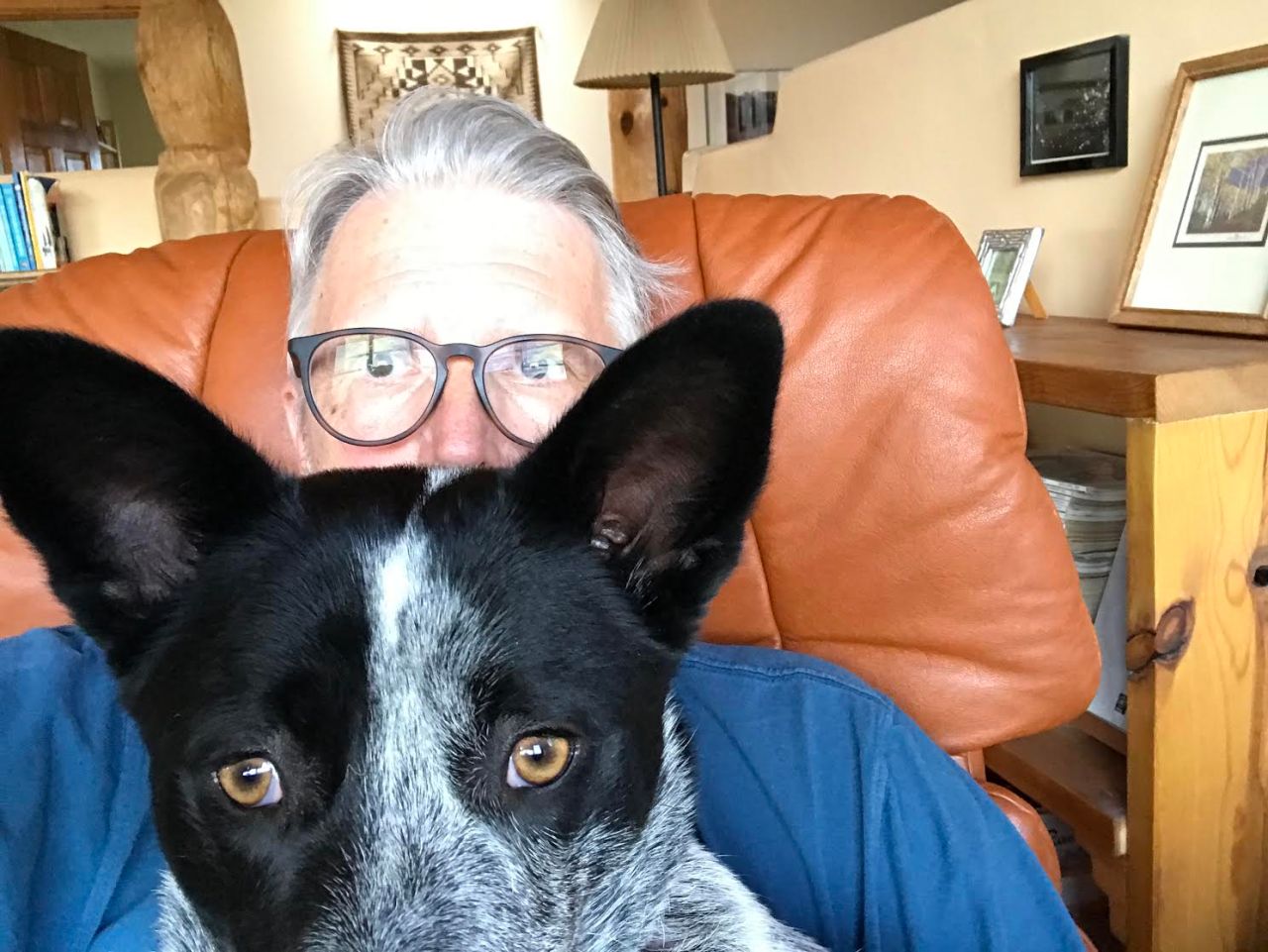
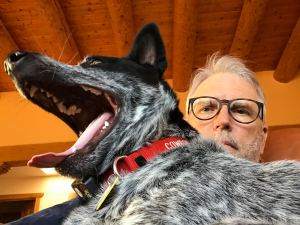
Real news trumped my imagination. “Making it all up” became a bitter accusation. I have been glued to CNN for the better part of my golden years, muttering cliches; my dog, Cowboy, puzzled by my frequent outburst: “You CAN’T make this up.”

johnandcowboy

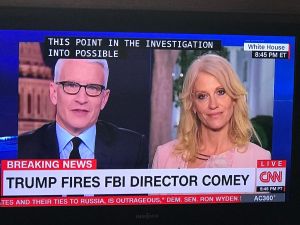
Currently, I am on the edge of my seat waiting for former FBI Director James Comey’s testimony before the Senate Intelligence Committee on Thursday. I know it probably will be like a popular TV series finale: Comey will suddenly stop volunteering information and clam up, capping a roller a blockbuster run with a redacted end.

cnn

It would be funny if it weren’t so scary. A smoochy-mouthed Trump, intent on embarrassing Comey by calling him out of the drapes and forcing him to cross the Blue Room of the White House for a public hug, was a scene worthy of Mel Brooks and “Blazing Saddles.” All that was missing was Trump wearing a gold-flocked bathrobe, emblazoned with the word “Prez.”

I don’t know. Maybe Tom Clancy could have done something with it. But the high-tech weaponry that provided so much of the spice in Clancy’s novels has turned into world of bloodthirsty partisanship, subversive hacking skills and “alternative facts.” And, between bad guys overseas and amateurs in the White House, the stories keep coming.

To me, it seems there is little, if any, time for literary recovery.

So, as the Trump administration continues to thwart my plot development, I am reduced to being an occasional Tweet stormer and armchair critic of TV pundits.

And when I’m not thinking about my inability to write about a viler version of Eddie Haskell becoming president, international money laundering or promises of more sympathetic policies in exchange for stolen digital dirt on a campaign opponent, my friends know all too well that I have succumbed to iPhoneitis and inundated them with pictures of dogs, flowers and sunsets.

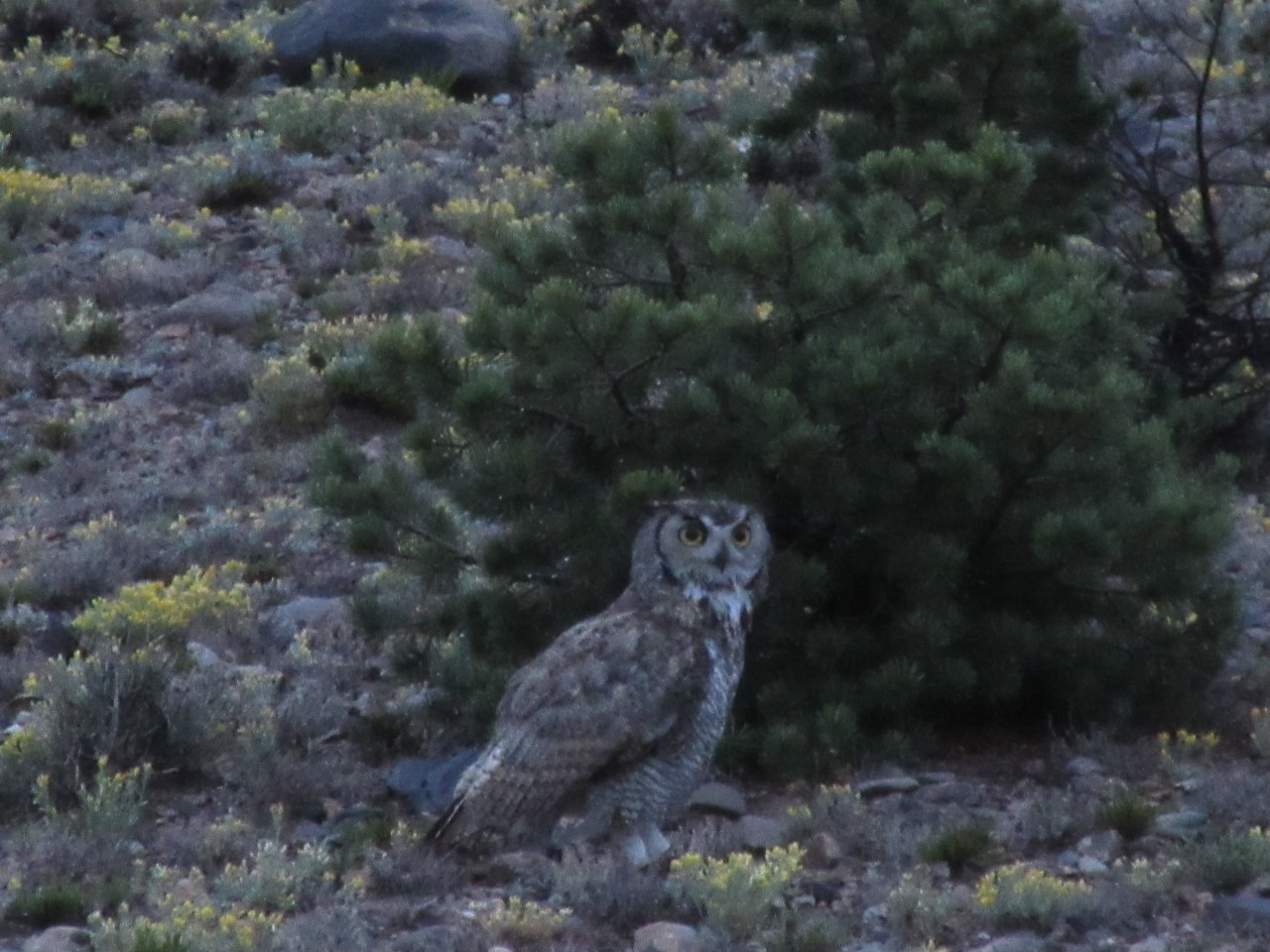
IMG_9825


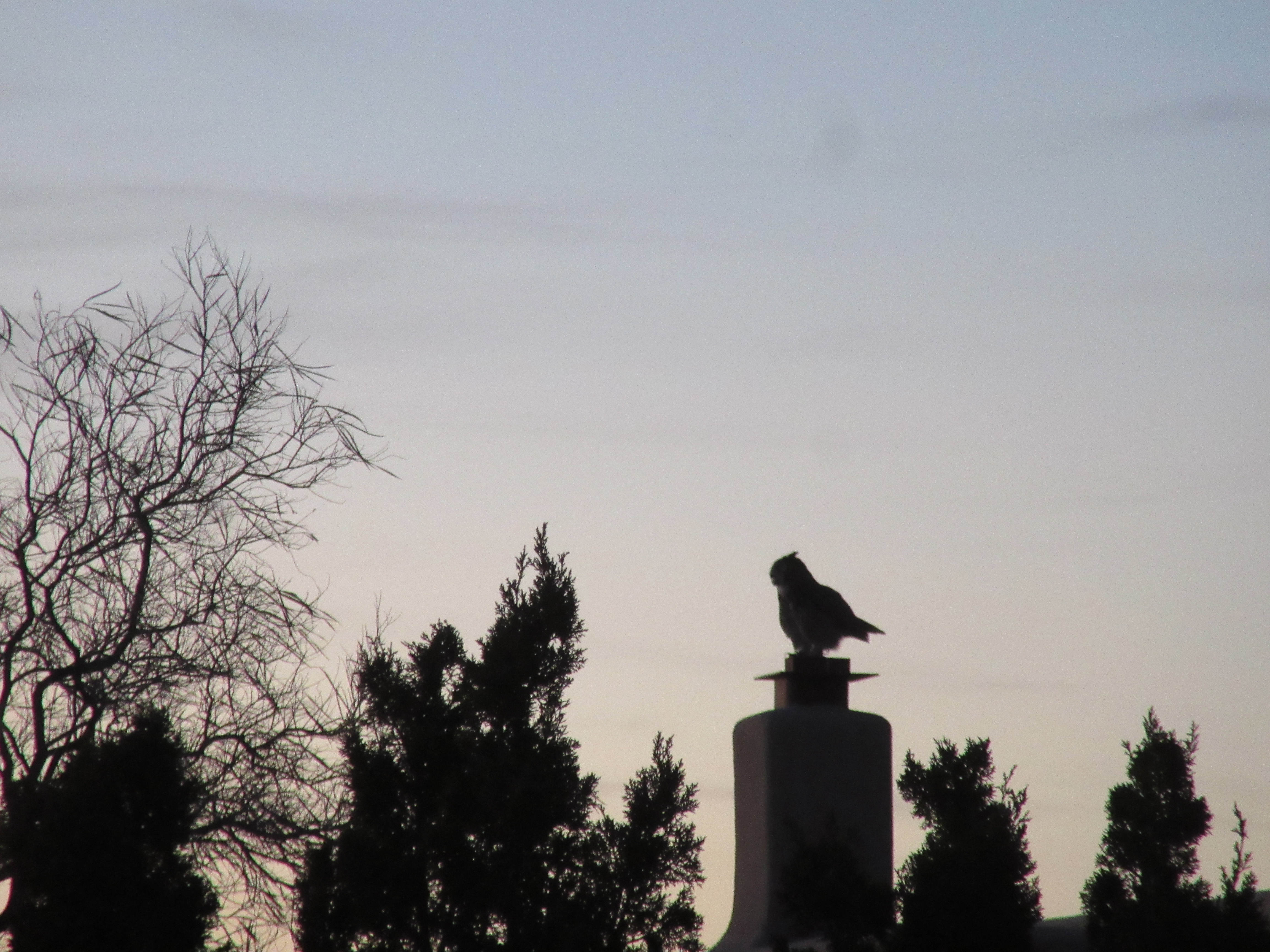
This Great Horned Owl, I think it was, seemed sure dinner or something of equal interest was under this tree. It was raining lightly, but he swooped down from 75 yards away to investigate. He circled the little piñon for something like 15 minutes. The photo at the lower left shows his reaction when he finally stuck his head into the branches. He circled some more but ultimately backed off. After the owl left, I didn’t feel like poking in there either. And for the owl, I’m sure it was just the evening’s first act.

Owls apparently are less wary of guys in funny hats than what strikes back at you from under a tree. Here are few more shots, out of sequence.

unnamedcowboyyawningThe trouble with blogging is that many mornings I wake up and realize I would be better off keeping my mouth shut.

My 1-year-old Appaloosa-bobcat-coyote dog Cowboy doesn’t have much use for my deep thoughts anyway.

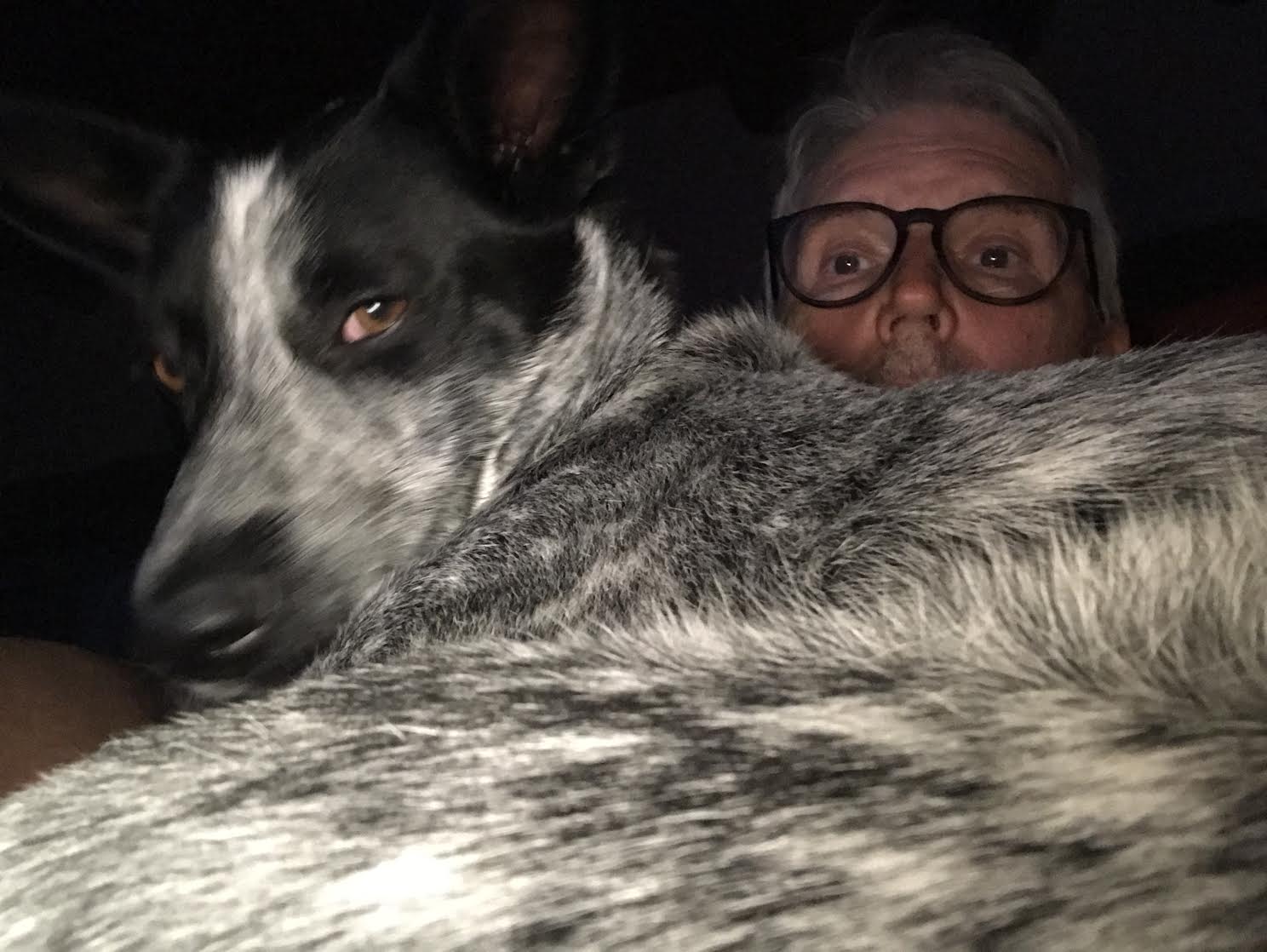
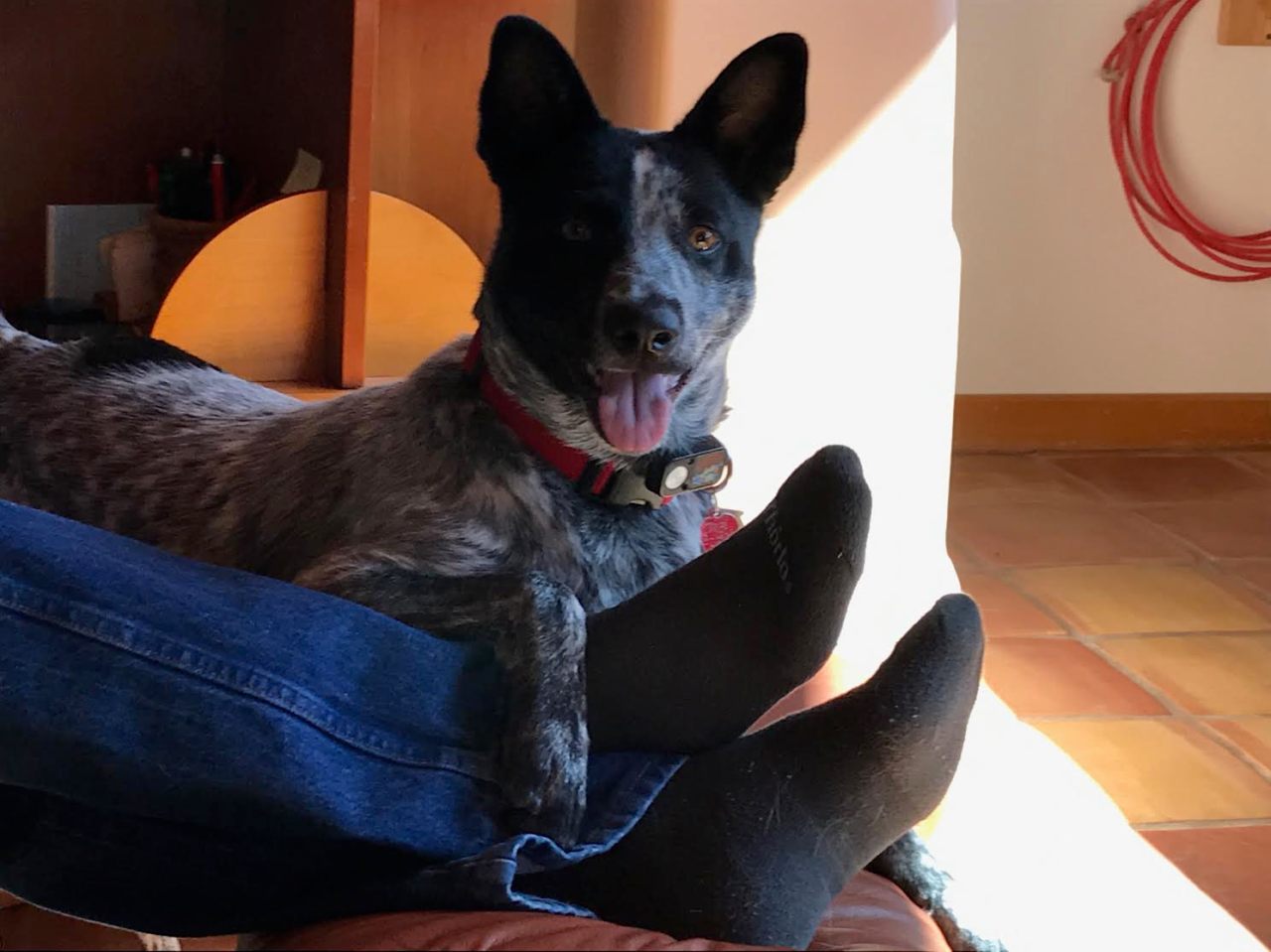
But as long as I am on the subject, I will say for the record that, while friends told me he would stick close, no one told me that also meant lap dog. He seems to think his reward for a day of  high alert is joining me in my easy chair when the sun goes down. Or maybe it’s just a way to keep me from typing.

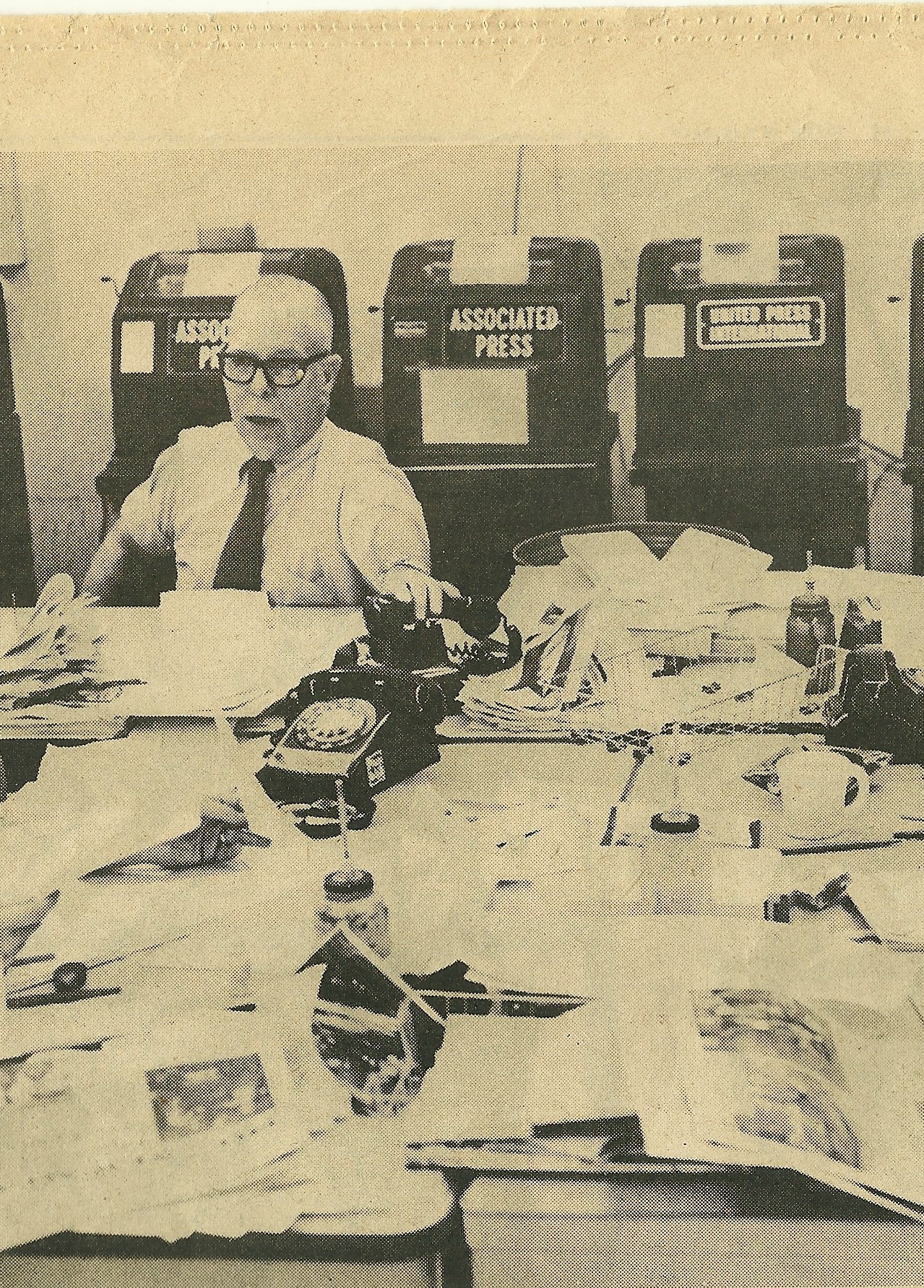
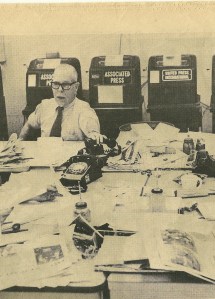
John Bott, editor, in the Santa Fe New Mexican newsroom, 1974.

I fear what would have happened if I’d walked up to the editors in my first newsroom and told them I was filing a nuanced story.

This was over 40 years ago, and odds are that a curmudgeonly copy editor — the one we relied on to make up for all our grammar, spelling and syntax gaps — might have been the only person in the room to know the meaning of the word nuance.

I certainly didn’t at the time and I’m still not sure about it now. My usage here is hypothetical. But imagining the vetting of a story at the last paper I worked, I suspect the libel lawyers would be leaping if a nuance came into view.

I have no problem then or now with magazine and Sunday stories, or what we more often called features, and we, too, were reading and admiring the “new journalism” of the day. Even so, heaven forbid in that small town newsroom of the 1970s that I should say I was filing a “long form” story or a “deep dive.” I think I would have been directed to take a dip in the recently filled Cochiti Lake.

All I know is that a crusty New York Post veteran, who gave this former paperboy, dishwasher, firefighter and bartender his first newsroom job, once saved a hole on a page and gave me a deadline to file a breaking story. Once filed, the story would be edited in bare minutes with fast strokes from the editor’s thick pencil and then be shoved through a tube to the composing room. Any delay on my part would make the copy desk, composing room and pressmen late in their co-equal parts of the publishing sequence. I wasn’t dictating the story on a pay phone as I sometimes had to do — although I had learned to always carry quarters — and I took my time polishing my copy at my typewriter in the office. I filed late and long.

This former big city editor, John Bott, who had started in the business as a copy boy on the Post’s “Lindbergh desk” in the 1930s, had semi-retired to Santa Fe in the early 1970s. Though he still worked six days a week and called in on the seventh, disdaining an office to command The New Mexican from the head of the newsroom, he now was leading a paper whose circulation was around 20,000. Half of his staff, including myself, might be called kids. I was a bartender when he hired me and had no college degree. One of my best friends in the newsroom also had come from behind a bar and another Bott had hired at a cocktail party, although they did have degrees.

Chewing menacingly on his cigar stub, Mr. Bott didn’t look at me as I presented my past-deadline story, much longer than the prescribed hole.

“If this was a real newspaper, you’d be fired,” he growled.

I still tremble at the words.

My biggest laugh in the Billy Wilder-Jack Lemmon-Walter Matthau version of “The Front Page” (1974) is the scene where impatient editor Walter Burns looms over the shoulder of reporter Hildy Johnson, on whose story he is waiting, and asks him what he’s doing. Hildy says he is polishing the second paragraph. Burns replies, “Who’s gonna read the second paragraph?”

I ran into not-so-subtle editor reaction even at the weekly Santa Fe Reporter, where I worked later. The tension was palpable, to say the least, as I sat in editor Dick McCord’s dark, cramped and jumbled office while he edited a needed story I had filed past deadline. He was running the copy through his typewriter, firing questions at me as he went. When I tried to explain the nuances of a probably clumsy sentence in a story that we both knew was not well done, Newsday veteran McCord snapped, in words that still sting, “We only have time for ‘yes’ or ‘no’ answers.”

My first interview with a really famous person was with retired General of the Army Omar Bradley. I was in awe, for one thing, and I succumbed to the fundamental newspaper flaw of wanting to be a writer more than a reporter. I stayed up all night in the New Mexican newsroom trying to write my story for the then-pms paper, filling my trash can with reams of crumpled, typewritten paper. At something like 7 in the morning, I walked up to the city editor’s desk. Gently laying the story into his copy basket instead of giving it the usual toss, I mentioned I had worked on it all night.

The city editor glanced at the first take for a second or two, looked up and me and said, “For this?”
I dreamed of barbecue in 1978, not because I craved it but because I often ate it three meals a day.

It was a governor election year in New Mexico and there was a heavy-duty contest between two native-born ranchers, Bruce King and Joe Skeen.

Both men were big, burly New Mexicans with hands like fielders’ mitts and lurching walks that drugstore cowboys couldn’t hope to imitate. Television advertising was a rarity and candidates drove and flew around the state, drawing crowds with free food and winning votes by remembering first names. Reporters like me, for the Santa Fe New Mexican, Tim Orwig of the El Paso Times and Ollie Reed of the Albuquerque Tribune tagged along.

And barbecue, as much as the candidates, seemed to be the drawing card on the campaign trail.

Scan 41

I’m not sure whether the best barbecue I ever had was put on the by the Gares brothers on the Portales courthouse lawn on a muggy fall evening or at an even bigger deal in Carlsbad, where the barbecue came in a rolling, 20-foot long sheriff’s posse smoker with twin stacks. I think I might have followed the thing as it was towed down the road by a crew of barbecuing pros, smokestacks spewing that sweet scent of wood-scorched beef. The smell was magnetic even if the rig was a traffic hazard. And usually it was  King Brothers’ beef I was smelling. At least that’s what Bruce King said. And he did win the election.

Everywhere we went, King would tell the crowd to enjoy the King Brothers’ beef. He and brothers Sam and Don were pretty big in the cattle business in those days, with four or five outlying ranches in addition to the home ranch at Stanley, which was insulated against some of the ups and downs of the cattle business with corn fields, its own feed lot and motor pool. The King butane operation didn’t hurt none either.

I don’t know where Skeen got food for his events, although they tended to be a little more upscale than King’s, but I think it always was beef that was served, not mutton or lamb raised on his Roswell-area ranch. I know King’s tastes were slightly more wide-ranging than barbecue and that maybe his favorite place to eat in Santa Fe was Furr’s cafeteria — and not just because people standing in line were sitting ducks for a gregarious politician.

Here is more evidence of King’s broader culinary interests. Once on his Alamo Ranch, after a stop at a supermarket on our way out to look at cattle, we had baloney sandwiches on white bread, slapped together on the spot and washed down with Dr. Pepper. We were hunkered down out of the wind in an arroyo bank, overlooking Indian ruins just northwest of what’s now Rio Rancho. I had brought along a thermos of coffee and I can tell you that teetotaling politician was a fiend for the stuff. And it was there that he educated me in the old cowboy trick of using coffee, in lieu of milk, to wet your corn flakes. After he won election that year, I can remember going to a press soiree at the governor’s mansion that again featured cold cuts and — in a time when it was still standard for journalists to drink — non-alcoholic beverages. I can remember a friend in the buffet line ahead of me muttering, “Cold cuts and cold turkey.”

But my true food association with Bruce King was barbecue. Two beefy New Mexicans were running for governor in 1978 and beef, it seemed — even if Skeen was identified as a sheep rancher — was what was for breakfast, lunch and dinner.

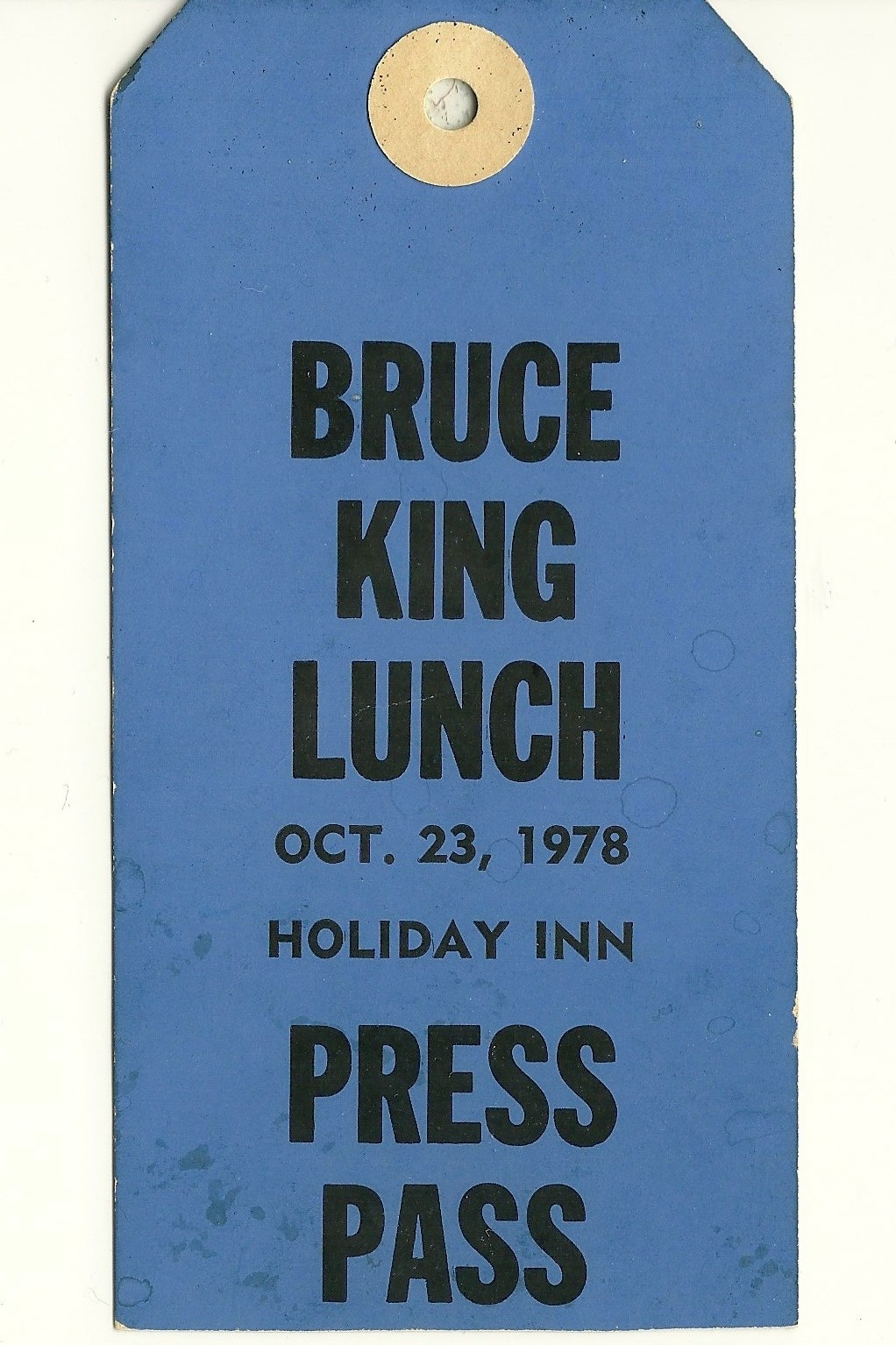
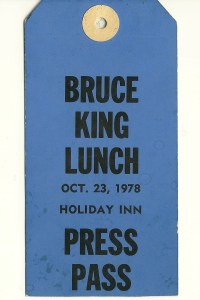
All of this came back to me when I was digging out an old “Bruce King Lunch” press pass to illustrate another story on my blog. The October 1978 press pass is grease-stained and I can only guess the stains are related to barbecue. I remember the passes were for an event at then-fancy-seeming Holiday Inn in Las Cruces and I remember Bruce King’s preface that day to his gubernatorial campaign remarks.

Before he got to the issues, he informed us we would be eating King Brothers’ beef.

Watching Gov. Susana Martinez’s angry-seeming vetoes as the Legislature tumbles toward an unhappy end, I am reminded that Gov. Bruce King could turn a rodeo into a pet show.

Scan 41It was no accident that the late “cowboy governor” called the state’s 112 lawmakers his “board of directors.”
Of course, King, unlike Martinez, had been one of them.

The Stanley Democrat served a dozen years in the House, and as president of a constitutional convention, before winning three non-consecutive terms as governor. Martinez, the career prosecutor from southern New Mexico, arrived as a Republican outsider, with no legislative experience, and seems to have kept her distance, despite having a former House leader as her chief of staff.

King was New Mexico’s all-around champion in political events, except maybe speechmaking. He sought to get along to the point of being mocked. But he also listened and enlisted lawmakers’ counsel. He vetoed plenty of  bills, including right-to-work legislation twice, but never was overridden.

This is not to say there weren’t legislative giants around who really set the legislative agenda, like Aubrey Dunn and Walter Martinez and Raymond Sanchez, or heavy-hitters like David Salman, John Conway, John Irick and Colin McMillan, really smart operators like Dick Minzner and C.B. Trujillo, Frank Bond, John Bigbee and Eddie Lopez and some certainly dedicated and probably brilliant full-time staff. But giving that “board of directors” tip of the hat to those part-time, citizen lawmakers helped keep the rodeo running smoothly for the better part of three terms.

Which reminds me of this, too. Larry Calloway, longtime former Associated Press writer, Albuquerque Journal columnist and editor, who rolled through Bernalillo and hunkered down at The Range with me the other morning, wrote this mighty fine piece shortly after King died in 2009.

Cowboy is a year old this month. This is sort of a birthday story.

He arrived here in August as a foster care tryout. We decided he should stay.

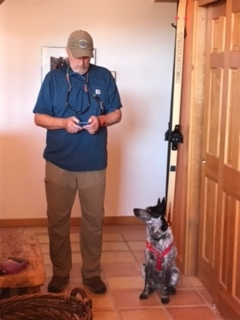
Here are some snapshots from his first seven months at dream ranch. And thanks to our neighbor Lori for the nice shot on the cover and the one lower of me texting.

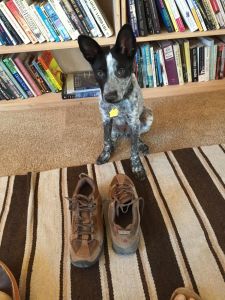
⇓ Sickly and scrawny at the start, but displayed early interest in shoes. ⇓

cowboy1

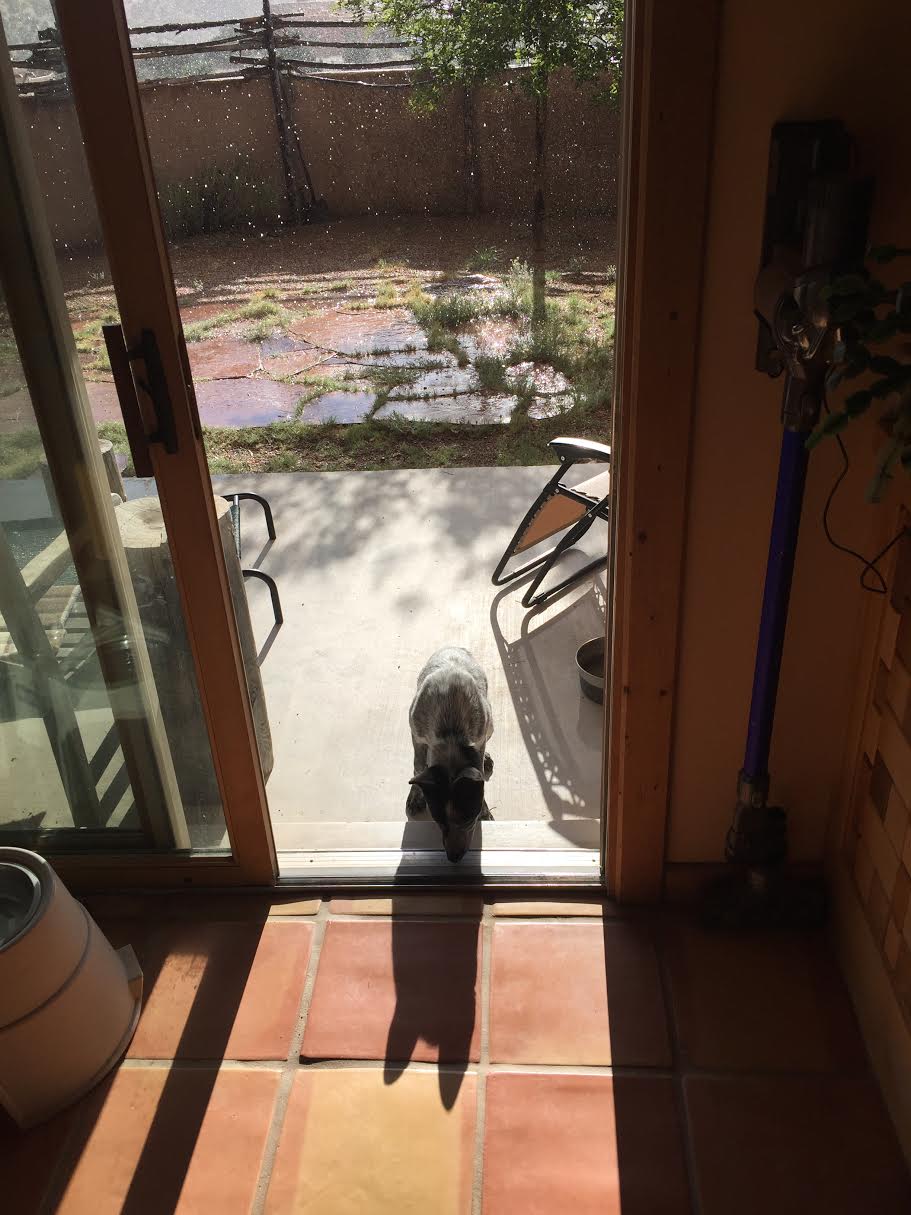
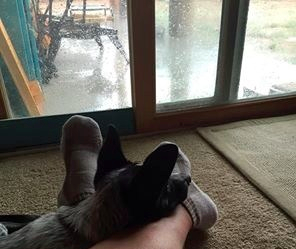
Foster-care youngster sold me on permanent residency status as we watched his first rain.

Cowboy first rain

Made sure the place was safe for habitation. ⇓

IMG_8445

Learned about bat signals. ⇓

cowboyshadow

Brought me things in the morning; helped me dress; took care of the landscaping; organized walks. ⇓

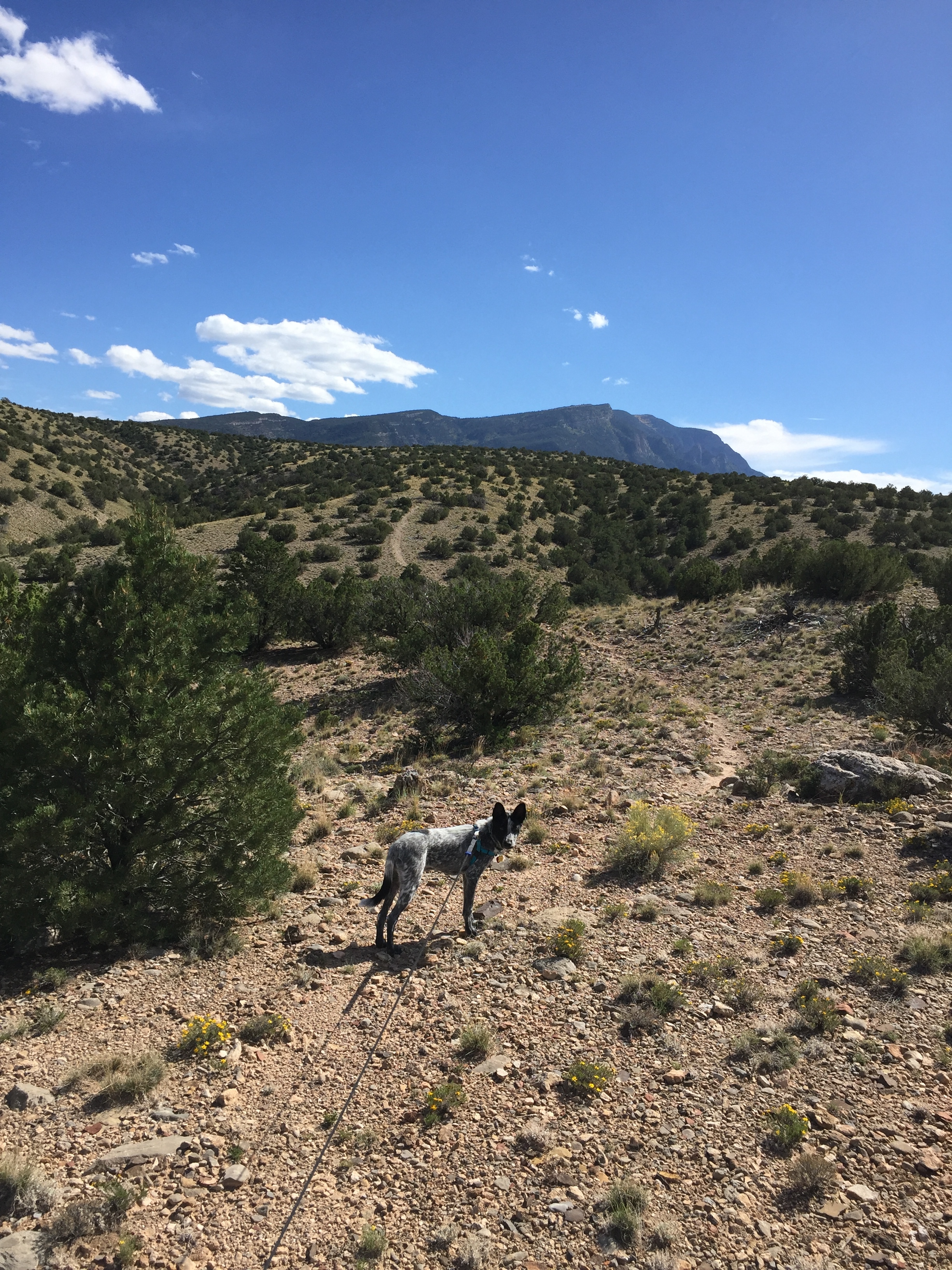
Dragged me up the hill. ⇓

IMG_9793

Gnawed on bones with Sara.

bones

Tumbled in town with Merc.

cowboyandmerc2

Waited on the boss. ⇓

IMG_0294

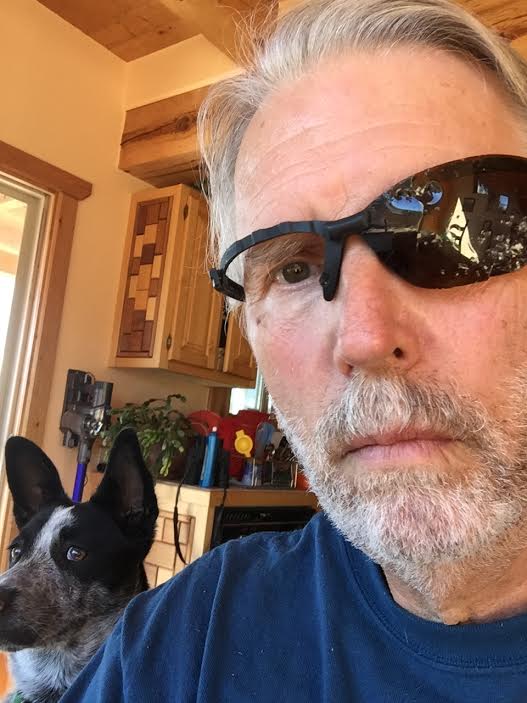
Conceded role in sunglasses mystery. ⇓

sunglasses

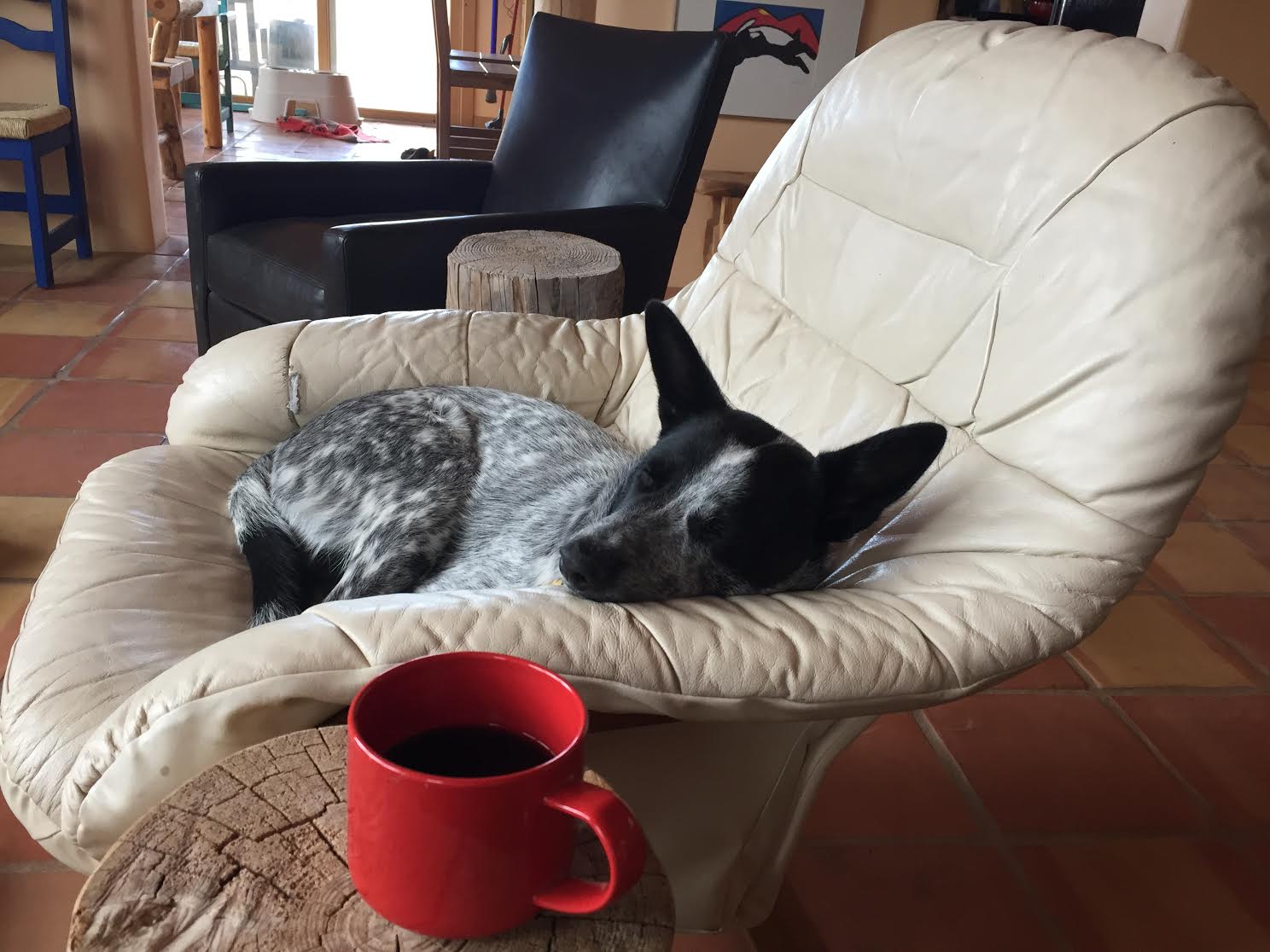
And generally, I guess, held up his end of the bargain. ⇓

cowboynappinginchair

Happy birthday, Cowboy.