I remembered this photograph of my grandmother, Ethel Robertson, while thinking of COVID-era hard times.

She was born in 1905 and died in 1997, meaning she lived through, among other things, World War I, the flu pandemic of 1918, the Great Depression and World War II.

She had her first child, Marcella Jean, in 1923 and Marcella was soon diagnosed with cerebral palsy. Next was my father, Bobbie Lee, who was healthy as could be. Next came Barbara Carol, who was autistic and non-verbal and had a lifelong tendency to pinch people, maybe when she was hurting and couldn’t otherwise explain. My grandparents cared for their two daughters, who remained at home, for more than six decades.

There were more ups and downs as the century wore on.

In the 1940s my grandmother and grandfather, Homer, Bob or Robbie — Pa to us — bought a two-story house with a root cellar and enough room around it for apples trees, a strawberry garden, raspberry bushes and early on a few chickens. My grandfather liked pie and often got a slice in his lunch bucket.

My grandfather was about to board a troop ship headed for Europe as World War I ended. Back home, he had steady employment at an oil refinery for 40 years. Company housing was a boon during the Depression. My father graduated from high school in 1946 — the first in the family, I think — and quickly enlisted in the Marine Corps, but thankfully for the rest of us, World II was just over. I think he went Denison University in part on a football scholarship engineered by a pre-Ohio State Woody Hayes, the Denison coach from 1946-48, who came to the house to talk it over in one of the family’s best-remembered days ever. Certainly not the least of the good fortunes, President Franklin Delano Roosevelt gave them Social Security. His portrait hung on my grandparents’ bedroom wall.

My grandfather, far right, and pals at Pure Oil.

I once found a few World War II food ration stamps lost in the back of kitchen drawer, the same drawer where after the war they saved S&H Green Stamps, which we grandsons would spend hours pasting into books for new kitchen appliances.

One bathroom in the new house, upstairs to boot, meant that until a groundfloor bedroom and bathroom were built, Marcella had to be supported up the creaking route to the second floor. She couldn’t walk but turned newspaper pages, laid on the floor, with her toes. The new downstairs bathroom also meant my grandfather arriving home from work could stop there, instead of the basement landing, before coming through the house. He worked on a cracker and the clothes he removed as soon as he got home smelled of crude oil.

Marcella Jean, my father and his
father, Homer Wilbur Robertson

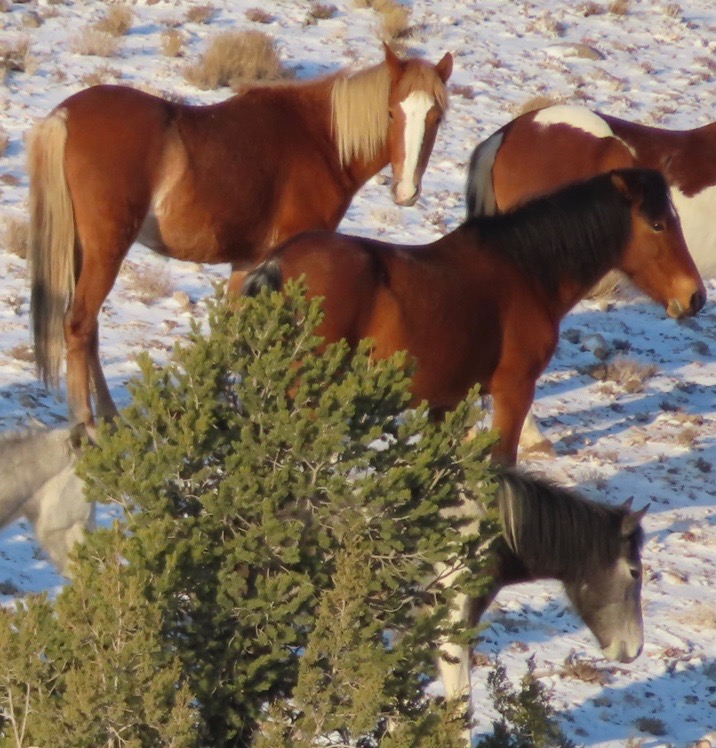
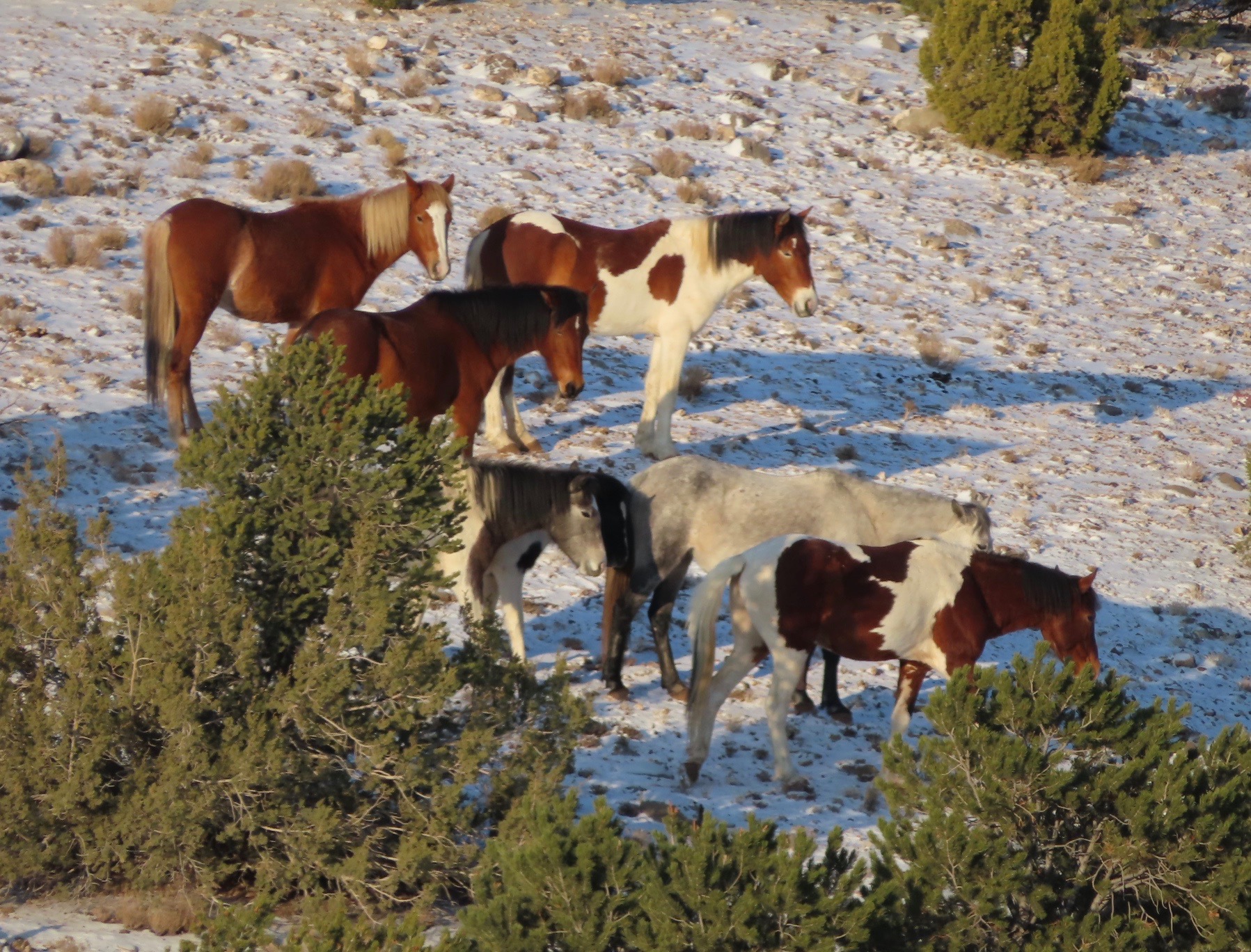
I vowed as boy to buy them an escalator as soon as I grew up, but I never came through. They moved to a one-level house in their last years. It bordered a farm and Marcella could sit in her kitchen swivel chair, where she kept my grandmother company most of the day, and watch the horses next door.

My grandmother had red hair and freckles and seemed always in motion. She didn’t stop until everyone else was in bed. In late night quiet, she could have a cup of coffee and a cigarette and read Reader’s Digest, Redbook or TV Guide.

They didn’t get out much because of “the girls.” I think my grandmother left Ohio only twice: once to the Mayo Clinic with Marcella and once to meet my father in Washington, D.C., when he had a brief leave after boot camp at Camp Lejune. I think my grandmother, who fed us all galore, made my father stand sideways in the Washington, D.C., photo to show how lean he’d gotten in the Marines. He had been a beefy tackle in high school.
Son’s furlough, 1947.

My grandfather was quiet. He loved going to his oil refinery’s Old Timers’ Day Picnic — and one of my best days ever was the time he took me — but he also would take the mostly shut-in family on Sunday drives and Barbara on trips to the grocery store, both in what always seemed to be a black Dodge or Plymouth. Barbara liked to wander the aisles and point at things, exclaiming about them in yelps and coos and one- syllable chatter that only her family could understand. I think we all had a chip on our shoulder about anyone who gave her funny looks.

My grandfather had a sinking left hip. I’m not sure he ever had the problem professionally diagnosed. As he grew more lopsided, more layers were added to the heel of his left shoe, not quite leveling him out. He had been a heck of company team pitcher. He liked baseball and crossword puzzles. When his time came at age 92, he put down his puzzle in the living room, limped to his bedroom and closed the door, turned on a ball game on the radio, laid back on the bed and died.

My grandmother outlived them all, except Barbara, finally wearing out at age 91. I still have misgivings about pushing her and Barbara into assisted living. The move made me feel better about her not going down the stairs to the shelves of canned goods and the washing machine in the basement. I worried less about her going on uneven ground into the backyard in the middle of the night to feed the birds. But the move did not suit her.
The unwelcome assisted living lasted less than year. Assistance from anyone but a tireless angel of a friend, Bonnie Householder, was turned down. My grandmother refused to eat in the group dining room and hated the tiny slot of a kitchen in the two-bedroom apartment.

Marcella and good friend,
Bonnie.

“I kept house for 75 years,” she protested to me.

That’s my brother Pat on the left in the photograph above, me on the right.

I think the photo was taken after my father’s death in 1995. He left a home on Canyon Road in Santa Fe to move back to central Ohio, where he had grown up and escaped from, to look after his parents and sisters. He and my stepmother had bought and fixed up the old lower Canyon Road compound after he retired as a Peace Corps administrator. Then, in Ohio, he died before his mother and one remaining sister.

I’ve been wondering why the old photograph of my grandmother with Pat and me suddenly came into my head. I guess I am impressed by her smile.

Here is another photo, — grandfather, grandmother, father and two sisters — taken during the Depression. The back says, “All five of us.”

For the birds:

johnrobertson@jrobertsonNM· There are scrub jays and titmouses, (Yes, pundits say that’s the plural), and I usually root for the titmouse.

johnrobertson@jrobertsonNM· Still reeling from @nytfood‘s latest Brussels sprout recipe, I am going for a walk.

johnrobertson@jrobertsonNM· And, yes, I read the @newrepublic piece on the Supreme Court and standing before leaving. (All the pandemic stuff, too).

johnrobertson@jrobertsonNM PS: I am a very stable tweeter.

PPS, perhaps wisely off Twitter: I love both jays and titmouses and hope titmouses will be gracious if they inherit the earth.

PPPS, again perhaps wisely off Twitter: If I had the nerve to challenge the New York Times food editor, re this morning’s Brussels sprouts recipe, I would say that cooking things with lots of garlic and balsamic vinegar seems to make things taste a lot like garlic and balsamic vinegar. But, not being a fan of Brussels sprouts, I appreciate suggestions for concealing their identity.

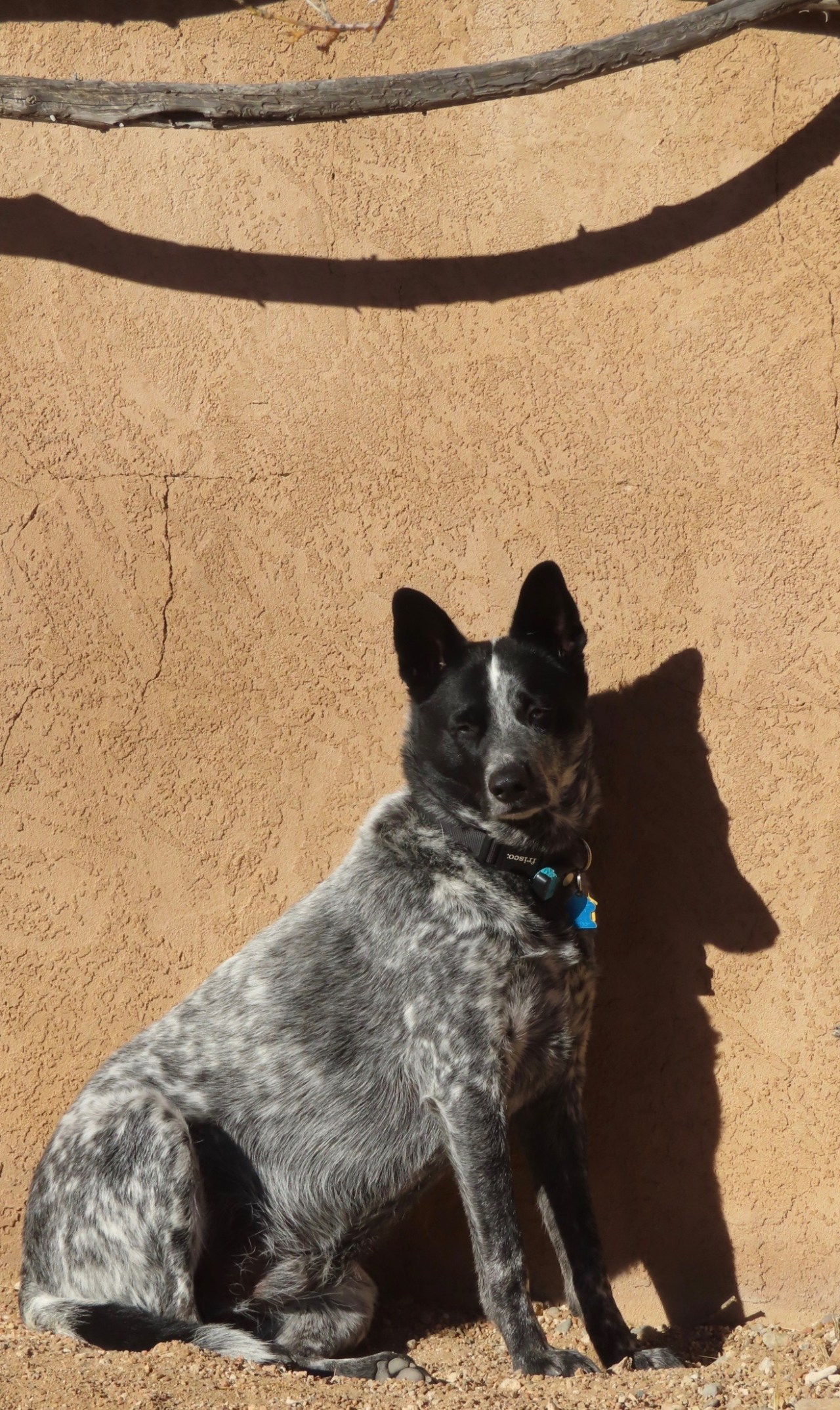
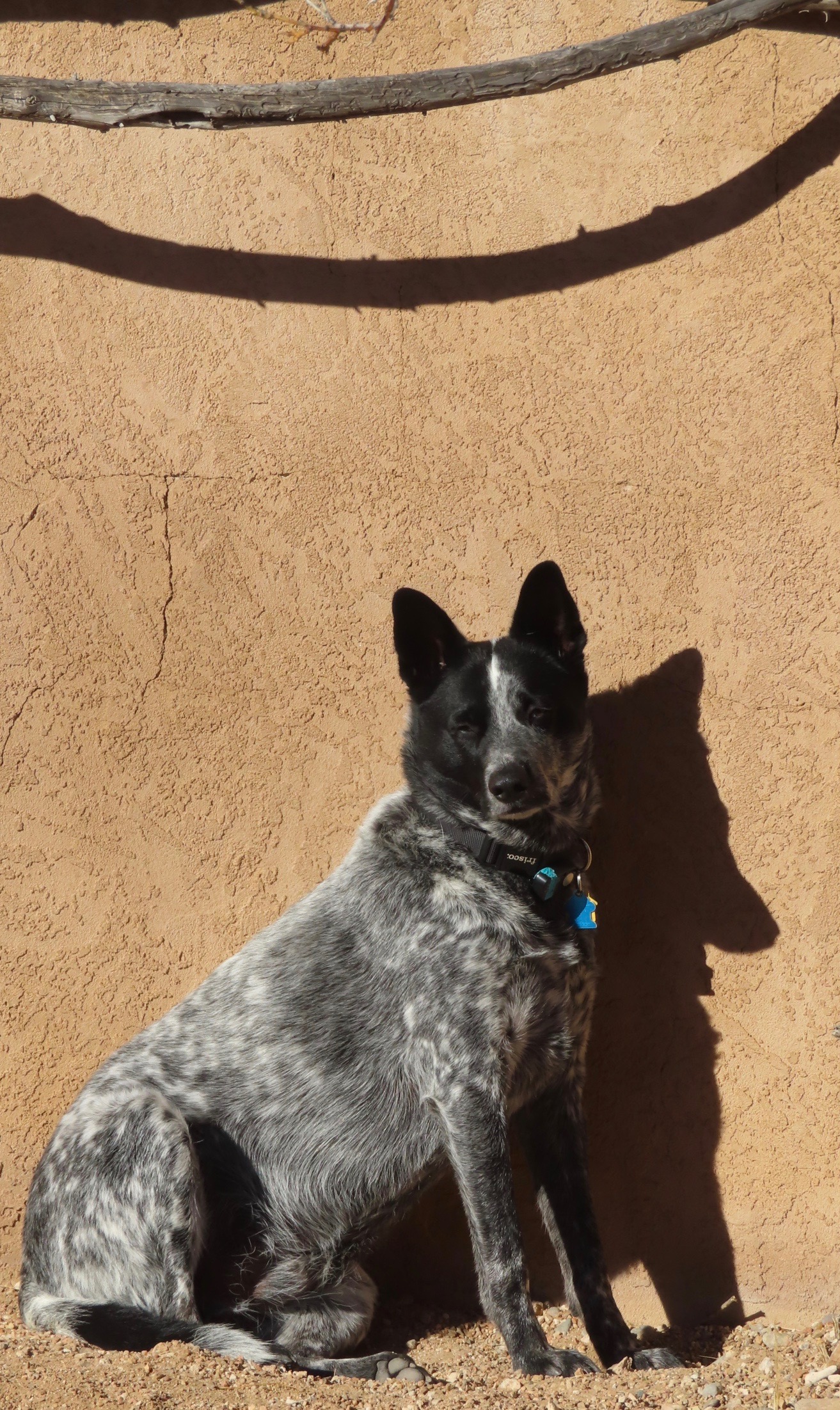
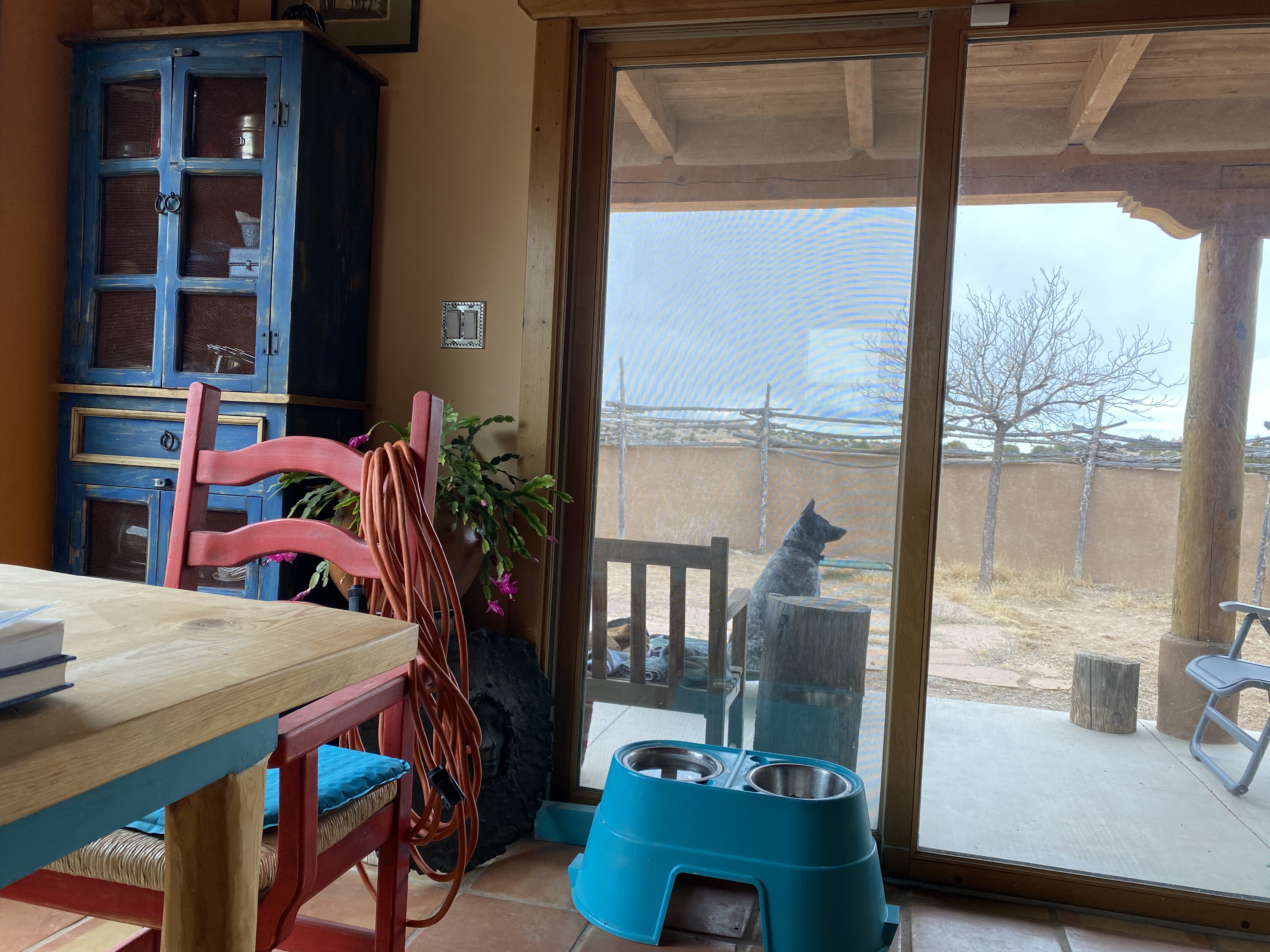
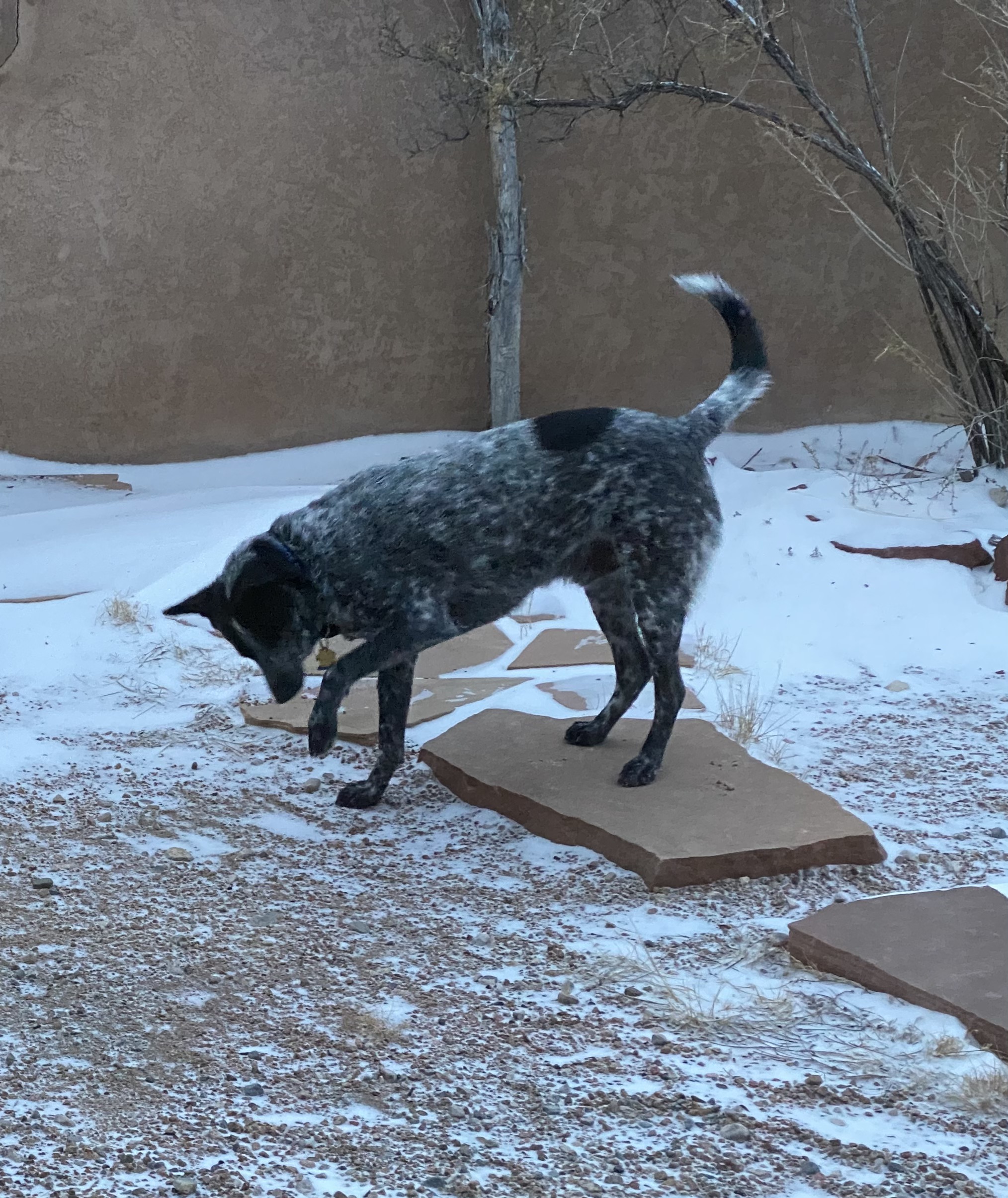
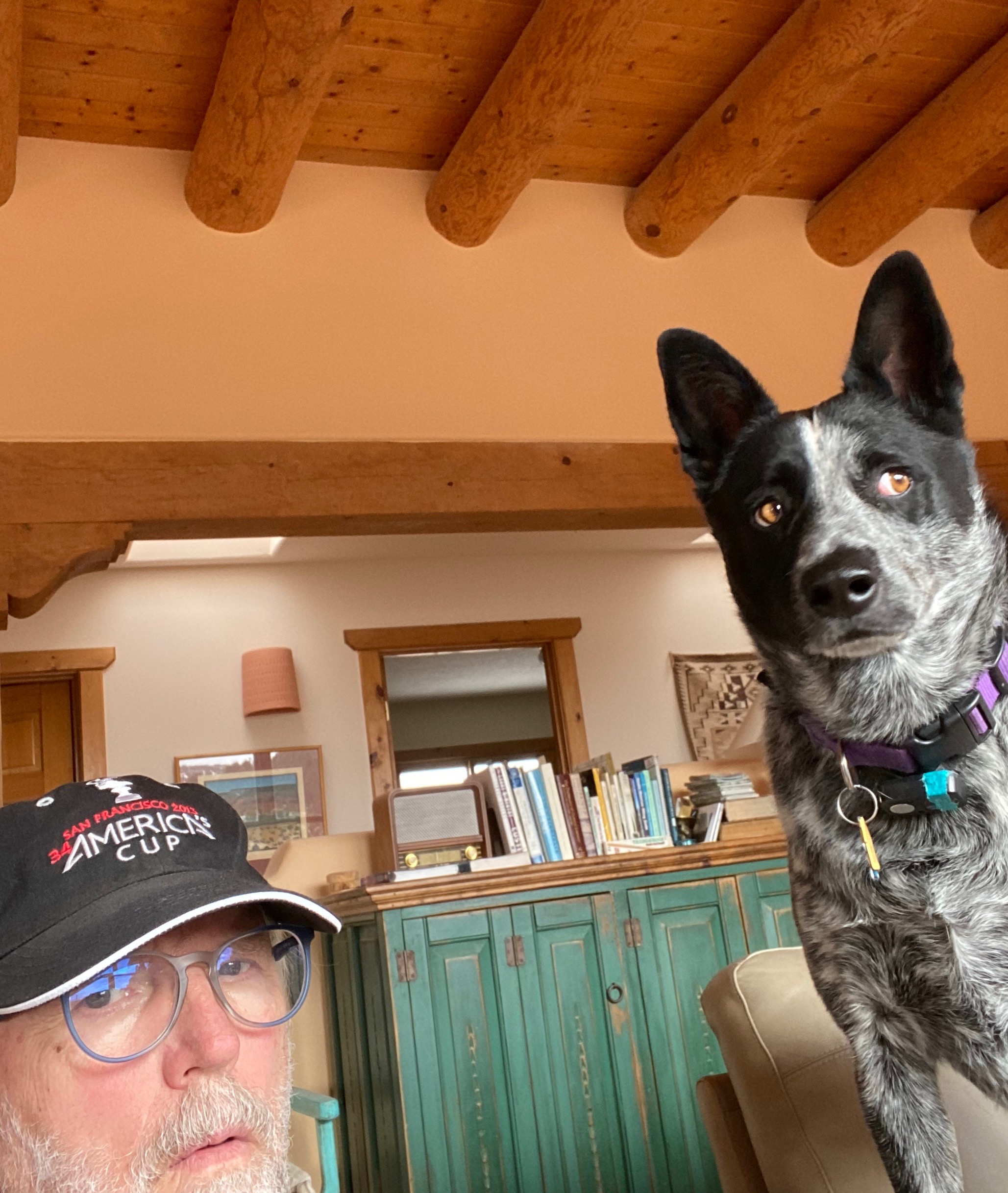
iPhone John and patient Cowboy in Placitas. Lonely but brave Jack Burns and traffic-wary Whiskey in Albuquerque.

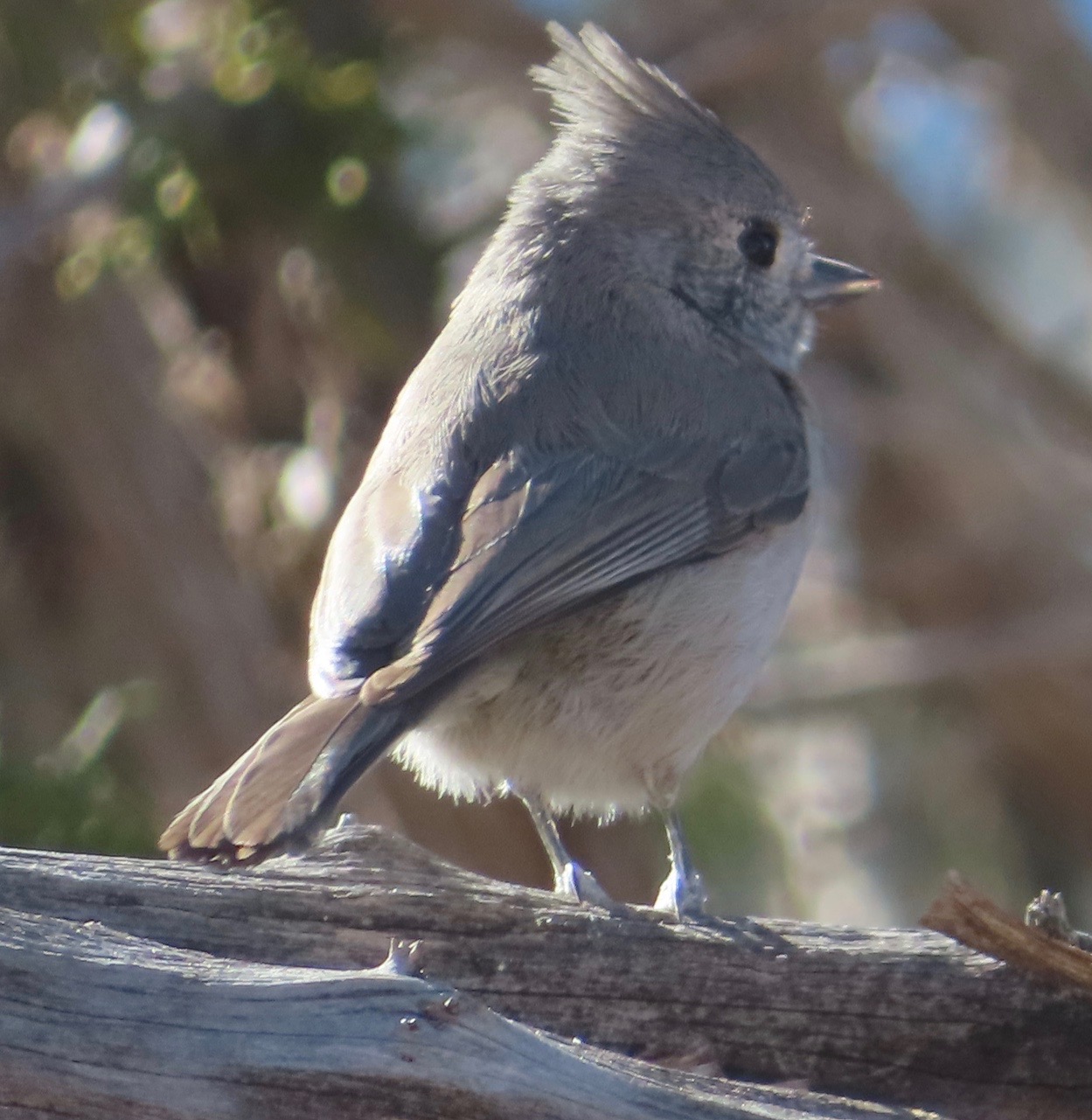
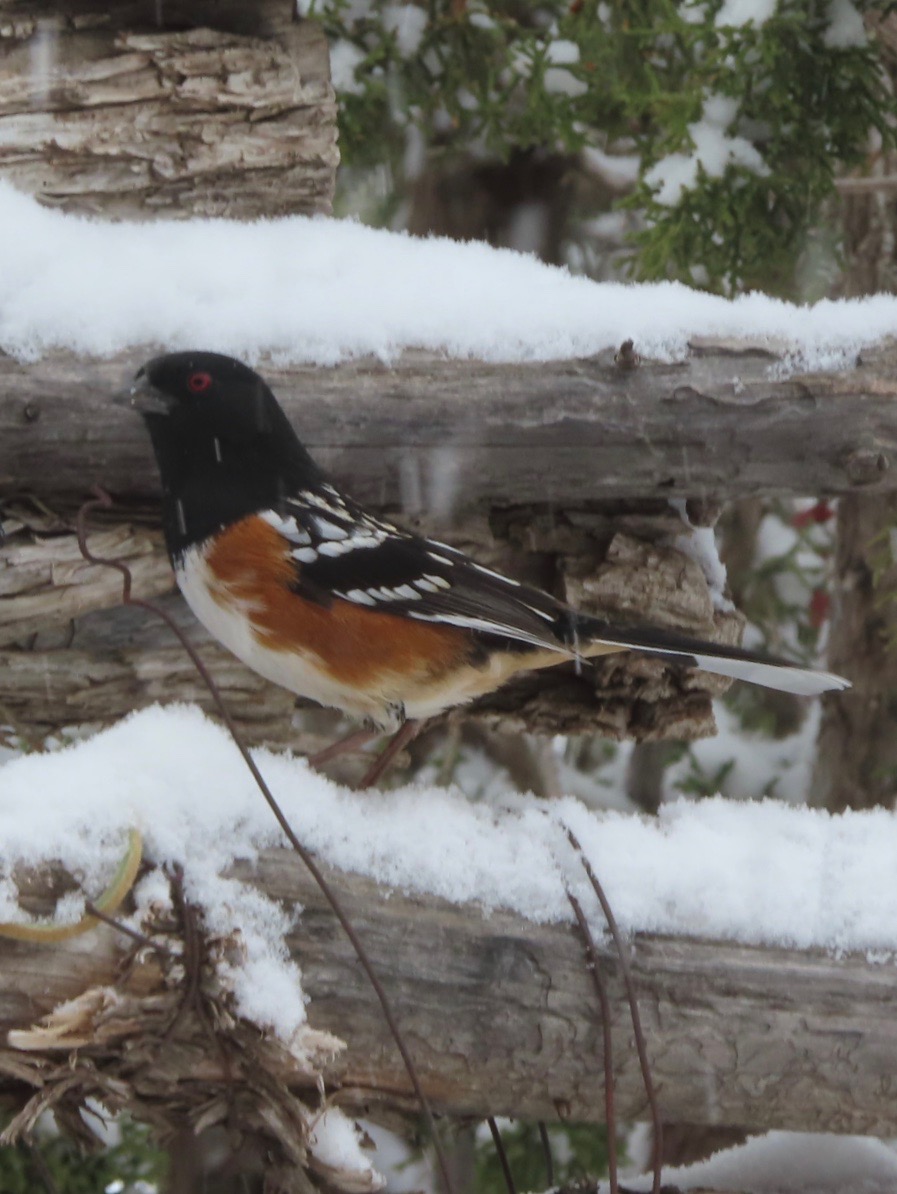
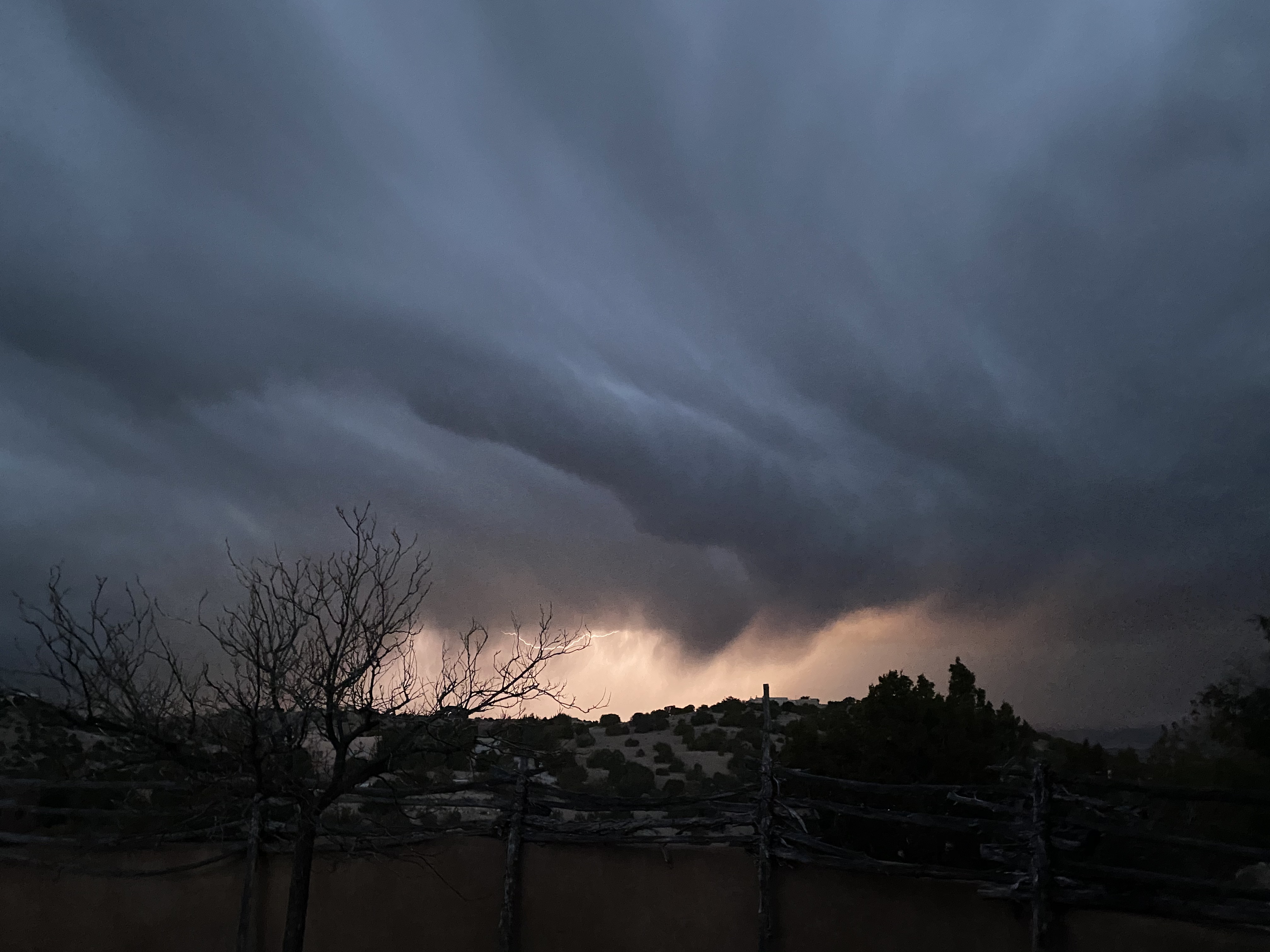
Towhee. Lost gloves. Hillside romance. Titmouse. Good book, (hat tip to a friend). Sunday clouds. Last of the Oct. 26-27 snow. Voting souvenir.

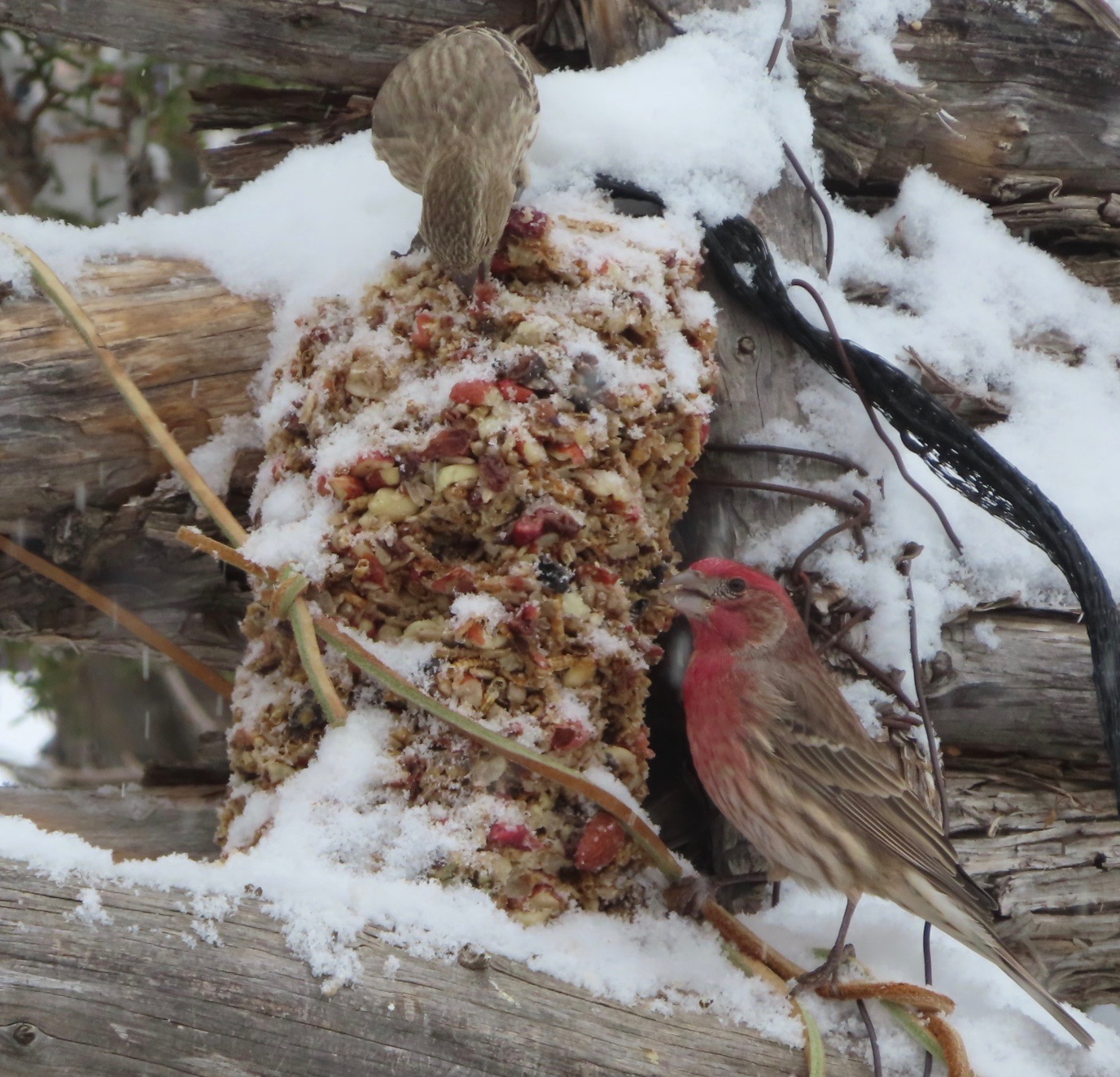
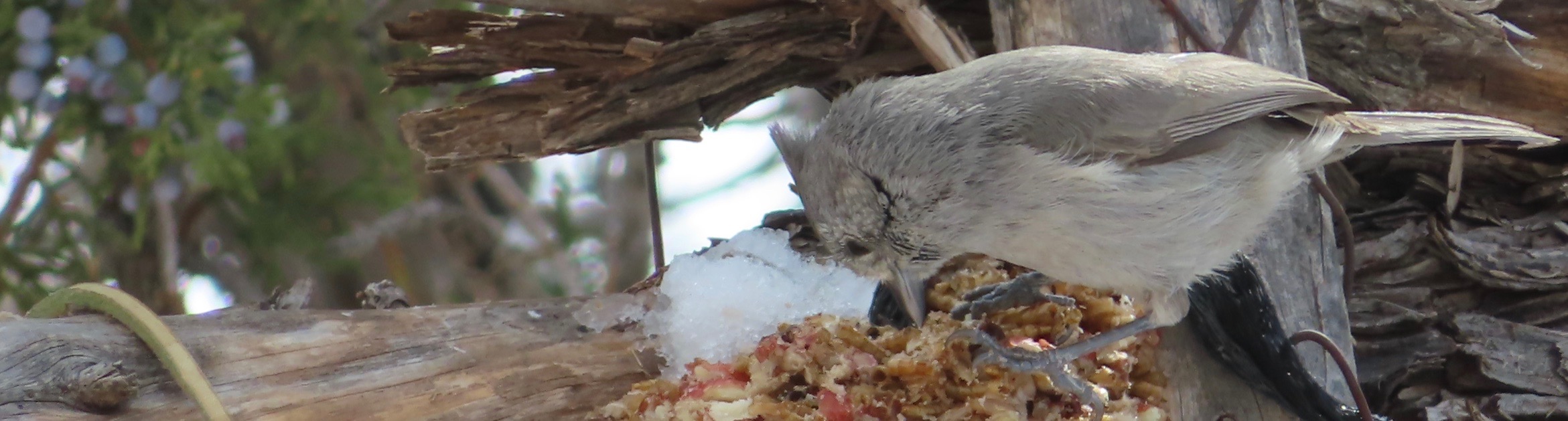
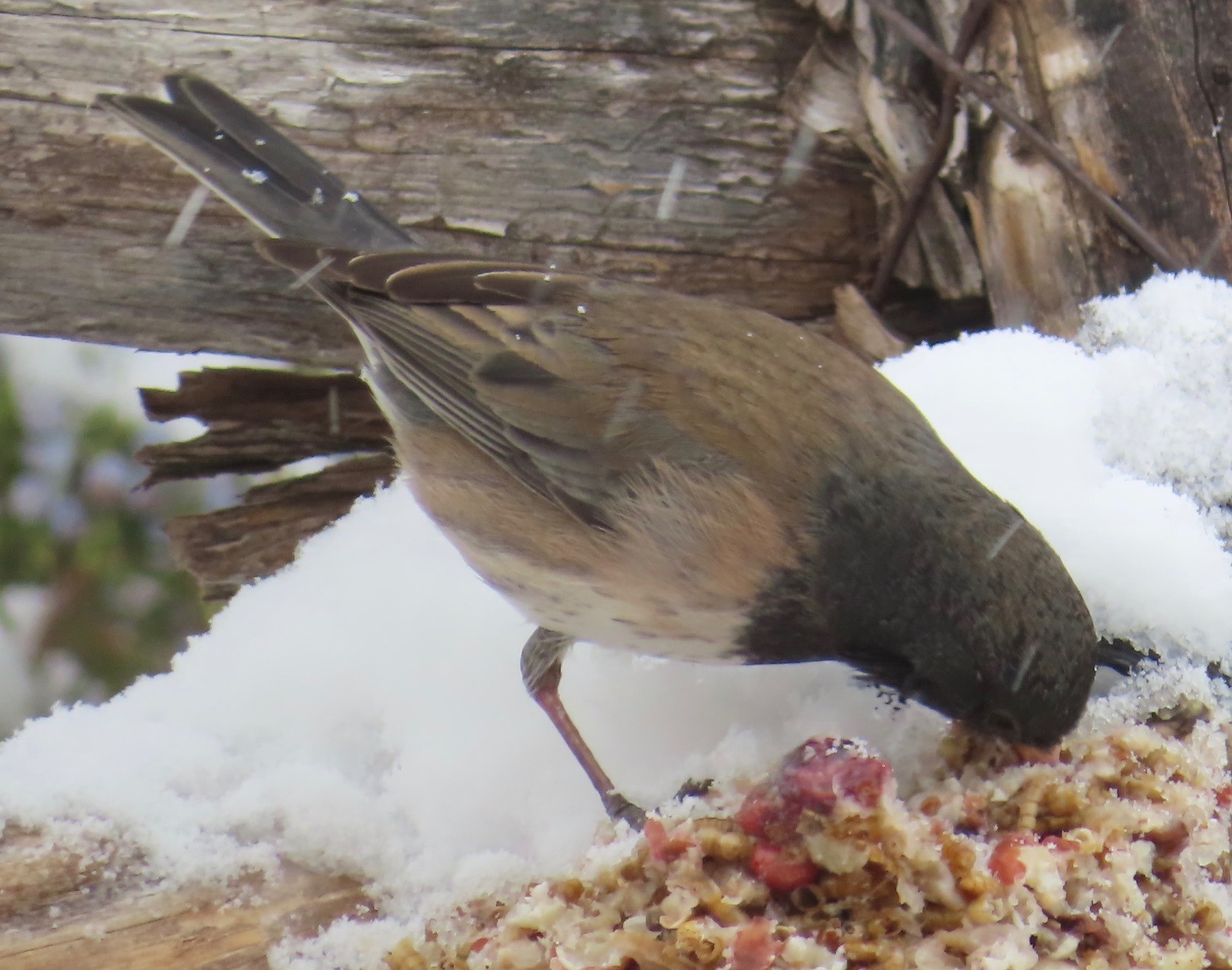
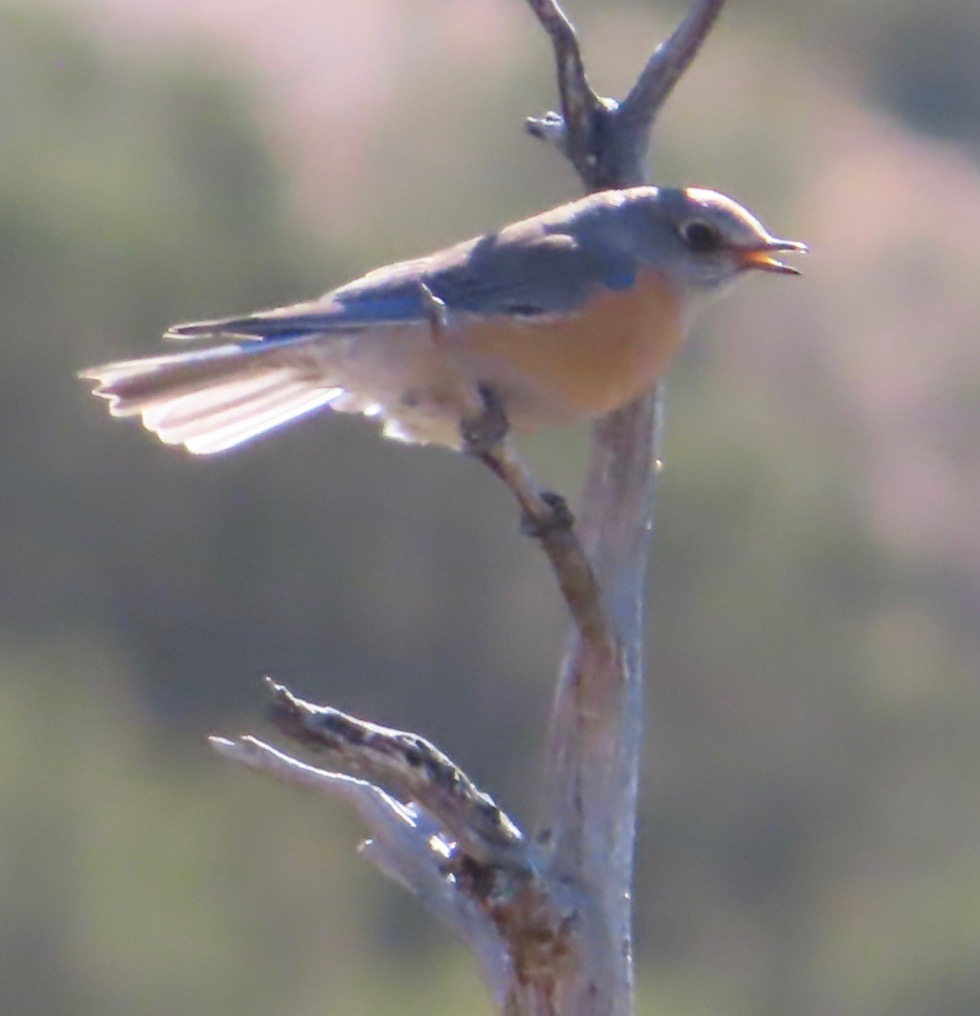
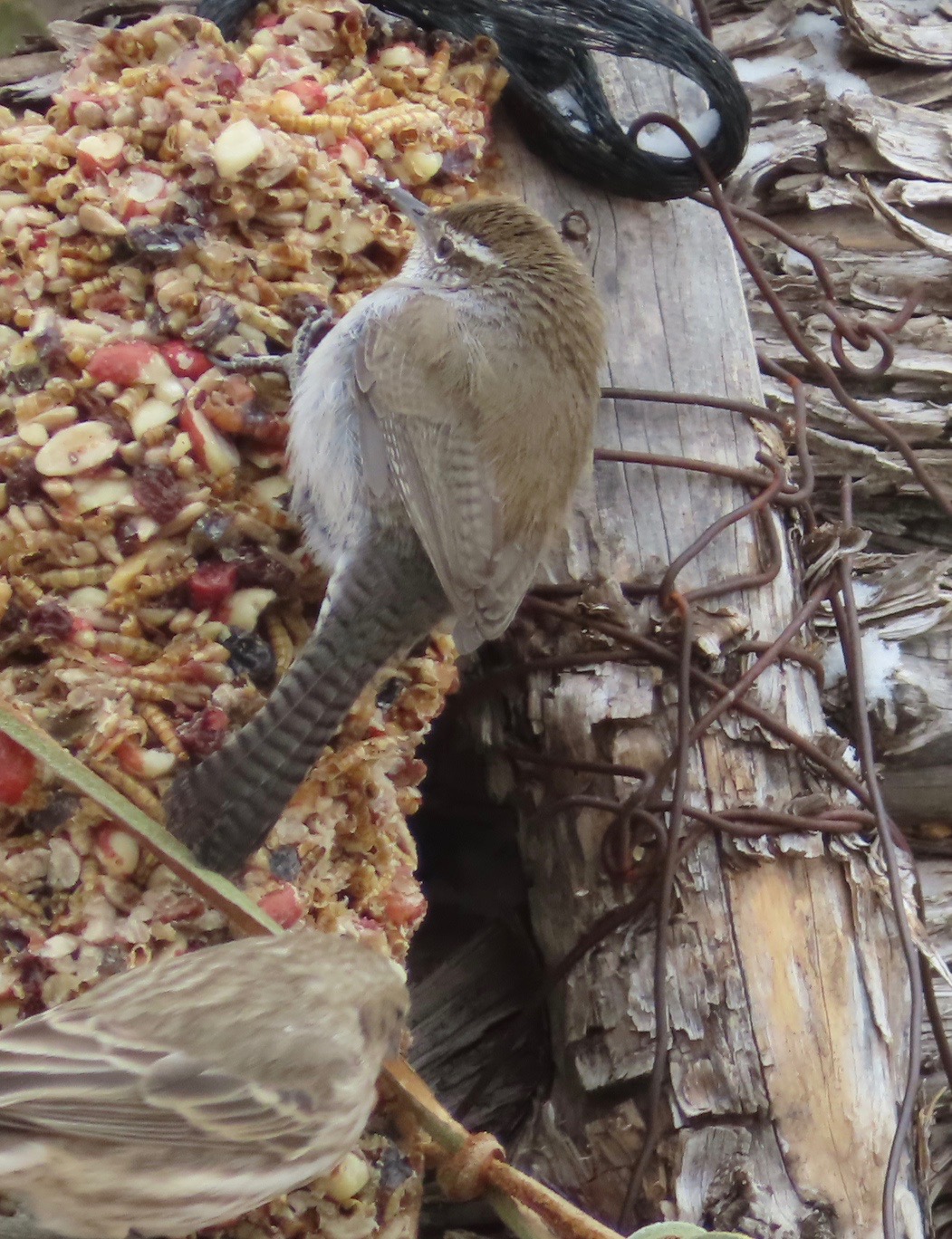
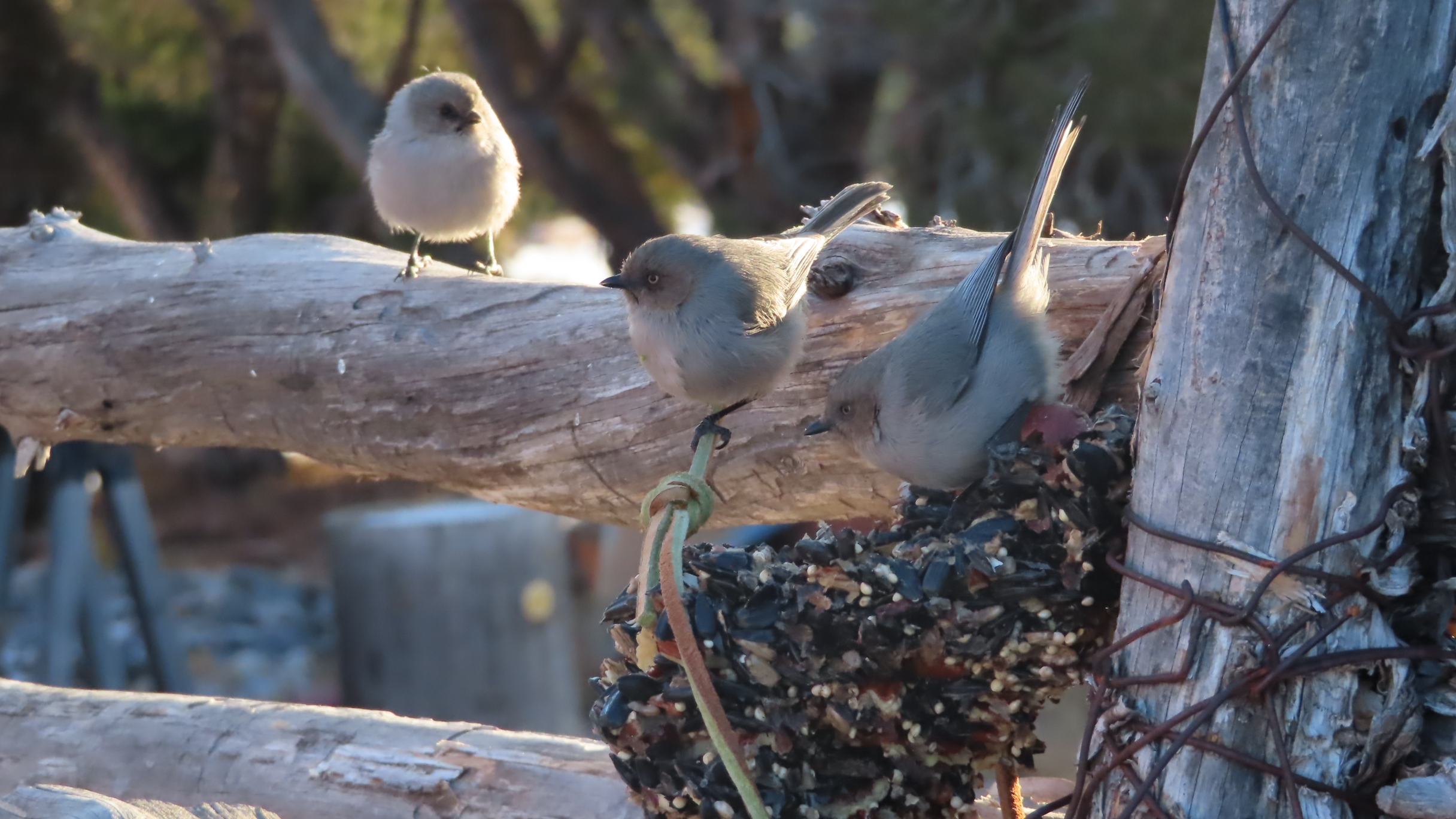
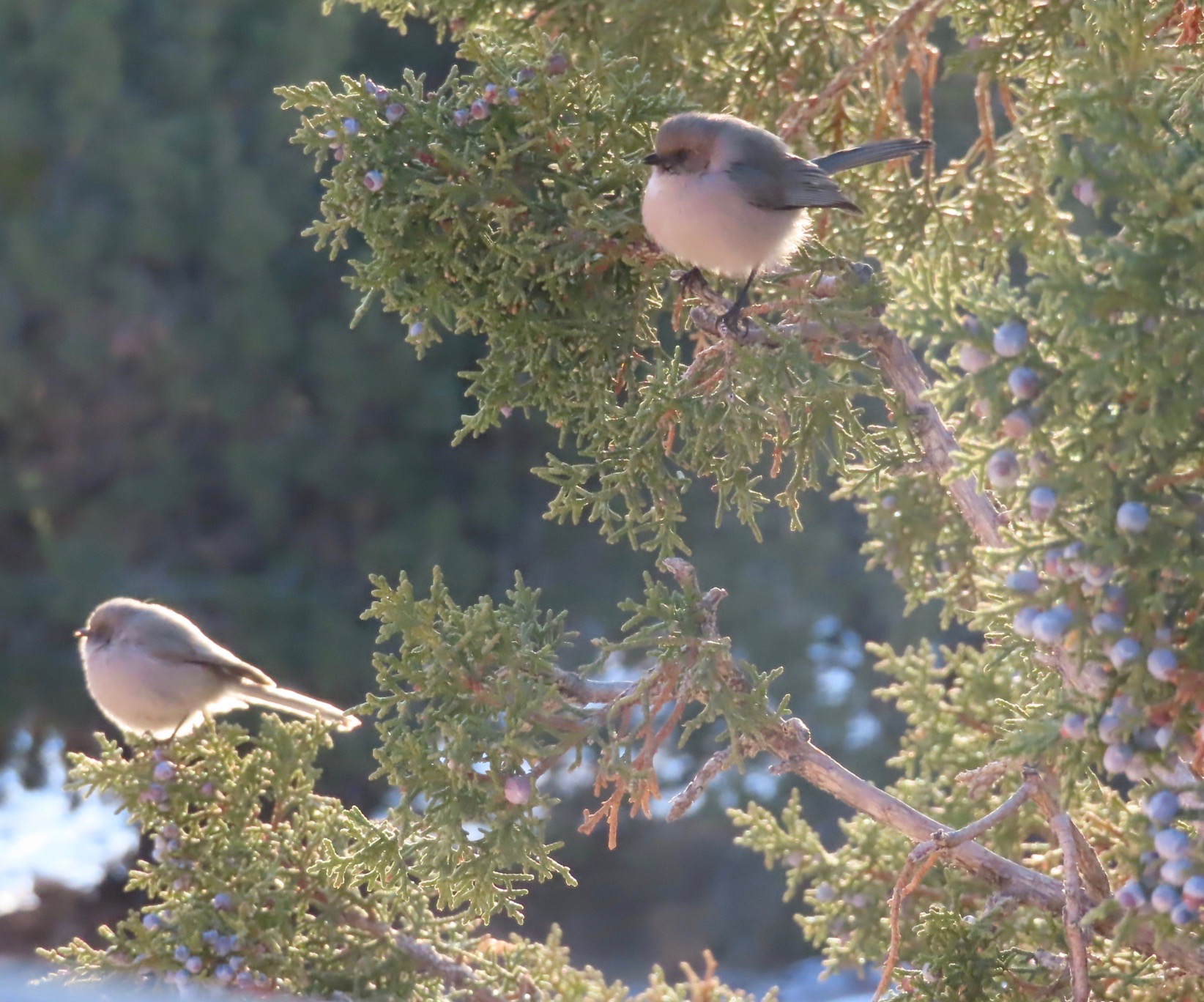
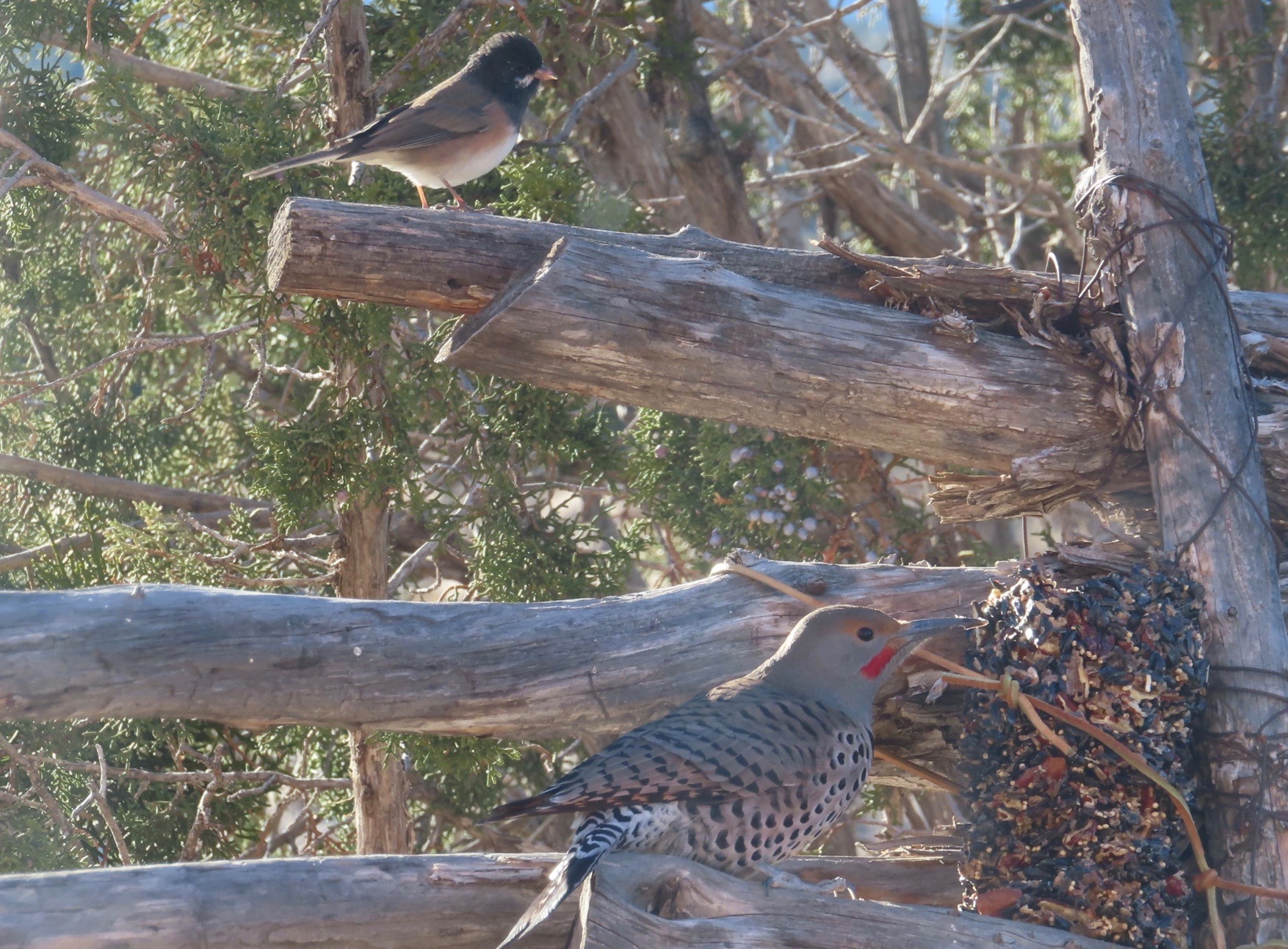
More visitors: Titmouse. House finch. Junco. Western bluebird, one of many robins.

Click on Nate Silver/FiveThirtyEight for his final Nov. 3 election forecast.

What’s cookin’.

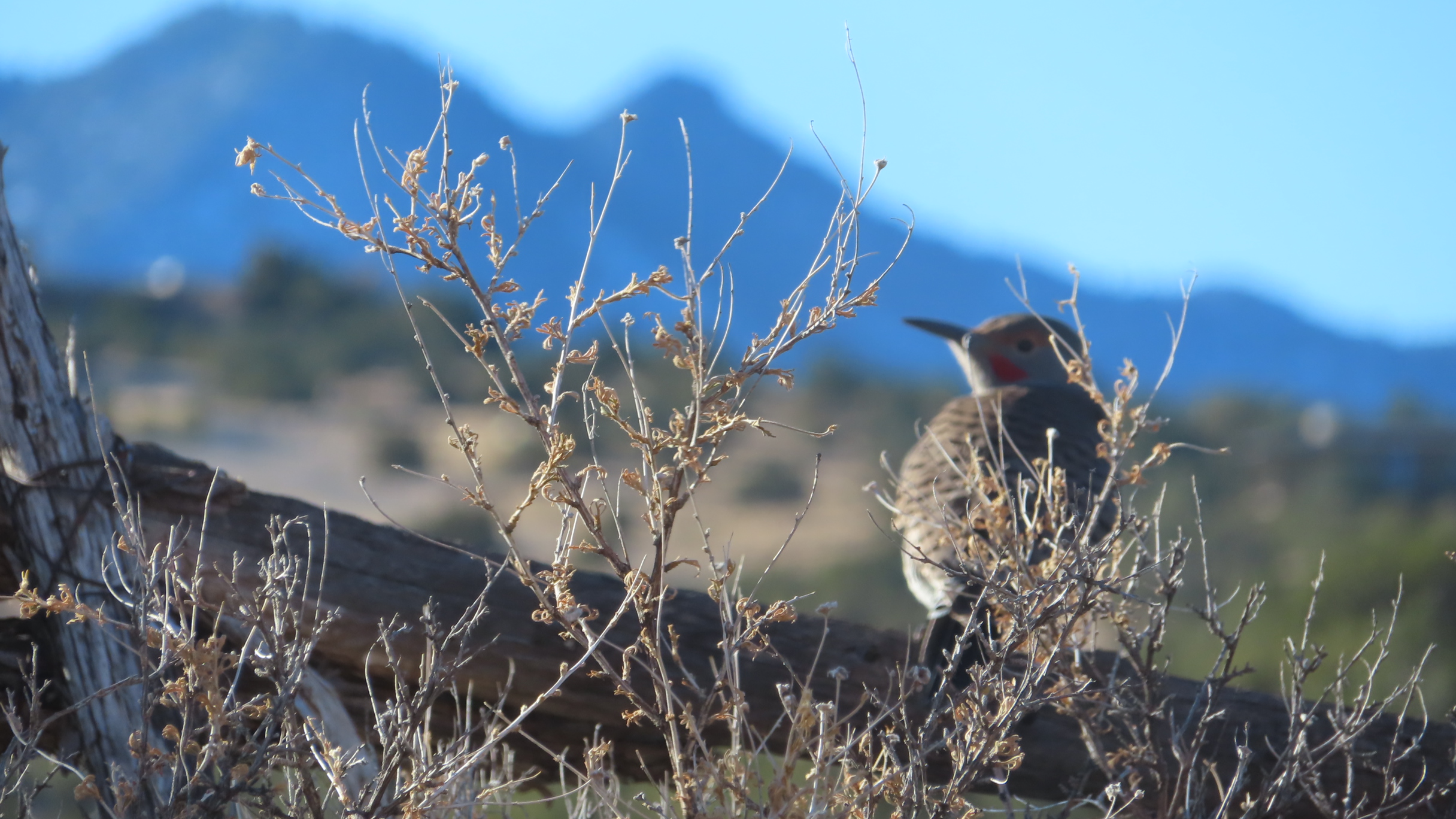
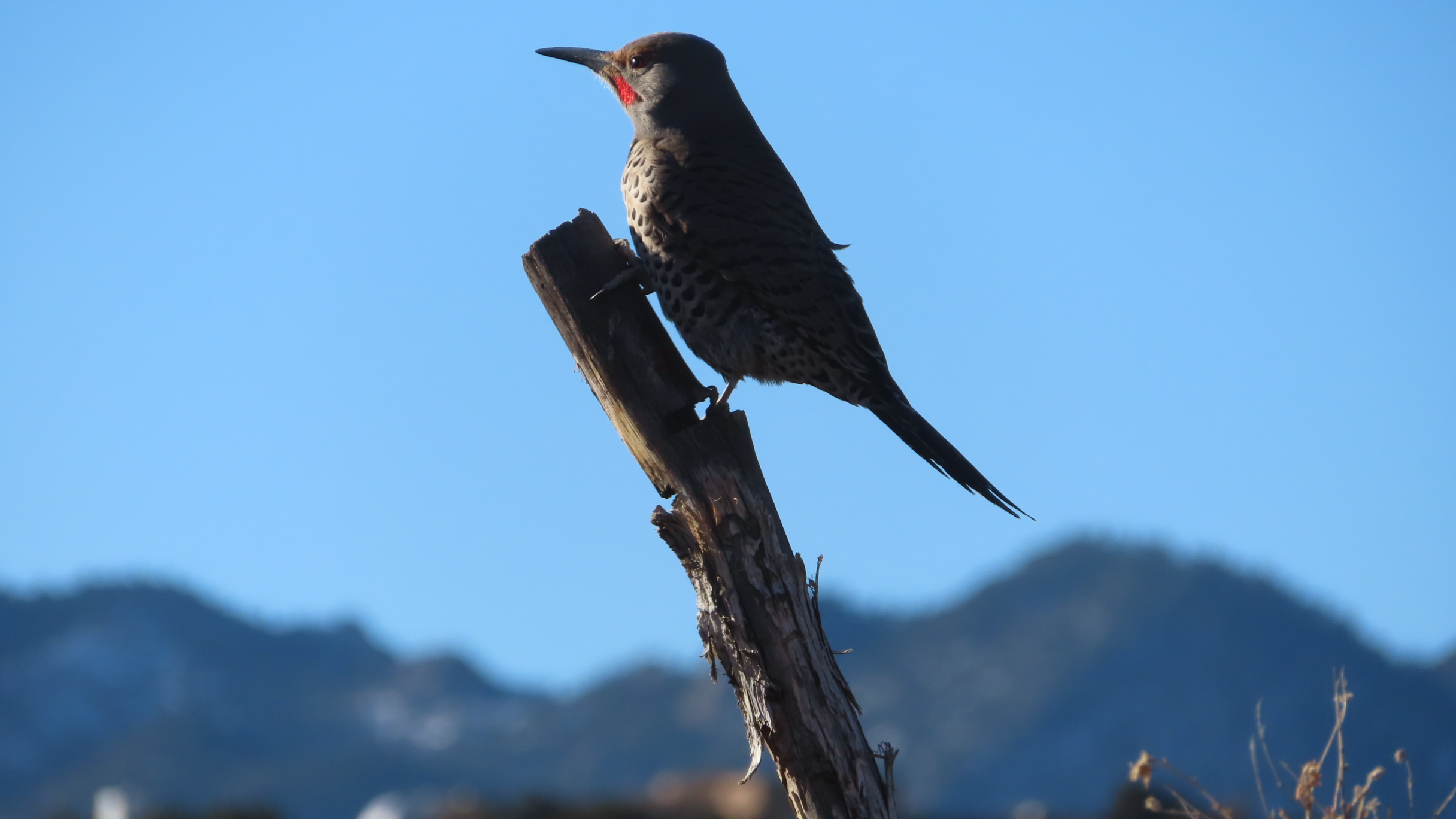
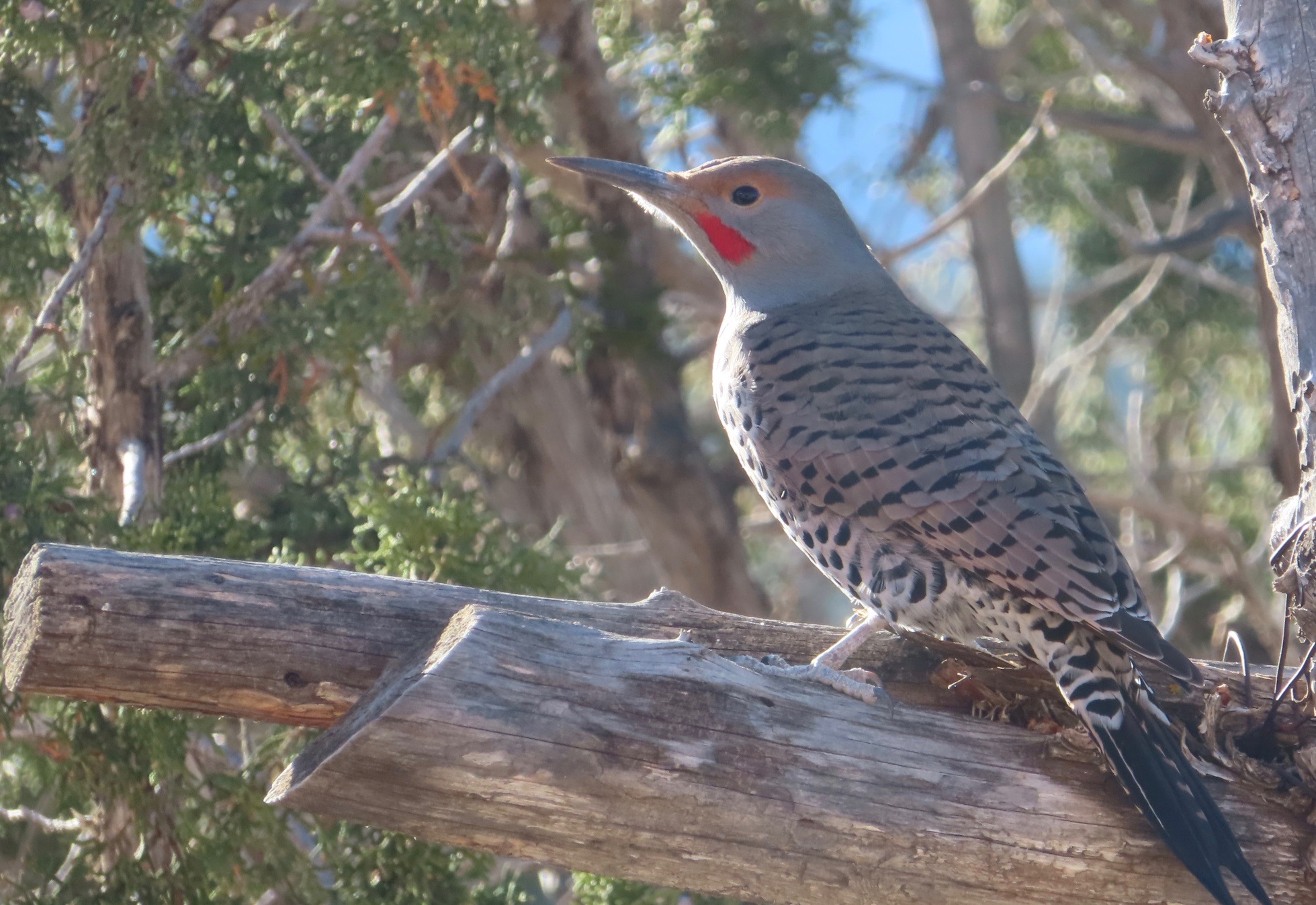
Also stopping by: Mountain bluebird. Sage thrasher. Williamson’s sapsucker. Northern flicker. Robins for juniper berries.

Passing through.

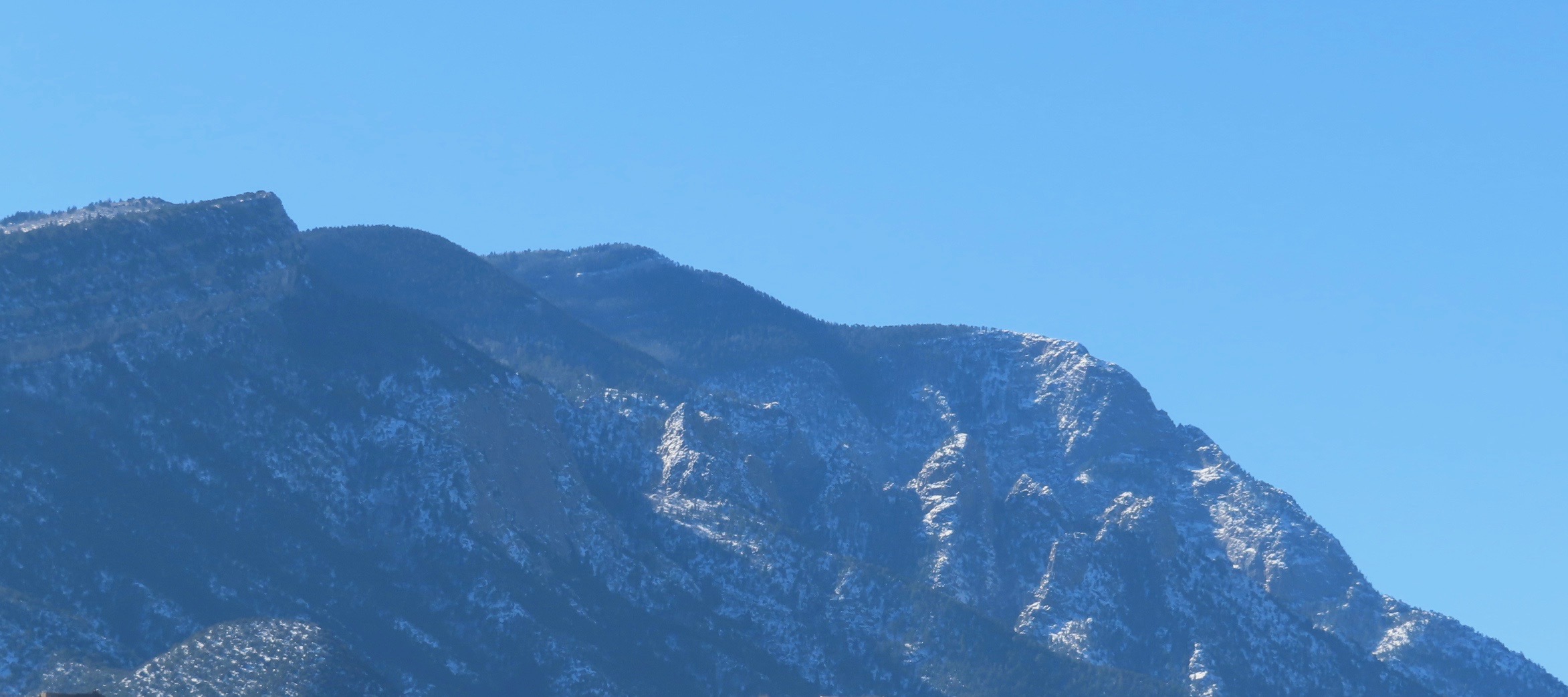
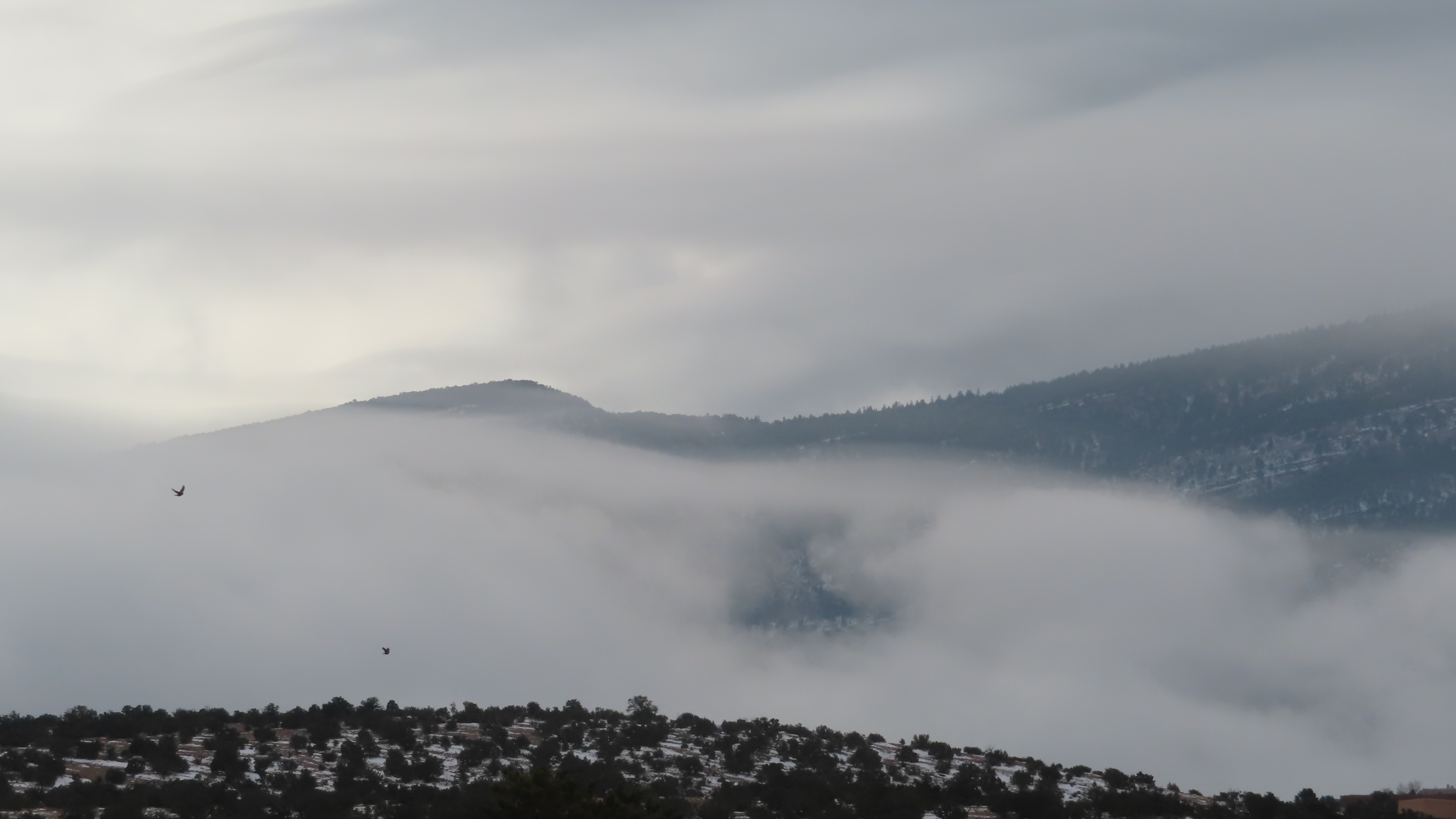
North end of the Jemez, Oct. 26.

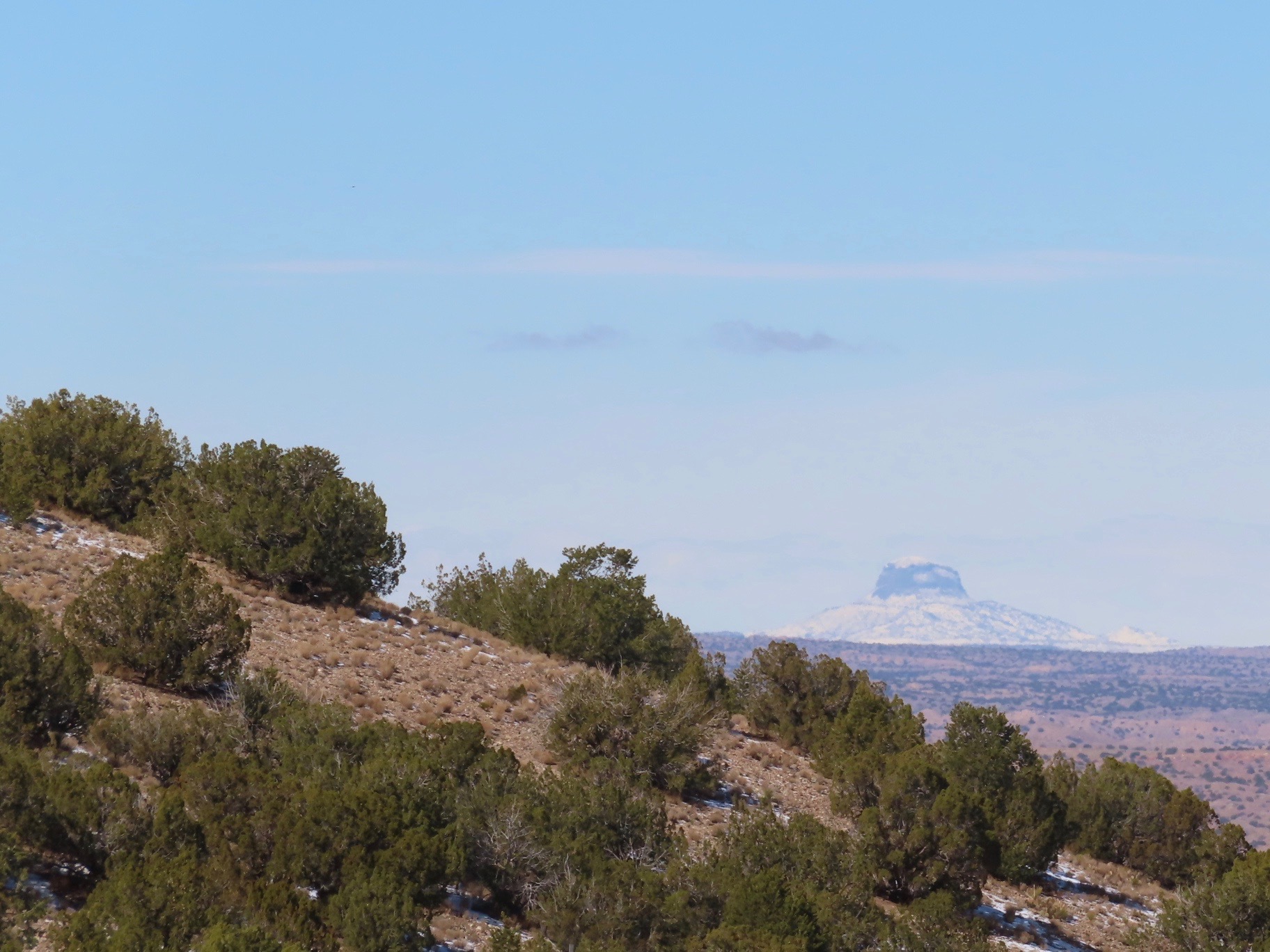
North end of Mount Taylor volcanic field and south end of the Pajarito Plateau, Oct. 27.

Westward, Oct. 30.

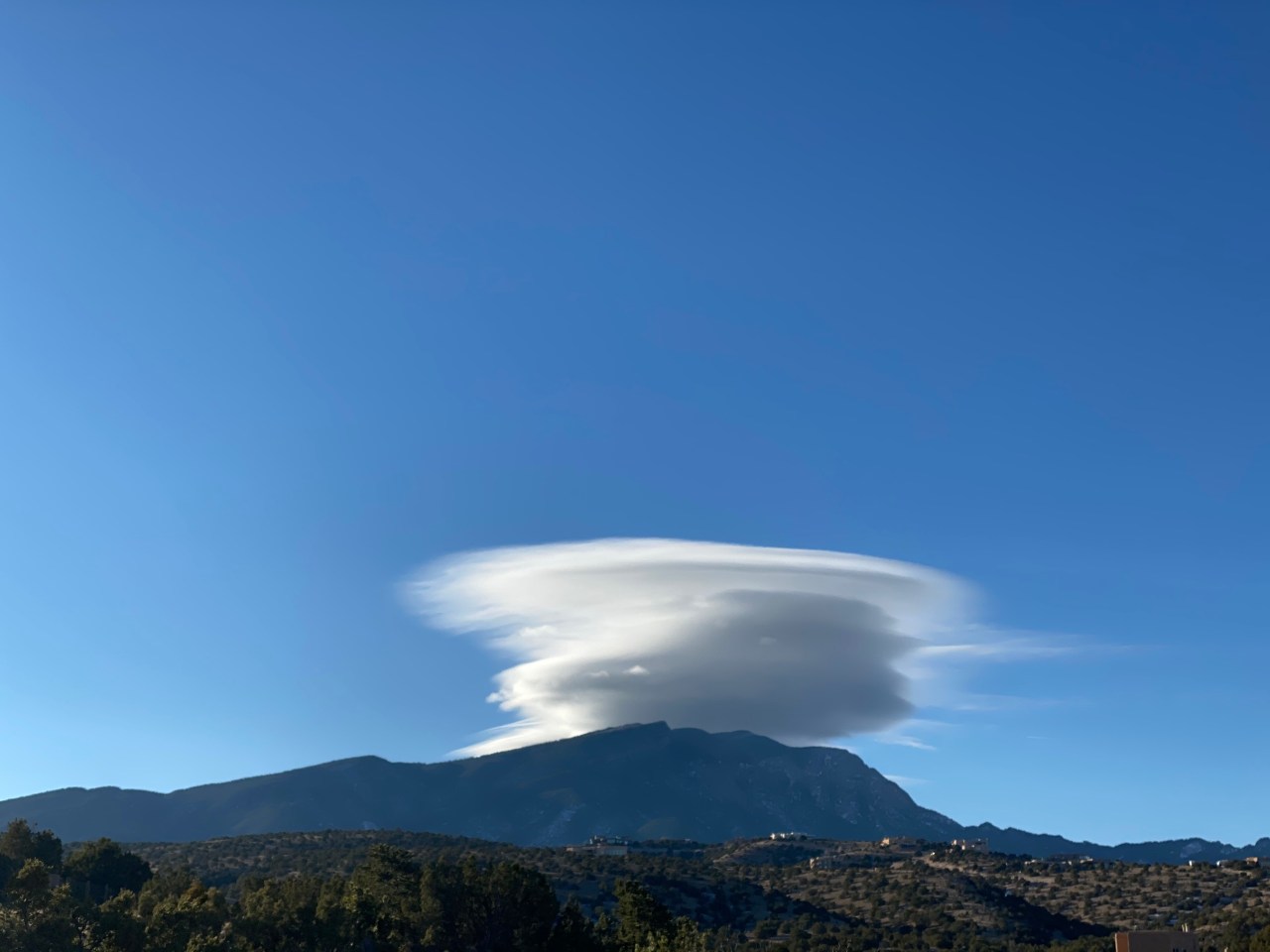
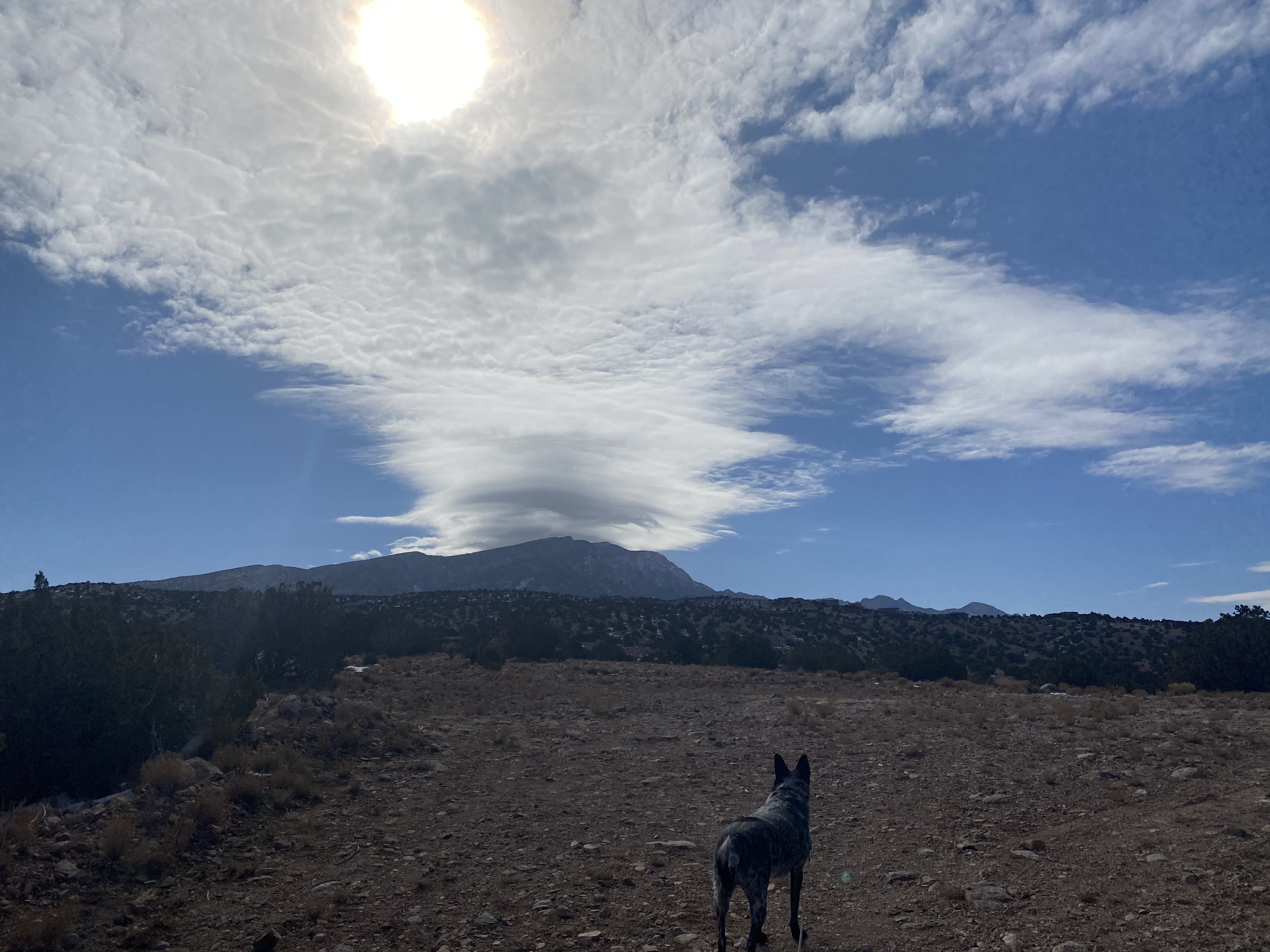
Sunrise clouds over the Jemez, Nov. 3.

For briefly escaping worries about pandemic, politics, water and wildfire, I am thankful for:

Patrick O’Brian by day and Longmire by night …

… birdwatching and walks in between …

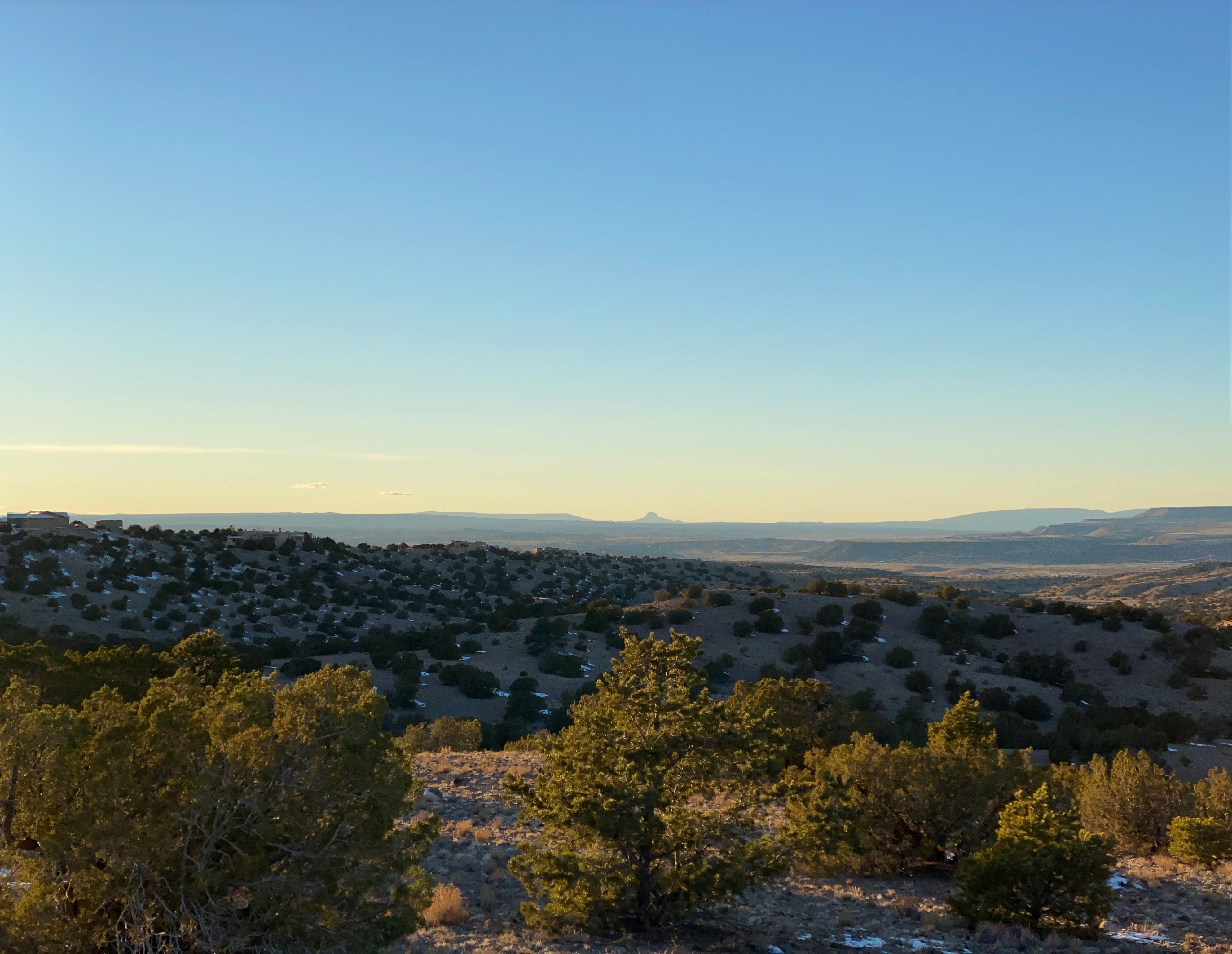
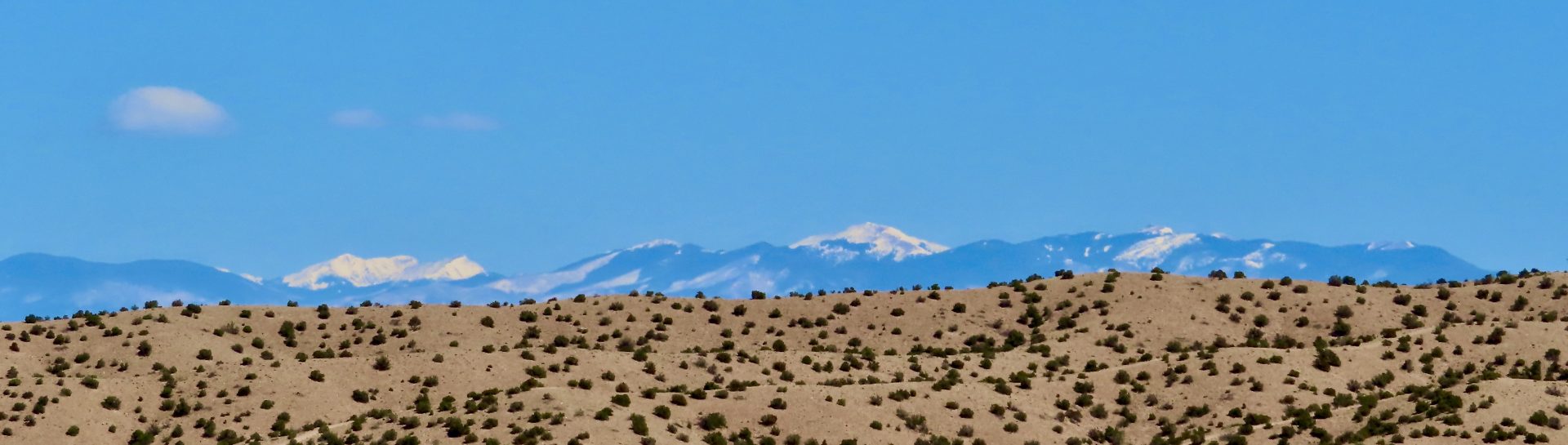
… the view west when the smoke has cleared …

… fall colors …

… company at hand …

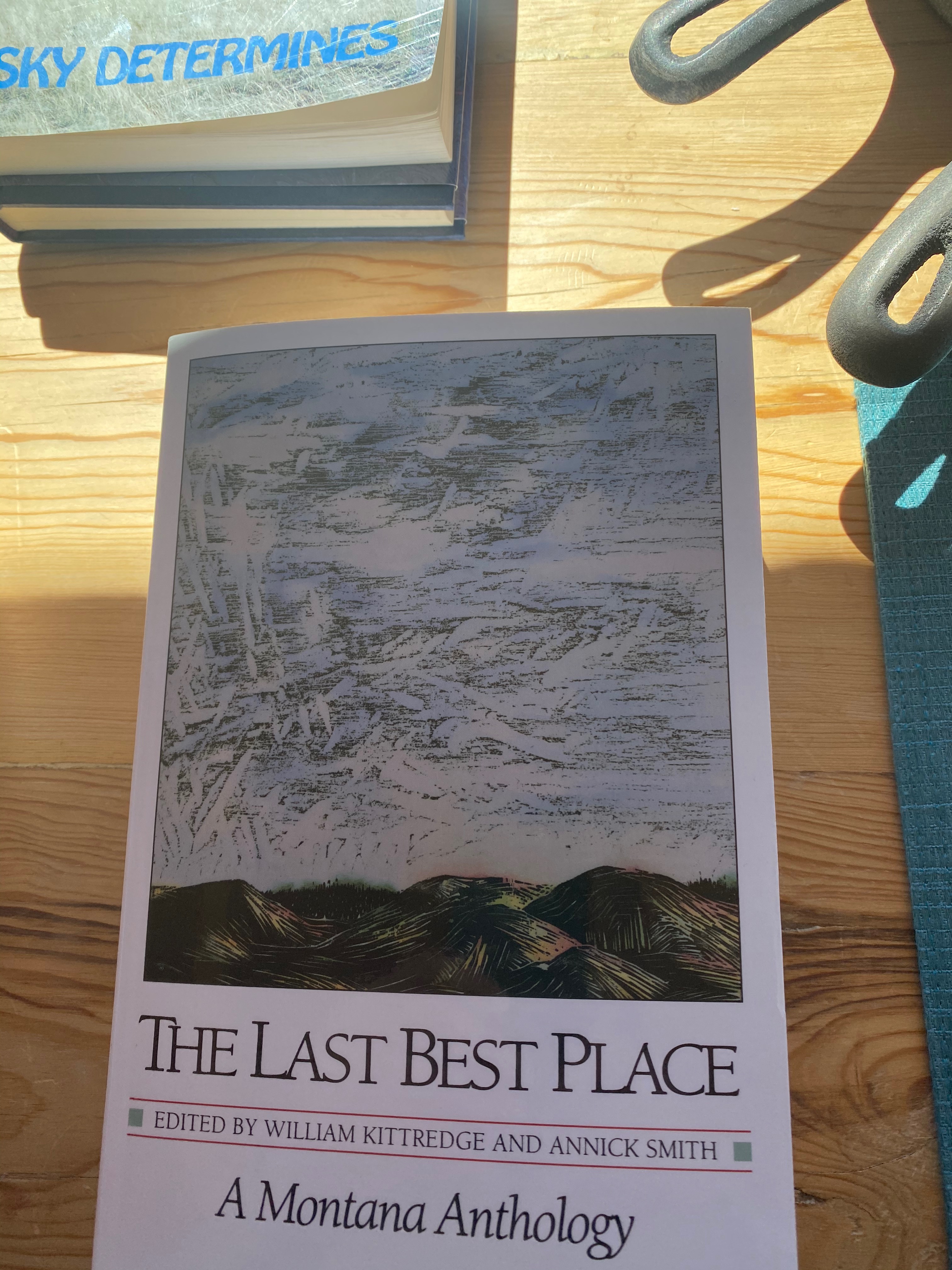
… and thanks to a delivery today, another companion to my Patrick O’Brian reading, a wonderful book by Geoff Hunt, the painter whose art enlivens the O’Brian covers.

— 30 —

Conversations with friends about the destruction of the Santa Fe Plaza obelisk this week sent me to the Newspapers.com archives of the Santa Fe New Mexican, where I started working the year the word “savage” was chiseled away.

I found the original story from Aug. 8, 1974. I found that it was below-the-fold news on the day it was published. And, in a June 1974 piece by Santa Fe’s Fray Angelico Chavez, I found a proposition to end the controversy before the chisel was drawn.

Hopefully, you can expand the compressed pdf type on your computer if you want to read.

I don’t know if architect John Gaw Meem’s suggestion in 1967 to remove the obelisk to the state Capitol grounds would have relieved the obelisk controversy. And who knows what Roundhouse mayordomo Clay Buchanan, who probably was already busy concealing the Capitol with thickets of thorny vegetation, would have thought of the idea.

I also don’t know how much attention northern New Mexicans were paying at the time to Plaza renovation thoughts. The north was just a few months past the Tierra Amarilla courthouse raid.

I was reminded in the same conversation with friends that the New Mexico Legislature voted in 1997 to install a statue of Po’pay, a Tewa leader of the Pueblo Revolt in 1680, as the second of the state’s two statues in the 50-state collection at the U.S. Capitol. The Po’pay statue was unveiled at the Capitol in 2005, joining the one of Sen. Dennis Chavez.

The Po’pay statue was crafted by Jemez Pueblo sculptor Cliff Fragua. The legislation was sponsored by state Sen. Manny Aragon and state Rep. Nick Salazar, both Democrats, and signed into law by Republican Gov. Gary Johnson.

It’s become part of the morning routine: Checking the smoke map.

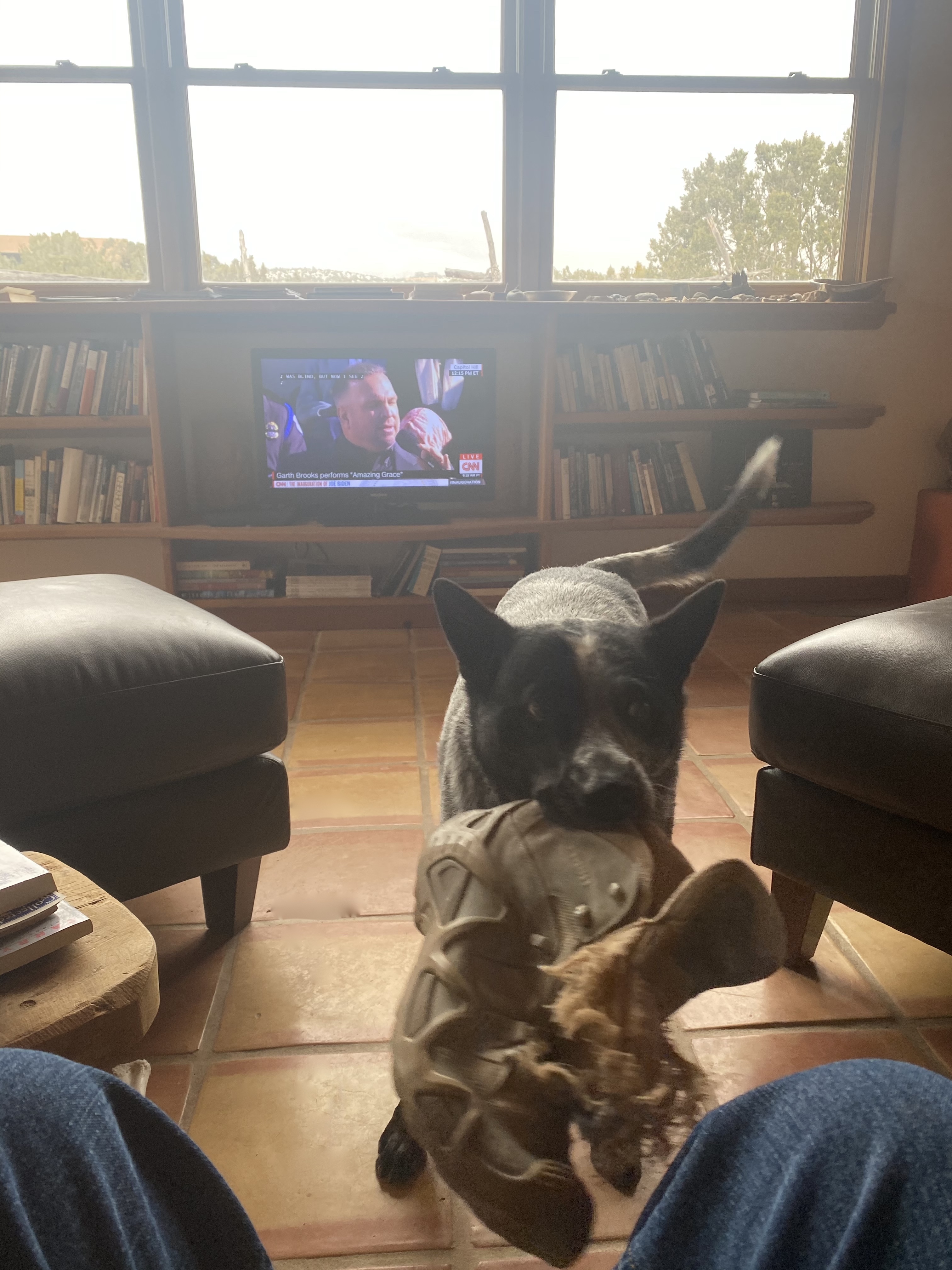
As I clear my head and loosen old joints, the daily drill is this: Fill the birds’ water dish, make coffee, feed Cowboy and check the smoke reports.

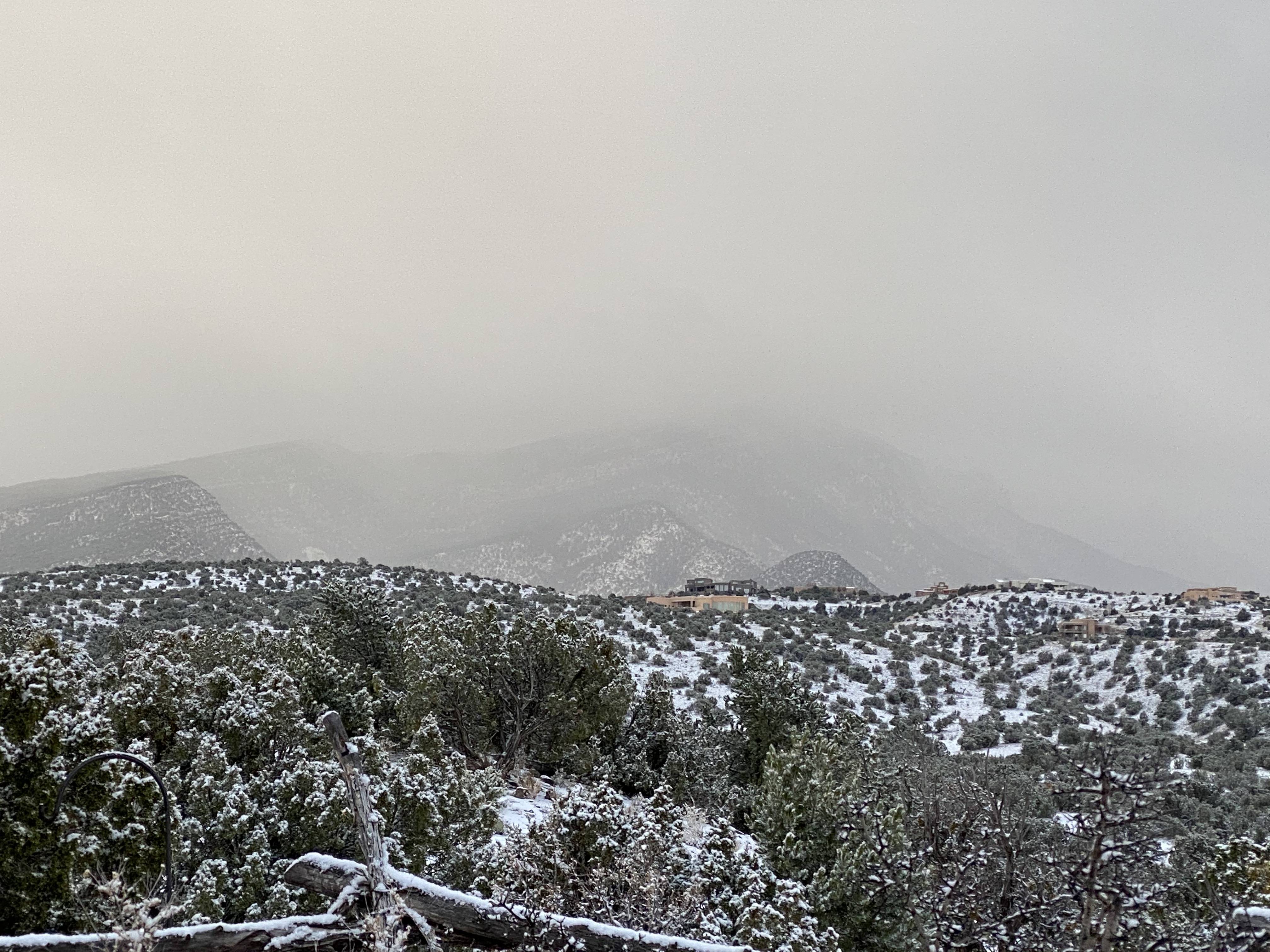
I’ve already seen from bed that the smoke has blown in again. I can’t see the Jemez Mountains, my favorite view before so many houses were built on what’s now called Mustang Mesa and before massive wildfires across multiple western states became standard feature of summer and fall. But I want to know where the smoke is coming from. My eyes sting as soon as I go outside.

This morning’s smoke appears to be from the nearly 400,000-acre and less than 60 percent-contained Creek Fire on the west side of the Sierra Nevada mountains in California. This of course has been hell for Californians and 1,300 firefighters are still working the fire. Roughly 900 miles east, it presents breathing issues for me.

Here at the southern edge of Northern New Mexico, we recently had a solid couple of weeks of smoky days. Fires in Wyoming and Colorado were contributing to the smudging of the sky and air quality alerts in Albuquerque. This last week of October, we’ve had some classic, clear fall days. Last night, Mars was bright but I smelled smoke. This morning the gray was back, smudging out the Jemez and Cabezon from my lower Las Huertas Creek view. I skipped my morning walk with Cowboy. Even birds seemed to be in hiding. Only a few robins and sparrows and the female half of a flicker pair joined me for morning coffee and water.

Here’s the flicker against a smoky background that on a clear day would be the Sandias.

Just a couple of days earlier, flickers and bluebirds posed with backdrops of golden crags at sunset and blue mountains in the morning.

With a high pressure system to the north last month, we saw the smoke hover for weeks. Lately, it’s been blowing in and out quickly. I admit I have COPD. Still, in 2020, checking the smoke reports has become as familiar as lacing my boots.

Little surprises me about wildfires anymore. Fifty years ago, I was on a Type 2 handcrew that fought them in California. But what I saw then would be child’s play compared to what California is seeing now, where 900 fires were burning by mid-September from 14,000 lightning strikes. I haven’t been surprised much since our Las Conchas fire in Northern New Mexico in 2011. It burned over 150,000 acres at a mind-boggling rate — about an acre a second on the first day. And it burned in a lot of country that never seemed too likely to burn. But California — and this year much of the west, from Washington to Colorado — keeps expanding my fears

Uncredited Las Conchas fire photograph from Wikipedia.

By the way, as soon as I posted this I noticed the U.S. Forest Service had posted a photo of the Cameron Peak Fire west of Fort Collins in northern Colorado, using the increasingly common phrase “extreme fire behavior.”

USFS photo from the internet

Saturday. Last of the yellow aspen leaves on North Peak and way up Del Agua. Just whisps of clouds with no forecast for rain. Most I’ve seen of Cabezon in a couple of weeks, with wildfire smoke from other states clearing slightly.

Drought, smoke and pandemic make some critters grumpy.

Others stay busy, looking for berries and bugs.