I’m on leave from work, but I’m thinking of the late House Speaker Ben Lujan this afternoon as his son, the congressman from New Mexico’s 3rd Congressional District, addresses a joint session of the Legislature.Ben Lujan
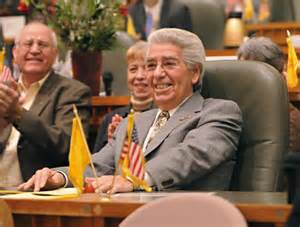
I am remembering that Lujan kept his lung cancer diagnosis and treatment secret for years, even while he and his wife, Carmen, were driving almost daily to Albuquerque for treatment, keeping up with his job as speaker all along. Fortunately, he lived long enough to see his son, Ben Ray Lujan, elected and begin serving in Congress.

And what now is rising in my recollections is the breadth of the speaker’s smile when he sat in the first row on the Democratic side of the House to watch his son take the podium and deliver his first address to the Legislature as a congressman. The speaker always had a big grin. This time I thought it might bust.

I first reported on Ben Lujan when he was a Santa Fe County commissioner, before he moved on to a nearly 40-year-long career in the Legislature, where I covered him too. We never were close. He had the traditional wariness of Northern New Mexico natives for outsiders, and I was always part of what seemed to him as an unreliable and hostile media.

The Nambé lawmaker was usually seen as intensely partisan or parochial, but maybe that was what was great about him. I was convinced from way back that he was not a politician in it for himself., that he really just wanted to help the people. And the people of his Santa Fe-based district came first.

He was on the county commission, as I recall, when Santa Fe County began thinking about buying additional water for the future from the San Juan-Chama Diversion Project.

Many think his state legislation to prevent what we now call property tax lightning was unconstitutional as hell, but I’m sure it helped many. The classic victims of property tax lightning were older generation New Mexico natives, maybe especially in Santa Fe, whose families had owned and lived in a home for generations, only to have their taxes soar when a newcomer with money decided the neighborhood was cute and built a mansion next door.

Lujan also did a lot to help veterans in serious ways. And I can’t forget that the appreciation and traditions of vets in New Mexico is great enough in old New Mexico that vets got a museum when the arts-community moved in on their longtime armory grounds on Old Santa Fe Trail.

I’ve never been a big fan of legislative memorials, but Ben Lujan sponsored my favorite of all time, the state’s now-famous official question, “Red or green?” It revealed to me after many years that he also had a fine sense of humor.

I am deeply sorry for the suffering Lujan endured in his last years, but I’m sure he’s shining that big grin down on his family, friends and constituents today.

Here’s a column I wrote for the Journal in 2012: “‘One tough guy”

And Kevin Robinson-Avila reports now that Rep. Ben Ray Lujan’s remarks to the Legislature today were pretty darn interesting. A lab management consortium? Could this be a real opportunity for New Mexico universities, for instance?

 

— Second week of cancer treatment. So far,  so good.

— People tell me it will get worse, but today, after radiation and chemo, I ate, napped, walked and ate again. Even wolfed down my hideaway peanut butter and jam sandwich earlier in the chemo chair. Feel good except for the gasping that comes from that darned tumor collapsing part of my left lung.

— Ran into neighbor on the road at dusk who’s taking care of someone with a much more aggressive tumor than mine. Clearly not all ease and peanut butter sandwiches there.

— I can see that cancer does not discriminate. I see daily the range of people being treated. I am also impressed with the helpers and supporters coming with patients, from wives doing needlepoint to teenagers in gang outfits waiting on grandmothers. I get a kick out of the uncomfortable-looking , middle-aged guys in work boots, heavy shirts and jeans who would be restless in any waiting room. But they stick it out. With big guts, sun-creased faces and battered hands, you have to wonder when their time will come. I hope they would be as attentive to their own health as to the spouses and co-workers they seem to be waiting on, but I suspect they are not. You gotta love ’em, though, for getting the jobs done. As I leave the parking lot, I see an overweight, 50-something guy walking slowly down he street with a shopping bag. The walking looks difficult. I wonder when was the last time he saw a doctor or whether health care to him only means emergency room.

— I think each day that I am not seeing the hospice cases, nor the pediatric ones.

— Rawest part of the day for me was gagging on my own strong coffee at 5 a.m. It was shock to my way of life, but many who know me would say it’s about time.

Two great sentences on newspapering and the late David Carr from A.O. Scott’s tribute  in The New York Times on 02-13-15: “David Carr: A journalist at the center of the sweet spot.”

“He understood better than anyone how hard the job can be, how lonely, how confusing, how riddled with the temptations of cynicism and compromise. And yet he could make it look so easy, and like the most fun you could ever hope to have.”

I did not know David Carr but I was a fan and read him eagerly because he was so talented and hip. Despite his crusty look, I also sensed he meant to be a nice guy.

Hip to what was going on in our business and usually way out in front, it seemed. And hip because he had picked himself up, dusted himself off from earlier nose dives and worked his way to the top of the game.

He was obviously brilliant. I got mad at him when he referred in his Ben Bradlee tribute to the “big boys’ table” of journalism. But it probably was mostly jealously on my part as a career-long local newspaperman and, I’m guessing, partly a chip on his shoulder from coming out of the struggling, street-tough world of alternative weeklies to the tower of The New York Times.

But even at the Times, Carr seemed to have the guts — and apparently the freedom — to call things as he saw them. And even when he seemed worlds ahead of me, I sensed that he was a kind and caring man. Maybe it was the tweets about his daughters and home life, his obvious joy in teaching. But the fact that he never forgot or hid his darker background kept him eminently human and made me admire him more.

One of my favorite tweets last night, as his death at 58 was reported, came from his friend Jacob Weisberg: “David Carr’s special air was that of a man who got a second chance at life, and made sure as hell he wasn’t going to blow it this time.”

Then, there was another tweet from a colleague at the Times that reflected his courage and devotion to the job of journalism. He was a pro. Connor Ennis wrote: “Phone call w/David on Sunday. ‘I gotta be honest, I’m playing a little hurt,’ he said. “Then he delivered his usual home run column.”

I think so much admiration spilled forth from people in the business last night because Carr was clearly a shoe-leather reporter but also a worldly one, hip to the street and hip to the thinking in the fancy glass offices at the top of tall buildings. And he had the brains to take it all in, and the skill to write it in ways that informed and entertained. His talent could leave you breathless.

Bob Simon, who also died this week, seemed to be another reporters’ reporter. Sorry to obscure his work here. But, thankfully, many tributes about him also have poured forth from colleagues in this tough business, where it might take one to know one.

And I was encouraged to see that so many recognized and respected what Carr and Simon represented.

superman

What, me worry?

When my cardiologist gave me good news a couple of years back, my first reaction was to think of what he didn’t offer — namely, any confirmation of my immortality.

The cardiologist said he thought I was one of his success stories, 12 years out from the first treatment for blocked arteries. He added, to underscore his point, that he thought I would ultimately die of something other than heart disease.

My reaction centered on false notions about myself — notions my ego retains even at 65 and after a litany of other health threats, Kyrptonite not yet setting off alarms.

“You mean I’m going to die?” I thought as I sat facing the practically beaming heart doctor.

Yesterday, the biggest shock of my first day of treatment for lung cancer came as I left the radiation center, bullseyes for 34 more days of nuclear bombardment permanently tattooed across my chest. I already had been briefed at least twice on the Monday-through-Friday drill.

The very kind and professional nurse tried to give me a cheery goodbye as she walked me down the hall after my visit with the big “machine.”

“See you tomorrow,” she said.

My mind did a double take.

“Who?” I thought, wondering for a split second if she was talking to someone else. “Me?”

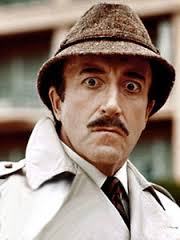
I’m taking a break from trying to unravel TV mysteries, or at least publishing my attempts. I’ve only been at it a week, but I’ve already lost confidence in my theories.clouseau

No sooner did I applaud the introduction of the urbane drug crook Nacho in “Better Call Saul” than my friend Isabel Sanchez suggested he could be a fed. I had not considered a sting.

Then, catching up with “Downton Abbey,” my theory that Lady Mary and Lord Gillingham were behind the murder of the evil Mr. Green seemed to crack. Was there not a suggestion in this week’s episode that Mr. Barrow might have taken him out?

I’m going to let the screenwriters provide more clues before I call everyone into the drawing room and reveal my genius. Of course, at the rate I’m going, that could mean the season finales.

My track record is well known in the newspaper office, where I often have had the tendency in real life to believe bad guys are good guys — up to the point of their convictions. Just ask Gallagher.

Ripping off the county treasurer who’s already embezzled the money and can’t complain to the cops when someone steals it from him: I love it.

I thought the plot and humor of Episode 2 of “Better Call Saul” continued with the sluggish pace of Episode 1 until the final scene with the smart, cool and articulate crook Nacho and his plan for the no-sweat crime. Now there’s a character more interesting than a psychotic but strangely gullible drug kingpin, adolescence-arrested skateboarders from a teenage nerd movie and a predictably angelic aunt — maybe even more intriguing than the broadly lampooned loser-lawyer Saul himself. (Yes, he wins cases but he continues to dig his hole deeper and the parking validation gag is getting old).

By sluggish I mean the long wait through the blood-on-the-rug scene — after which Tuco suddenly turns from smart and ruthless at home to shallow and foolish in the desert — at least one too many broken breadsticks, at least one too many cups of machine coffee and inexplicable scenes with paranoid brother, Chuck.

Maybe it’s like a newspaper story: Too much background before the good quote, too much fascination with your own words — in this case the camera — are guaranteed to make readers’ eyelids droop.

Enter Nacho. For me, his belated arrival jolted the plot forward like a rear-end collision.

I still can’t guess whether his ingenious rip-off-the-corrupt politician idea will instruct Saul’s future MO or whether Saul will simply be a man trapped by debt to the drug guys. But I also don’t know yet whether Saul is a skillful sleazeball or simply a bumbler with a gift for gab.

I agree lawyer Saul’s desperately inventive persuasiveness on the brink of disaster is funny. We’ve seen it in the courthouse and the desert now. But it takes a long time to deliver and, at least to me, registers like an insider joke. Hopefully, Nacho will be his inspiration as well as his doom.

And why are Saul’s business cards matchbooks instead of the good old nail files politicians used to hand out? Of course, I don’t think you can hand out either in most courthouses or jails. And since when does a wordless nod of the head mean “Get the toolbox out of the back of the van so we can torture these guys?” Especially when you don’t know what the box contains? Pipe wrench or wirecutters?

Meanwhile, while we love the production benefits, will Albuquerque viewers eventually start to complain about stereotypes?

Until later, in Nacho we trust.

I hope “Better Call Saul” gets punched up down the road, at least for the sake of Albuquerque and the new show’s Albuquerque fans.

I’m reluctant to be the spoilsport, but I was underwhelmed by episode No. 1.

I admit that my increasingly shaky, 65-year-old emotions were in tatters after first watching the 1943 version of “Lassie Comes Home.” But I found the humor of the first episode of “Better Call Saul” esoteric and protracted, as in the law firm and Chuck McGill scenes, or too obvious, as in the skateboarders. I thought the parking ticket scene was stretched, most punchy for the introduction of another “Breaking Bad” character. I wonder how many viewers got that the opening black-and-white scene was Saul’s post-“Breaking Bad” life.

The camera work is gorgeous. But I doubt that cutting-edge cinematography, glimpes of Albuquerque and cameo references to “Breaking Bad” are going to be enough to pull this show off for a national audience.

There was more tension in “Breaking Bad.” It had the advantage of the constant potential for violence. I applaud Gilligan-Gould’s switch to humor — and maybe that’s not permanent — but I think the script pacing needs to pick up. Twenty-minute intervals between punch lines are not going to be enough for most folks. At least, they were not for me after Lassie’s many close calls in her long journey home to Yorkshire from Scotland. The closing scene in the first “Better Call Saul,” with the door opening and a pistol barrel shoved between Saul’s eyes, was great, but it took a long time to get there.

“Breaking Bad” also had a character advantage. Walter White’s life had a “There but for the grace of God go I” quality. I don’t think as many viewers can identify with a loser lawyer, comical as he might be.

I know it’s a developing story, and I will bear with its amazingly talented creators. But, as for punchlines, I’m still getting a bigger chuckle over what Esurance achieved in under a minute with the Walter White as a “sort-of pharmacist’ in a Super Bowl commercial compared to what I got in an hour of “Better Call Saul.”

Having stuck my neck out here, I still don’t want to be fodder for Joline Gutierrez Krueger’s next column in the Albuquerque Journal. So, I’ll say again that my judgment last night might have been impaired.

I’ll try to watch again tonight. And, by the way, I came across “Lassie Comes Home” only while searching the channel directory to make sure I had the time right for “Better Call Saul.” And I surely want the show to succeed.

And this just in: A New Republic reviewer, Esther Breger, who apparently has seen the whole “Better Call Saul” season, writes, “By the third episode, it’s developed the same propulsive, addictive quality of its predecessor.”

Meanwhile, I was so absorbed with Lassie and Saul last night that I was too worn out to catch up with “Downton Abbey.” I’ll have to check in quick to see if my theory that Lady Mary and possibly Lord Gillingham, too, were involved in the murder of the insidious Mr. Green is totally bogus.

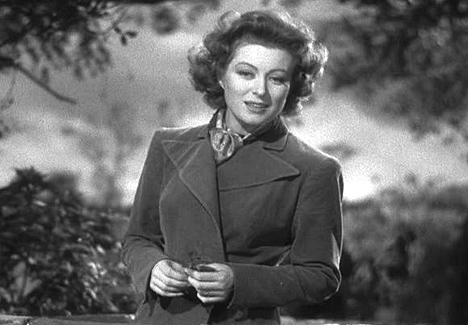
greer-garson-mrs-miniver-39Don’t know why I haven’t caught it before. “Mrs. Miniver” has a deceivingly simple title. It’s black and white and was released in 1942. But it stars the late Santa Fe arts patron Greer Garson and tells a story of the Battle of Dunkirk and Nazi bombing of England in the early days of World War II.

It’s a fine movie and a significant reminder of what the World War II generation went through.

Plus, there’s this line that might have applied to Garson herself, as well as the character of Mrs. Miniver: “You have this way of looking at people.”

I could easily see “Downton Abbey” flowing into the “Mrs. Miniver” script. There’s even a rose show theme with the same Lady Something-Or-Other always winning.

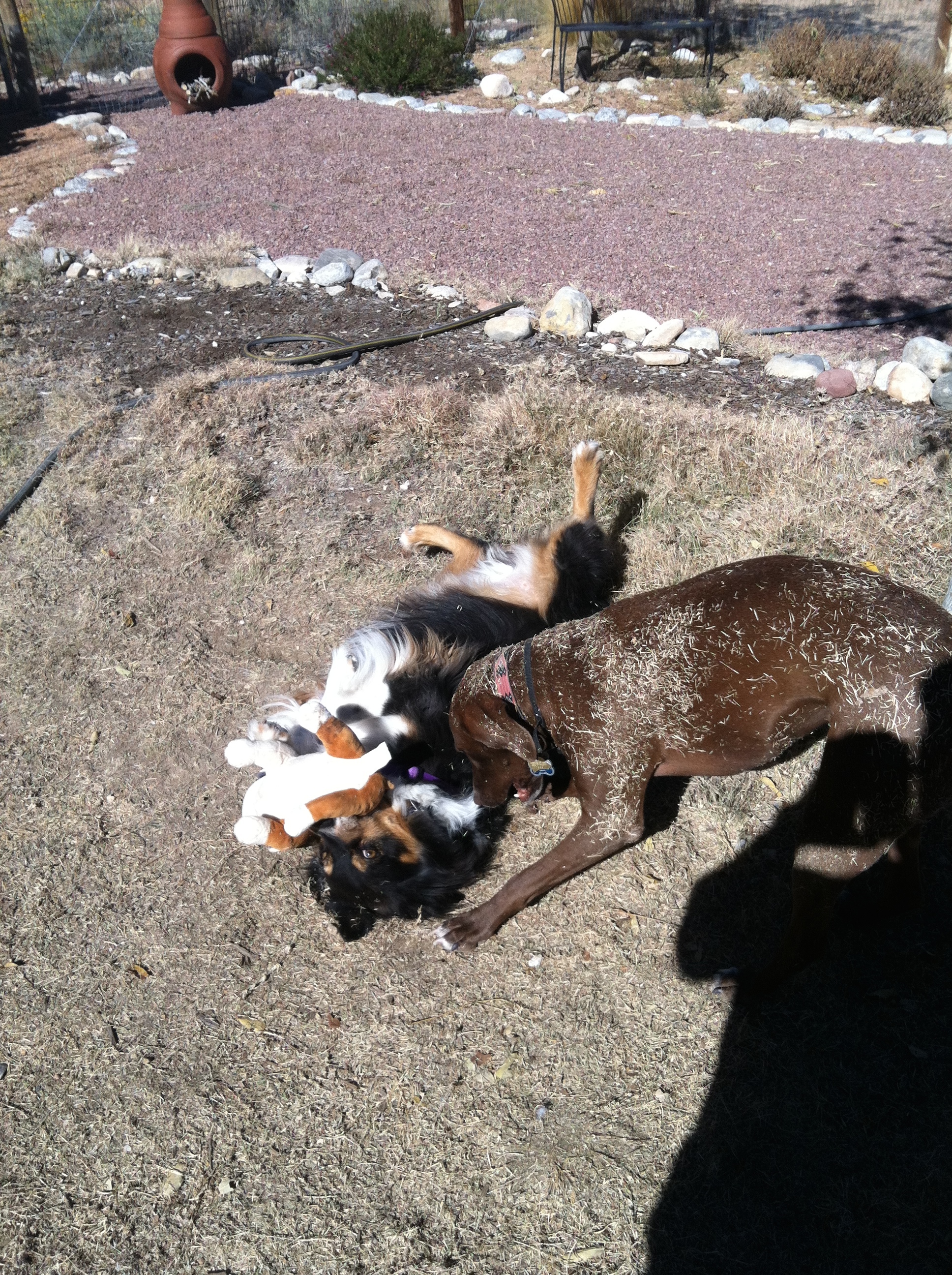
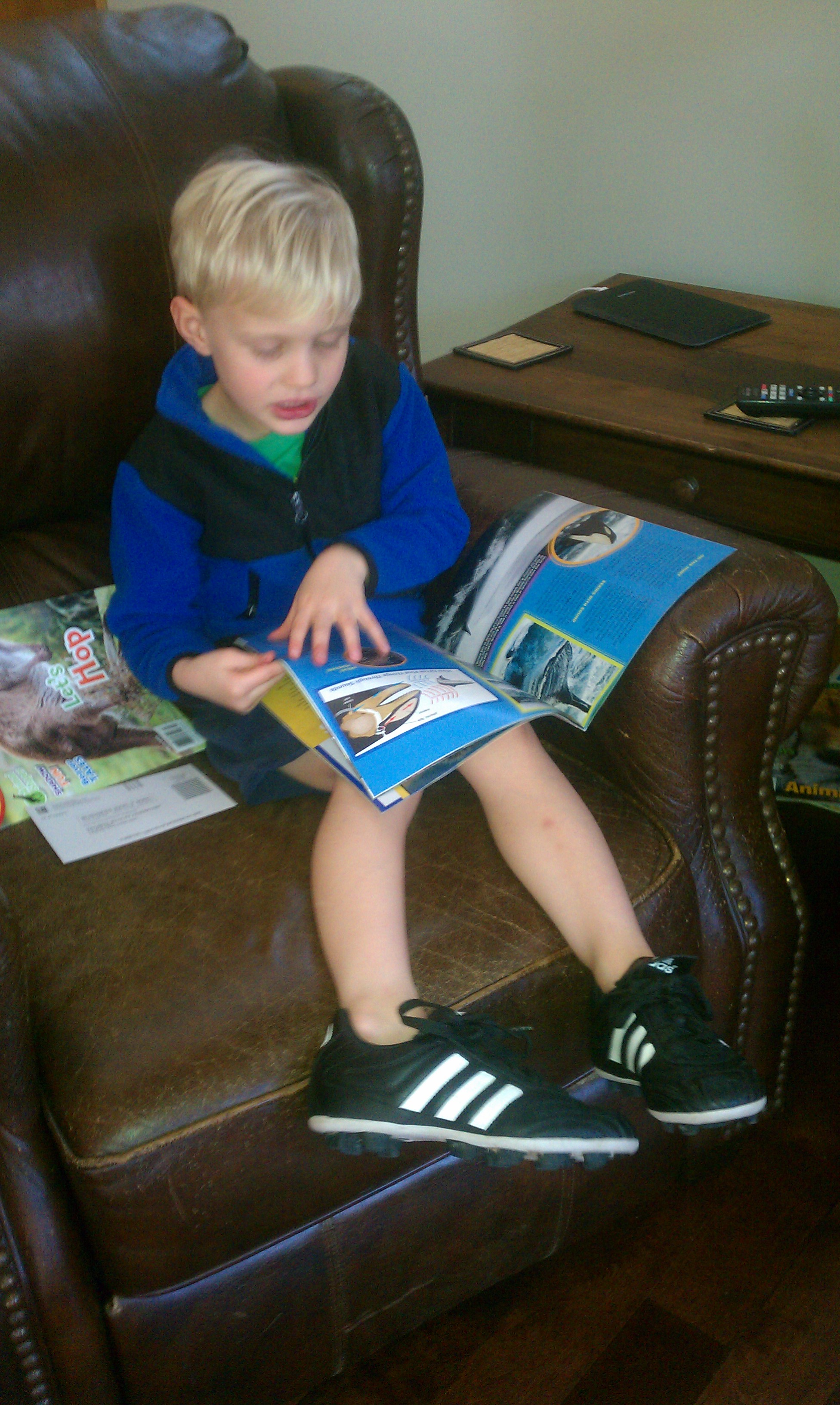
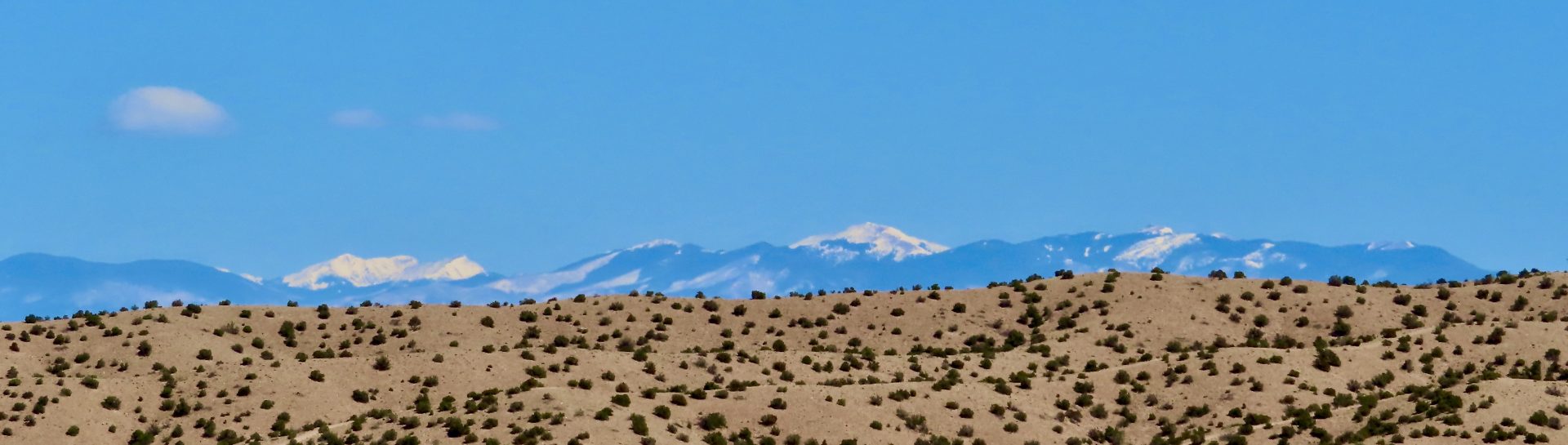
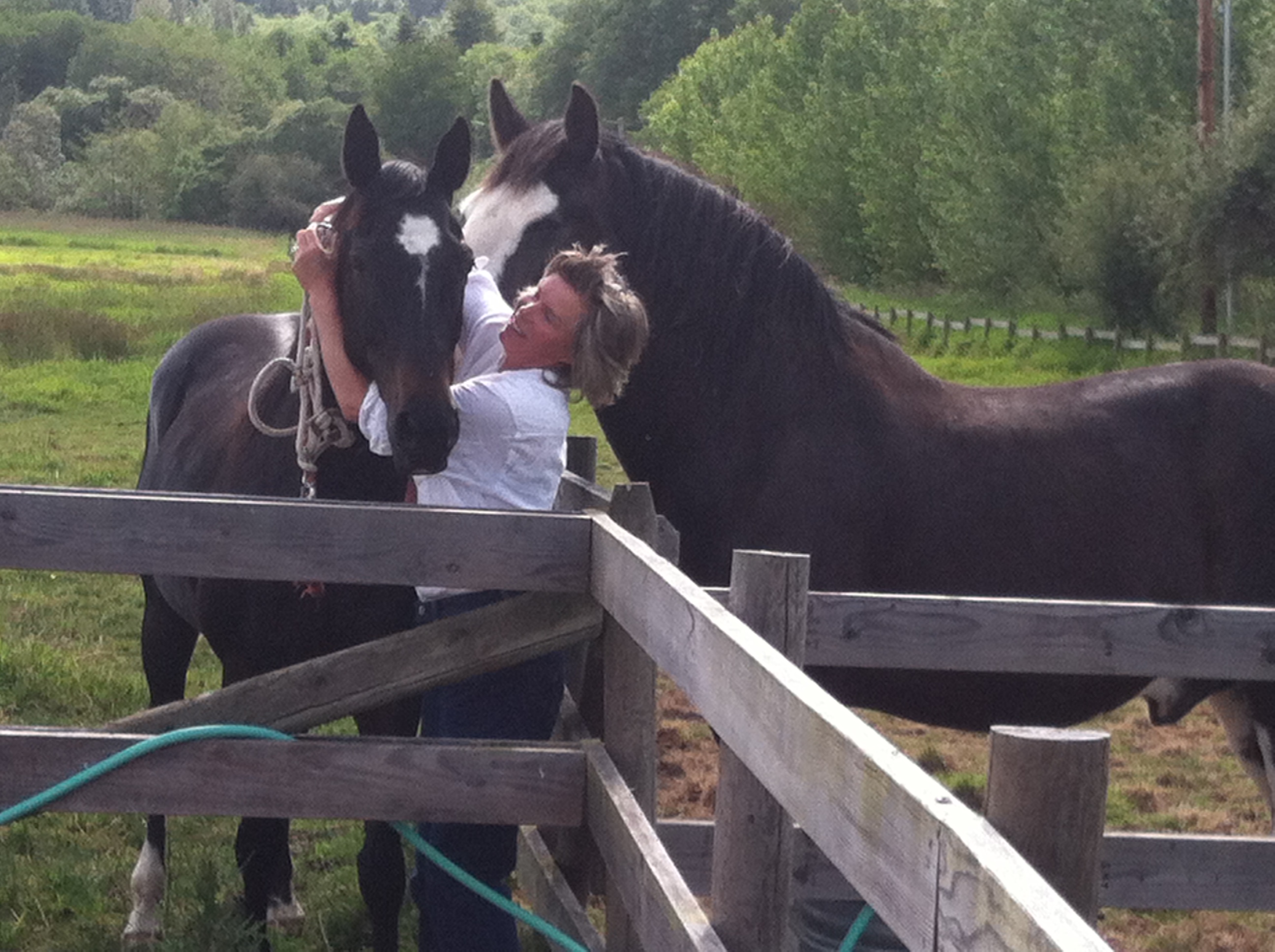
Scan 21Photos I’ve enjoyed looking at during chemo and radiation treatment for lung cancer.  Hope and Matt, Jefferson County Rodeo, Boulder, Montana, August 2014. Jane, Trinket and Chance, summer day. Cooper and Sara tearing up what’s left of poor Mike’s buffalo grass. Happy Tom: Ranger Rick and big cousin Will’s old soccer shoes. Larry Calloway’s 5-year-old Border collie, Bodie, near Crestone, Colorado, Winter, 2015.
IMG_1732

IMG_4174

IMAG2477

Bodie

Larry Calloway photo