Monday, Aug. 8, 2016
Monday, Aug. 8, 2016

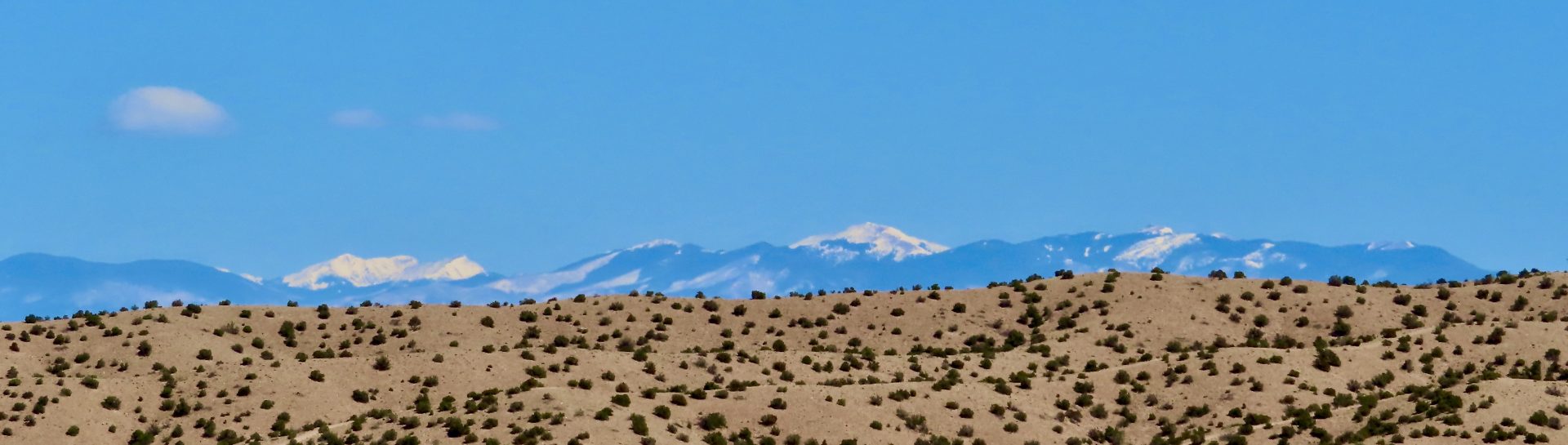
I am reminded that blue birds do fly, now and then.
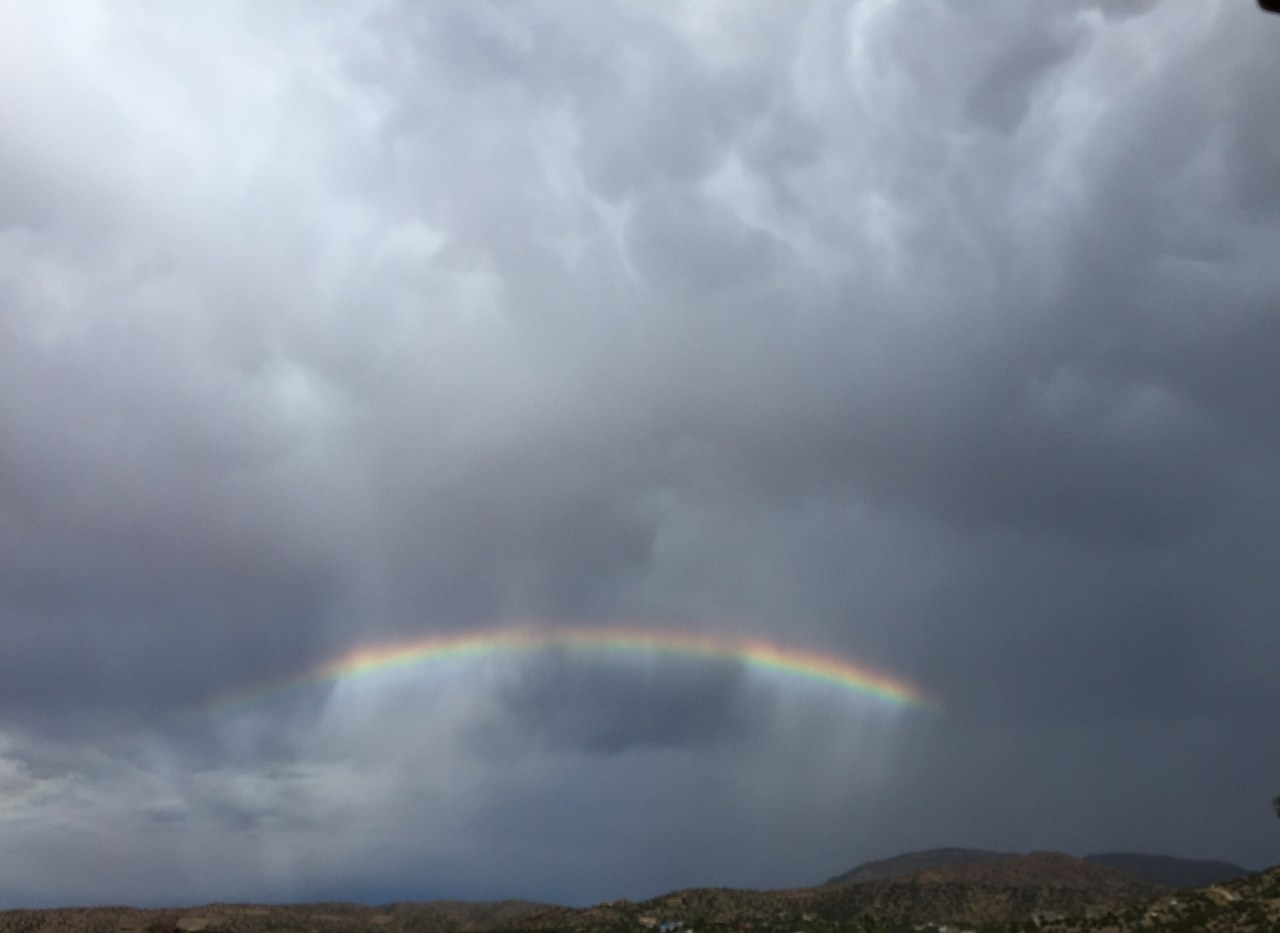
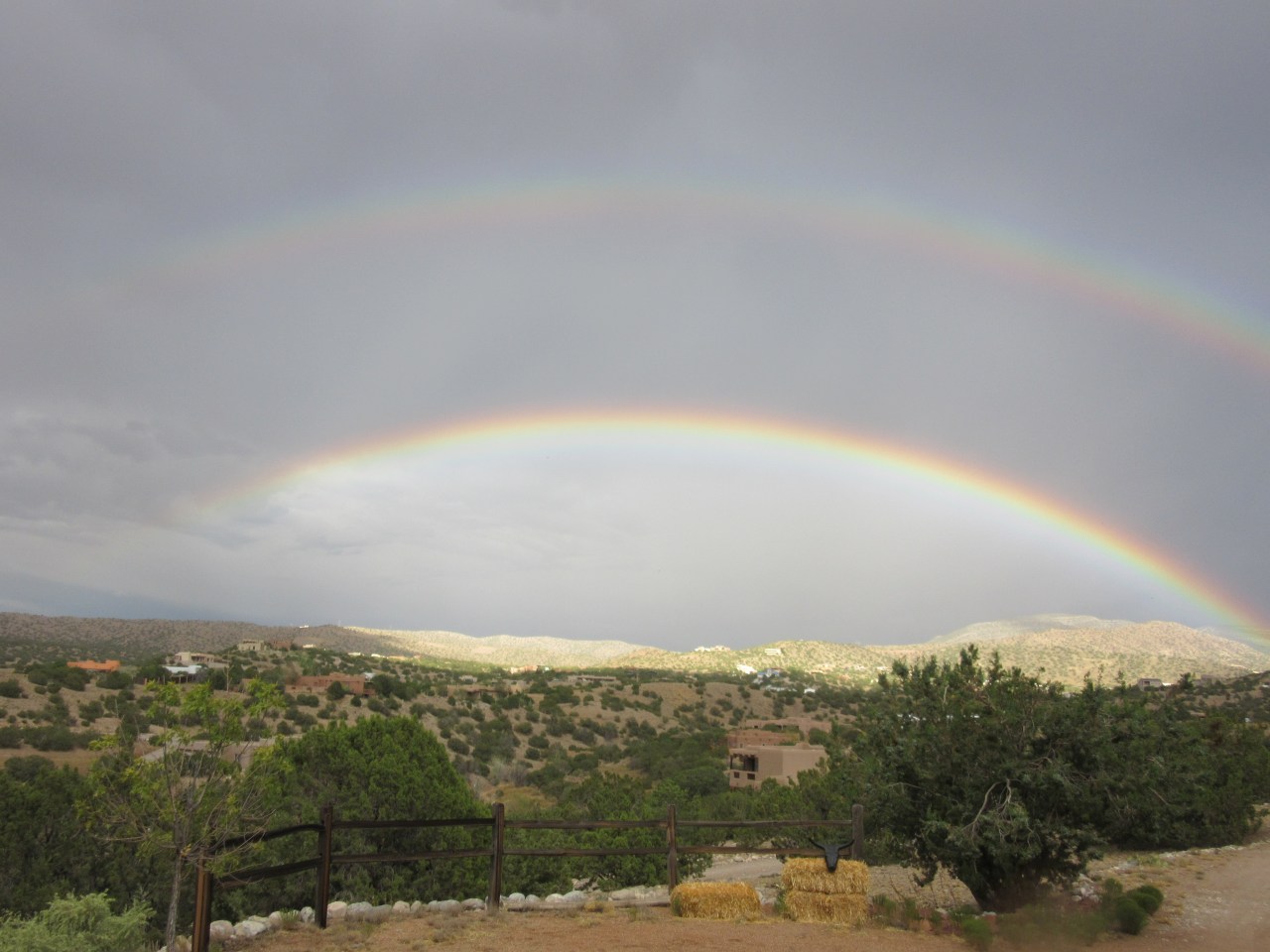
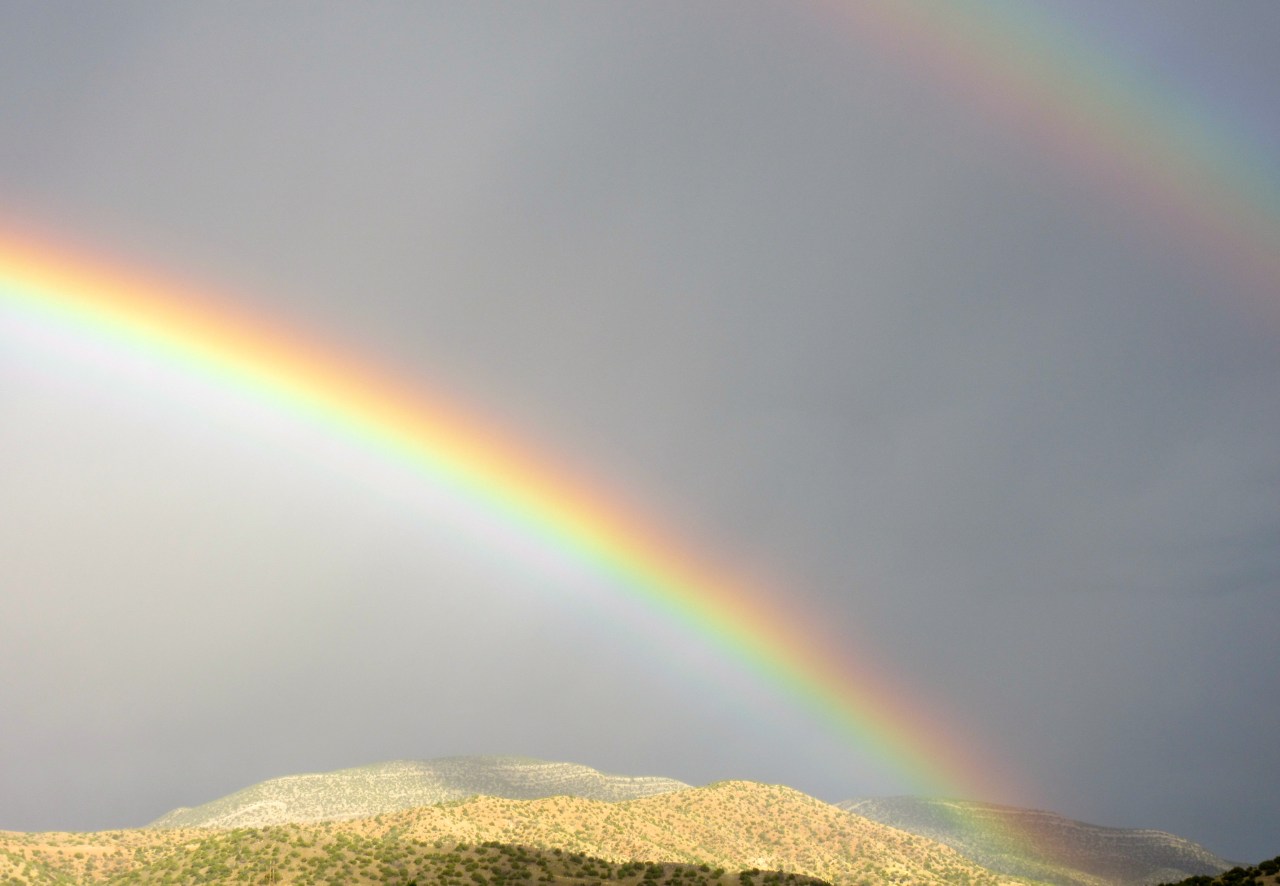
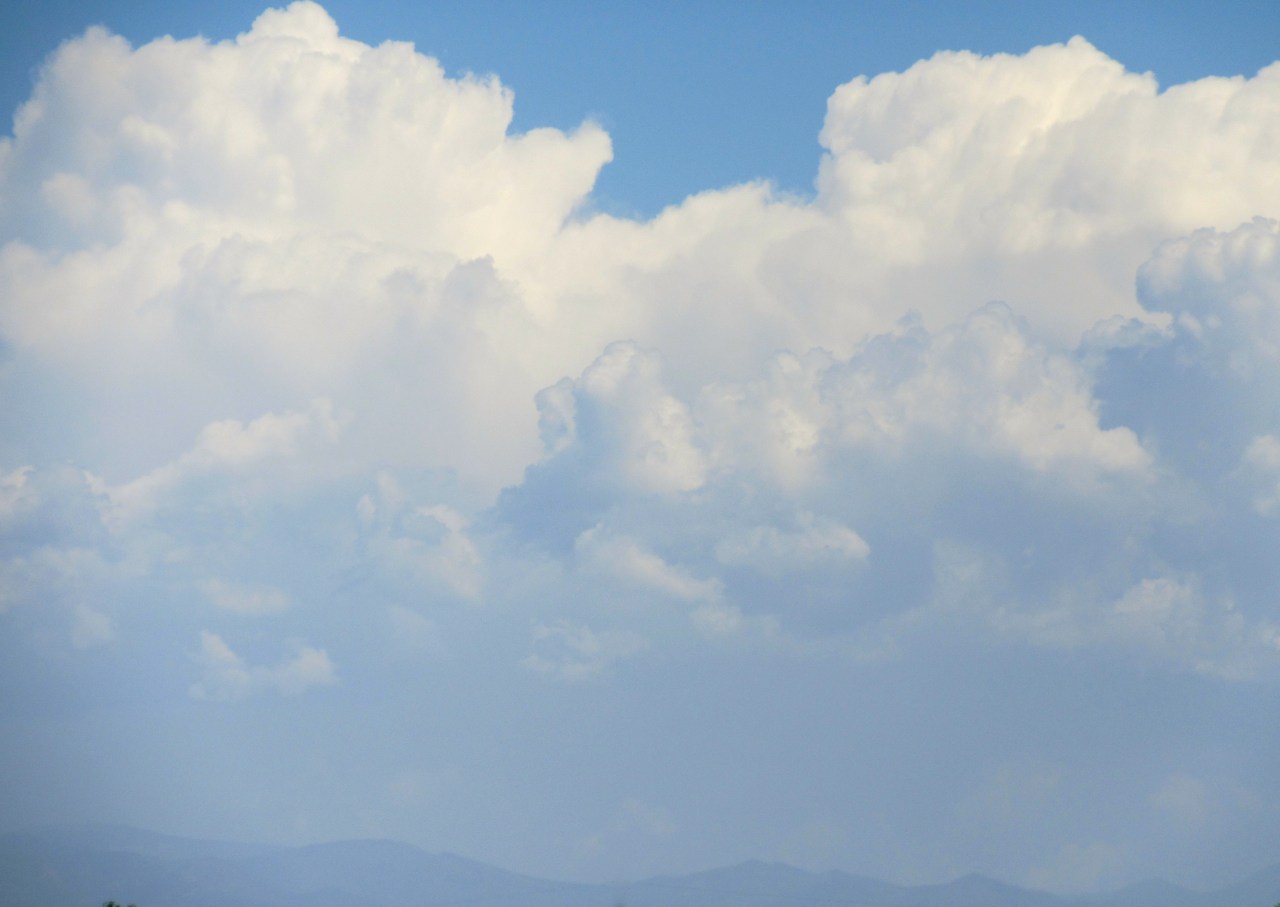
Sometimes empty is too much.

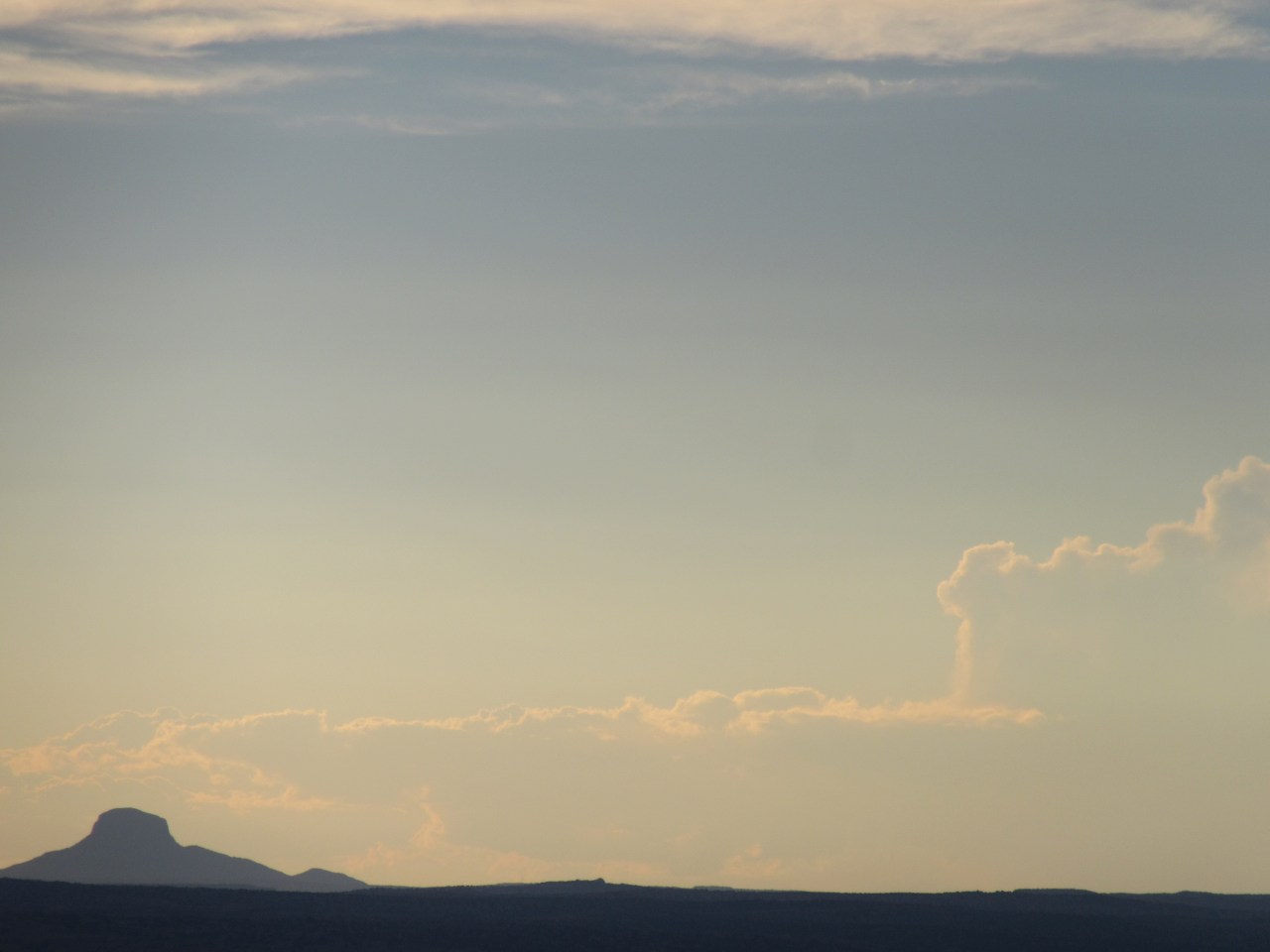
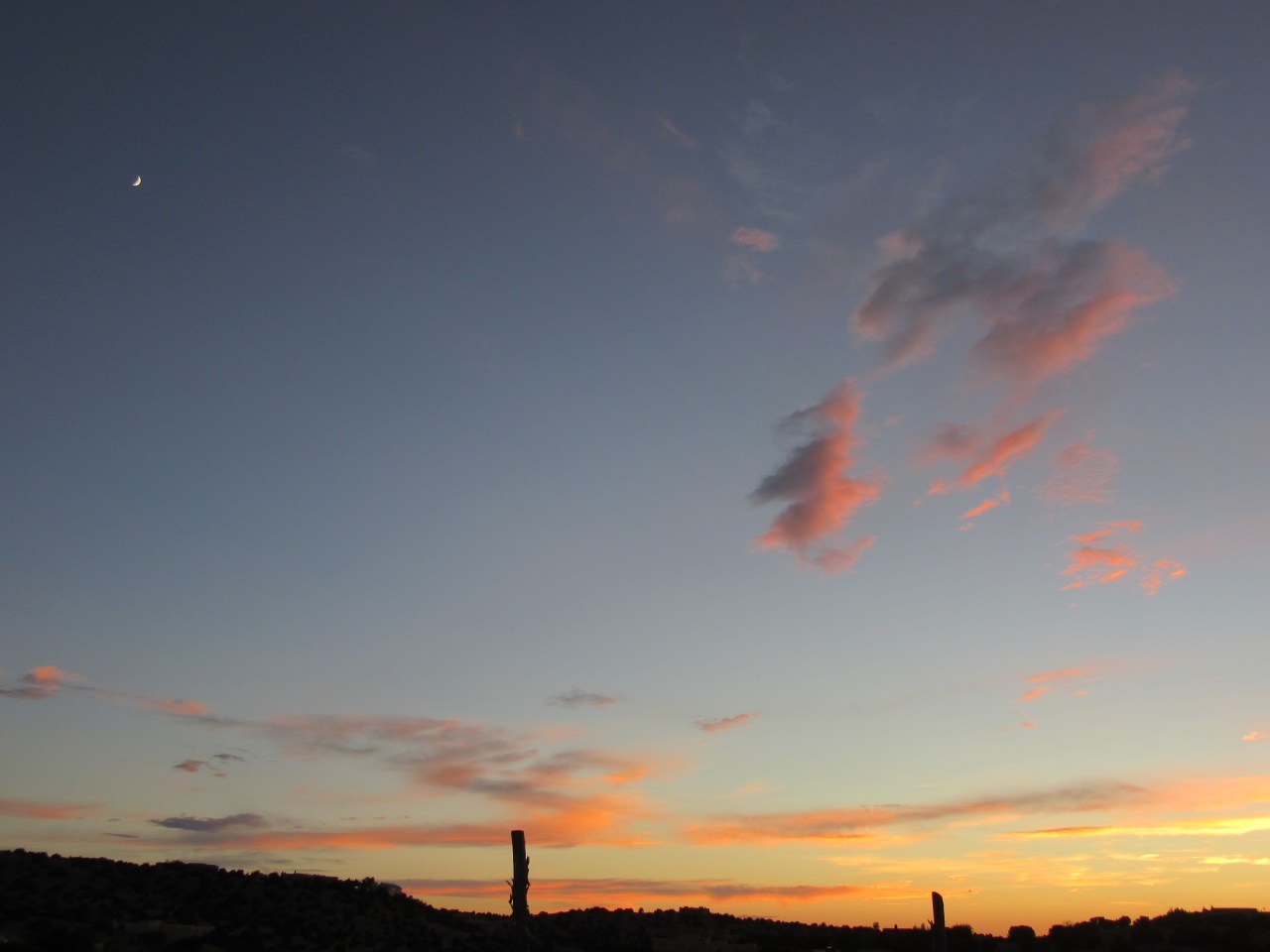
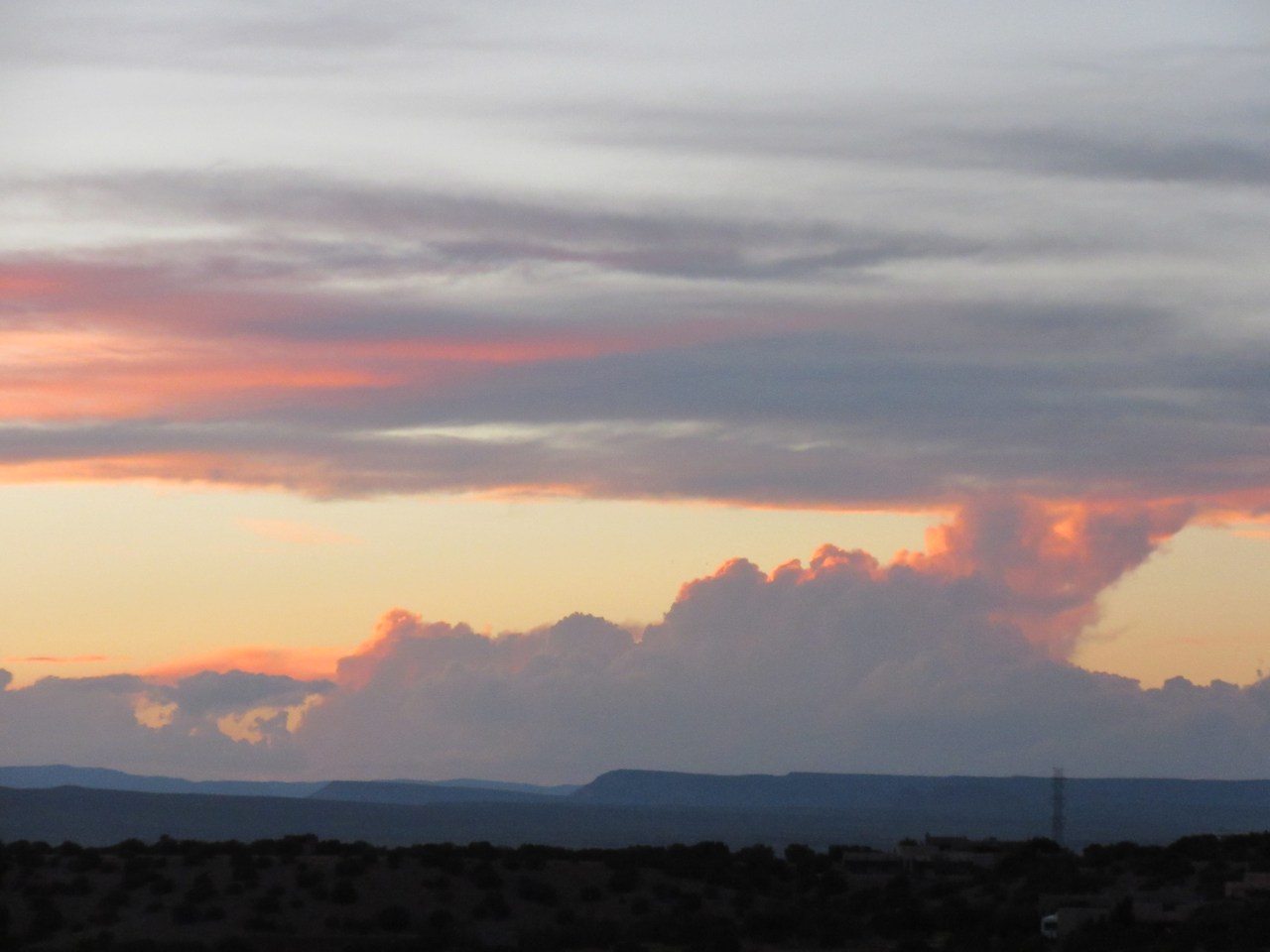
Sometimes clouds are everything.
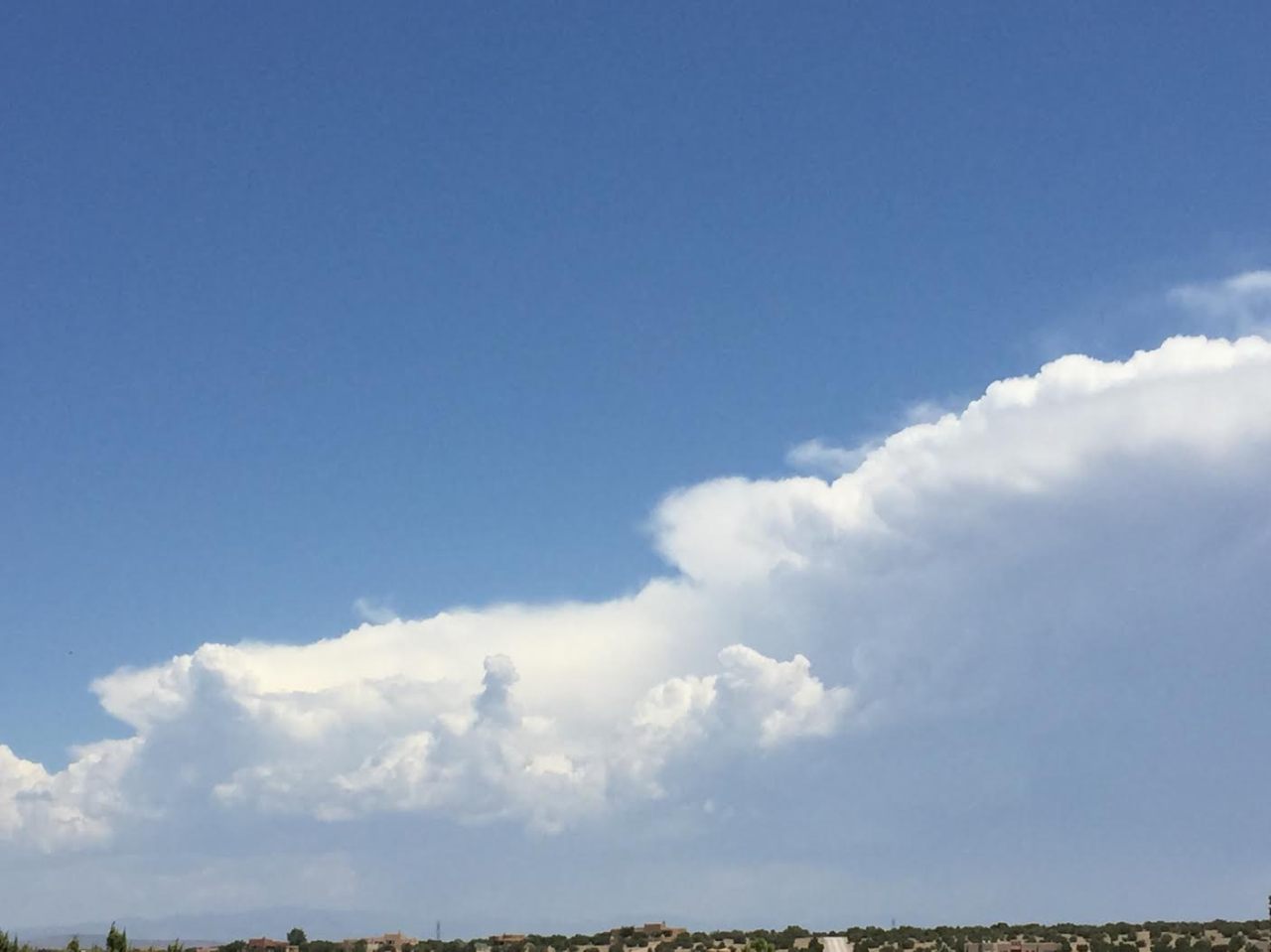
Change is slow.
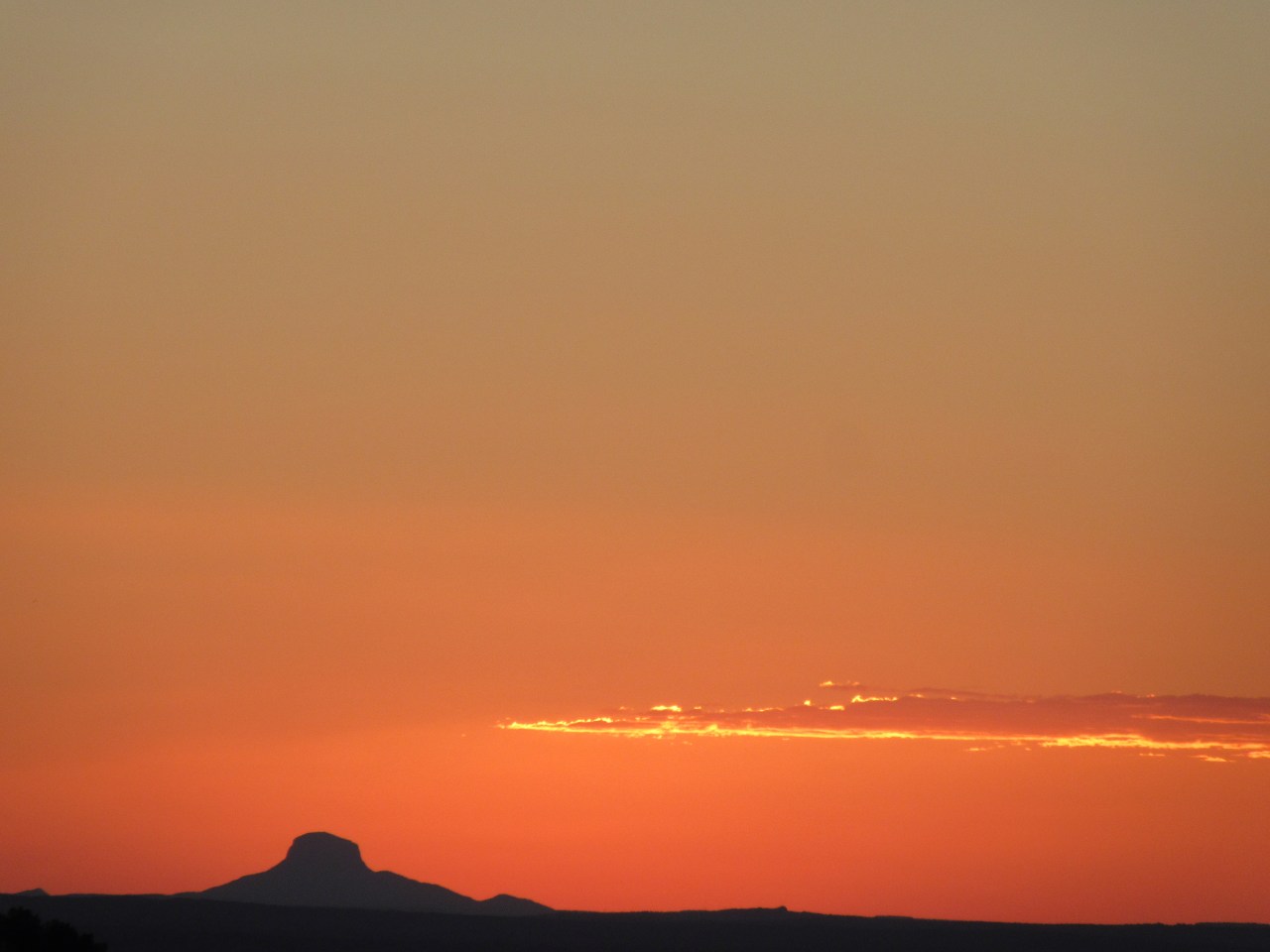
But oh …
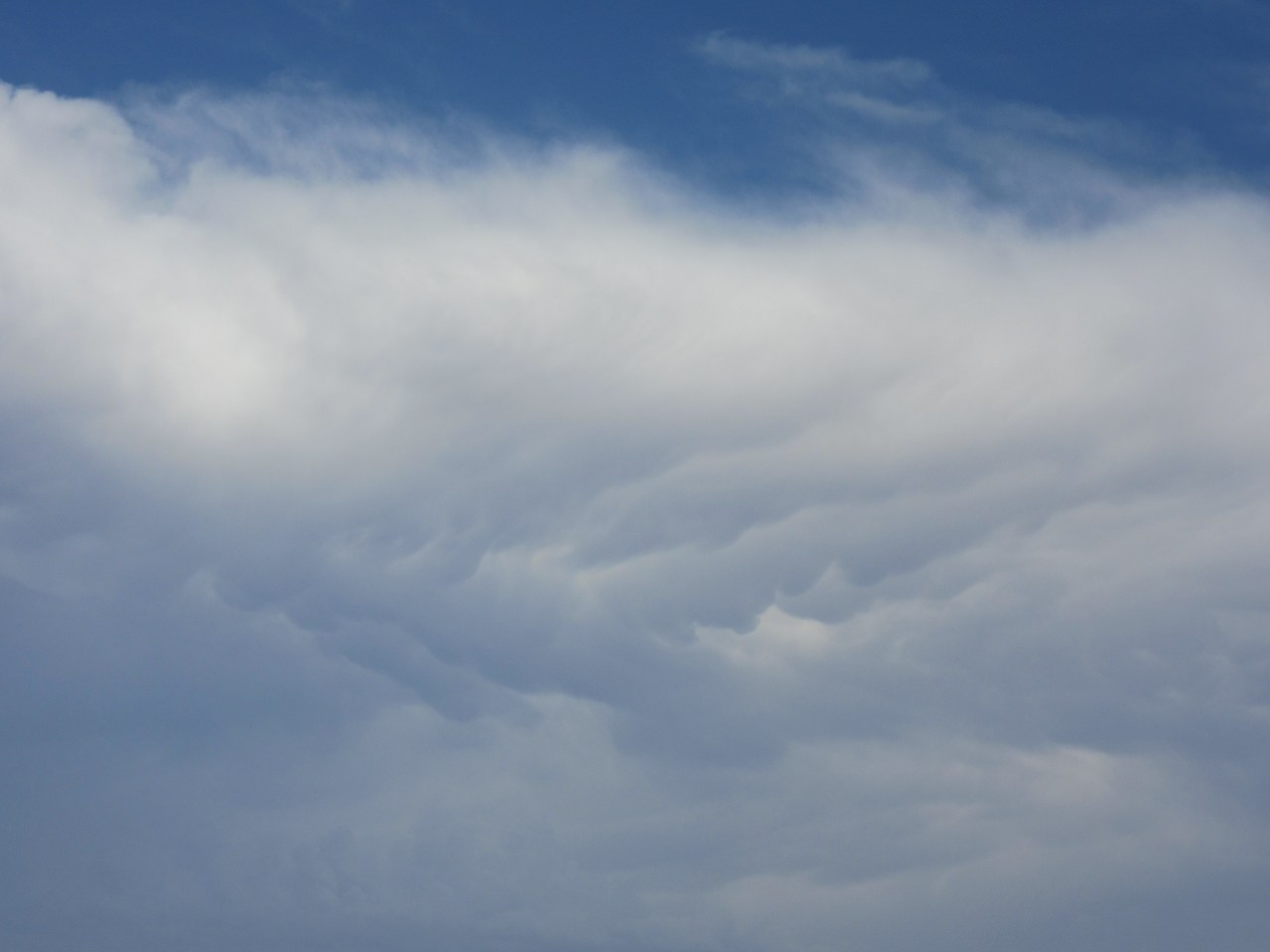


Here are three places I have found leadership in recent days.
News media treatments tend to emphasize seeming conflict in their views. I believe they underscore what is implicit in the president’s perspective: that more than one set of facts can be true … and acceptance of this is critical to resolution of problems for the common good.
“I firmly believe that America is not as divided as some have suggested … There’s unity in recognizing that this is not how we want our communities to operate. This is not who we want to be as Americans.”
http://www.cnn.com/2016/07/09/politics/obama-says-u-s-not-as-divided-as-some-have-suggested/

“Would this have happened … if those passengers were white? I don’t think it would’ve … Racism exists.”
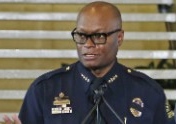
“I’ve never been more proud … of this great, noble profession … We’re hurting. Our profession is hurting … All I know is that this: This must stop, this divisiveness between our police and our citizens.”
http://www.cnn.com/2016/07/10/politics/dallas-shooting-police-chief-david-brown/index.html
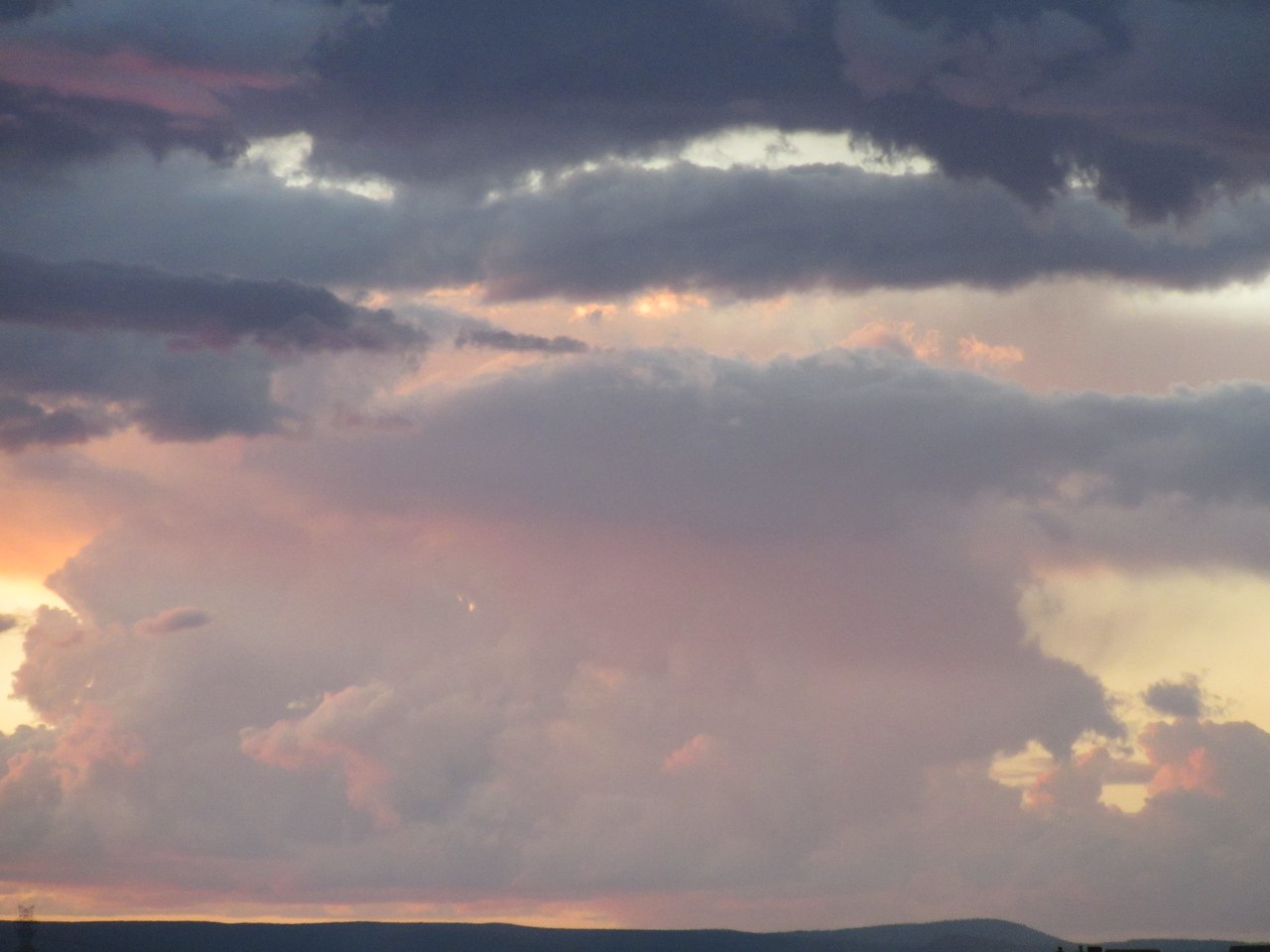
I had no business trying to work inside on Saturday night anyway.
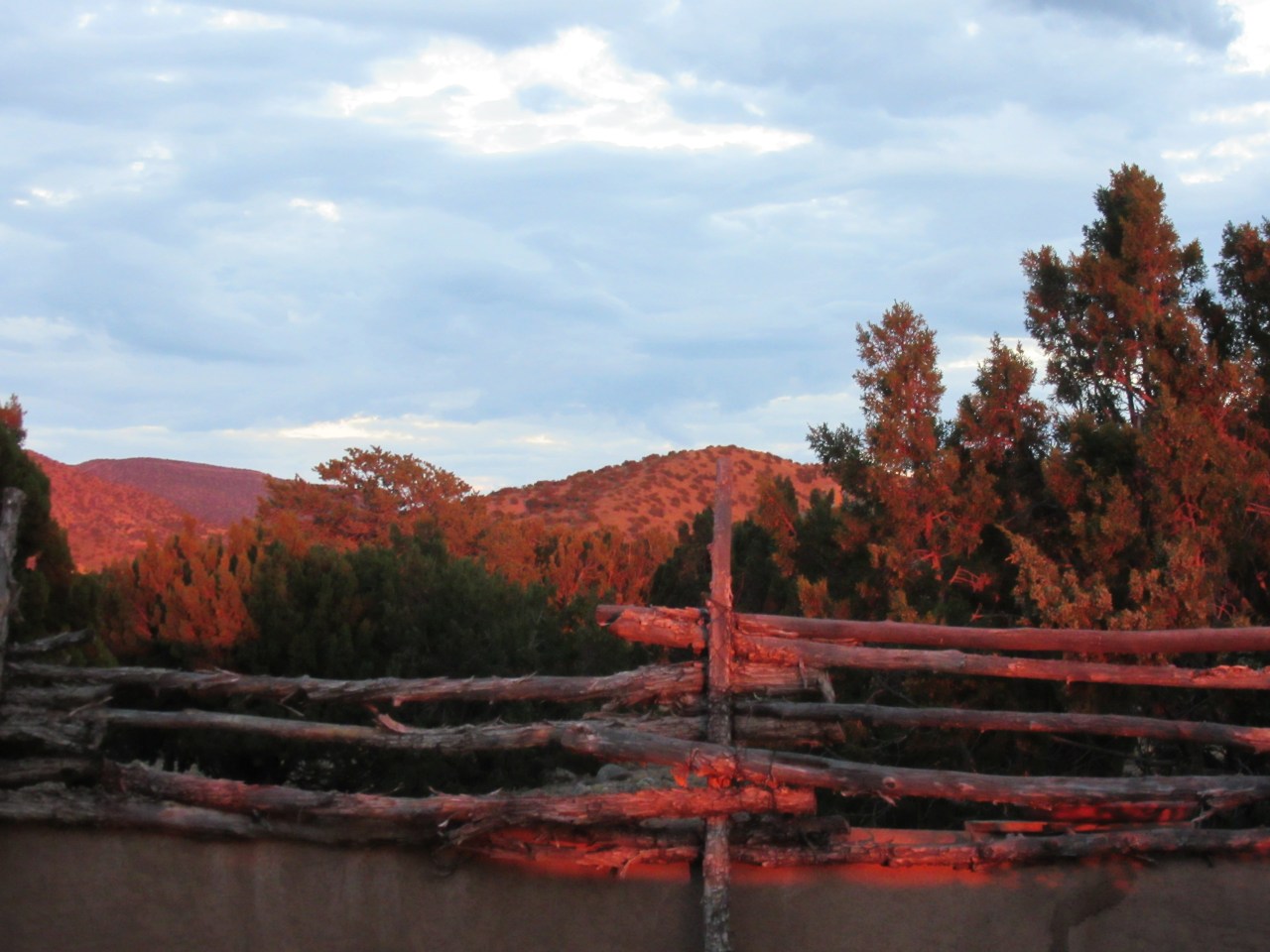


My desk purposefully faces a blank wall, but the sunsets come through the windows. No, I ain’t complainin’.
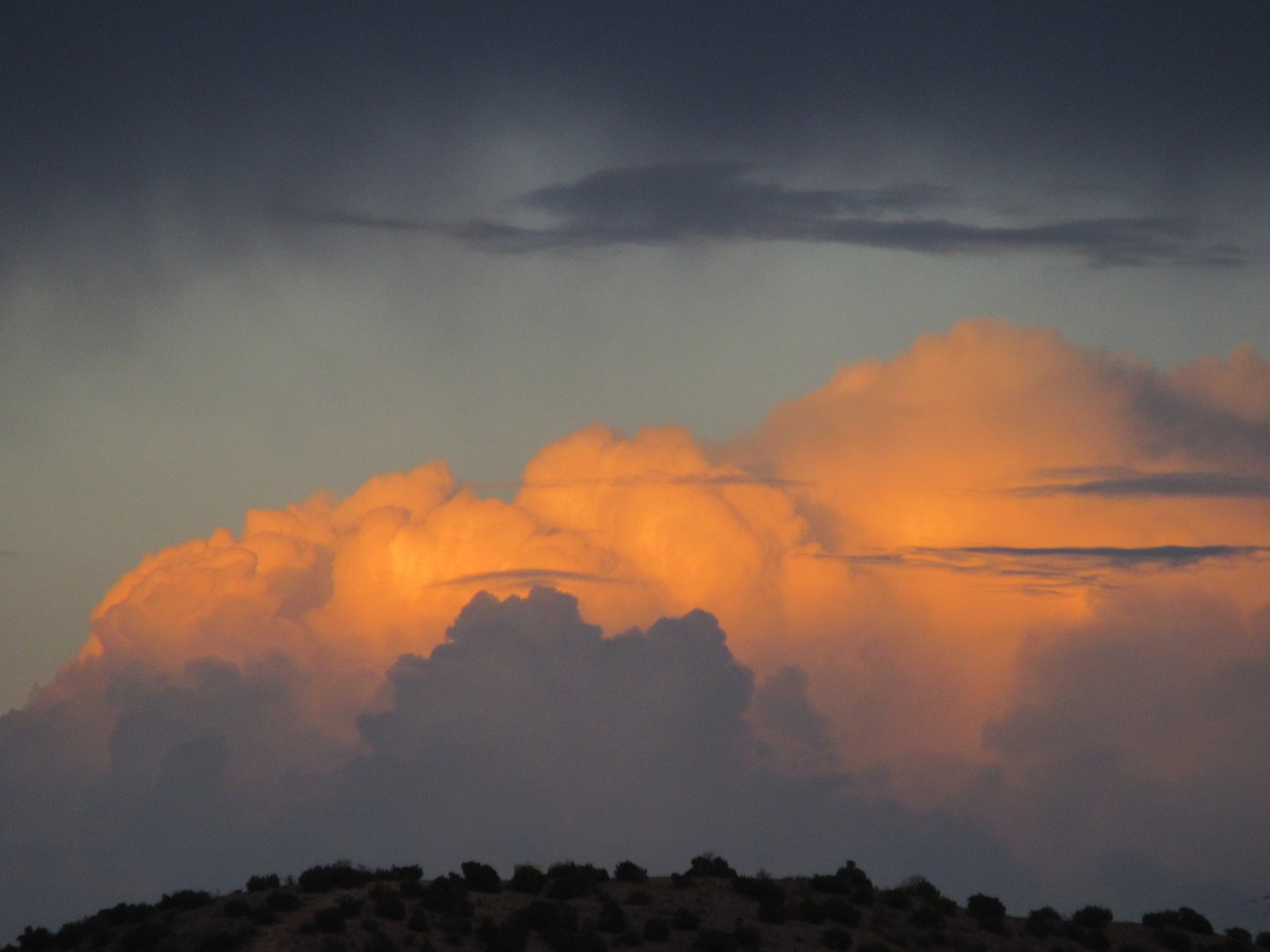


The weather technicians say it is the start of the monsoon, but I still balk at the New Mexico use of the term.
It works when I’m reading Joseph Conrad, but it seems out of place as I gaze at the Pajarito Plateau.
Against the grain of my newspaper training, reluctantly using two words instead of one, I’ll keep trying to to say rainy season instead of monsoon.
I am glad it is here, though, even if hurting for a change of names. I’m sure it is purely coincidental that it arrives as I emerge from the clouds of losing Cooper, who I still regularly see out of the corner of my eye, ironically like the flashes of lightning this morning at dawn.
If there is any consolation for the loss of my ever-so polite, horizon-gazing friend, it’s that he didn’t have to endure the week of 100 degree June temperatures that precede the season, nor the thunder and lightning that precede the actual rain.
But I found myself muttering “damn” again as I went out to pour water for the birds this morning and not to replenish Cooper’s pan.
And alone again now, I see myself more clearly.
I realize I am just two months short of living longer than my father, who died at 66. I realize that every dog that’s gone — the various Ralphs, the iconic Agua Fria-breed Mus, the incorrigibly playful Sadie, and Molly, the sweetest mutt ever, now Coop — reminds me distantly, like a far-off storm, of my father leaving home when I was 10.
I realize the associations of loss as I greet another season.

Dad used to joke about what he was reading in the waiting room when we were born. Titles I remember are Nausea and As I Lay Dying.
This did no justice to his first wife and mother of his three sons, but it is a funny reflection on an earnest, hard-working Depression-era guy who came from a blue-collar family with two disabled, stay-at-home sisters. His own parental career began early in college and produced the third son when he was in graduate school at the Writers’ Workshop at the University of Iowa (in Iowa City, Iowa, in case you’re lost).
He was a good teacher, newspaperman and Peace Corps TEFL supervisor in Turkey. After a collection of short stories for his MFA at Iowa — the first Robertson I know of to make it past high school — he managed through sheer grit to pound out at least two novels, 25 years apart, the first one serious, the second one funny. But nothing sold.

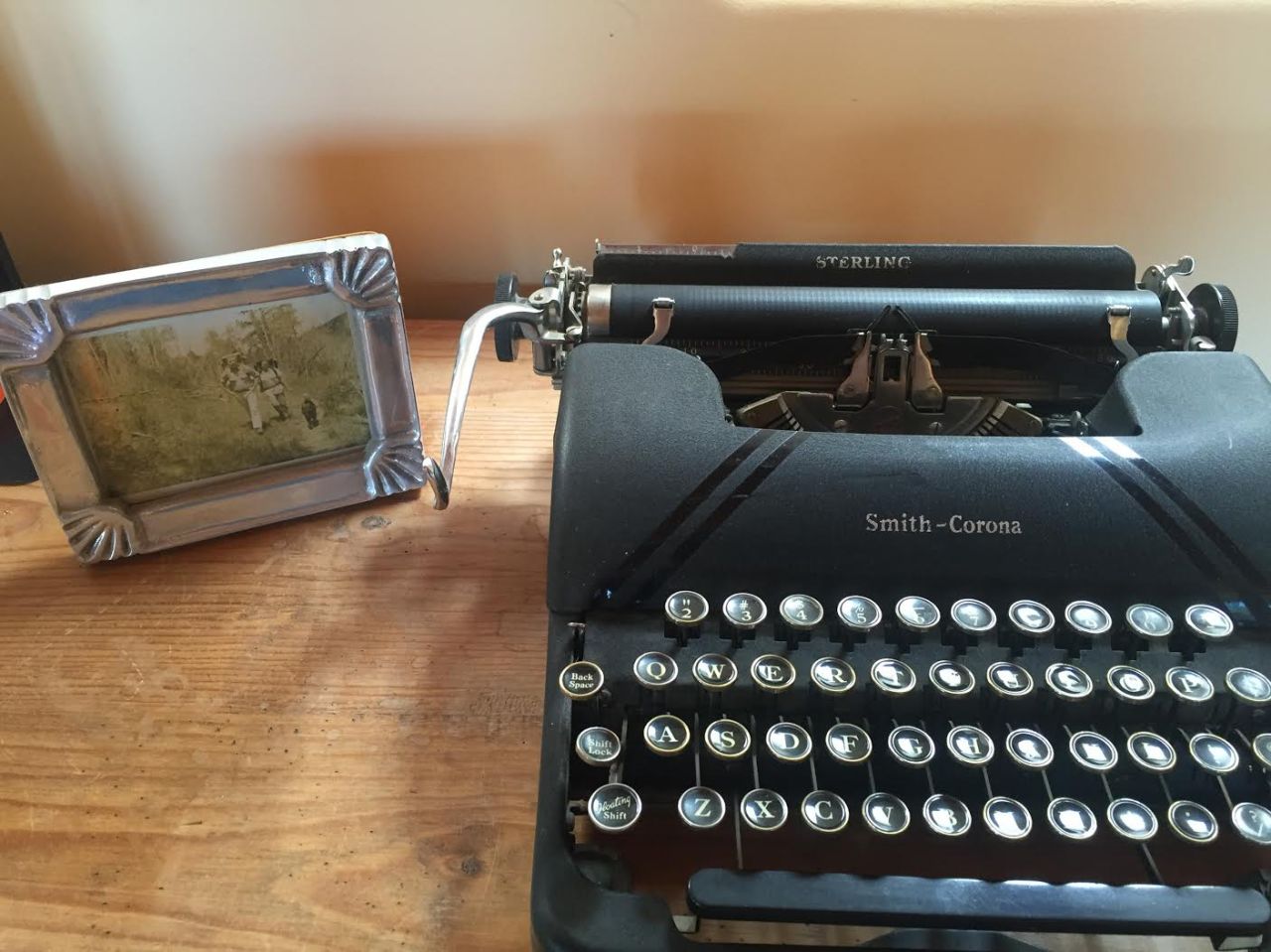
I still have the 359 onion-skin pages of the first one, immaculately typed by himself on a Smith-Corona portable nearly 60 years ago. I can still remember the sound of the typewriter keys in the basement, before and after work.
His brilliance with language extended from fiction and poetry and newspaper writing to fluency in Spanish and Turkish and letters that melted your heart and put some Marine Corps in your spine. From him — the sound of childhood Theodore Roethke readings still rolling through my mind — I got my own love of words.
He finished his first novel or started a second in Mexico, after leaving home. He came back, but maybe after relinquishing some of his writer’s fire. He gave his time to his sons and understanding new wife, aging parents and ailing sisters. Sometimes he couldn’t take the mainstream and would break away, once in the middle of the night to follow King on the march from Selma to Montgomery. But somehow, with all his strength and grace, he could not make headway in the publishing world.
I look at this picture of him looking tan and tough in the mountains of Mexico after he had retired from the Peace Corps to try to write again full time, but was not yet free of family responsibilities. The note on the back of the photo says, “Enroute to the village of Cuale, Mexico, 1975.”
I think he got trapped by the post-war, suburban stability version of things before he could really let loose with the Great American Novel. And he probably was too kind anyway to write the truth. He was never free of the family he grew up in, let alone the one he produced.
He enlisted in the Marines after high school, but World War II was just over and his struggles became the post-war, middle-class challenges of money and family, even as he started college on the GI Bill. He had no connections in the Ivy League literary scene and career had to be less an ambition and more one that paid the rent. We were always on the short end of the American dream, although never out in the cold. A sea of ticky-tacky houses and a homogeneous population would have driven him crazy, anyway. My stepmother’s later love and eventual money might have given him more chances. I always thought he was smarter and tougher than anything, but we learned that didn’t include booze.
Freedom was his treasure of the Sierra Madre. I can see the look in his eyes.
But the more I study this photograph, it looks to me like he was sitting on a tailings pile of an abandoned mine. Maybe gold or silver. I’m guessing he thought of the ironies before I.
Thank you, friends of Cooper and John.
Your notes and kindnesses meant a lot to me after Cooper’s passing on June 11. It lifted my spirits to be reminded that so many of you were Cooper fans, too.
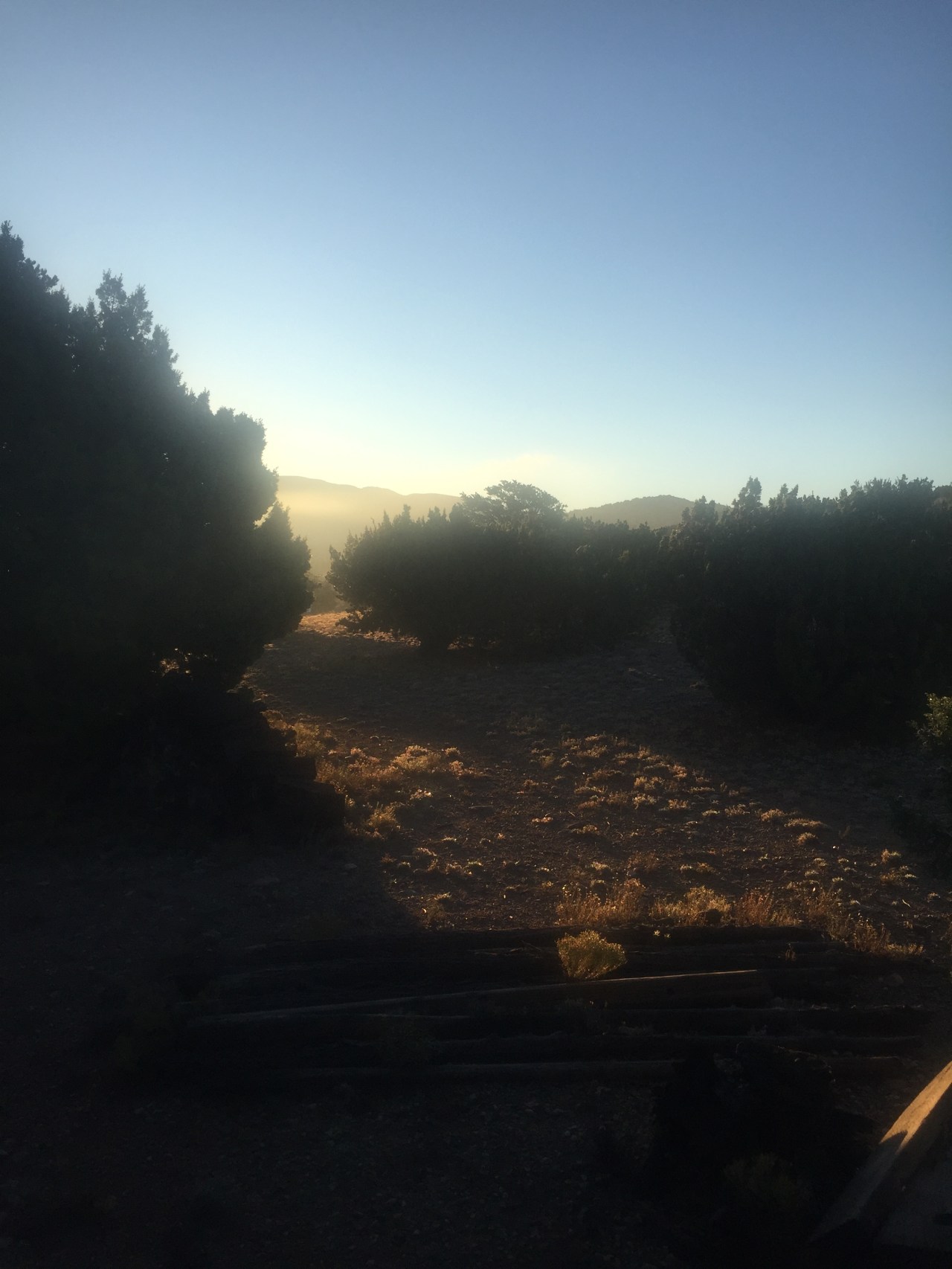
I have been short on words since his death. The trails are clear, but I still pause. I am holed up at home today until some of the smoke clears from the fires all around. June, with its heat and high pressure, is always a challenge. And it’s often just a prelude to slurry bombers, thunder claps and lightning strikes still to come.
Cooper preferred shade and snow and a quiet order to things. This was home with a capital H after the animal shelter. Even when we were broken into, Cooper, blessedly unharmed, was here with all the doors hanging open, waiting in the bedroom among strewn possessions, calmly knowing it was me bursting in after the invaders had left.
We had long stretches of good times, but I was never sure how the ice would break.
Cooper was in the pet ICU on antibiotics Friday as I waited for what turned out to be a good PET scan result for me, 14 months out from treatment for lung cancer: No sign of recurrence to date.
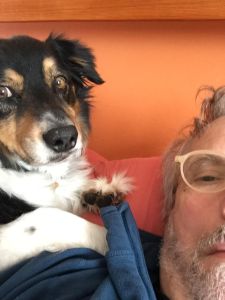
I never told my oncologist, but Cooper helped me through chemotherapy.
You get kind of crazy waiting for these results — nearing the end of each six-months cycle and in the five-day wait between scan and your oncologist delivering the result. But this was great news.
There was even more good news while I waited at the Rust Cancer Center for the meeting with my doctor. Patrick Whelan called to say our old friend Howard Houghton was up and, surprisingly, talking — maybe even grousing — after nearly six hours on the operating table and triple coronary bypass surgery at Presbyterian Hospital in Albuquerque.
Cooper’s struggle clouded my delight at humans surviving health care dilemmas. Back home, I was incapable of reading or writing or even walking, the principal pastimes at dreamranch.
I figured dumb TV was the only distraction and I clicked on the western movie channel.
I am not embellishing this story when I say what flashed on the screen was the dark mountain highway death of the horse Whiskey at the end of “Lonely Are the Brave. Kirk Douglas and Whiskey had just made it over Sandia Crest to freedom when Carroll O’Connor’s truck struck them in the rain. I first saw this movie at the old El Paseo theater on San Francisco Street in Santa Fe when it came out in 1962. I have seen it seven or eight times since but years ago vowed that I would never watch that final scene again.
I clicked off “Lonely Are the Brave” as fast as I could and waited for the next cowboy movie to come on. It was “Hondo,” with John Wayne, and I forgot until too late about the scene where his loyal dog Sam gets speared by a grinning foe in another drenching rain.
And then the make-believe tragedies morphed into the craziness and brutality of Orlando. CNN, chilling as it was, was my companion through Sunday.
Cooper was here just two months short of 10 years. He was sick, that I know of, only twice in our relationship — when he was at the animal shelter and in the days before he died. I felt helpless at the end — still have trouble believing I can’t shake him back to life — but tried to take care of him best I could.
He never met, that I know of, a human or another dog that he did not like. He never hurt anyone or any thing. He was the most polite dog I ever met. He never whined, bit or stole from a counter. His couple of early dodges away from home were brief and only in pursuit of pretty girls. His only unruly habit was to hop in the sooty adobe fireplace during thunderstorms. I learned to keep it clear of ashes.
After thunder and lightning, he was most fearful of gunfire and opening drawers– violence and first aid in his previous life were the associations, I guess. Otherwise, I think he was a happy, egalitarian guy. He loved to lie on the hillside and gaze over the horizon, enjoying the quiet and calm. I am glad he was spared my television-watching of Orlando. I know he wasn’t just escaping the heat and smoke of June; I junked the swamp cooler and got him central air in 2013. But now he is free, too, from my muttering about Trump.
Soon, I will bring his ashes home. I will spread them on the hillside above the house, where he can keep track of things and I can still see him.


Cooper died Saturday after a short but devastating bout with aspiration pneumonia. He was maybe 13. He was a very good guy.
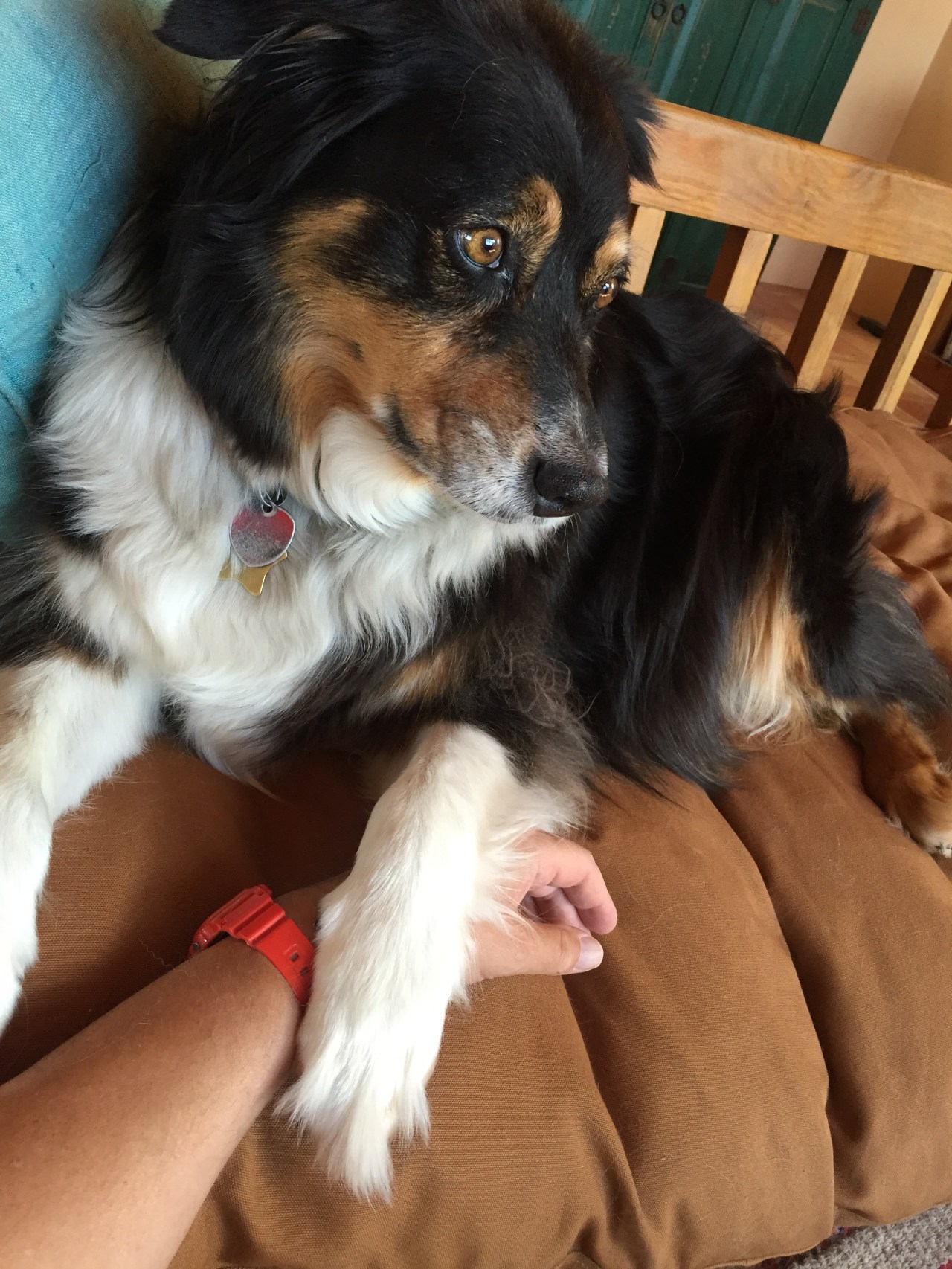
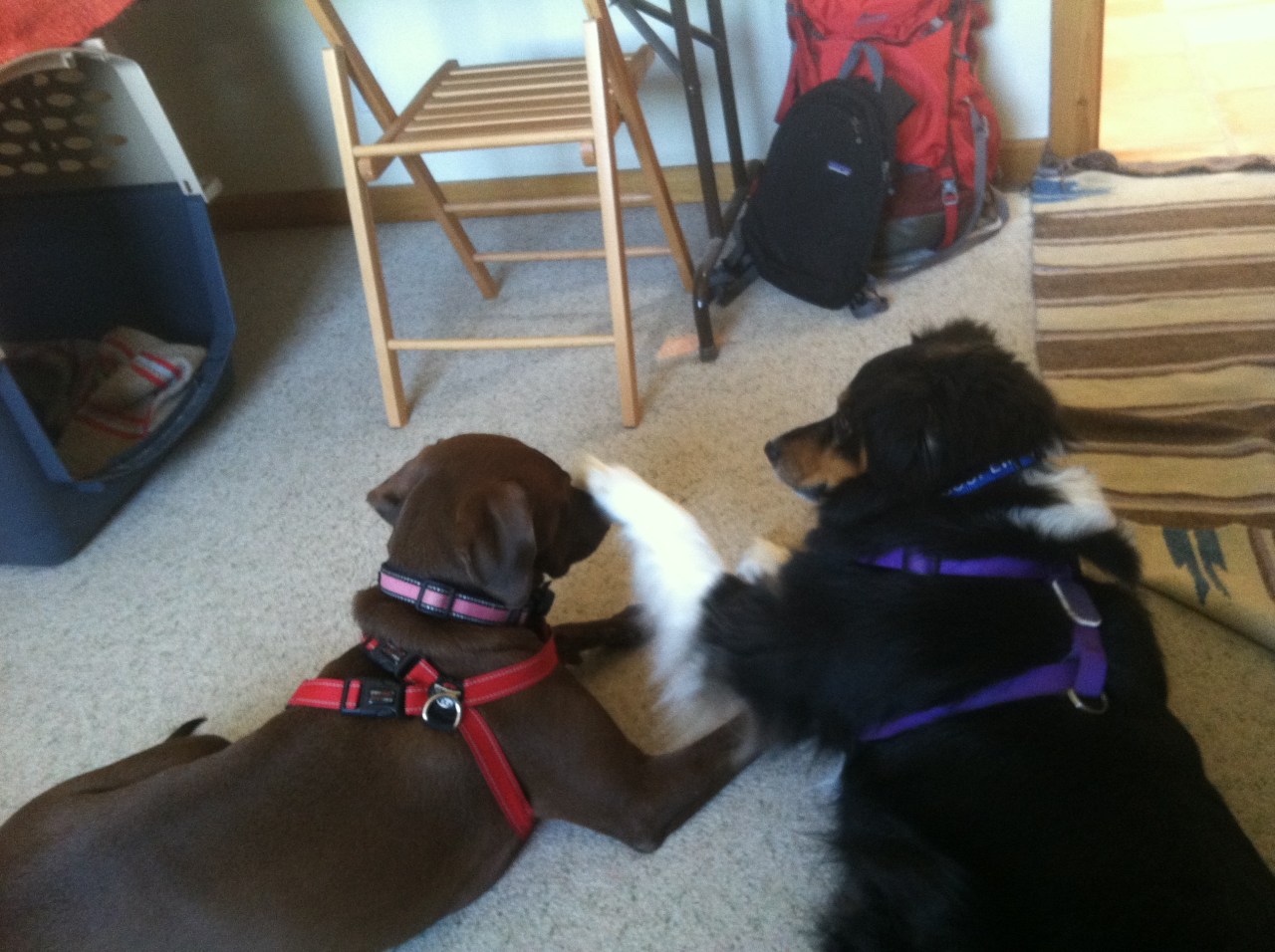
Cooper and another of his best friends, Sara, watching me read.
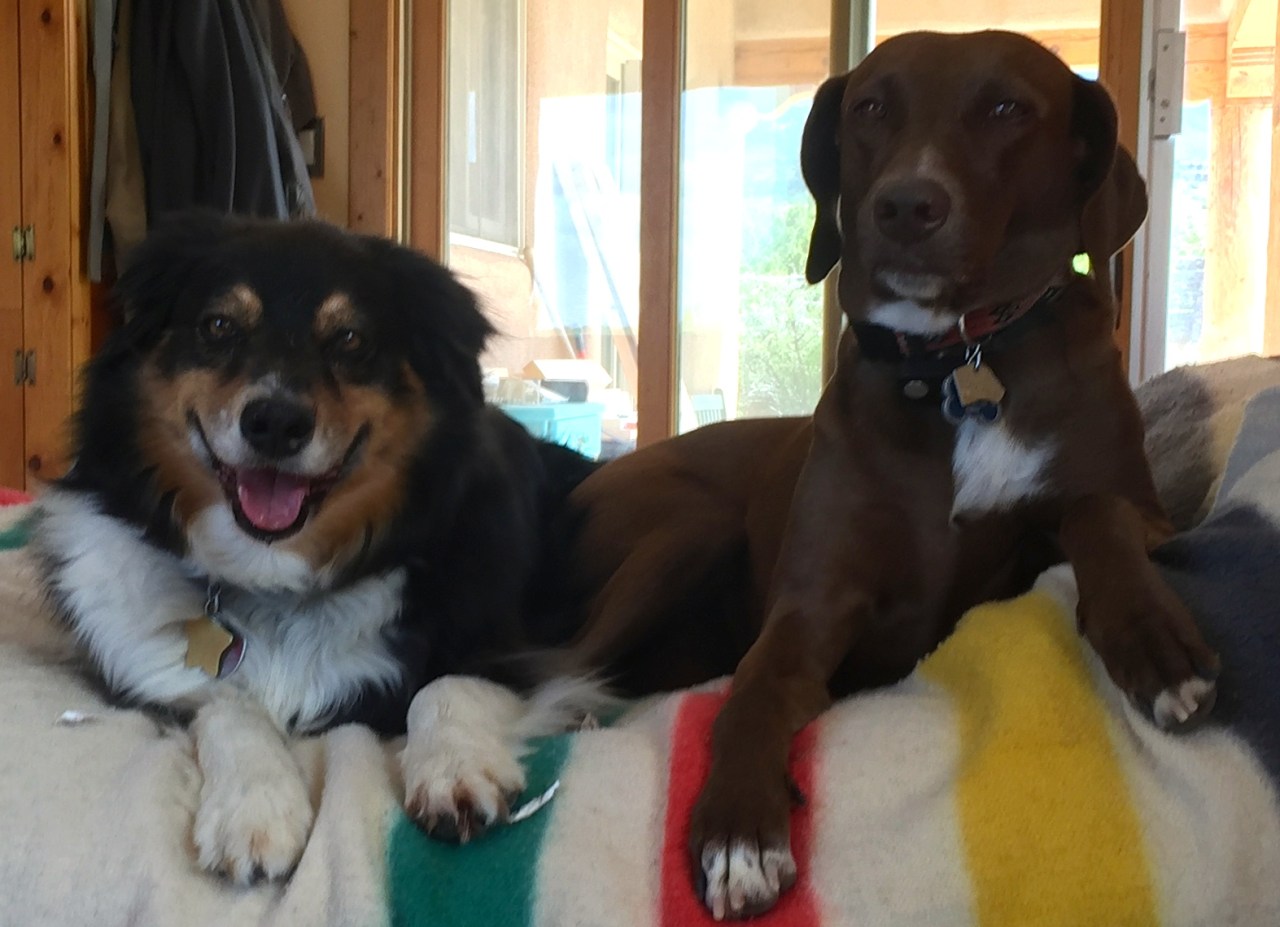
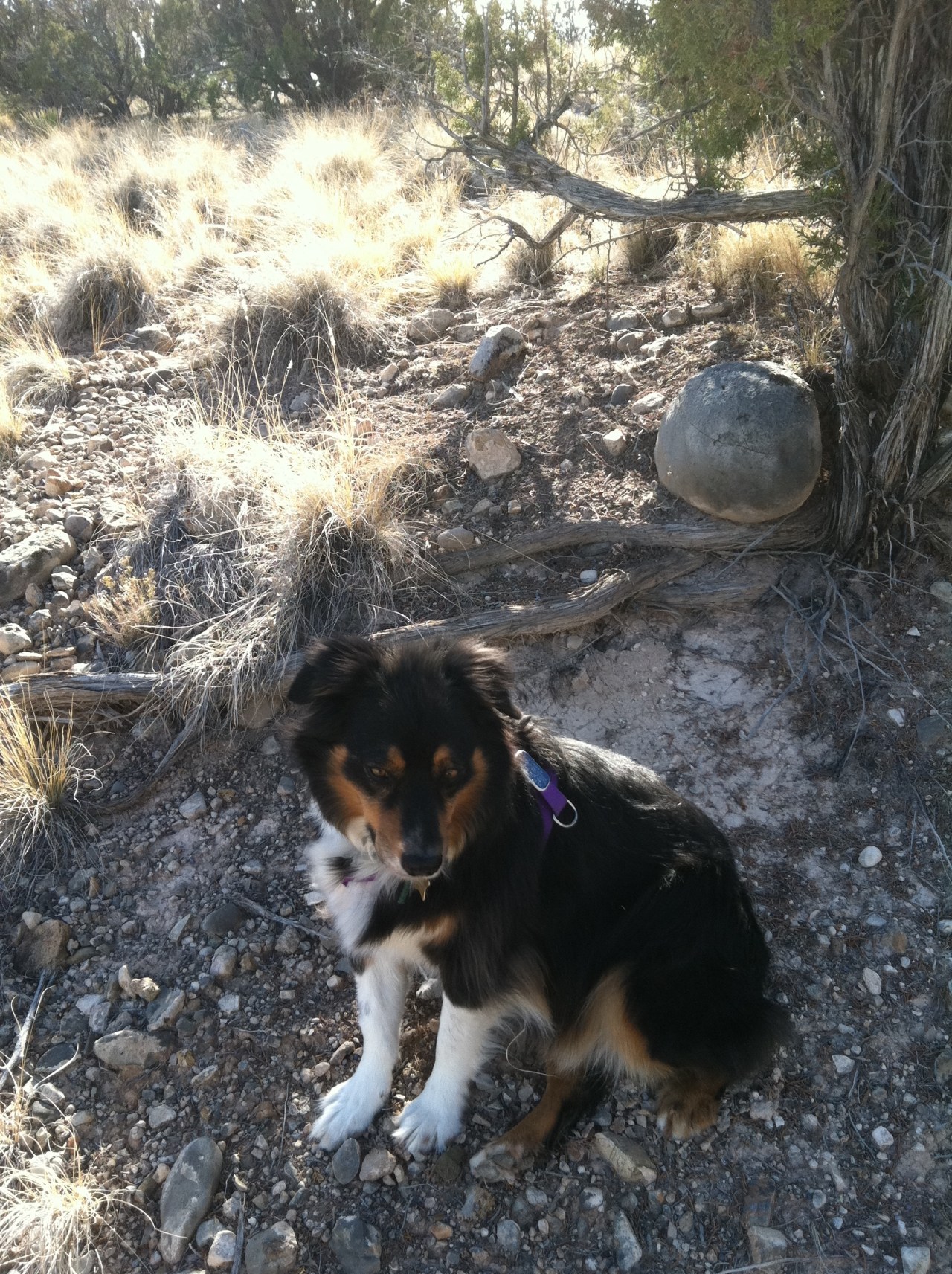
Taking a break on the trail, with Sara and Lori.
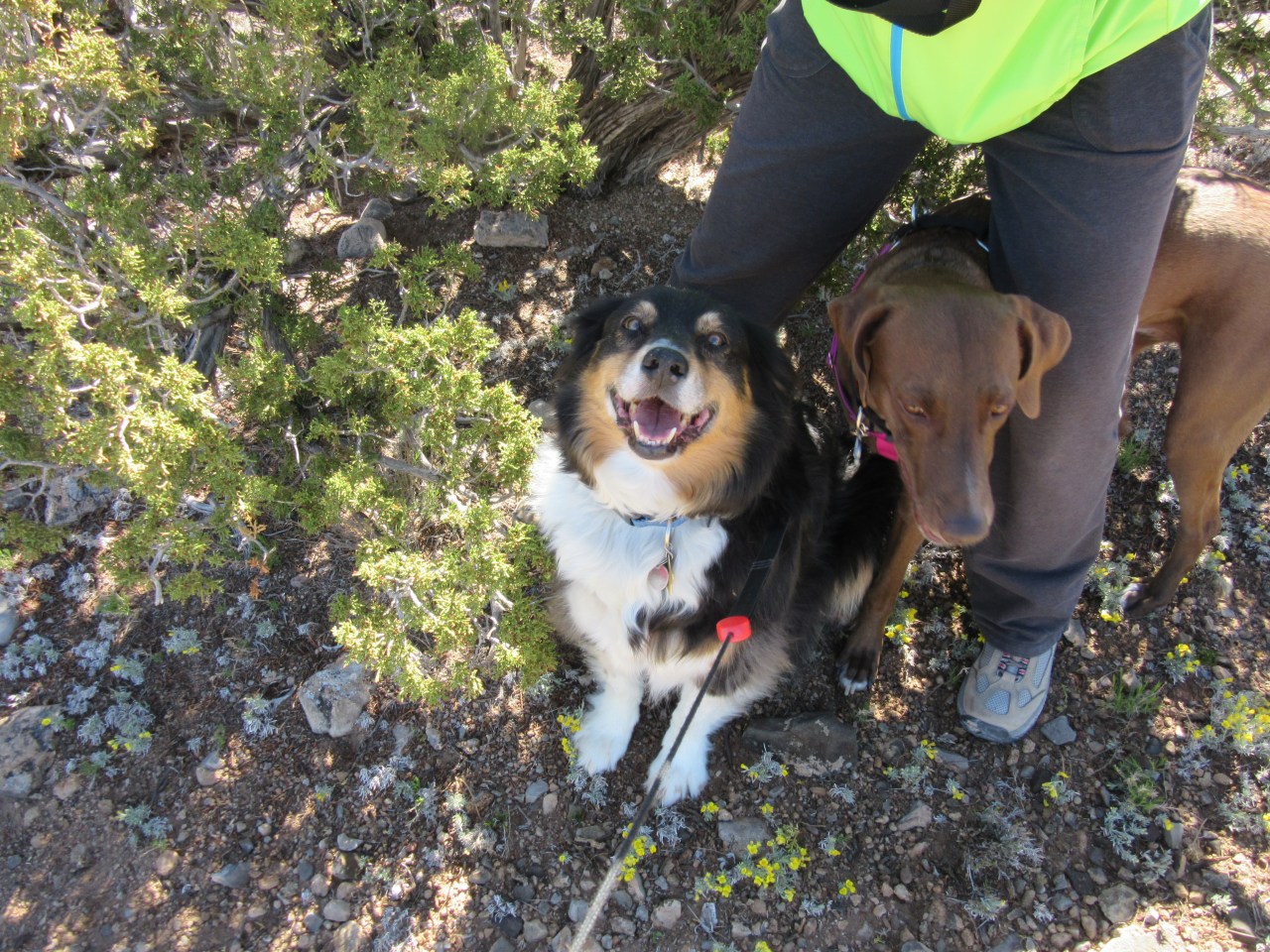
Birthday boys, 2013, the year I got him central air.

We celebrated the same birthday because I brought Cooper from the animal shelter to dreamranch on mine in 2006. But every morning with Cooper was like a birthday. He was with me for two months short of 10 years and maybe the kindest soul I ever met.
Waiting out one of those darn thunderstorms in the dreamranch man cave.
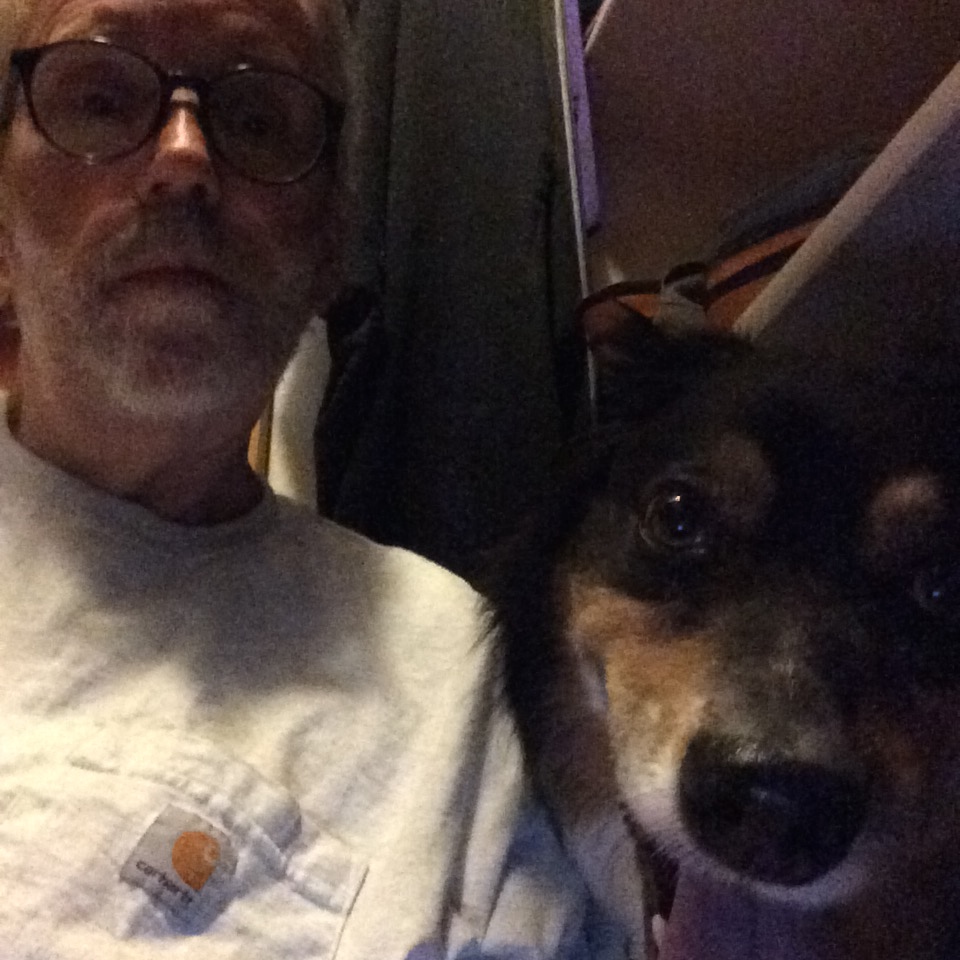
And never did he tear up any of the toys given to him by our friend Dianne, especially the sock monkey.
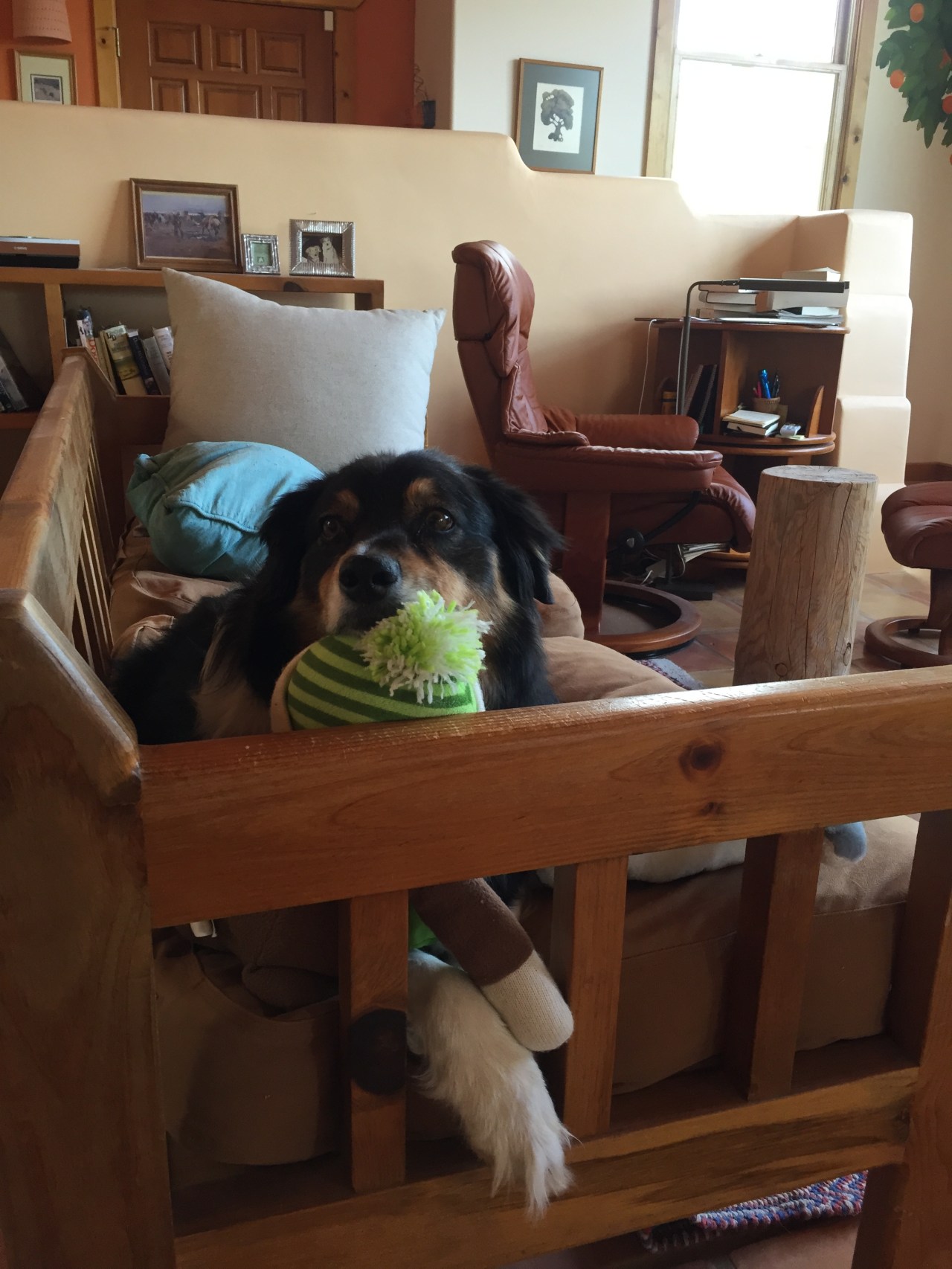
Tryin’ to get that Sara to play.
Shading up.
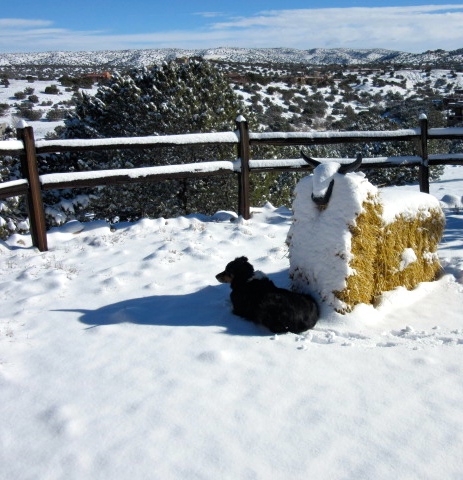
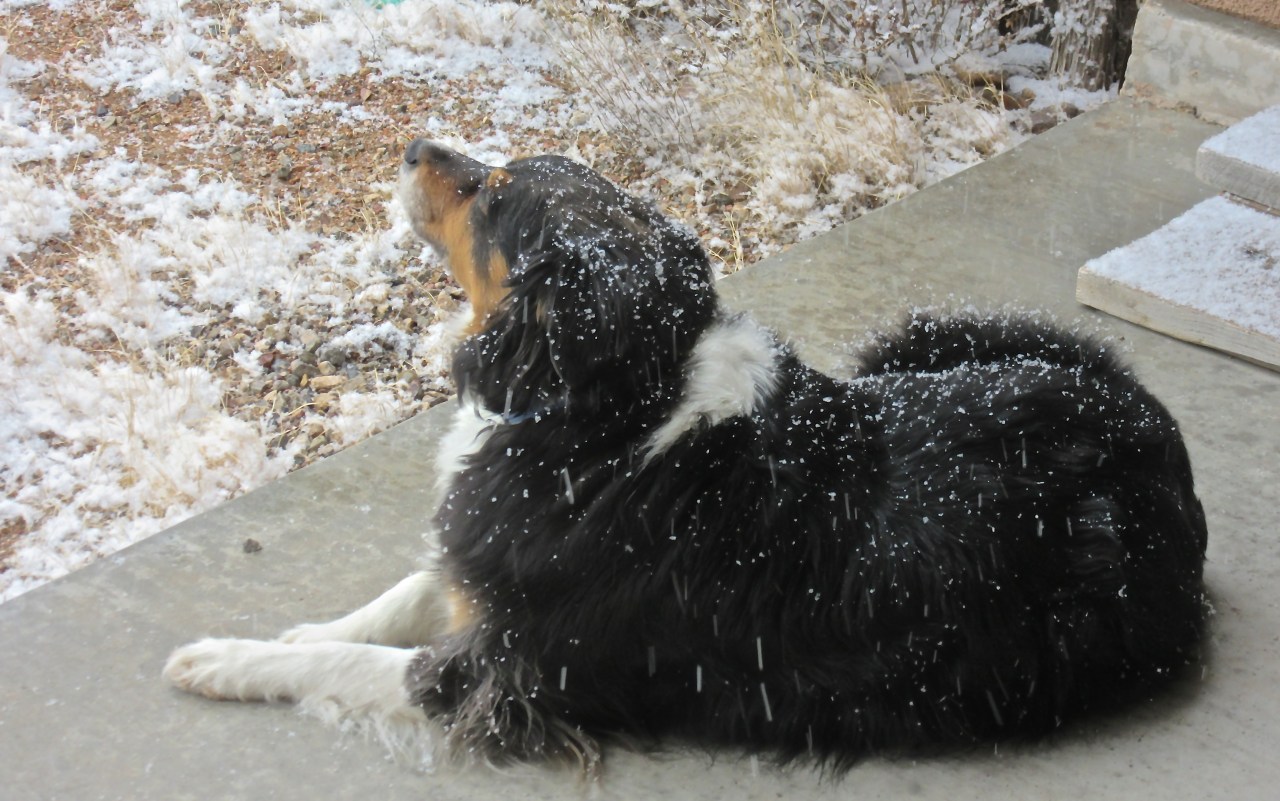
Last snow.

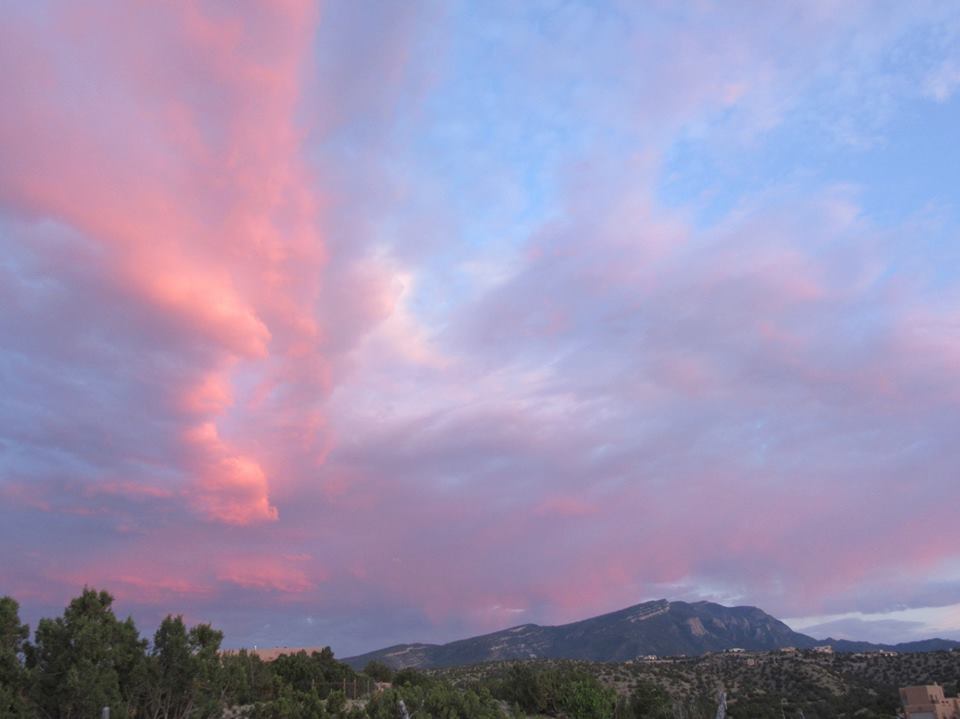
I believe sunsets and dawns are indifferent. But this one was especially pretty. Primary election night, June 6, 2016.
 dreamranch