Today was a day of ups and downs for me in my reading about journalists and the newspaper business. I don’t know whether to make heads or tails of it. I’ll just tell you how it went.

I started by reading at elle.com an exciting profile of Jane Mayer, stellar jane mayer elle.cominvestigative reporter for The New Yorker.
Later, I came across a depressing tweet saying John McMurtrie had been laid off as book editor of the San Francisco Chronicle. I enjoyed his personal photos of Mt. Tamalpais, an old stomping ground, as well as his writing for the paper.

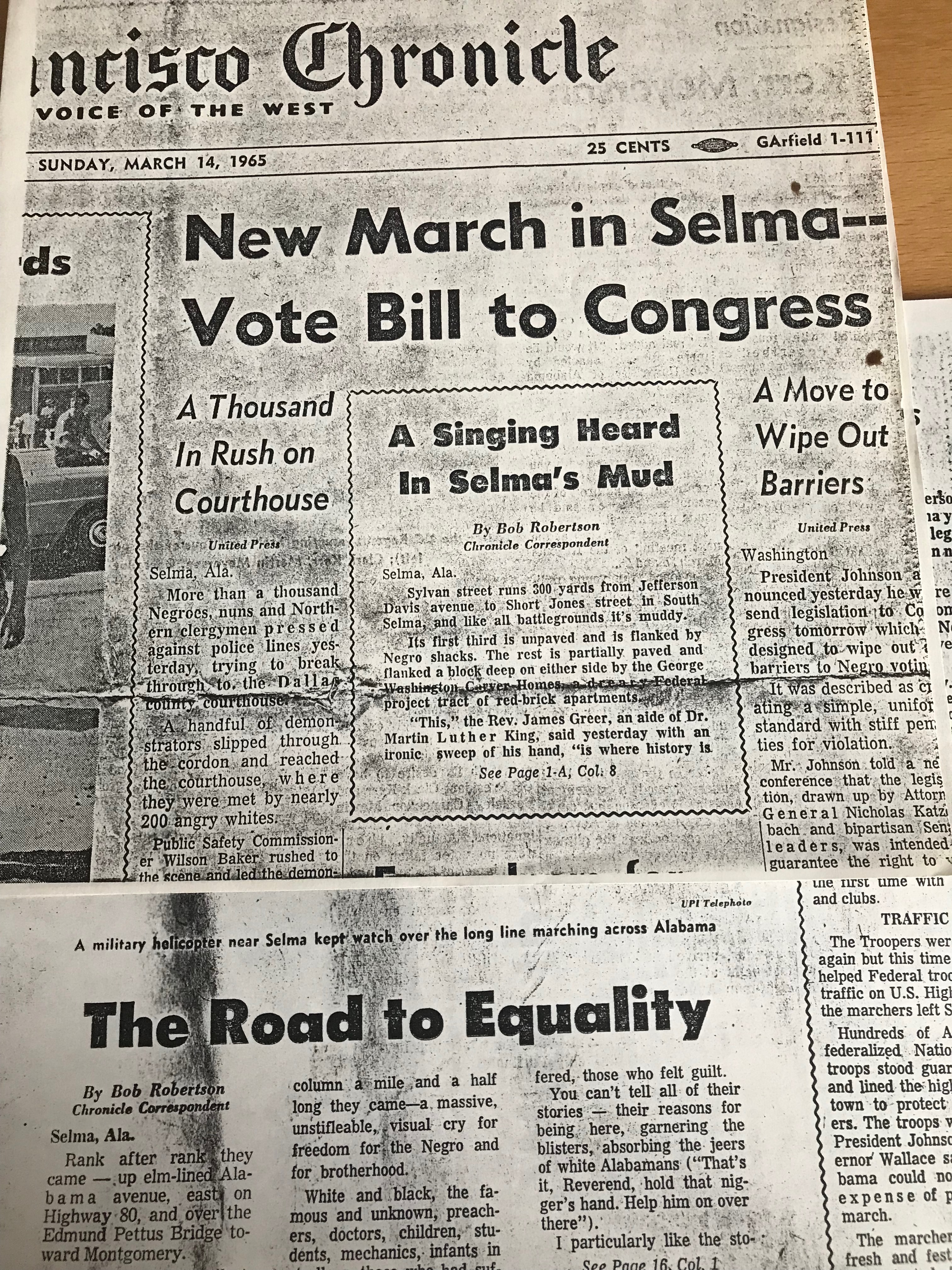
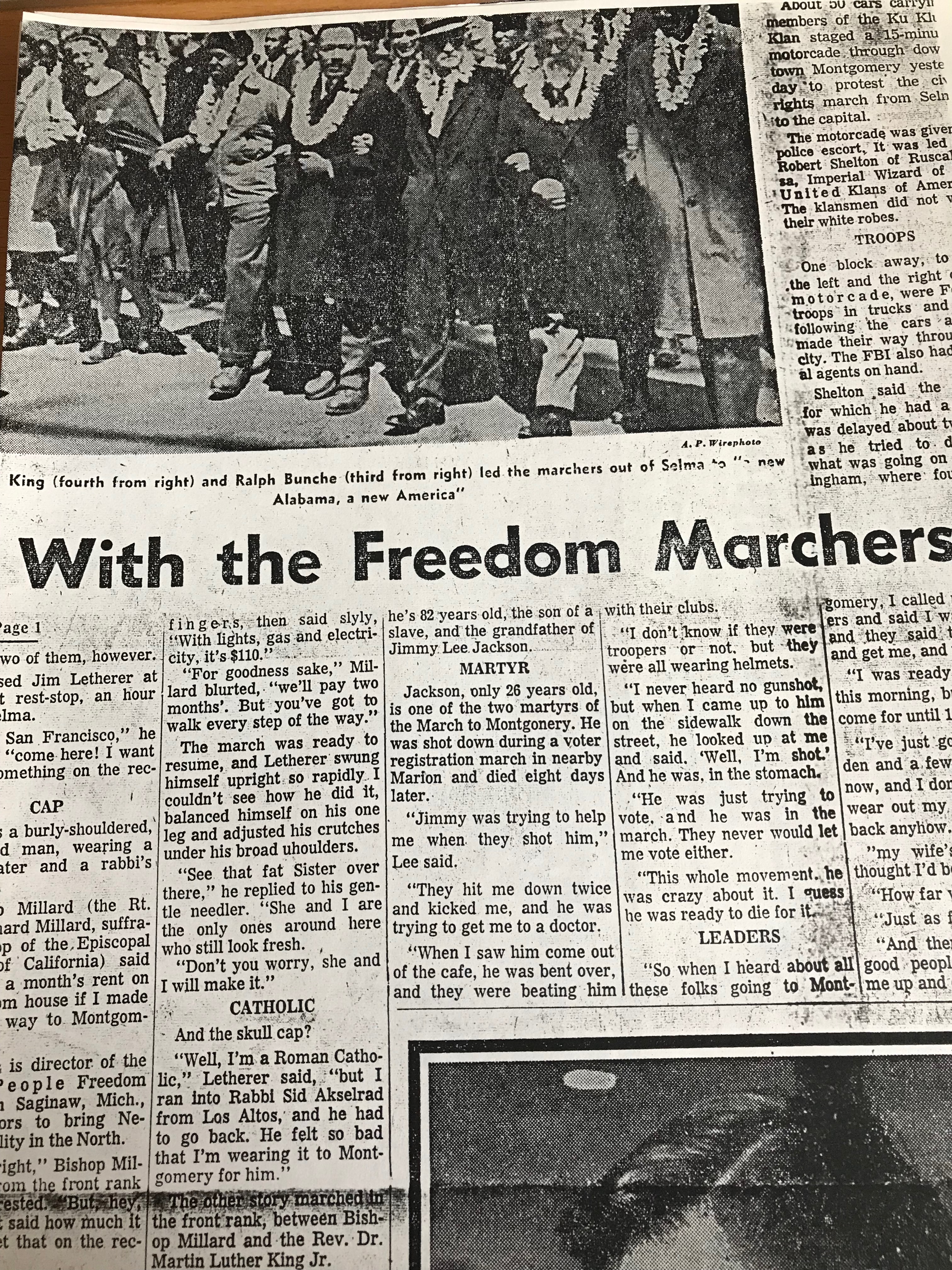
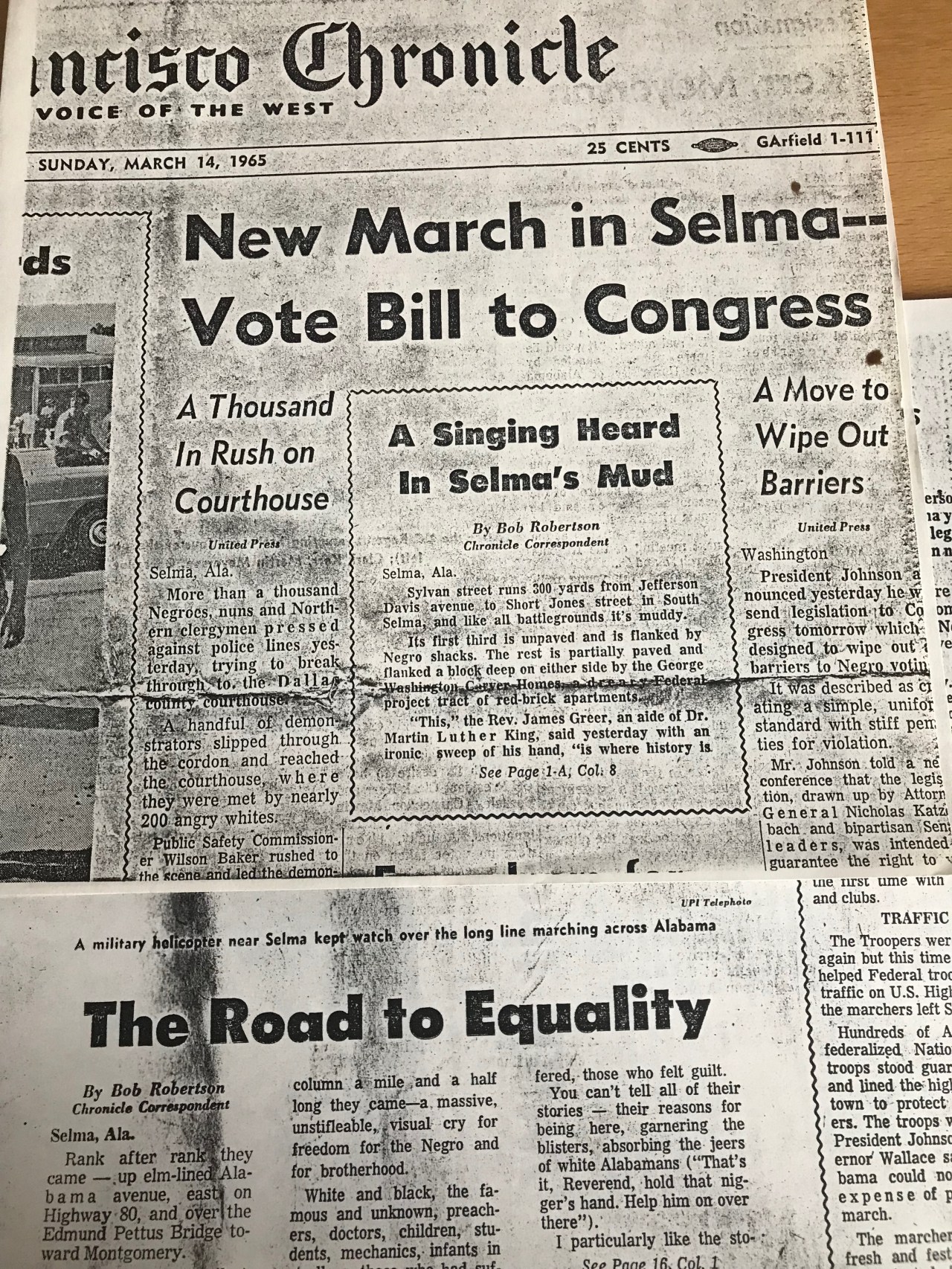
The sad layoff reminded me of a conversation with a Hearst Communications executive in 2001. The Hearst person said the Chronicle was “bleeding” money even then. Hearst bought the paper in 2000. My father, Bob Robertson, worked there in the Chronicle heydays — not counting labor struggles — of the early 1960s.

This all led me back to Carl Nolte’s wonderful history of the Chronicle in 1999. (https://www.sfgate.com/news/article/134-Years-of-the-Chronicle-2924997.php).

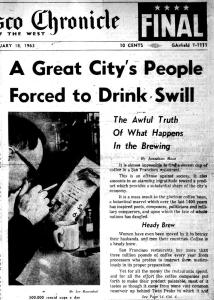
swillcover1-389x600

My retired and long-suffering sports writer friends, some photographer friends, too, probably would like this paragraph of Nolte’s history:

“In 1910, The Chronicle sent a staff of 16 of its own people, plus Jack London and Rex Beach, to cover the Jack Johnson-James Jeffries fight in Reno. The writers filed 40,000 words; the photographers developed their pictures on a special train hired for the occasion.”

I expect just about every newspaper person would appreciate this 19th century detail:

“Much of the paper consisted of pieces of theater news, bright little anecdotes and jokes — some of them written by Mark Twain, who contributed items in exchange for office space. Bret Harte, then a clerk at the Mint, also wrote pieces for the paper. Much to its later regret, The Dramatic Chronicle never saw fit to give either man a byline.”

Nolte’s history reminded me of both the magical and treacherous sides of San Francisco, much as Oakley Hall’s wonderful Ambrose Bierce mysteries did. 51OUzqb7FjL.SX316.SY316

It also reminded me of the recipe for the Chronicle’s one-time great madness. I know critics are familiar with the argument but I would like for their stuffinesses to be confronted with it again. This passage refers to editor Scott Newhall taking the helm in the early 1950s:

“Under Newhall, the paper touched off one of the last of the West’s great newspaper circulation wars, primarily against the San Francisco Examiner, then the largest paper north of Los Angeles.

“His aim was simple: to get more readers. It was, he said, a bit like a circus. Once the customers were in the tent, they would see that The Chronicle had something to offer.

“To do it, Newhall turned the paper back to its roots — it again became irreverent, it held up a mirror to the West, informed the readers and had a good time doing it.

‘The Chronicle went after stories with a vengeance, scooped the opposition and ran rings around them with lively writing and imagination.”

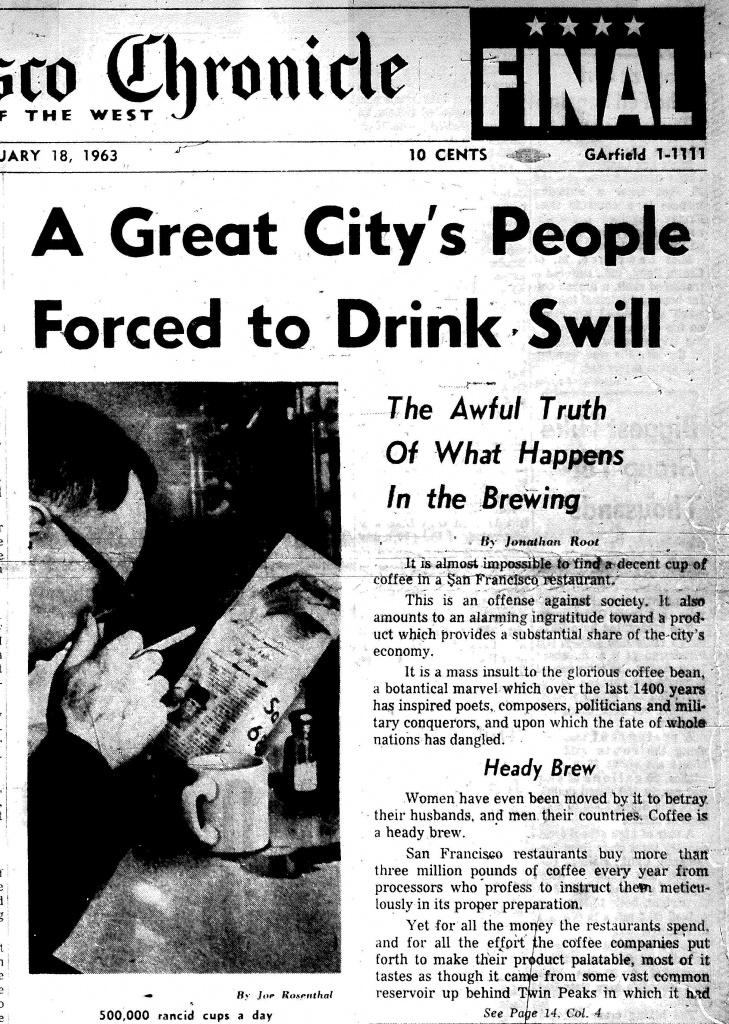
The paper could be serious: “The Chronicle was the first to assign a reporter full-time to cover a new and deadly disease — AIDS,” Nolte reported. It also could be silly and a hell of a lot of fun. One of my favorite campaigns was an alleged investigation of over-the-counter coffee in 1963: “A Great City’s People Forced to Drink Swill.”
swillfrontarticle11

I don’t know. Maybe I just love a good headline. Which now reminds me of a great copy editor, headline writer and news editor who we lost just last week: Ken Walston, recently retired from the Albuquerque Journal. (Update. Link to obit published 04-01-19: https://www.abqjournal.com/1286639/colleagues-mourn-loss-of-former-editor.html

Ken Walston was a top-shelf kind of newspaper person: skilled but calm; diligent but courteous; careful but funny. If you ever wondered how the newspaper actually became a newspaper every day, what kind of people held newspaper production together, you needed to look no farther than Ken. For 41 years, a key person in the newsroom.

As I say, it’s been an up and down day.
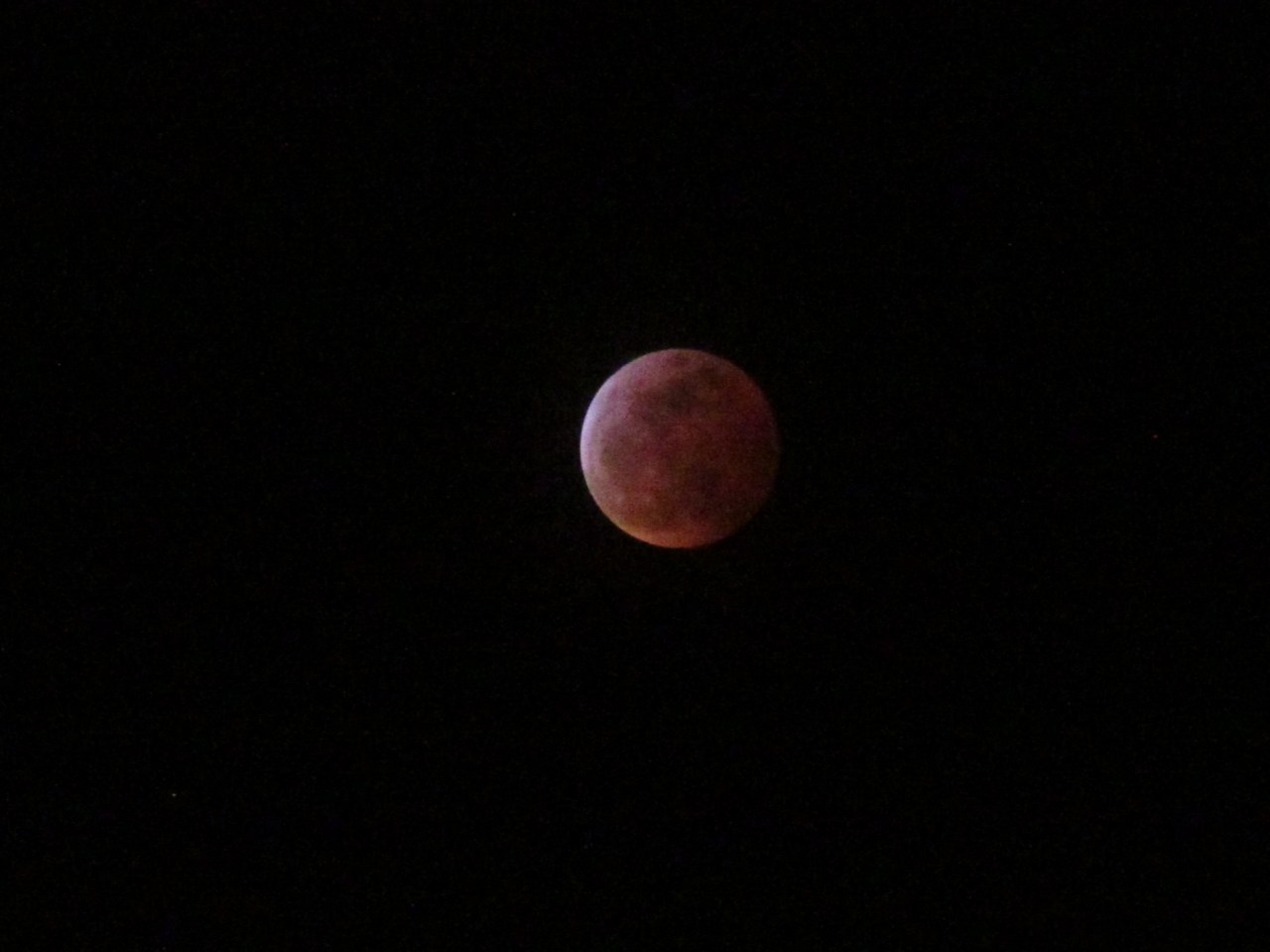
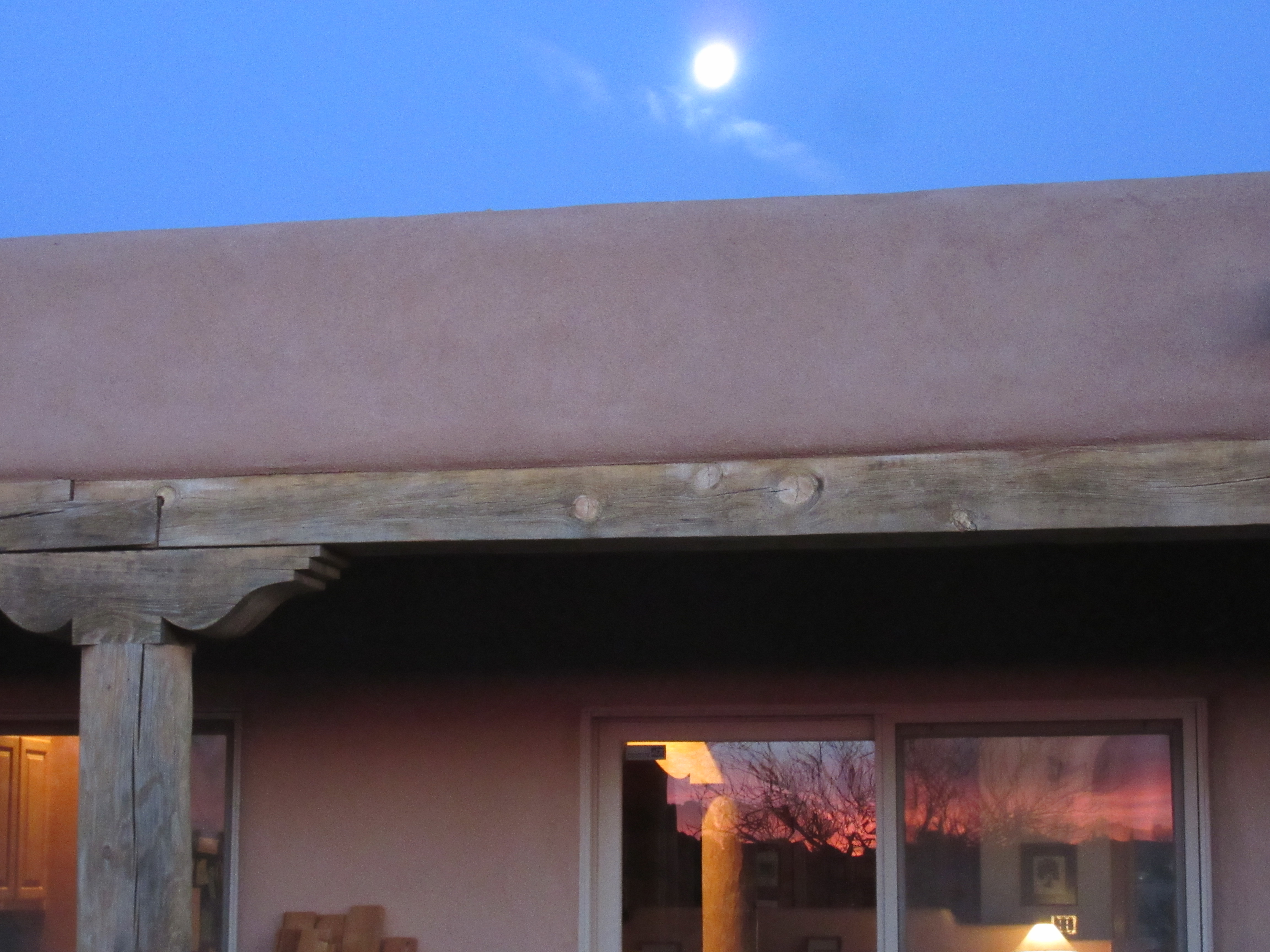
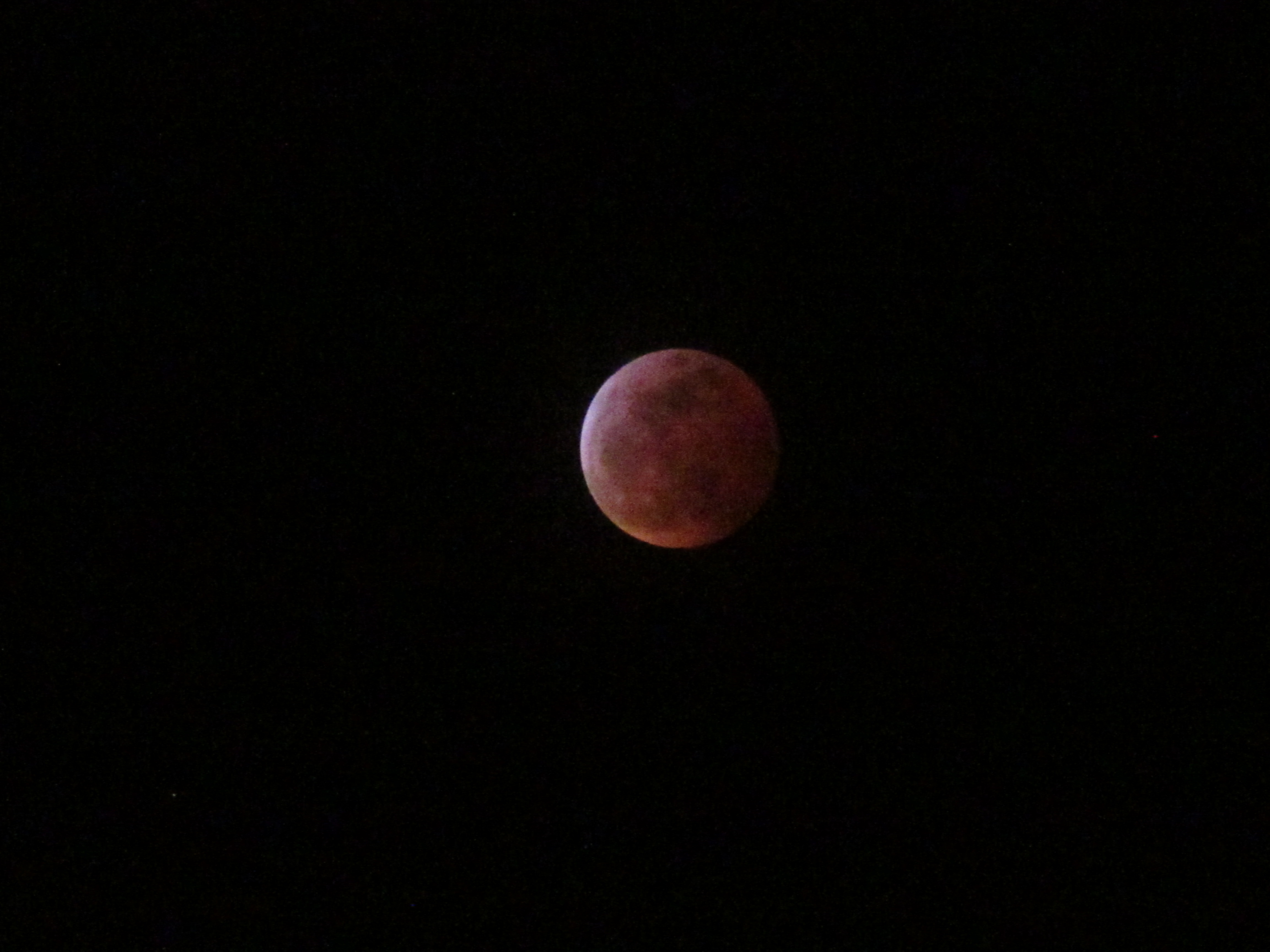
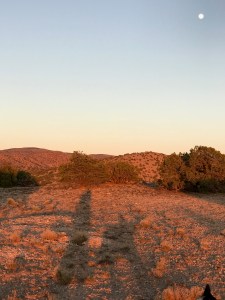
Seeing the 2019 lunar eclipse with my own eyes really was the best experience — and worth the stiff neck — but here is what I was able to save with my battered Canon Powershot pocket camera and an iPhone.

Some confusion (mine) the night before.

img_6200

Moonrise the night of (January 20).


The real deal, about 10:30 p.m., from Placitas.

img_6437 3

The morning after.

img_0858 2


  • by JR

May all my Christmases be alcohol-free

Note: I have touched this up a couple of times since first posting it in December 2018. Today, December 24, 2020, is the latest.

It’s been 35 years but I still wake up on quiet mornings thankful I’m sober. Especially during the holiday season when thoughts of alcohol-fueled disasters come to mind faster than Norman Rockwell.

The smell of stale beer and cigarette butts on wood floors has stuck with me since a trip to a bar in Iowa City, Iowa, where my father moonlighted while working on his master’s at the Writer’s Workshop in the early 1950s.

The odor of alcohol soaked organs has stuck with me since the sixth grade, when a friend of my mother’s, with me in tow, stopped first thing in the morning at the Palace bar in Santa Fe for a tall, icy glass of grapefruit juice and vodka.

Version 2

My father and the “swinging” San Francisco newspaper crowd I idolized in the early 1960s treated drinking, at least half seriously, as a measure of character. “Never trust a man who doesn’t drink,” they said, half joking. A funny hungover friend once stood in the lobby of New Mexico’s Legislative Council Service, put his hand over his heart, and said, “I regret that I have but one liver to give to my Legislature,” but I’m glad he quit, too. I went to two help meetings and it seemed everyone’s experiences shared a common core: No control.

I’ve always questioned the John Wayne line from “The Searchers,” “Never apologize. It’s a sign of weakness.” I’ve never been able to agree with Ethan Edwards.

IMG_8011
IMG_7693

Fortunately, I have had friends. Walking through the side door of the Santa Fe New Mexican, where we began our newspaper careers in the early 1970s, a friend told me, “You’ve got to quit drinking.” Another old friend of more than 40 years has a quiet habit of saying prayers. The only time I remember him telling me this was during my second cancer treatment, but I believe I have felt them all along.

I had been a bad drinker since high school. I quit after a clear-headed moment in 1985, 11 years into my 40-year newspaper career. I wanted to take control.

I loved the camaraderie of the Green Onion in Santa Fe, but there were no meanings in the labels behind the bar. Darkness was no friend either. The dingiest saloon I was ever in — well, maybe not as dim as Budagher’s on I-25 between Santa Fe and Albuquerque  — was the White Horse tavern in the West Village. I visited in homage to Dylan Thomas but couldn’t wait to leave.

And this was the least of it. Not yet to the bad behavior part. This wasn’t me. At least not the me I meant to be. My epiphany was that if I was going to live life, I should take it straight.

I didn’t want to teeter any longer on the brink of drunk, being drunk and hungover. Two years after quitting, I sat up in my sleeping one April morning in a red rock alcove above the Escalante River in Utah, a dusting of snow on the ground. It was the right place to be. I boiled water for coffee while still in my bag, flurries of snow continuing in the silent old canyon. I moved on later in the day in sunshine, walking down the middle of the clear river because I could.

At the help meetings, they talked about a power greater than us. I was used to being alone but also felt I had a new companion. I lost my old senses of sadness and fear at sunset. I learned that my friends were funnier sober than drunk.

I can’t say it was easy. I still spend too much time trying to figure out why I am the way I am. Liking myself seems like a shallow goal but I am glad that I continue to come to terms with the loathing.

IMG_0580 2

The beginning of the end was the Democratic National Convention in San Francisco in 1984. As I walked through the airport on my way home to New Mexico, hungover and feeling bad about having led a straightened-out friend back down a drunken path, the front page headline in the Chronicle racks was “Jim Fixx dead.”

I’m a walker, not a runner, but the headline hit me hard. colliding with my hangover. With the health icon’s death at 52, I saw my own frailty, my own vulnerability, my own failures. I struggled with my resolve until the next spring, April 1985, when the epiphany came.

Then I took control the only way I knew how. It was all or nothing.

IMG_7279

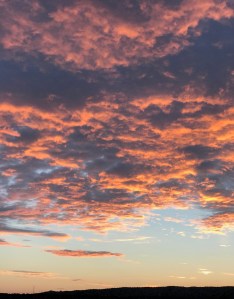
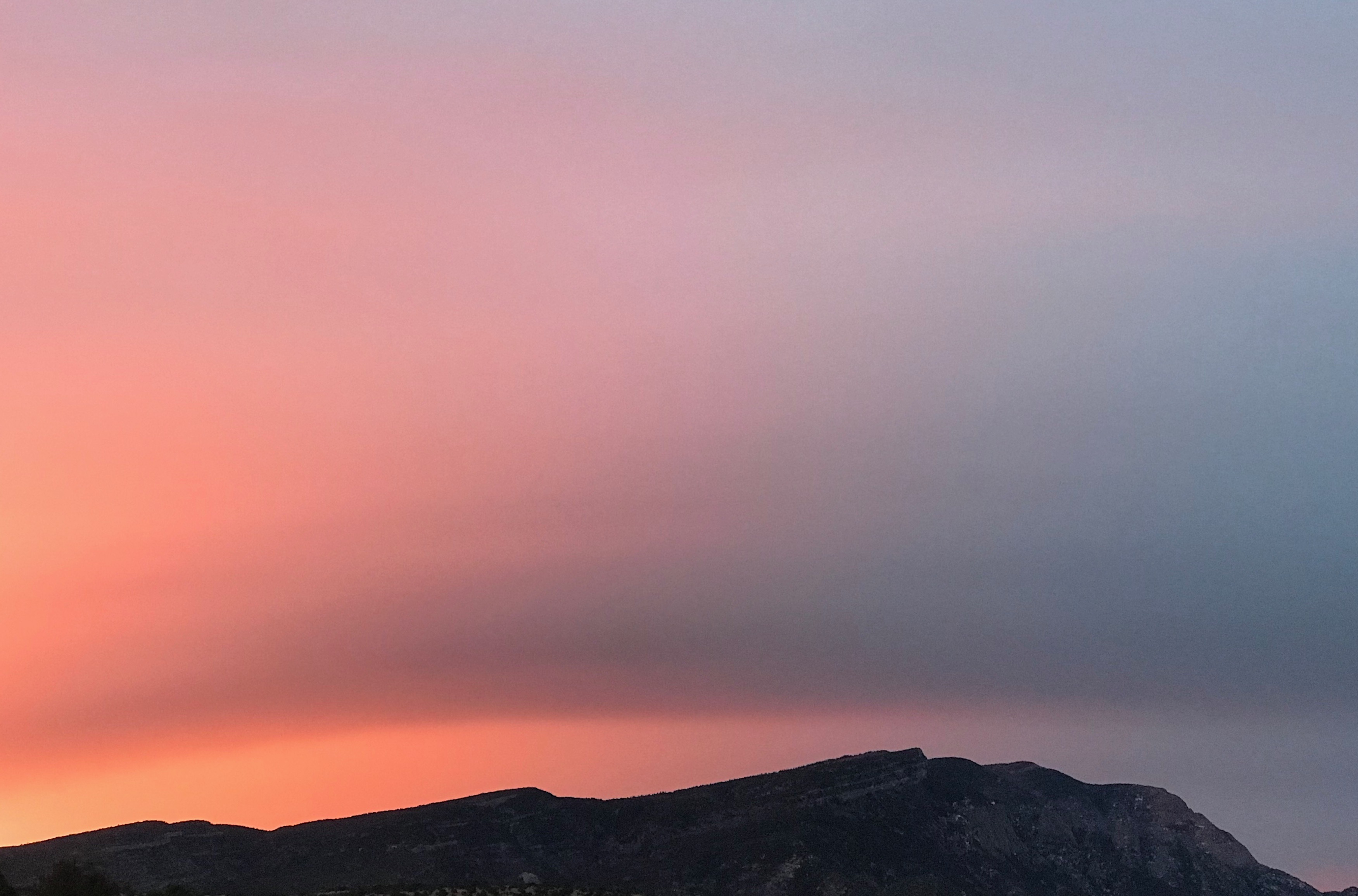
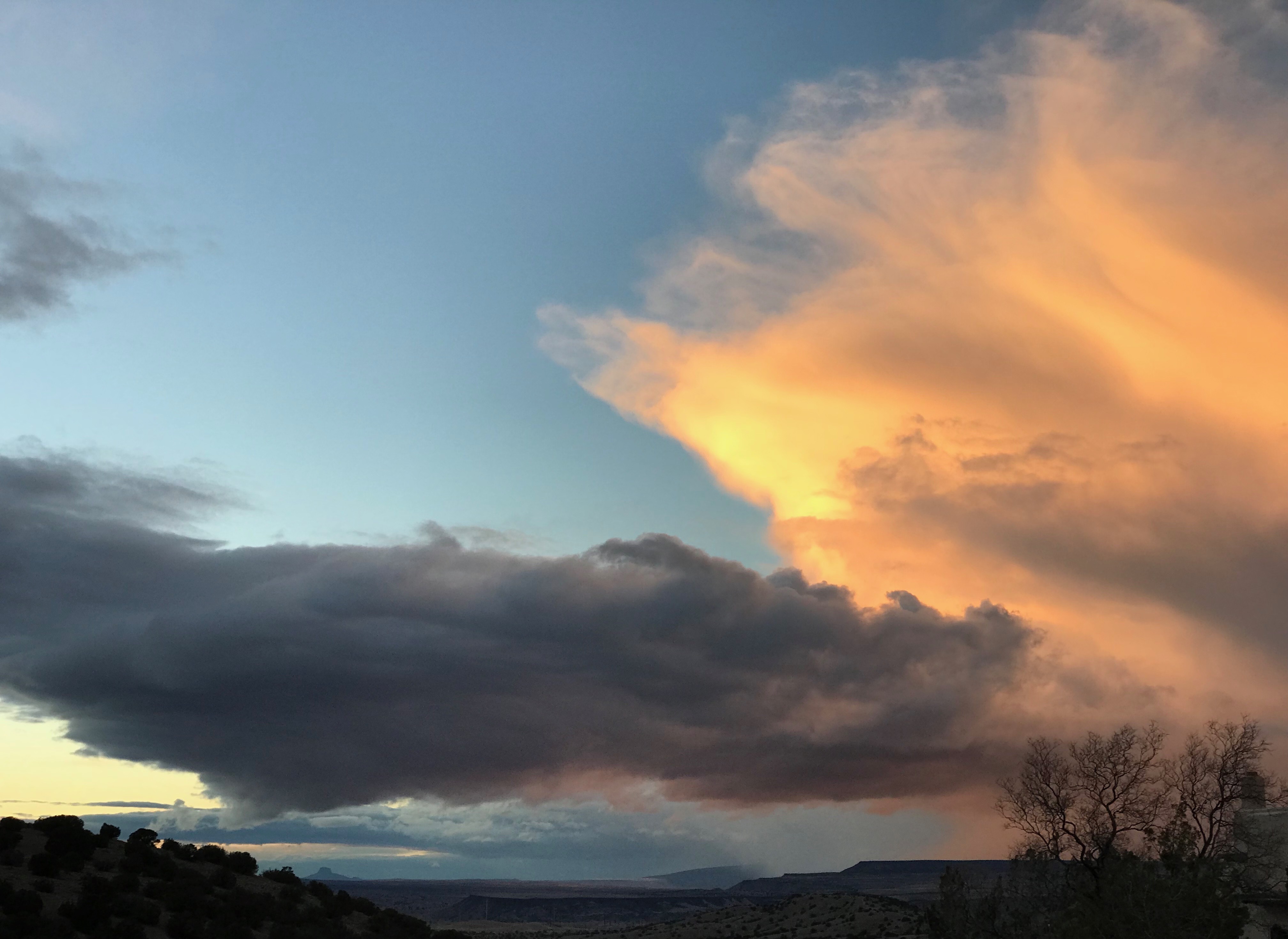
I have been so creeped out by reptilian politicians, red Christmas trees and other stuff that I haven’t been able to write. All this despite deeply encouraging changes in the U.S. House. So, for now, I offer an iPhone picture I called “Where the Jemez meets the Rio Grande.”

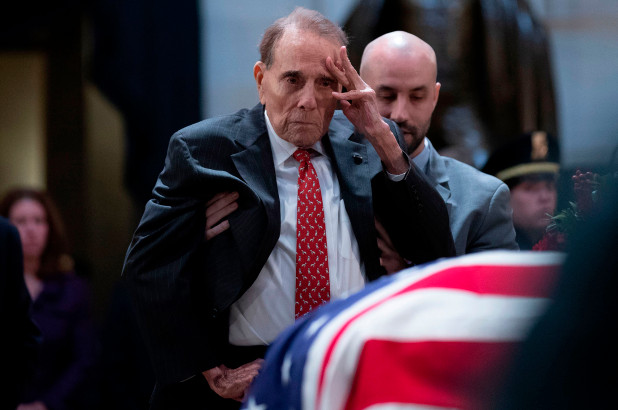
Shallow politicians are easy targets for my broader life complaints. I note that the late President George H. W. Bush is not among them. To him I say rest in peace. I was fond of him and grateful. Eulogizers are right in citing lessons his biography provides in contrast to the ways of Donald J. Trump. Bush’s story is like the ones of great men I read while growing up. Sure, there is the white patrician privilege, and I still have have questions about Clarence Thomas, Geronimo’s bones, Roger Ailes, Lee Atwater and the Willie Horton ad, (although Peter Baker of the New York Times reminded me in a post after this writing that Al Gore was the first to try the Horton smear). But there is a sense of decency that I used to know. I think a lot about the last of the World War II generation, the one that ushered me into my own relatively safe and privileged world, polio vaccine, pasteurized milk and all.

I am sure my depression is temporary. But all I can offer from my desk right now is a photo of cloud formations meeting over the place where the Jemez River joins the Rio Grande — over the volcanic plug Cabezon and the dusty Rio Puerco valley, over the end of Santa Ana Mesa and the Pajarito Plateau, all seen with my iPhone, looking down the valley of Las Huertas Creek, running into the big river almost opposite the little Jemez.

There are things I keep seeing in the meeting of colors and clouds.