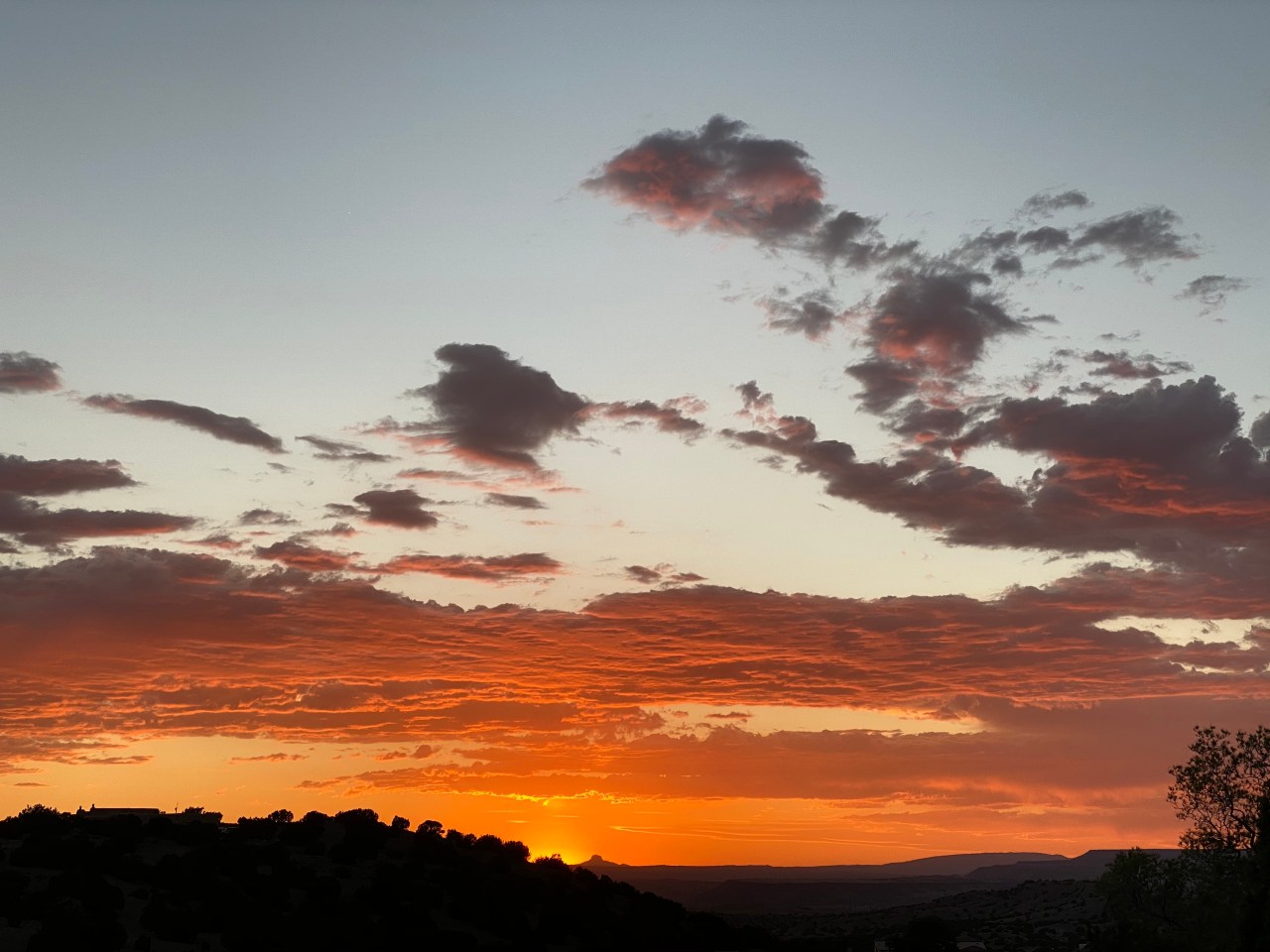
I knew I was having anxiety problems when dawn reminded me of “The Scream.”

Sleep has been a battle lately, more of a jerky series of bad-ending dreams. I know it is mostly the news — Trump and coronavirus — especially too late in the day, but I haven’t been able to shake the worries from my system.

Even back-to-back Curb Your Enthusiasms haven’t cured me, the humor just too rude for my already battered nerves. Last night, I tried the Lewis and Clark expedition journals of Patrick Gass, thinking it might help to know how socially-distanced mountain men dealt with pain.

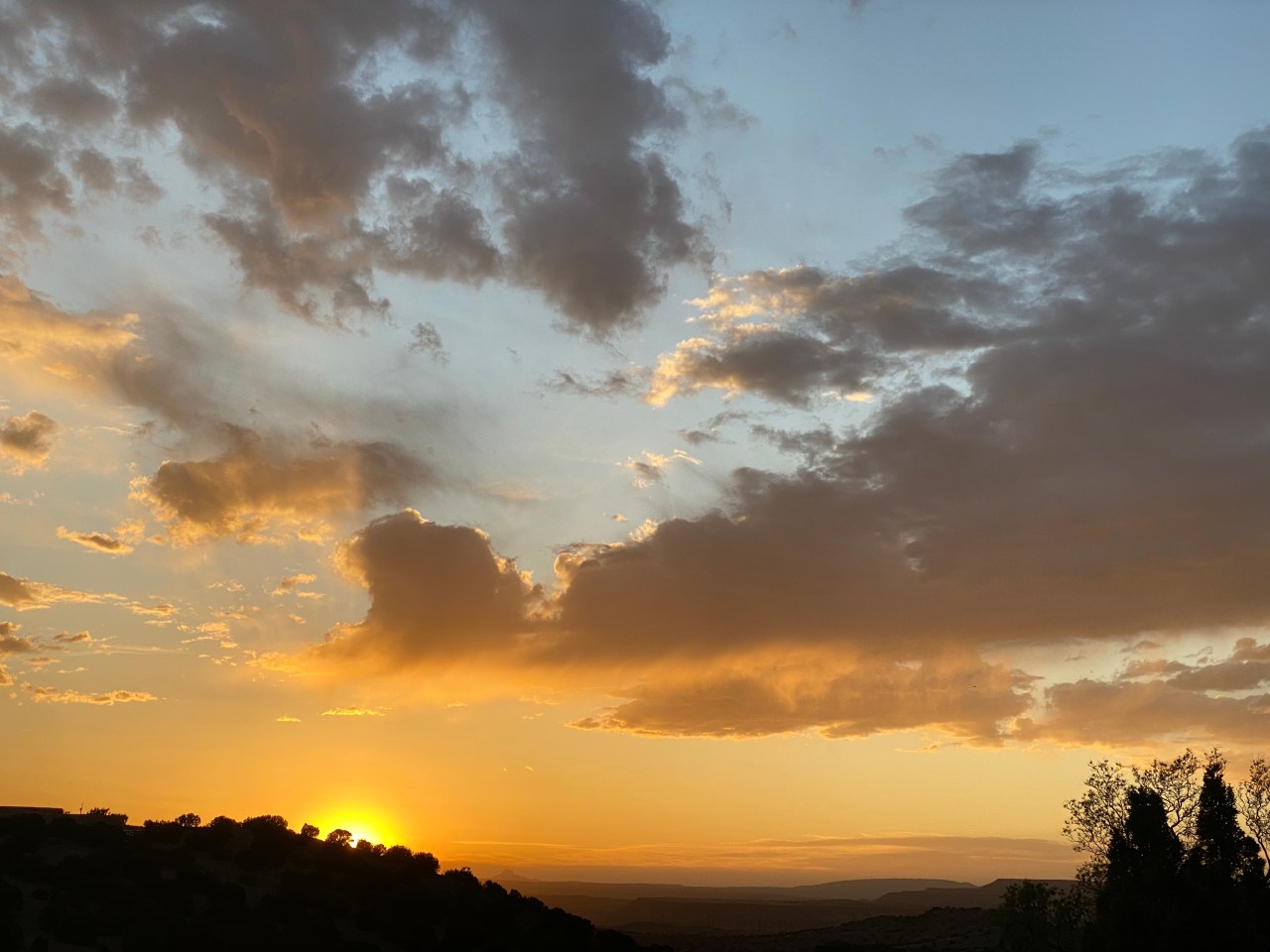
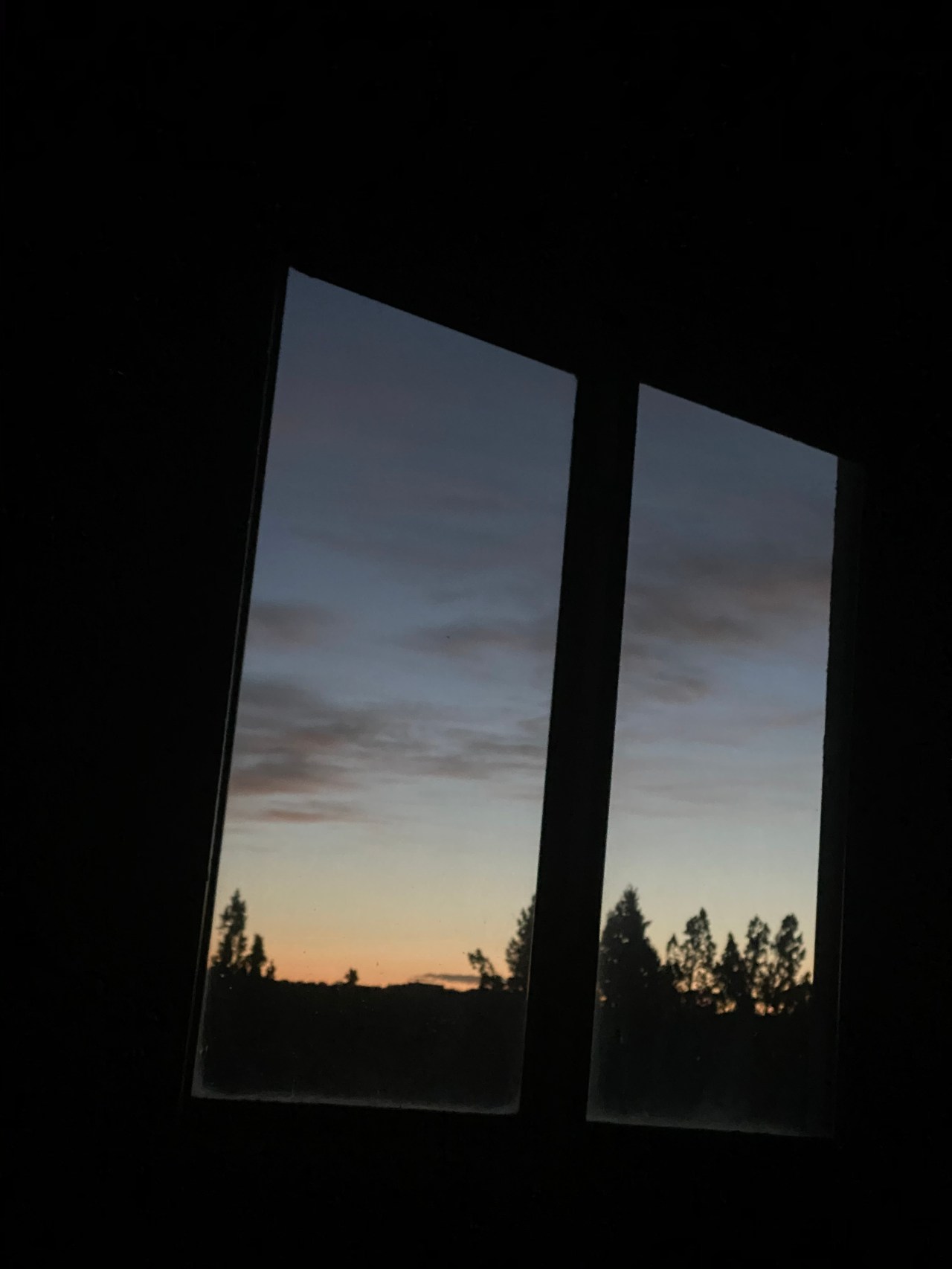
I am not beyond fighting back. The word “hopeless” tried to slip into my vocabulary for the first time at sunset. I rejected it immediately and returned to Patrick Gass, even though tobacco poultices probably won’t help either.

IMG_2749

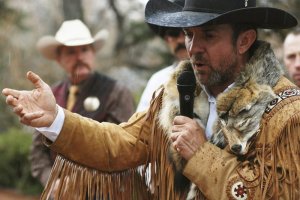
I was encourage around midnight by the prompt story from Russell Contreras of The Associated Press (http://twitter.com/russcontreras)  on the founder of Cowboys for Trump saying “the only good Democrat is a dead Democrat.”

Cowboys for Tru

Otero County commissioner and Cowboys for Trump founder Couy Griffin. (AP Photo/Morgan Lee)

I think the guy might have tried too many tobacco poultices, or maybe too much hydroxychloroquine.

But what encouraged me was my belief that even straight news coverage of screaming clowns ultimately results in most people seeing them for what they are.

Call me a Pollyanna, call me a dude, but I remain hopeful, even through loss of sleep. And, by the way, when you read today that the president of the United States, using one of the older deceptions in the book,  is protesting the mailing of absentee ballots to Michigan voters, realize that what actually are being sent to Michigan voters are applications for absentee ballots, not actual ballots — as many alert Twitter readers quickly pointed out.

I don’t like curtains and dawn wakes me daily. After “The Scream” appeared in my brain this morning, Cowboy saw me stir and hopped up on the bed. I thought for a moment he was concerned as he looked down at me, seeing how I was doing. Then I realized that he more likely was watching my lips for favorite words: food, friends, walk.

I’m trying to be a good New Mexican during the COVID crisis. I am not hoarding ammo or TP. I do not gather with more than one neighbor and another dog. But I draw the line at long hair.

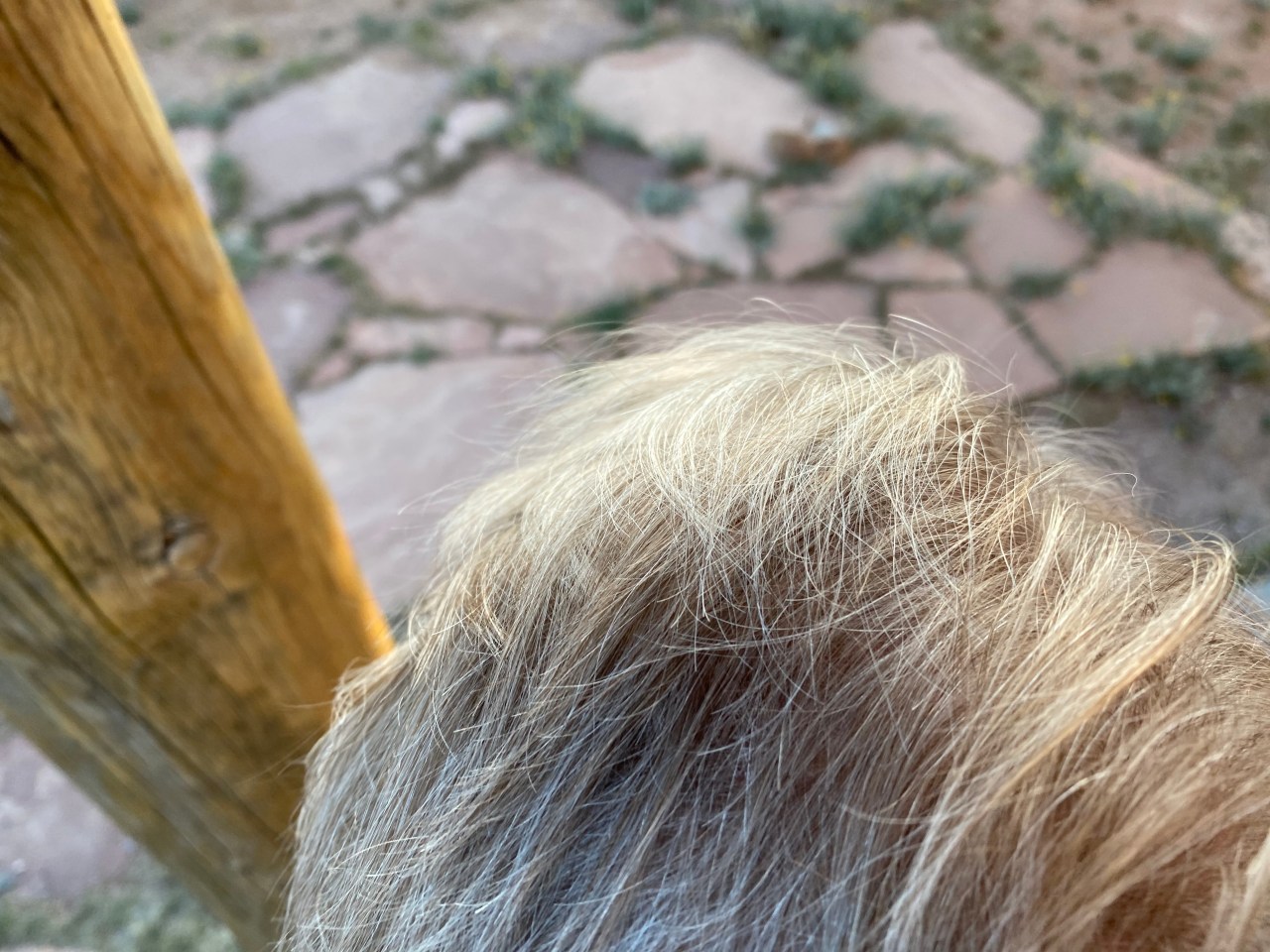
I am afraid to check in with my longtime hair cutter in Bernalillo. She’s shut down like everyone else. She just moved to a new shop with lower rent and, back at home, she’s holding down the fort with a mother and grandaughter. I don’t want to tell her that I have mail-ordered a pair of clippers.

IMG_2484

My mother used to say she timed her sons’ haircuts according to behavior. When you started acting like a jerk, you were due for another crew cut. In the early days, the task was taken on by my father, a former Marine. I can still feel the weight of his giant paw clamping my head while he got gung ho with the clippers. I let my hair cutter decide things for me these days. I just hope she can hang on.

Good guy or miscreant, I never wanted to look like a rock star. I dug out an old pair of clippers that I had last used on my late Australian Shepherd, Cooper. I cleaned the blades but his heavy coat apparently wore the gizmo out. So, it was on to Amazon, although it appears clippers might be as much in demand as toiletries and firepower. It’s been a couple of weeks and the hair cutting thing still has not arrived. Fearful of the Prince Valiant look, I am not trying scissors.

As usual, though, my problems are small compared to the rest of the world. I watched Gov. Michelle Lujan Grisham’s news conference today on easing COVID-19 restrictions. But the easing does not apply to three counties in the northwest where many Native Americans live. The virus is rampant there.

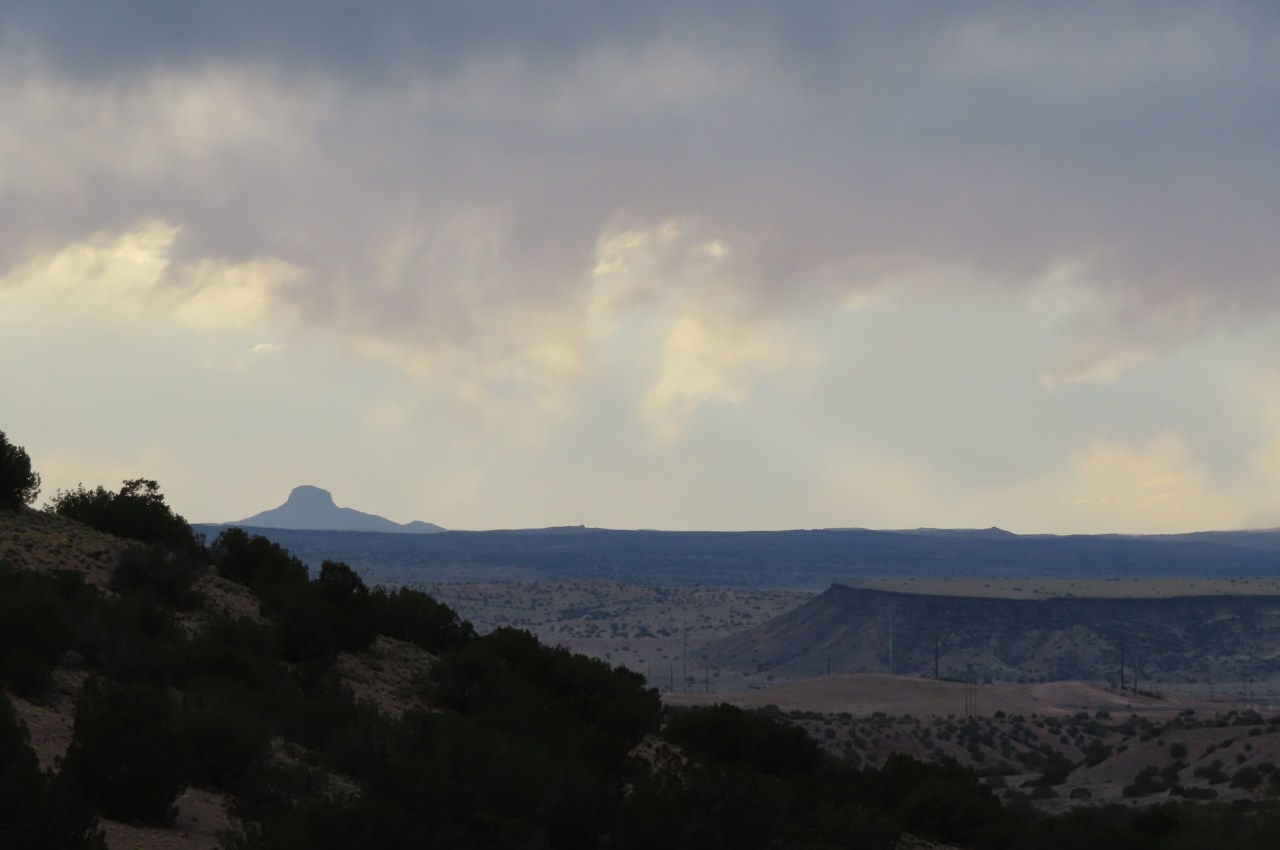
I remembered the sunset photo I took from my back porch last night. It’s looking through the window of the Rio Puerco toward Zuni and the Navajo Nation, shot with a new iPhone from a mostly affluent Zip Code that has had just four cases of COVID-19.

IMG_2385

I still don’t know what folks are gonna do with all that ammo and TP.

Also at Dream Ranch: Easter Parade

IMG_2224

My mind seems like these two: Cowboy looking out the window in the morning and the Georgia O’Keeffe print hanging over my bed.

Cowboy’s ears remind me of the Very Large Array, and I think he sees deep. O’Keeffe’s painting is far-seeing, too, its monoliths and movement called Road Past the View II..

Version 2

Intent as he might look, I know Cowboy’s hyper-focus will end in a minute. One moment a rabbit, raven the next, leaping at any sign of an imminent walk, even the sound of my inhaler, let alone my search for stolen and scattered shoes.

The O’Keeffe is focused if you look just at the road, abstract if you see the road disappearing into the distance. Ethereal might be the word.

But whadda I know? I’m still on my first cup of coffee. Maybe my mind is more like this, the orb obscured by a broken swirl of clouds. Diffuse might be the word.

IMG_2181 2


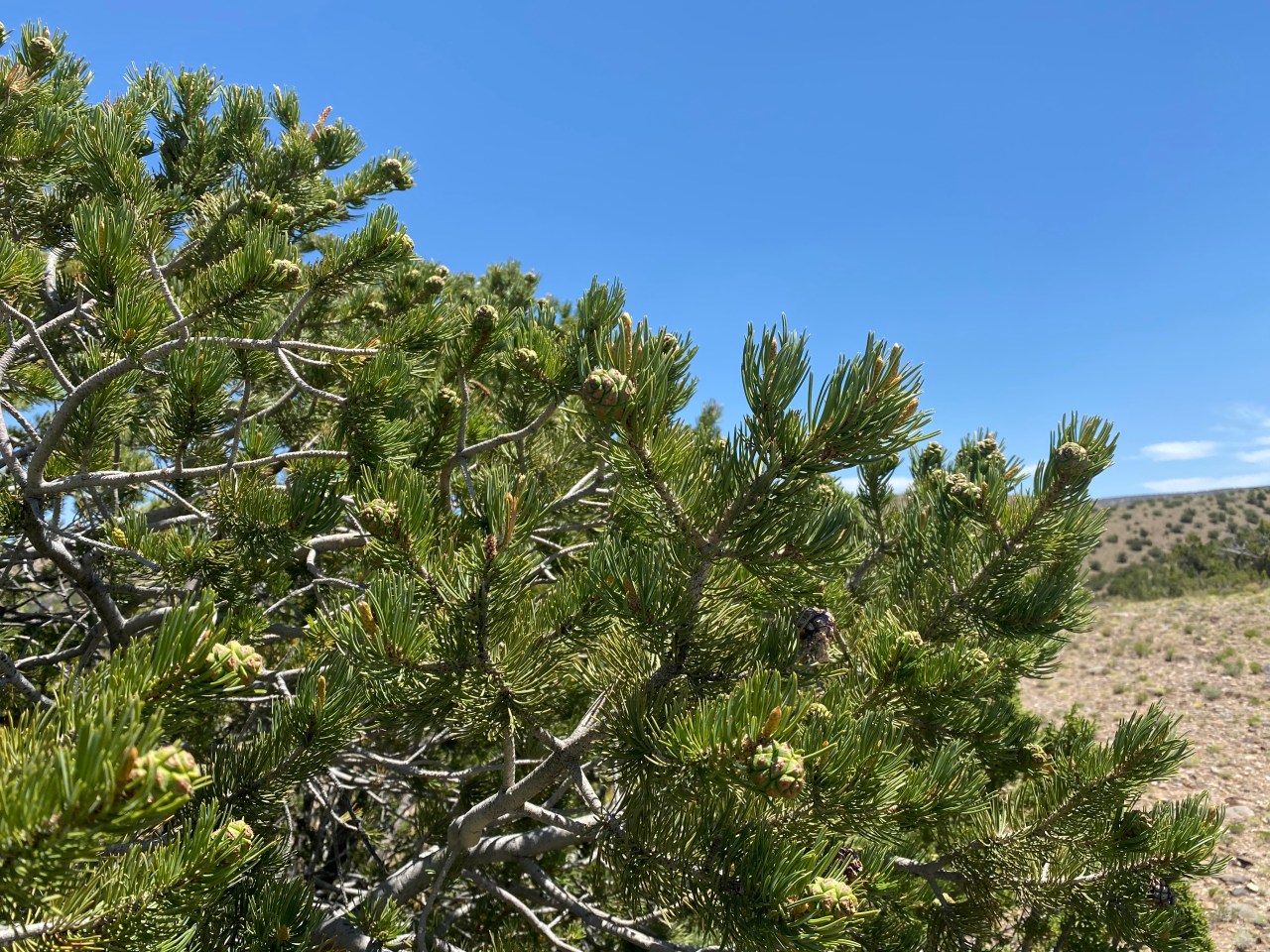
In my little corner of world, just north of the Sandia Mountains, piñons look like they’re hanging on.
IMG_2082

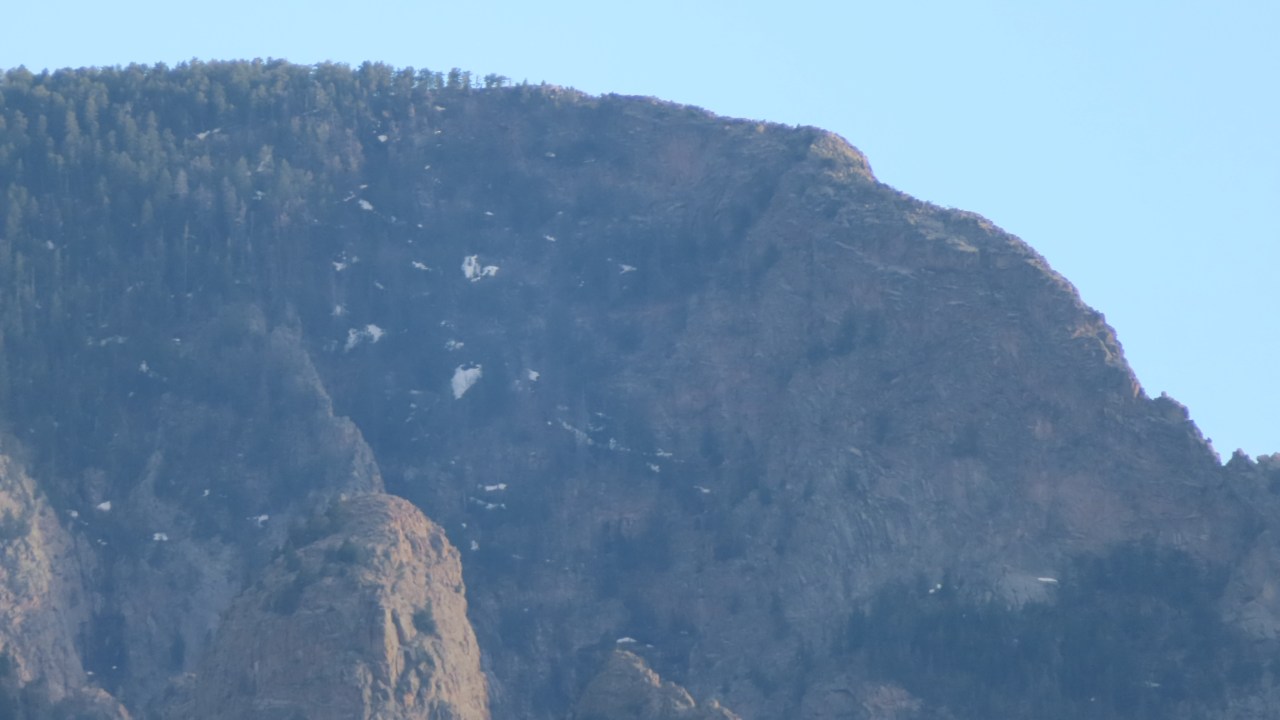
I noticed many new cones when I reached the top of the mesa this morning, almost as if they exploded overnight. I have been so focused on snakes and wildflowers this spring, I hadn’t yet really examined the trees. Snow lasted on the north side of the Sandias through March and into April this year and now we’re about a week into some early heat. This is all the snow left now, near 10,000 feet.

In a good year, maybe the snow should be on that north slope at that elevation in June. I can’t remember. My mind’s eye is comparing it to recent, almost snowless years. We haven’t had a two-footer at my 6,000 foot elevation since 2006. And whether that was an old normal or a new rare, I can’t say. I’ve been too fascinated with my anecdotal observations to look at the actual records, or the science.
IMG_2456

I can’t remember whether the moisture this year and last is better or worse or average and, of course, I have that human weakness — a sense of only a sliver of time. But I do see young trees and a lot of cones for the second year in a row.

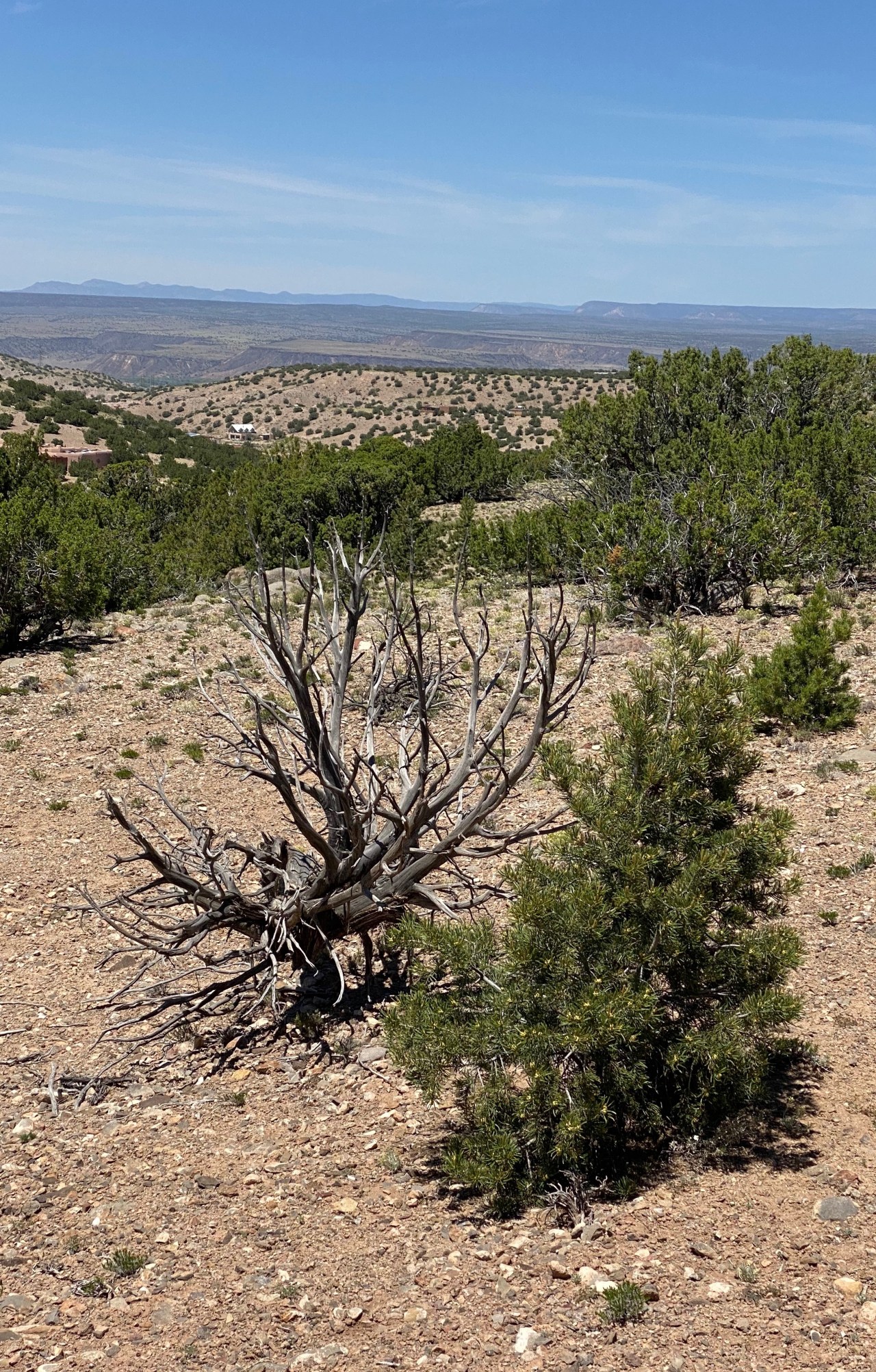
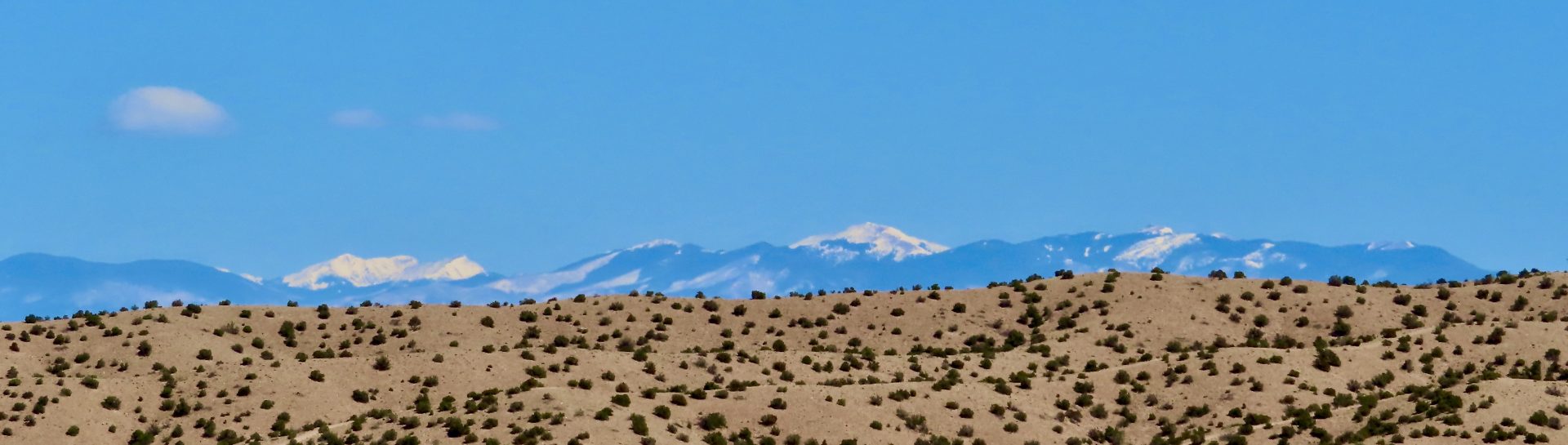
I moved to this place from another Placitas home many years ago because the property, while still close to work in Albuquerque and Santa Fe, is steps away from 197 acres of BLM land that so far have escaped trades and development. In the photo below, taken from part of it, you can see the now-dry Las Huertas Creek extending west to the Rio Grande. I walk here just about every day. I guess it’s been around 10,000 times over mostly the same route, over the lifetimes of three great dogs, and now a fourth, sometimes twice a day, over 28 years.

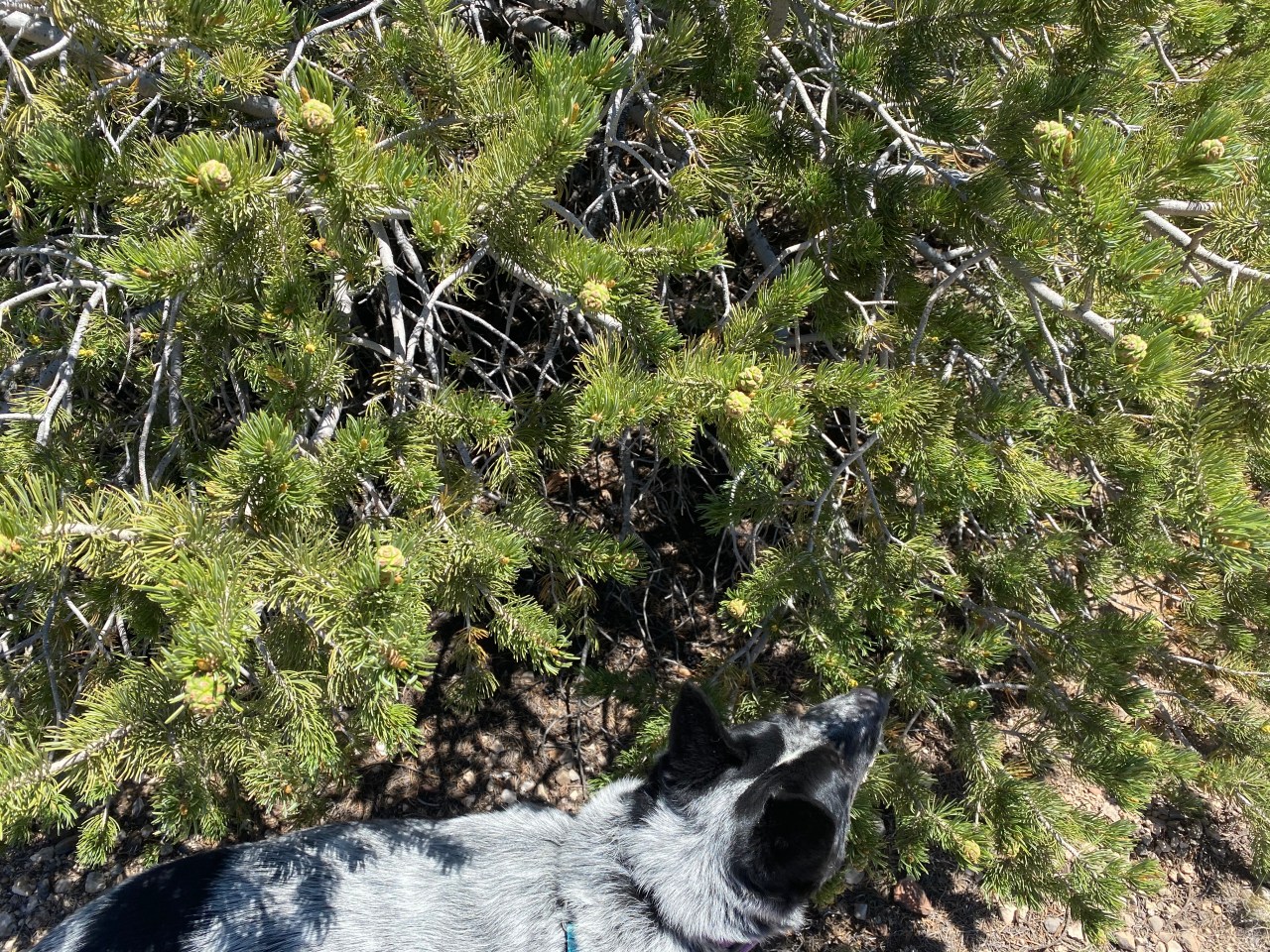
I witnessed the big piñon die-off of 2003. Two-dozen died just around my house. Since then, I think I’ve been witnessing a revival, right here, of new trees and accelerated growth. I don’t think I am overlooking the regular four-to-seven year cycles for cones and nuts.
Version 2

But I know I am short-sighted when it comes to tree growth and drought and climate change. I’m sure the cycle of piñons is more complicated than I can comprehend. Even the experts I read seem to acknowledge some mystery about piñons. I’ll just say I am observing a second year in a row of good piñon growth on this speck of public land just east of the upper middle Rio Grande valley.

There are places where I count a half-dozen young trees in a 20-foot by 20-foot plot. I’m sure since the ’03 die-off. And where I thought piñons were most successful starting in the shelter of a bigger juniper, most of these are scattered, out in the open.
IMG_2090

I await better science than mine. I remember a lesson a long time ago about the limitations of my mind’s eye.

I was ranting to then-Albuquerque Journal science writer John Fleck about how I missed the days in New Mexico when we got real snow. I cited a three-day walk around the Bandelier backcountry in the winter of 1972-73, I think it was, and the big snow that started to come down that Christmas morning. The science writer might have been deep into an exploration of tree rings at the time. He got me to see that the humans, or at least I, often mistakenly think of flashes in the pan for the rule over time: One wet year does not speak for them all, but it’s likely to be what’s remembered as the standard. I quickly stuffed my anecdotal evidence back in my hat and have remembered since the frailty of my human view against the span of millennia.

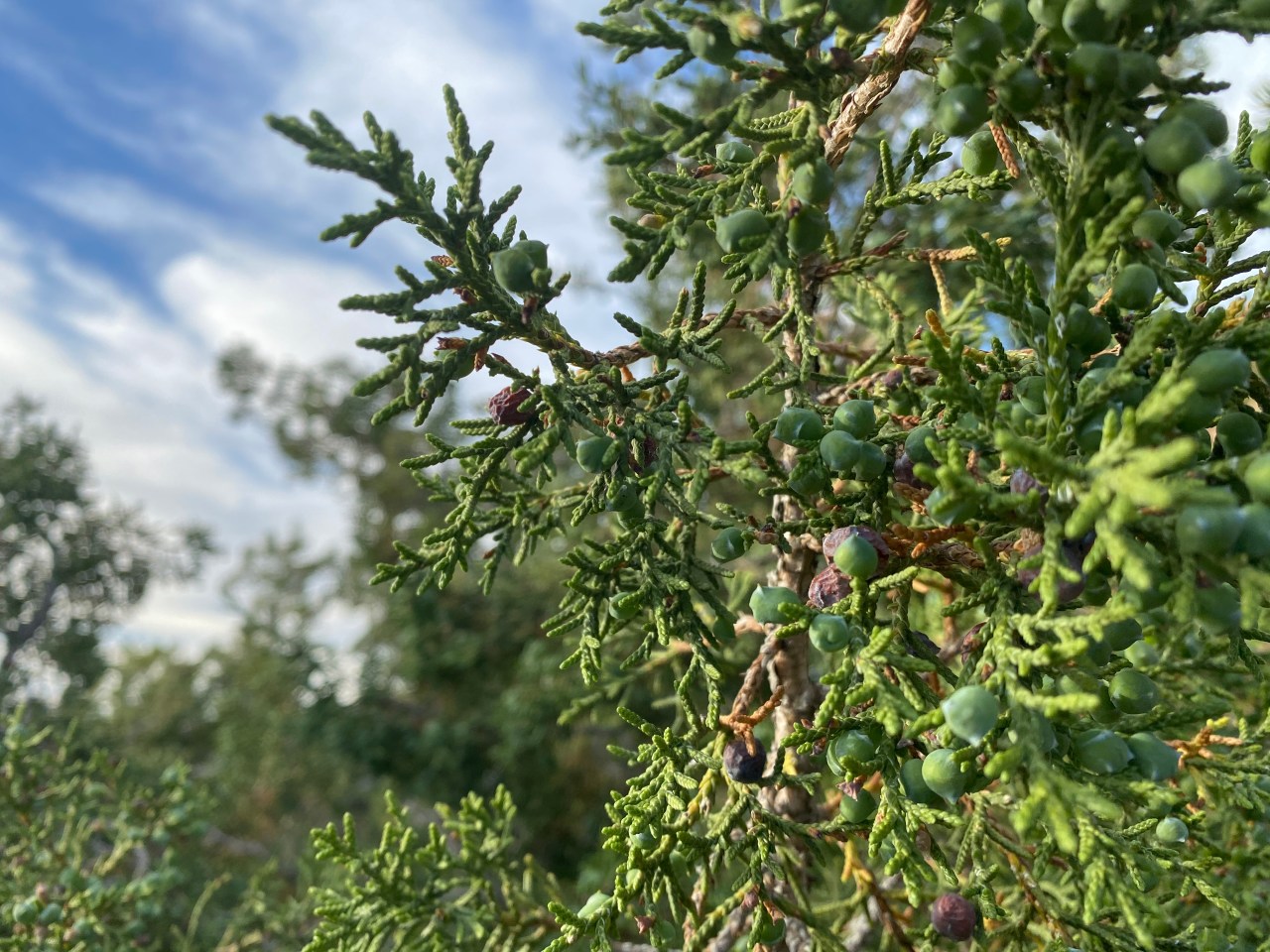
Meanwhile, I am on to my next local find: junipers are suddenly bearing their second batch of berries. I have read that these trees often pollinate twice, winter and spring, but I am easily excited by my own discoveries.
IMG_2151

After correcting a few things in this earlier blog post, I switched to Twitter and saw what environmental and climate scientist Jonathan Overpeck called a “megadrought update.”

EXfrQsVXYAE03cK

There also was this May 4 tweet from John Fleck, now the director of the University of New Mexico Water Resources program:

“We’ve already reached that dry year point where the only water in the Rio Grande at San Marcial (central New Mexico) is water being pumped in from adjacent drain to keep it from going dry #nmwater””
Fleck also has been writing about the “sneaky drought” in the Colorado River basin.
Then, I saw this, by Albuquerque-based environment writer Laura Paskus, who has a book coming out from UNM Press on climate change: At the Precipice: New Mexico’s changing climate.

Our Land: A Decent Winter Becomes a Lousy Spring on the Rio Grande: “Chavarria, a hydrologist, saw something else in the records: Snowpack in the Rio Grande watershed is decreasing. And it’s melting earlier.”

I know that year to year droughts can be highly localized and moment to moment my field of vision can’t see the bigger picture. There is also the problem of blogging versus science.

It’s becoming clear to me that I need to rewrite this entry,  maybe turning it upside down. And I haven’t commented on the changes in absences in other plants, like grass, at my tiny observation post. I keep forgetting about growing aridity in the region as a whole.

I know what I see in the trees but sometimes I worry that if I were a cartographer the world still would be flat.
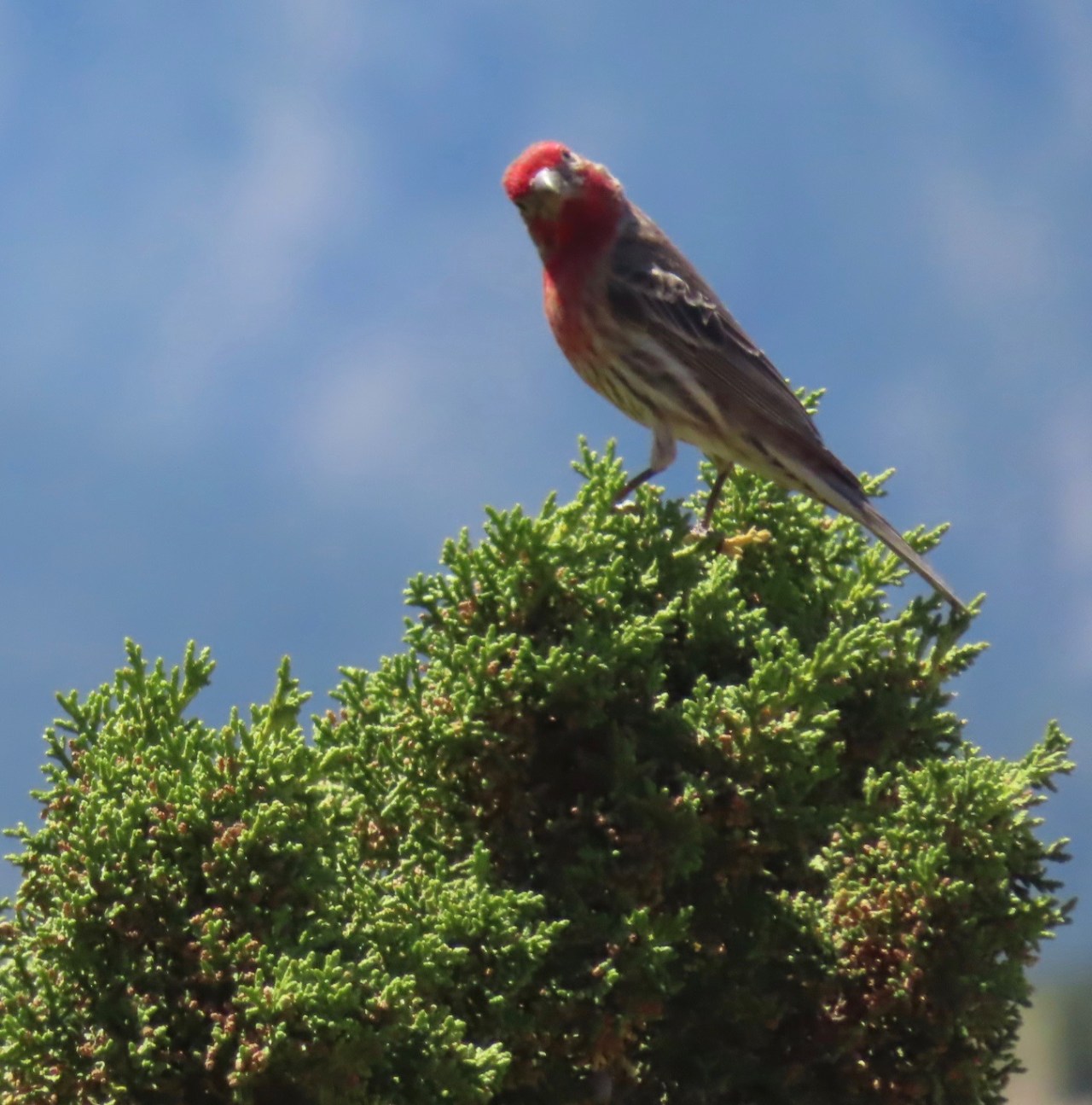
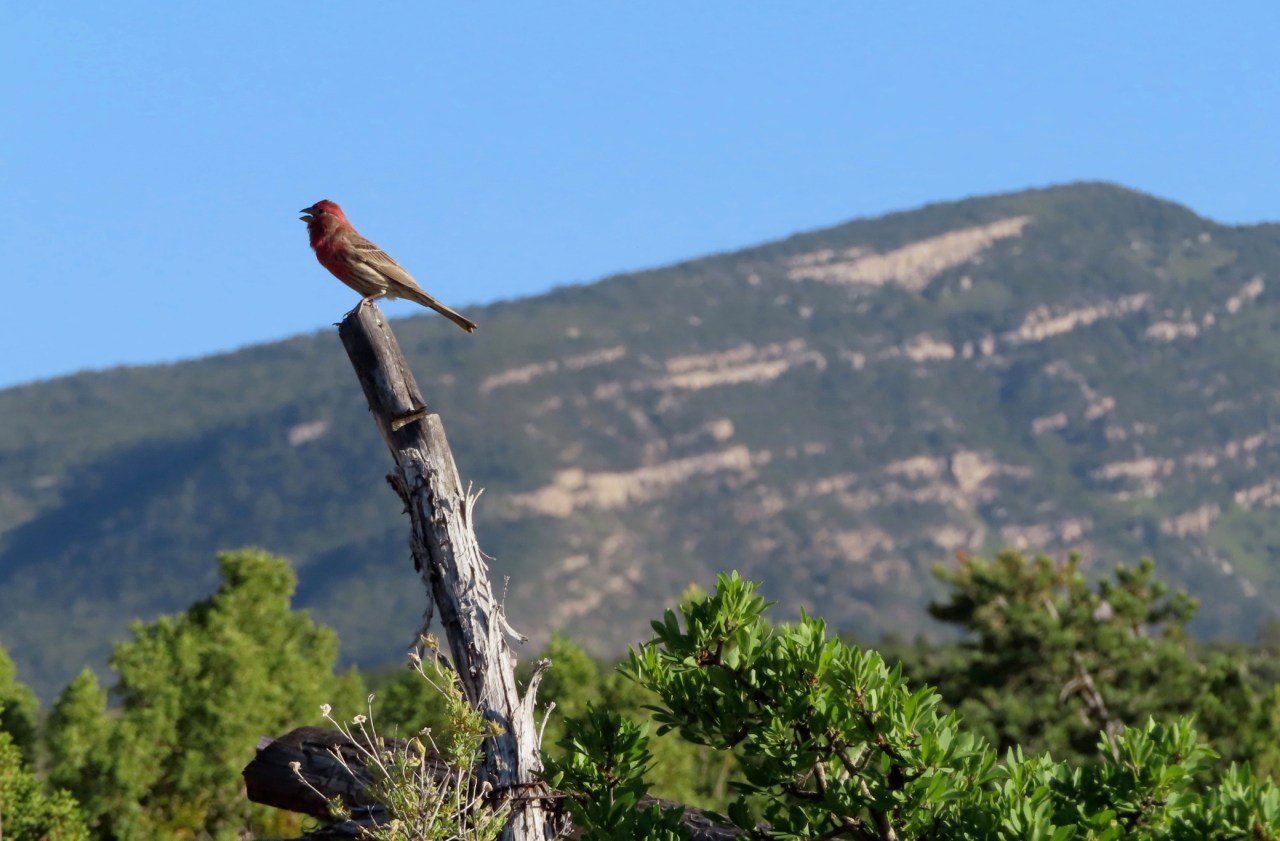
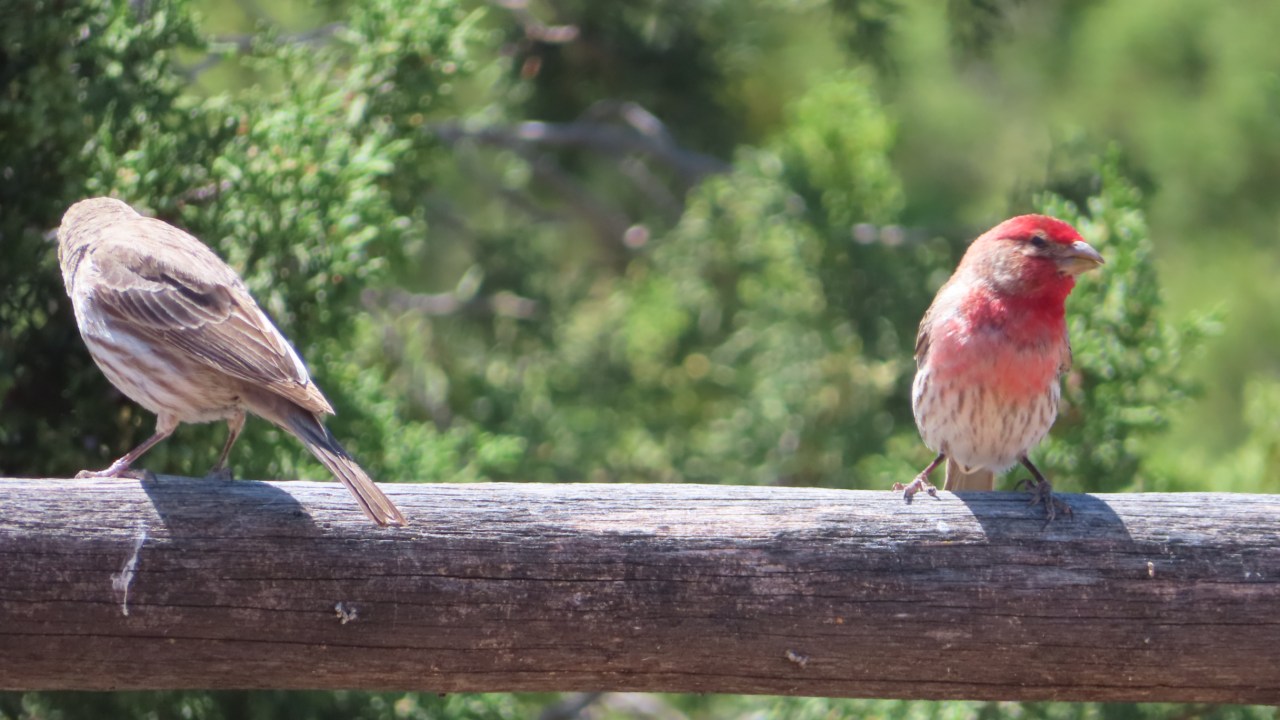
I’ve spent hours the last two days watching for orioles and tanagers and other exotic-looking migrators but it occurs to me tonight that my most reliable friends are the ordinary finches who hang out here year-around.
IMG_2403

They’ve been flying around in pairs all day today, singing excitedly. The red caps of the males seem redder than usual this spring. I believe they nest nearby and know that they visit my protected watering dish often. They do not seem to expect store-bought food, which I don’t put out, mostly because of wild horses. The finches are so crimson up top, I think they might be Cassin’s finches. I am sure they are not the rosy finches of Sandia Crest, 4,000 feet above.

IMG_2413

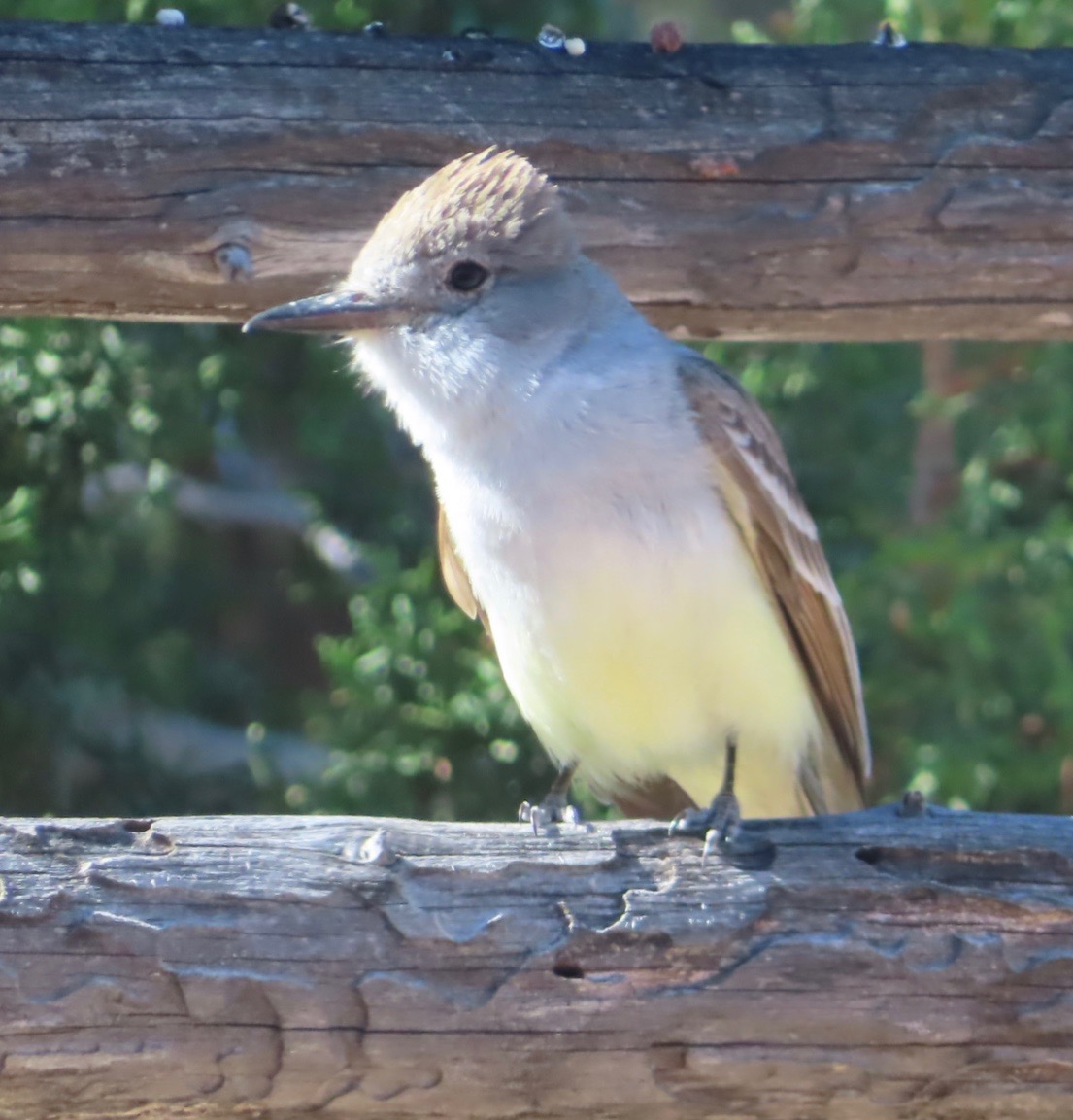
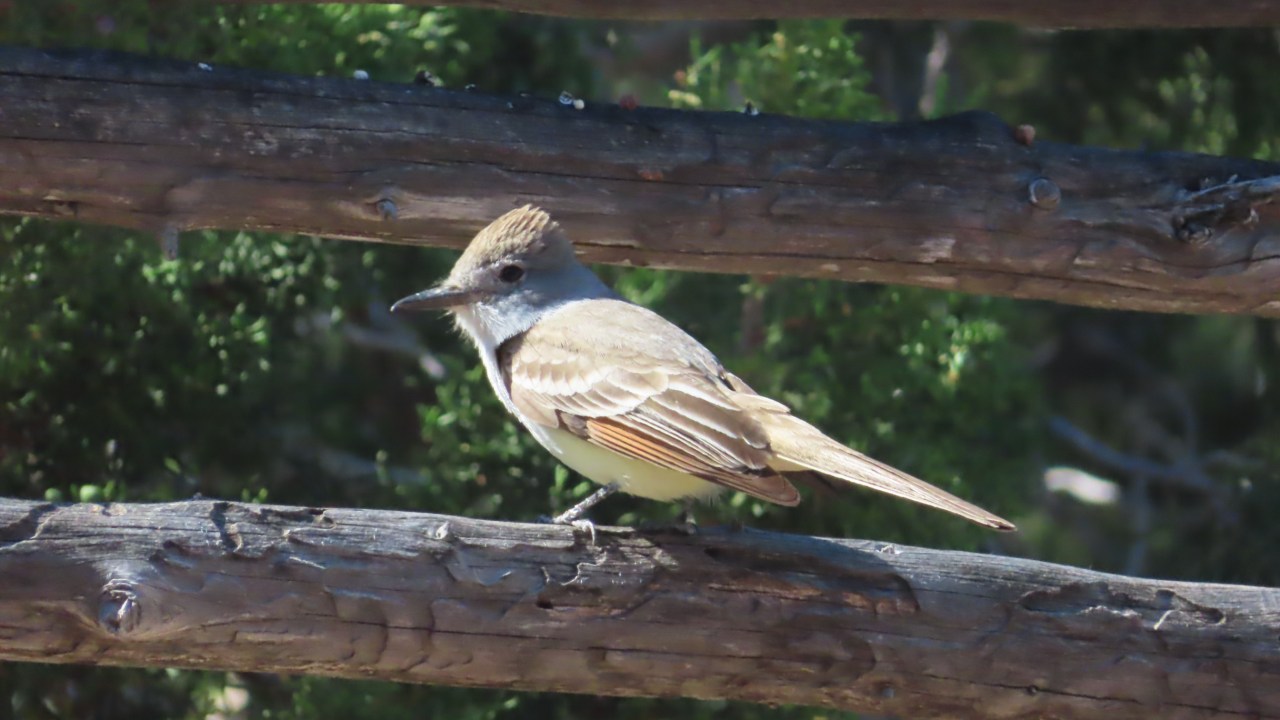
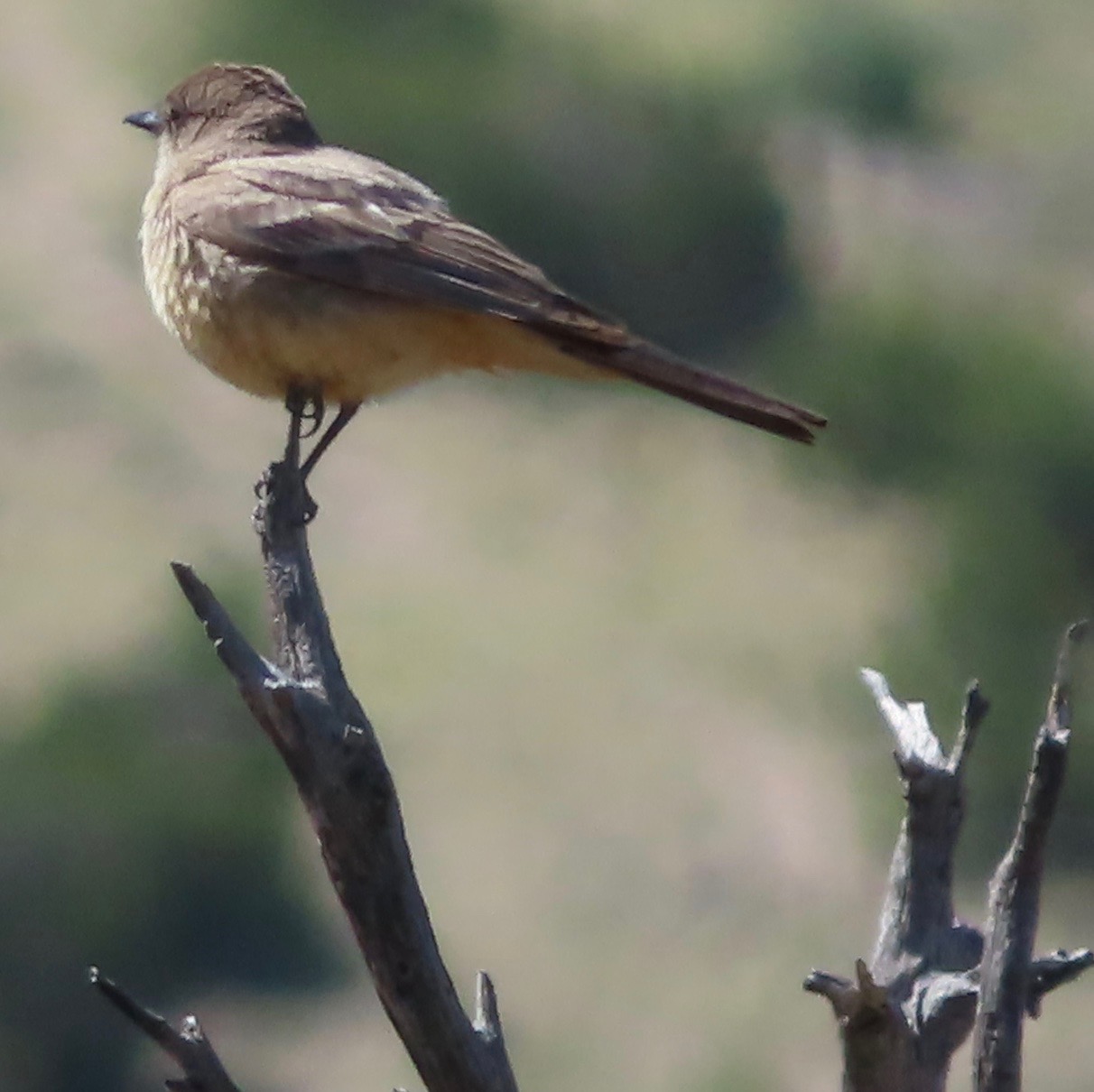
I caught a glimpse yesterday, but not a photograph, of what I think were three tanagers. A Kingbird chirped for me briefly this afternoon but proved to be camera-shy.

IMG_2399

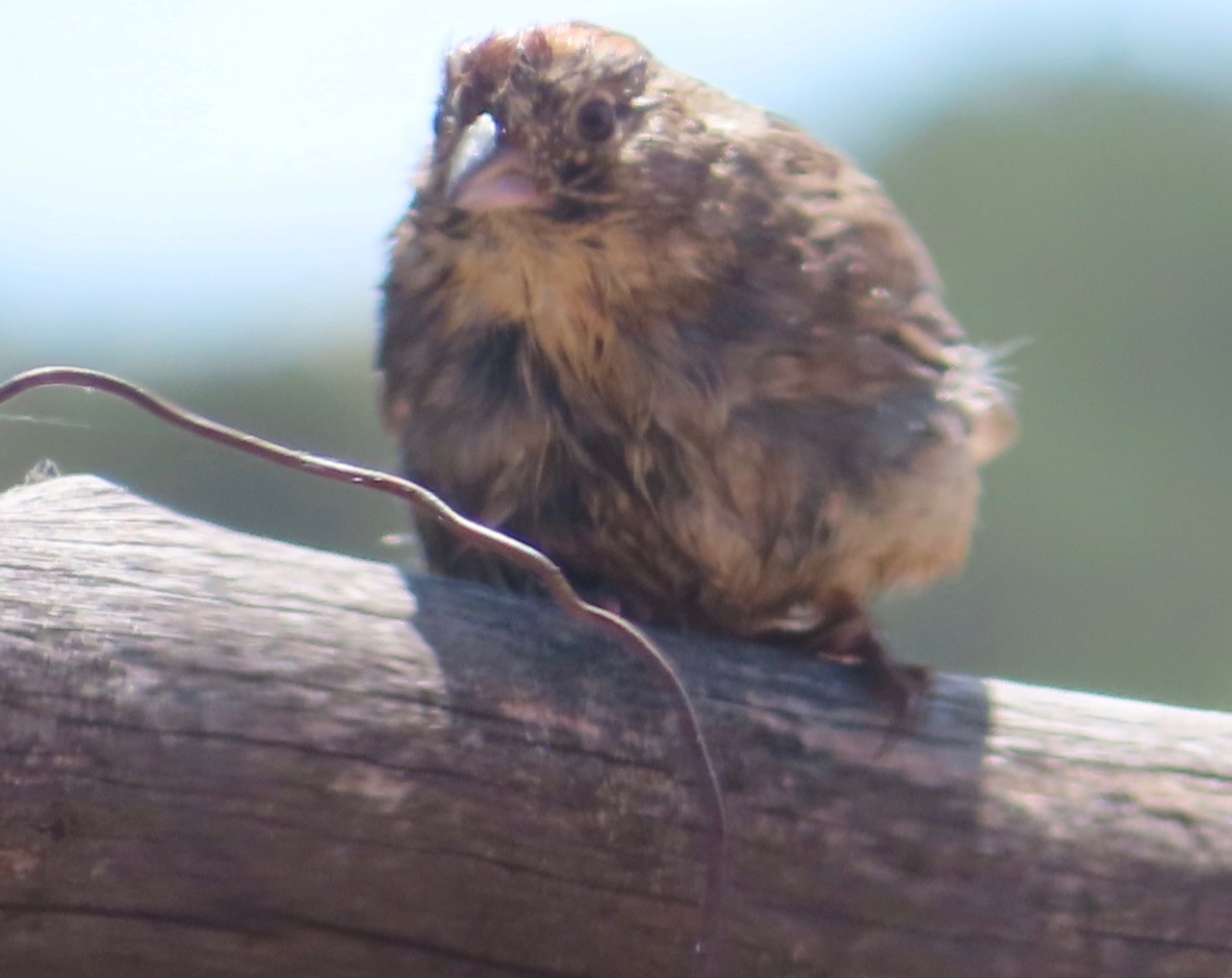
There was one fellow so ruffled up with bath water that I couldn’t tell what he was, although my books say finches, too, sometimes have patches of yellow.

IMG_2412

So, at the end of the day, I’m not worrying about the fancy tourists and am taking my hat off to my homebody friends, the finches.

IMG_2407

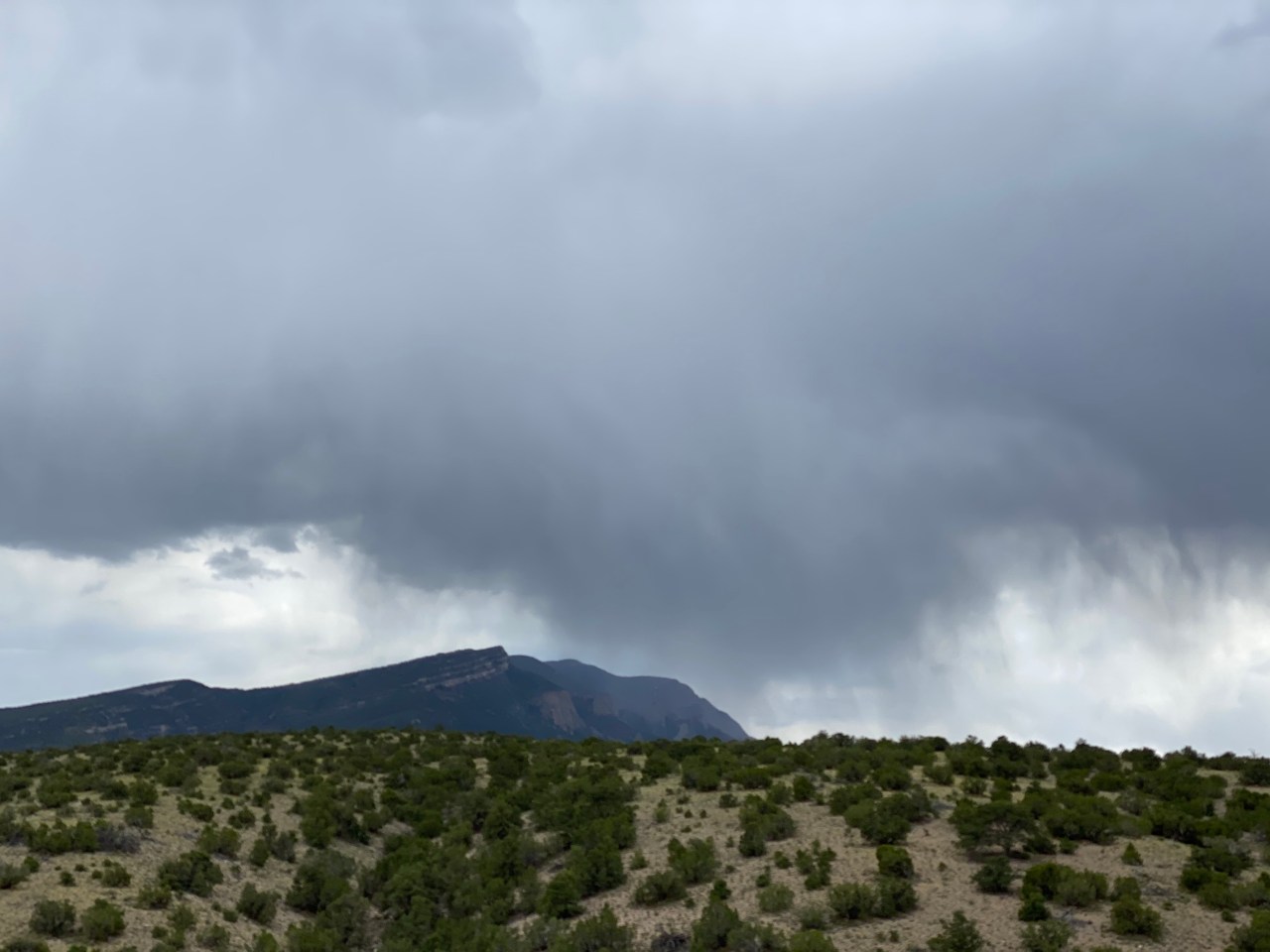
Walking rain, or what the weather wonks call virga, brushed the Sandias last night but left only a few drops of water. I headed out on my evening stroll after watching Gov. Michelle Lujan Grisham announce the first easing of coronavirus rules.

IMG_1816

I felt as wary about the coronavirus developments as I am ordinarily about the promise of New Mexico rain, even though we are now over a month into the state’s pandemic response.

Dan McKay and Dan Boyd of the Albuquerque Journal were careful in their reporting on the governor’s announcements.

“The relaxed business restrictions were announced even as the coronavirus outbreak continues to move through New Mexico,” Boyd and McKay wrote.

“While infection rates have decreased in recent weeks in much of New Mexico, the state’s northwestern corner has had skyrocketing case numbers and deaths.

“In particular, outbreaks have ignited on the Navajo Nation and on several tribal pueblos that have prompted curfews, restricted access and other measures.

“Native Americans make up 52.8% of the state’s total confirmed coronavirus cases … ” the Journal report noted.

Lujan Grisham, who among the nation’s governors acted early and aggressively on coronavirus crisis, was cautious, too. She gave warnings Thursday at the same time she started easing restrictions. I was glad that she continued to be attentive to the Navajo Nation and other parts of Indian Country.

“Lujan Grisham said New Mexico could move to the next reopening phase in mid-May, but only if residents continue to succeed in slowing the transmission of the virus,” Boyd and McKay said. And she said, “The relaxed health orders …  won’t apply to parts of northwestern New Mexico, where the outbreak has been particularly difficult to contain.”

IMG_2240

“If we’re not practicing social distancing, there will be more spread,” added state Human Services Secretary Dr. David Scrase said during Thursday’s briefing.

Former Albuquerque Journal Washington correspondent Richard Parker weighed in Friday with a New York Times opinion piece on Lujan Grisham’s “stellar performance” in the coronavirus crisis. He cited as well strong responses from New Mexico’s medical and scientific institutions).

Later Friday, New Mexico In Depth posted a report by Jeff Proctor on coronavirus in New Mexico prisons: “Failure of prison coronavirus testing in NM begs scrutiny”).

Soon after, Dan Boyd reported on Lujan Grisham issuing a lockdown order for Gallup, where the virus clearly remains out of control.

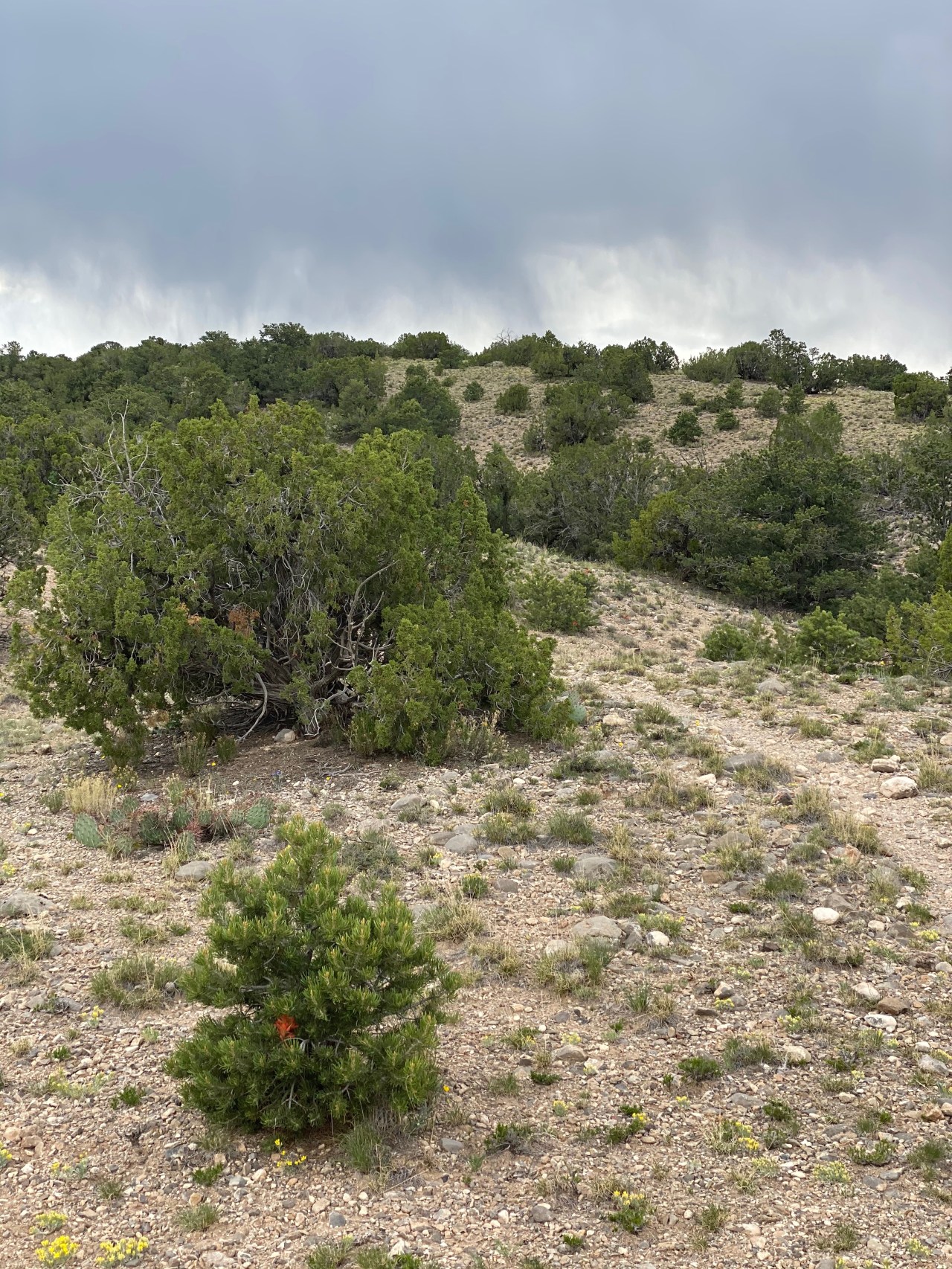
I was interested on my walk by a paintbrush popping up through a small piñon.  Meanwhile, the trail up the hill still looked steep and I knew better than to expect anything from those clouds.

I might hope for a gullywasher but know we still have to get through May and June. dreamranch.wordpress.com/…/june-wildfires-swampcoolers-and-beans

IMG_1838

IMG_1659

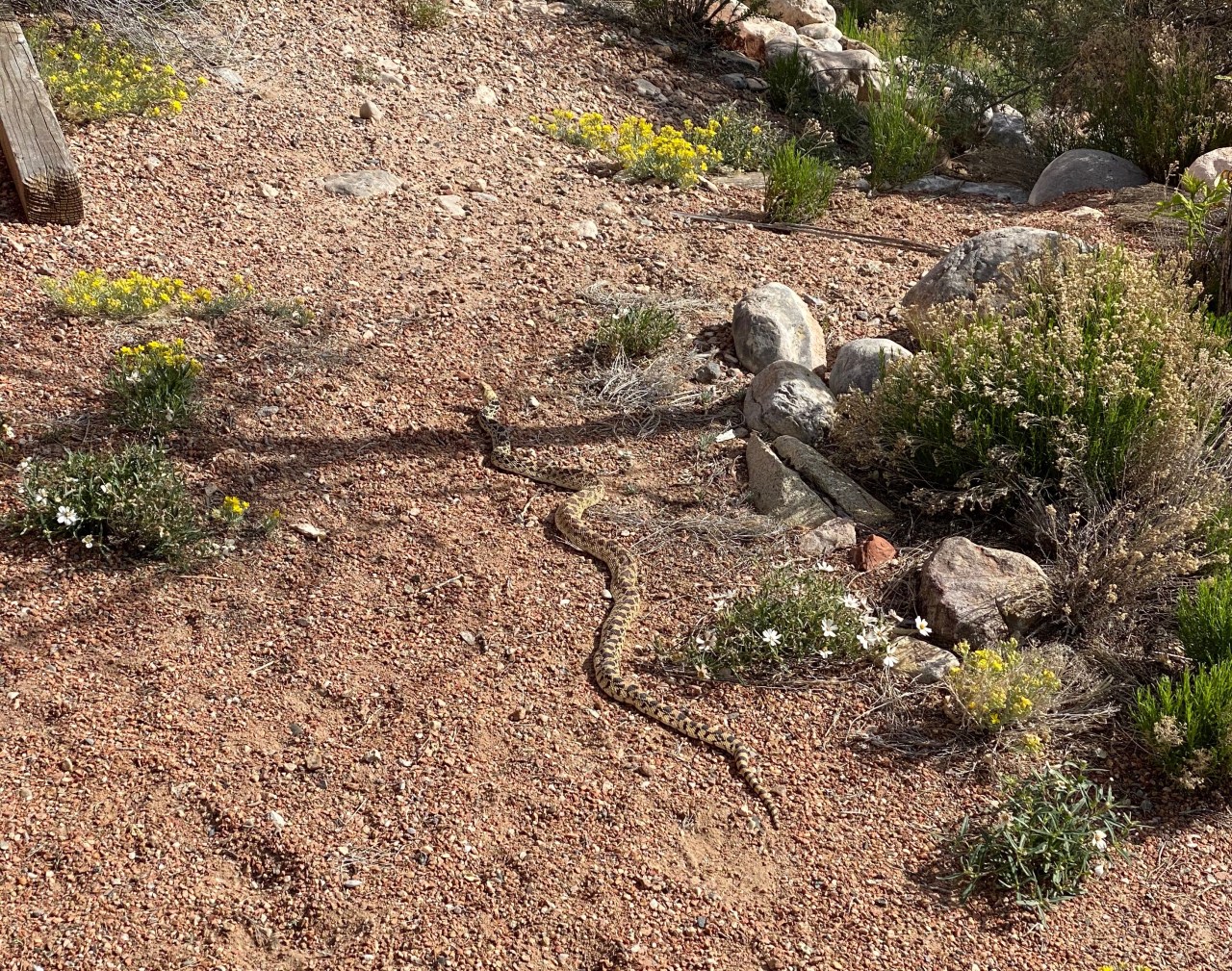
Bull snake sets off on morning rounds at the same time as Cowboy and I.

IMG_1209

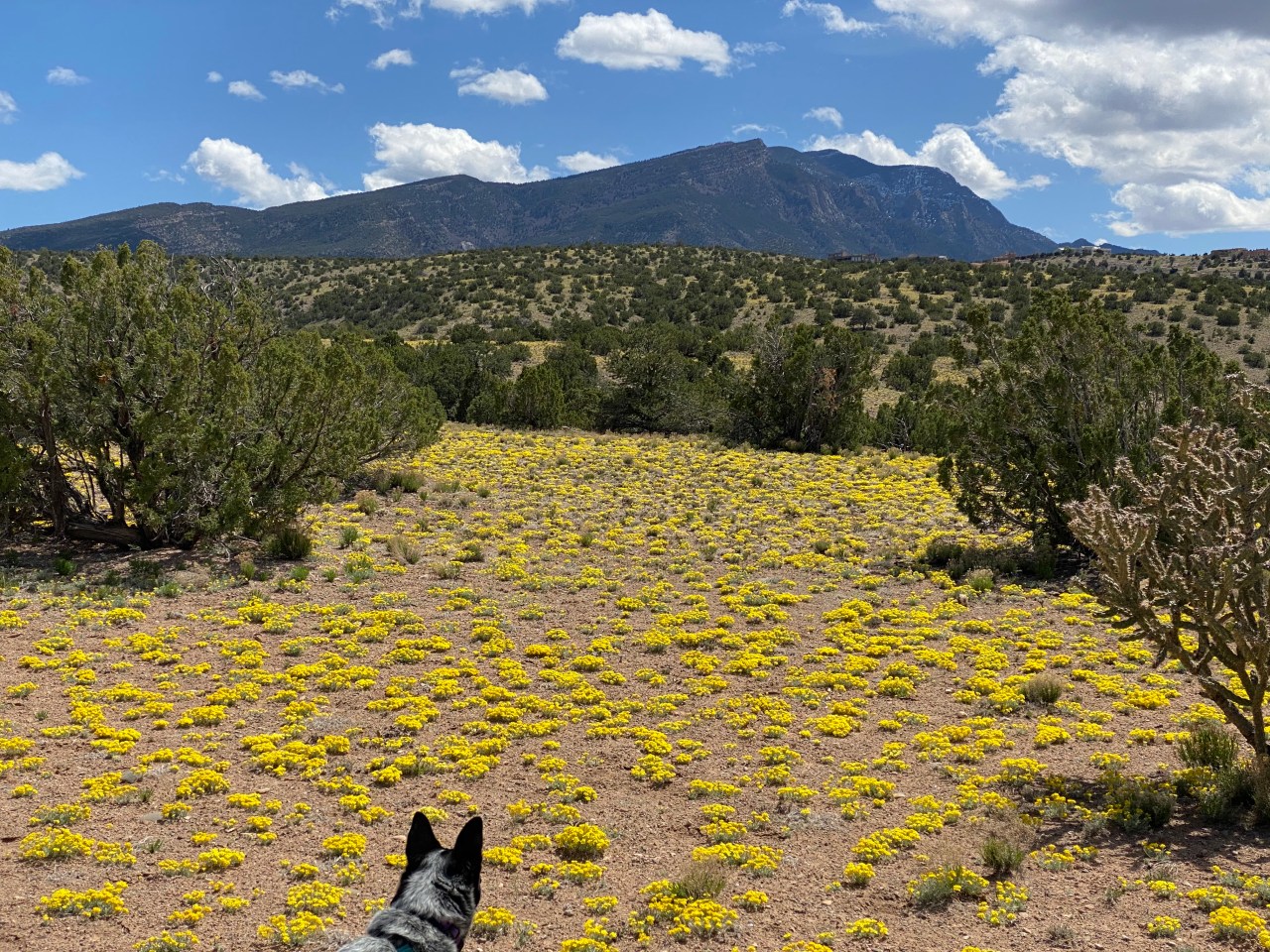
Mustard family still well-represented on the mesa top.

IMG_2345

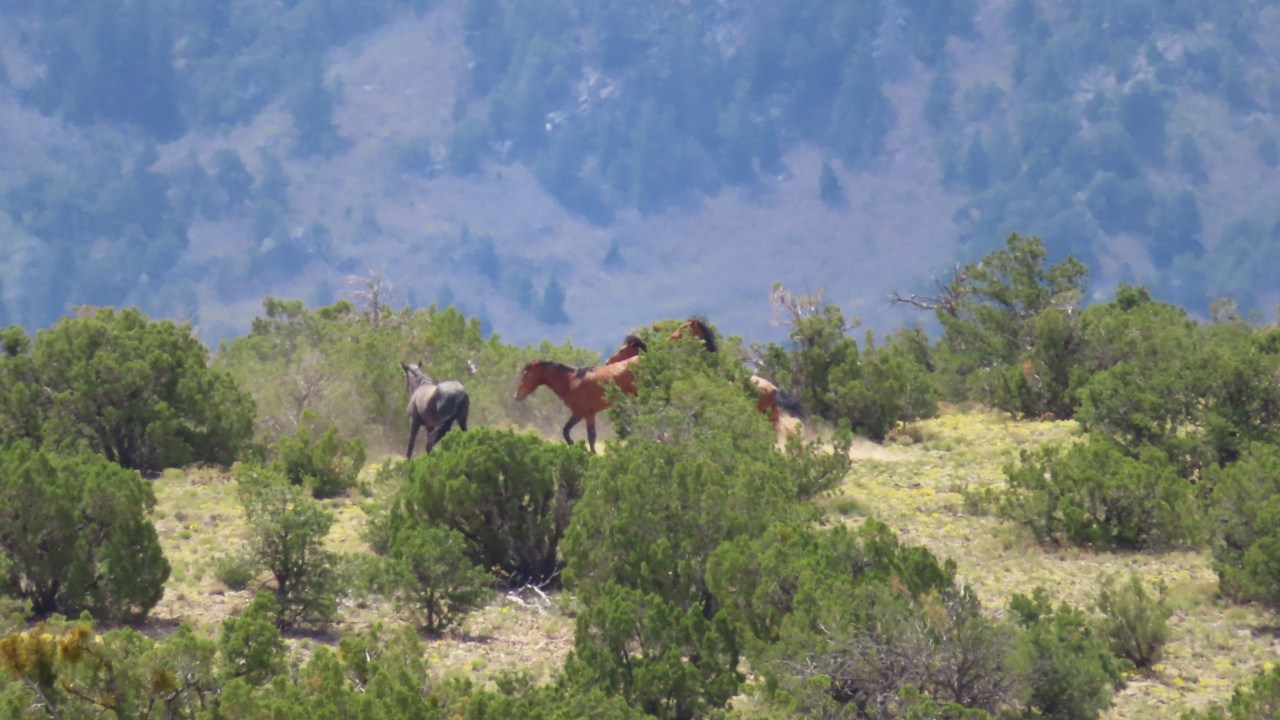
Dust-up on the hilltop to the south, a quarter mile away. It looks like the more familiar locals are chasing off a dark gray interloper.

IMG_2359

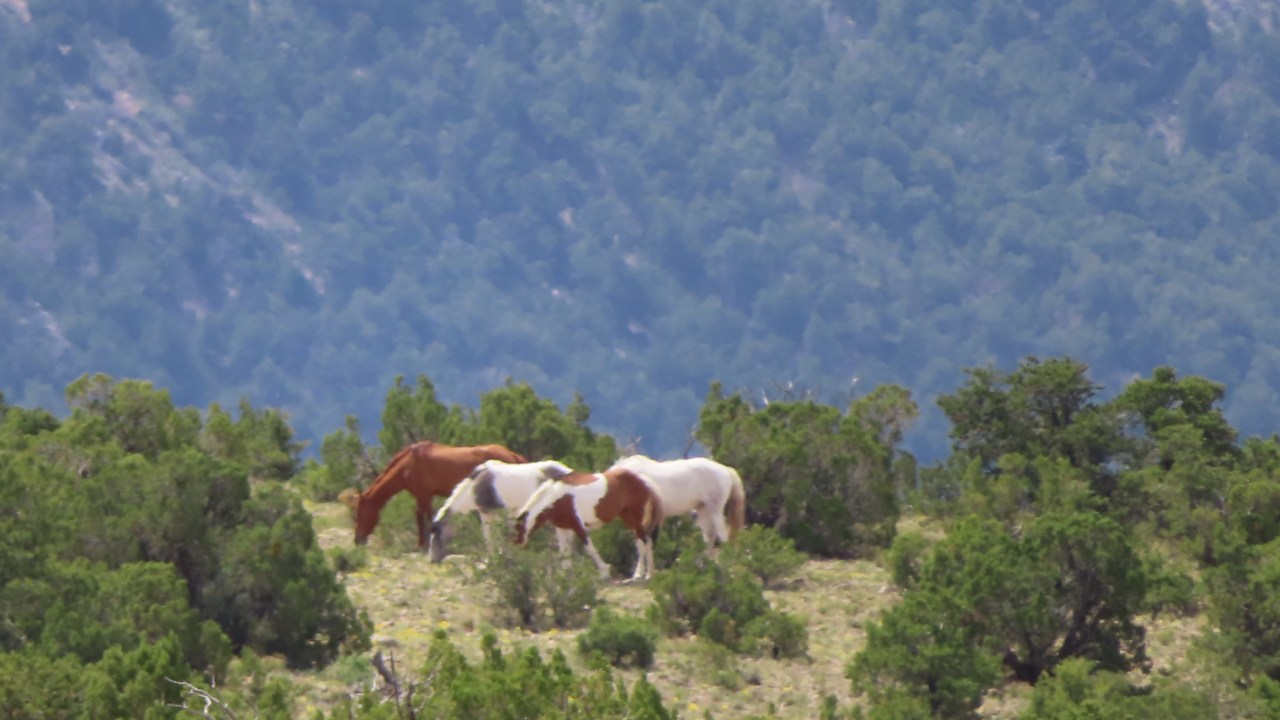
More of a familiar bunch, protected from the visiting gray.

IMG_1794

It’s a wonder I notice anything, since my head usually is in the clouds.

IMG_2370 2

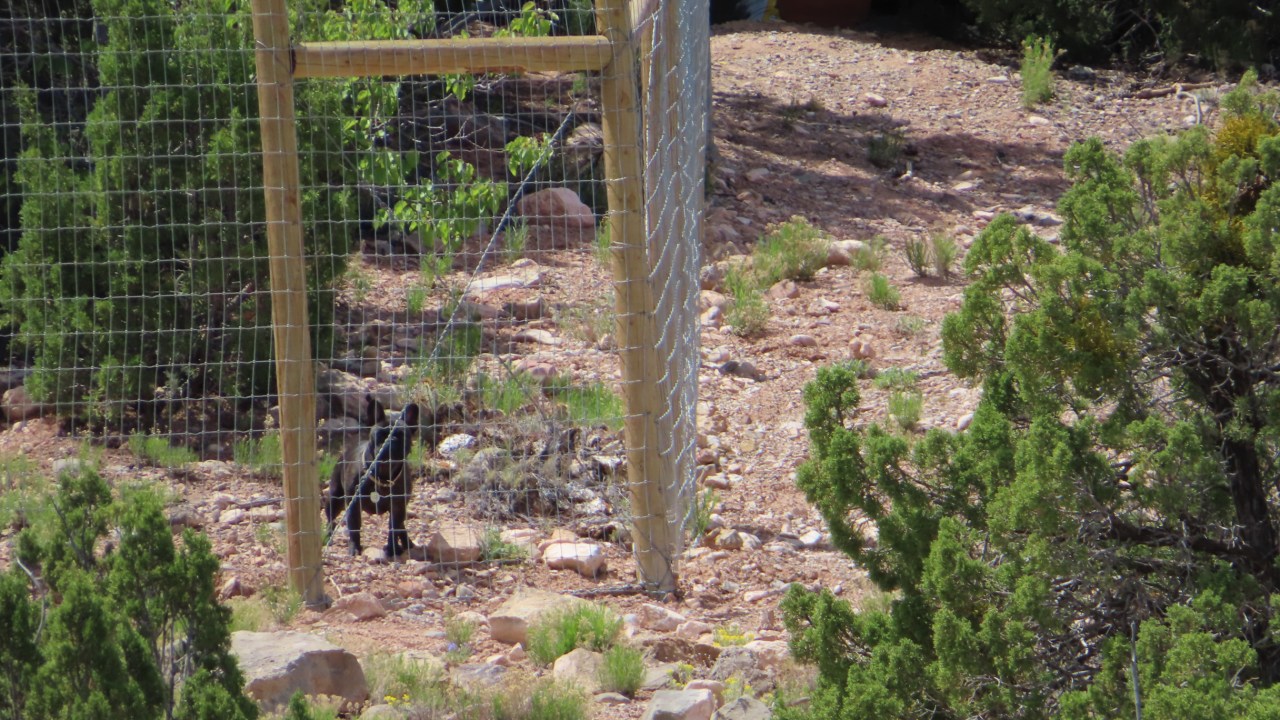
Social distancing may be getting to poor Bebe, the French bulldog who lives up the hill. She has a crush on Cowboy and can only bark a greeting as we return home.


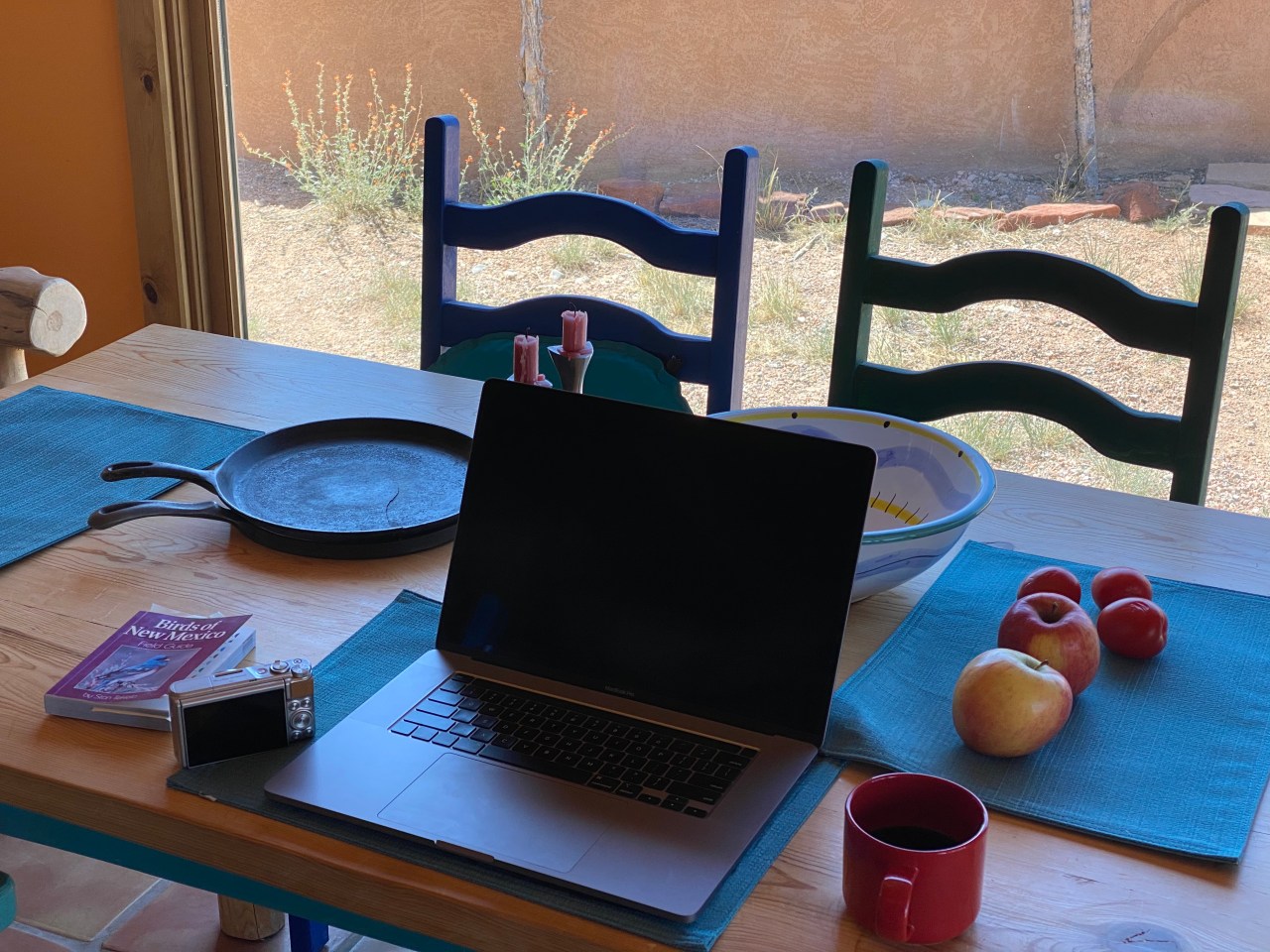
Looking out the windows this windy morning, second cup of coffee on the stump beside me, thinking of friends and groceries and coronavirus.

morning sun

I remembered that March 18 was the date I stocked up for the COVID-19 quarantine, Cowboy food, too. I’ll need to make another trip soon. I was a thorough shopper on the trip a month ago, but not a hoarder. I am also eating less, and more carefully, during my slightly more than usual isolation. My neighbors, Lori and Mike, and stepsister Susan, have helped tide me over with masks and celery, apples, potatoes and coffee.

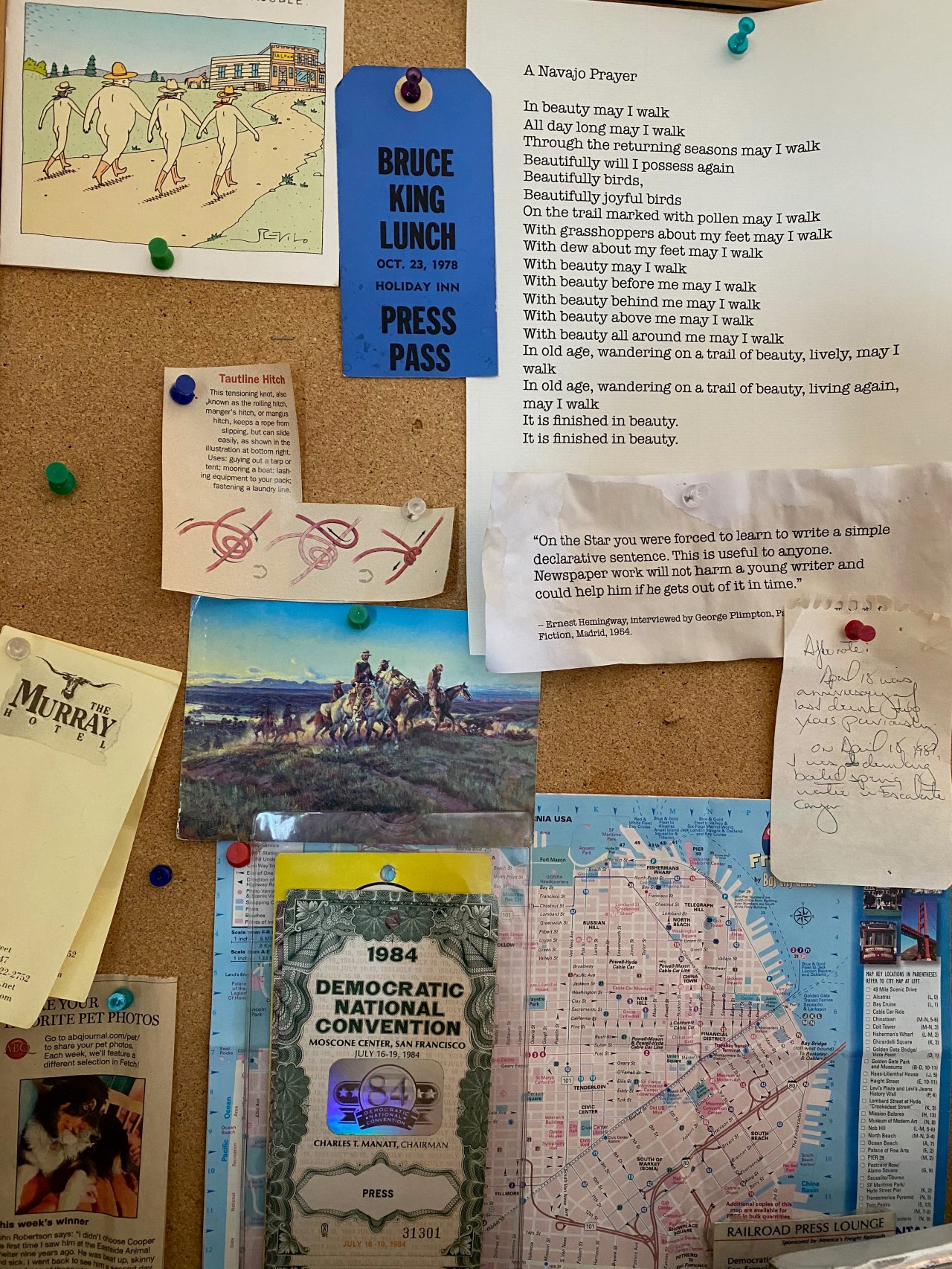
Another April 18 anniversary came to me as I worked on my next grocery list: It’s been 35 years since I quit drinking.

IMG_1185

Thirty-three years ago on April 18, I was sitting up in my sleeping bag in a morning snow squall, squared away among smooth, red boulders above the Escalante River in Utah. I was boiling water from a seep an arm’s reach from my sleeping pad, making coffee with a small white gas stove. I’m pretty sure I would have had a granola bar for breakfast, not knowing then what I know now about sugar’s effect on me in the morning.

The fresh water I found in this good, wind-sheltered place above the river reminded me of the date of my last drink, two years before. But now I am remembering my Escalante time even more.

I had walked up the river on warm, sunny day, wading in ankle to knee-deep water where the canyon narrowed. The clear water riffled, gliding steadily downstream. I could see my sneakered feet on the smooth, sandy bottom.

The snow lasted just the morning, of course. I would walk back downstream a day or two later in warm sun, wading the river just because I could. A length of salt cedar, red bark left on, made a fine walking stick.

On that April 18 morning, I was glad I was drinking Escalante spring water. I have kept a page from a notebook, recording the date, now pinned to a bulletin board in my office at home in Placitas.

IMG_1195