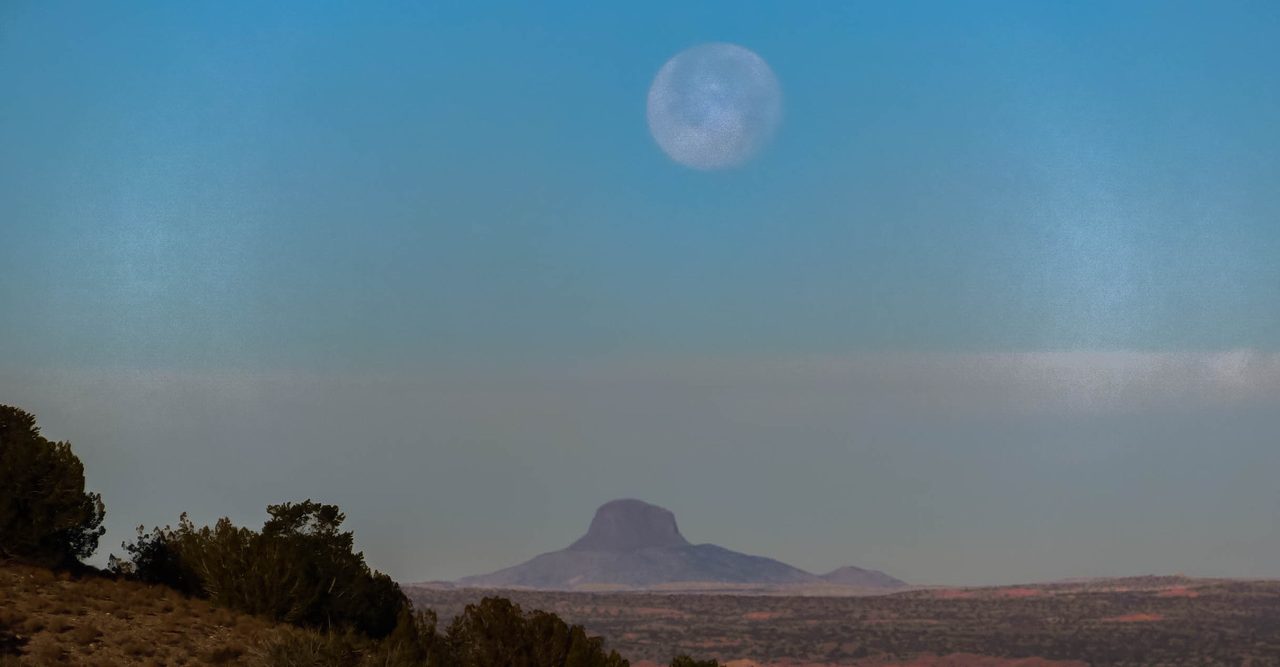
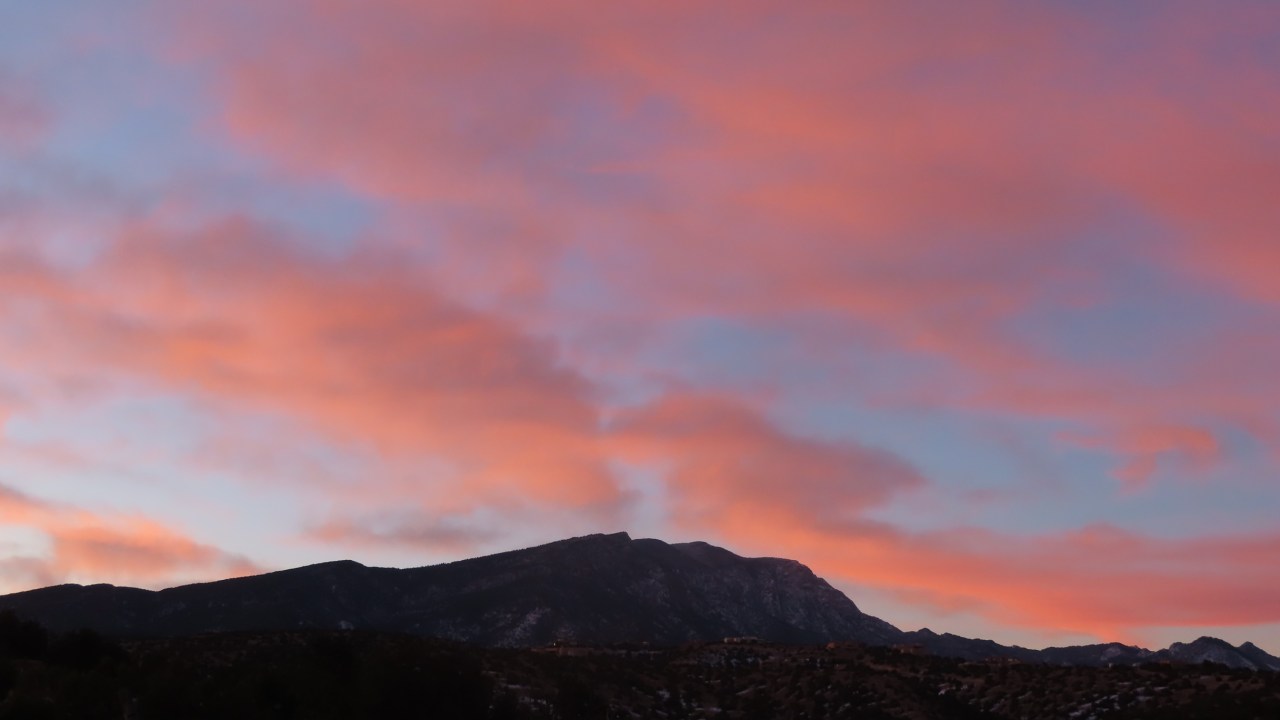
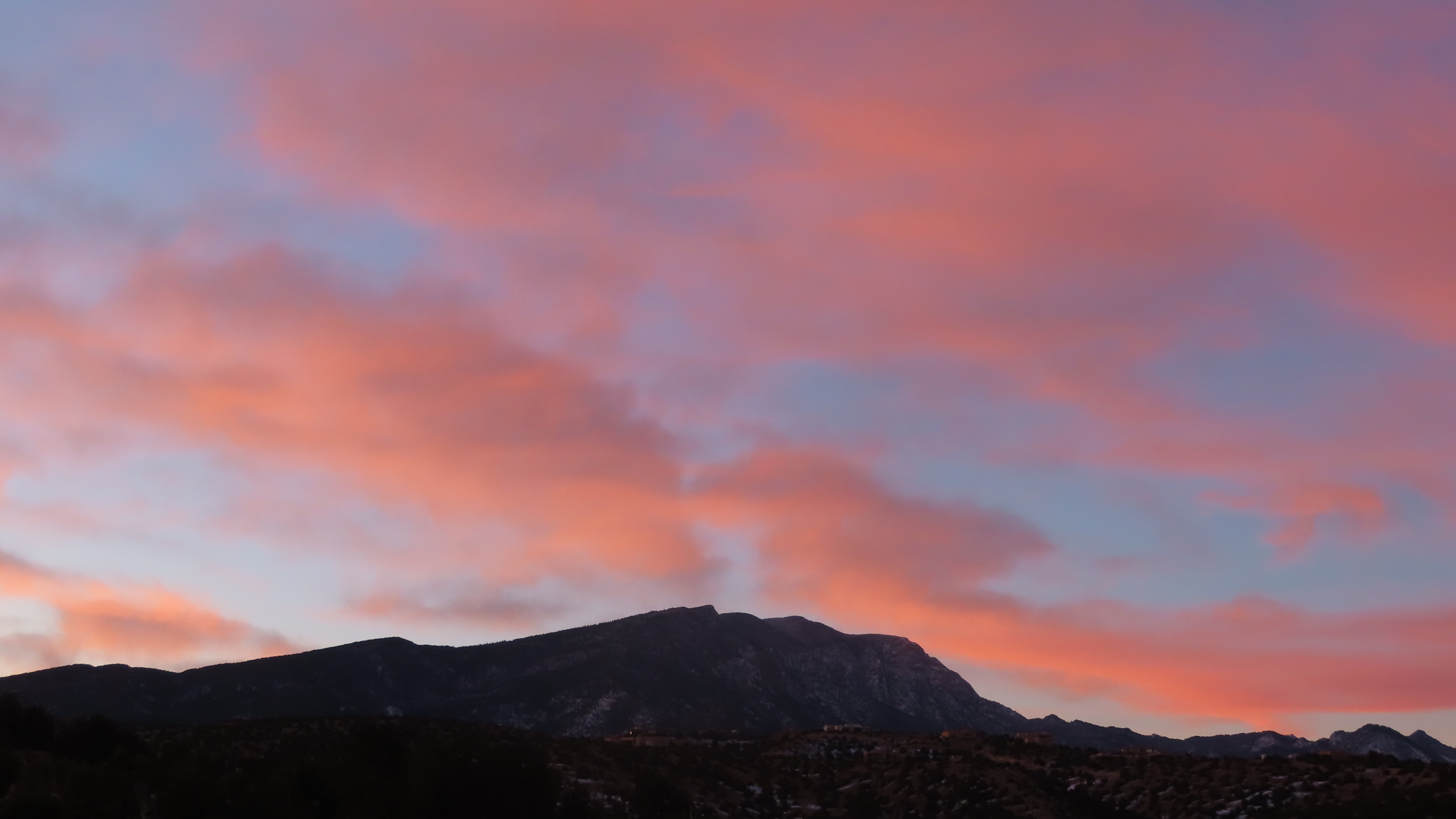
Rising and setting, December 29-30, from dream ranch.
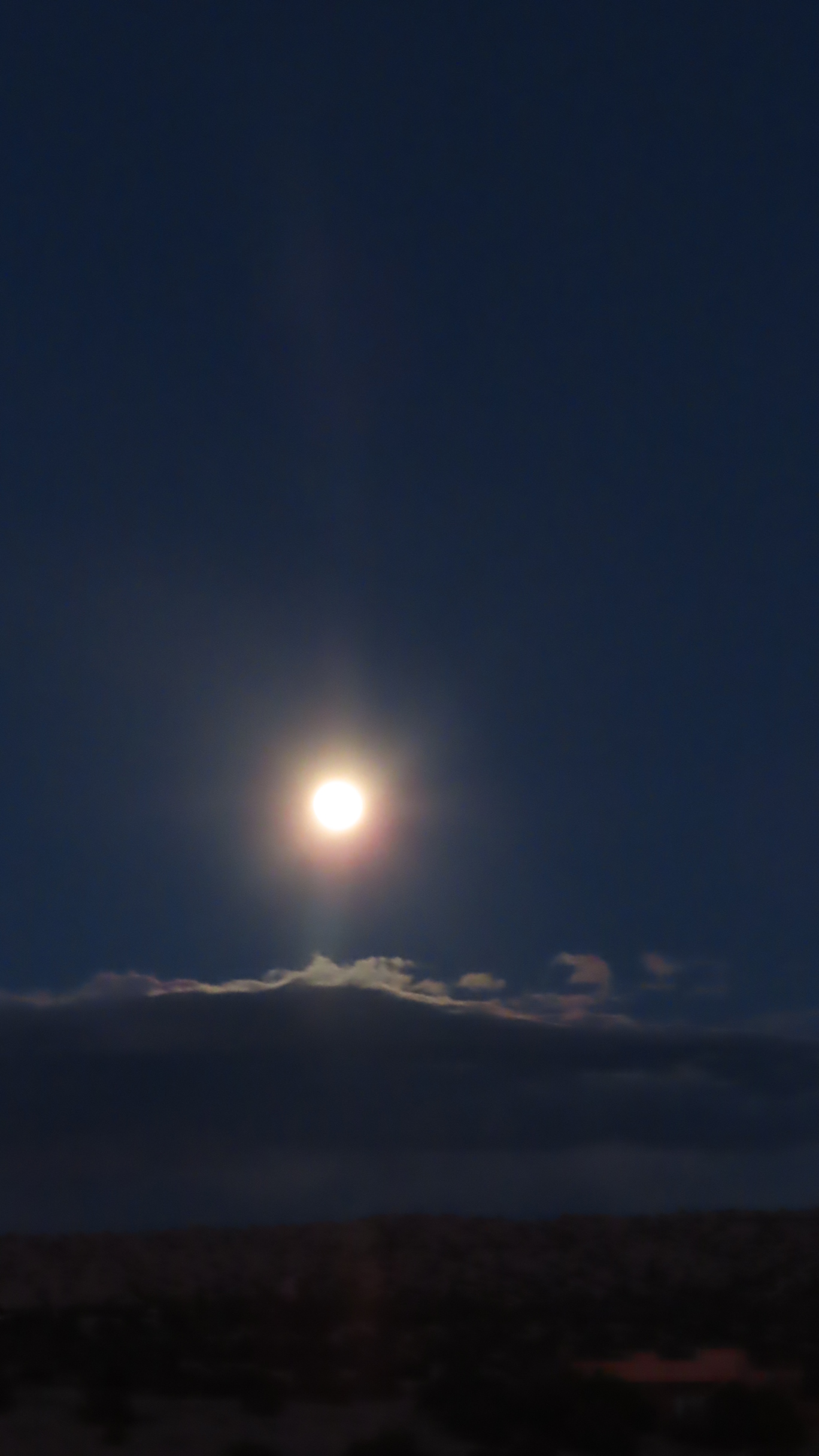
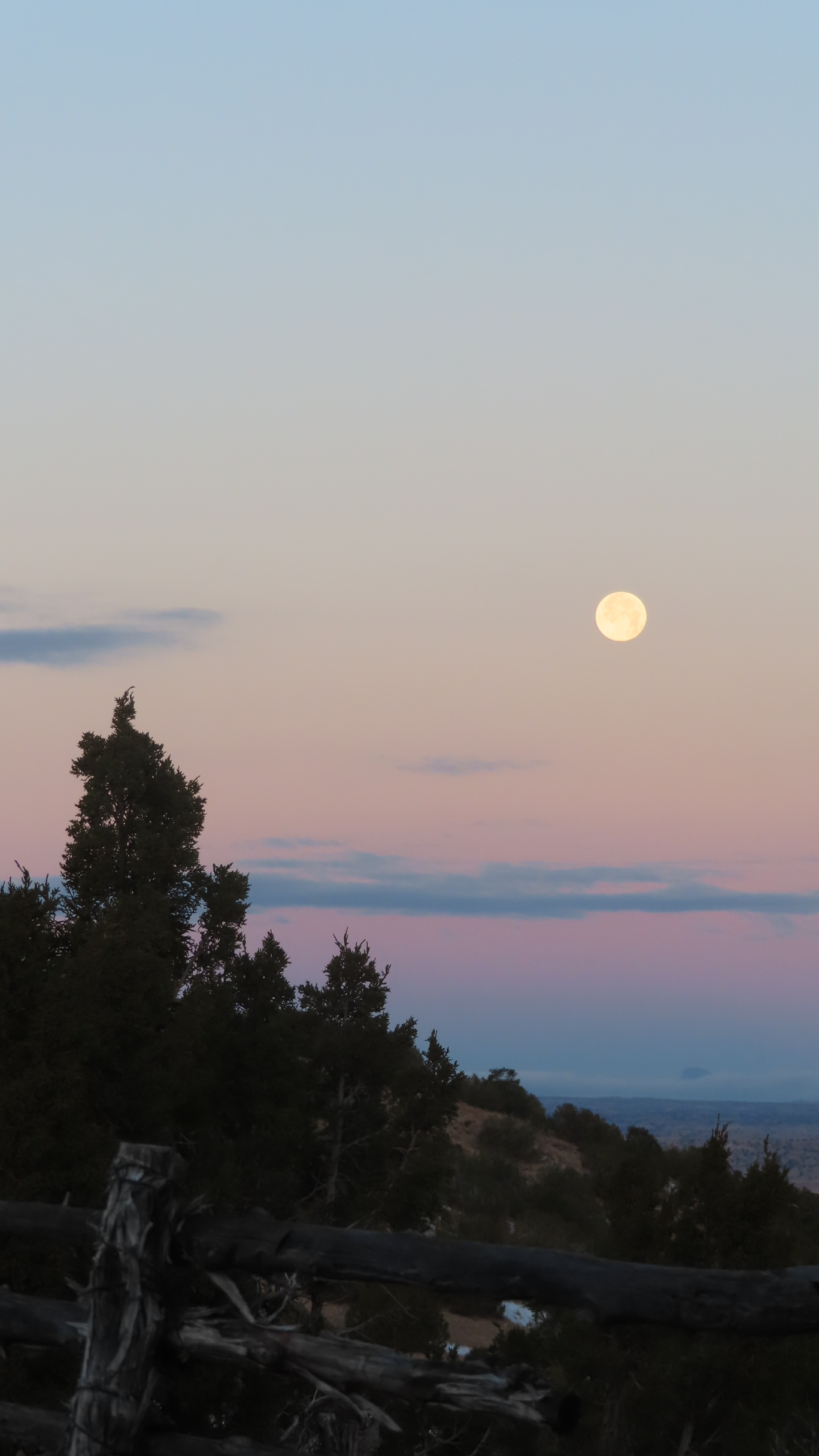

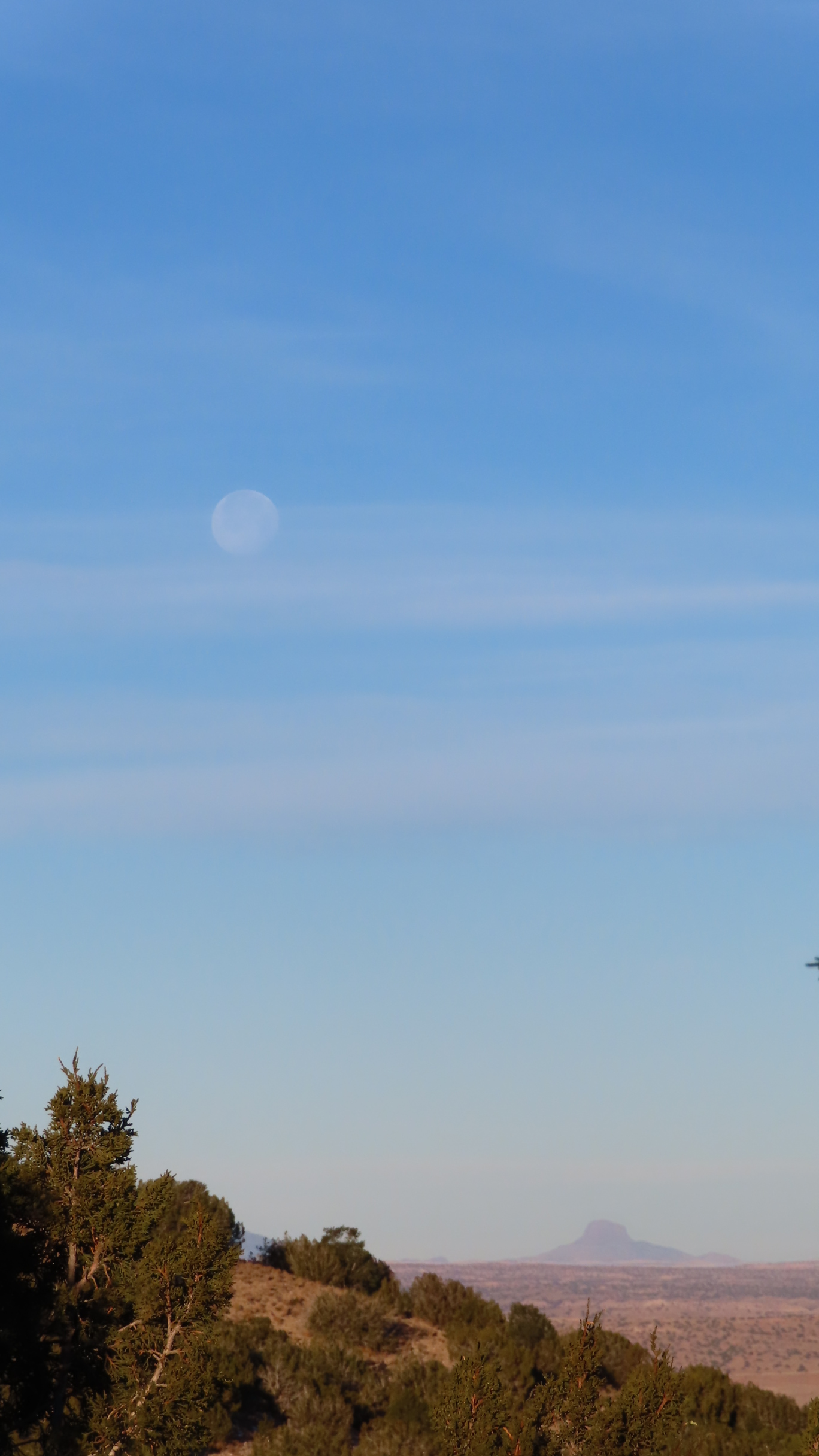
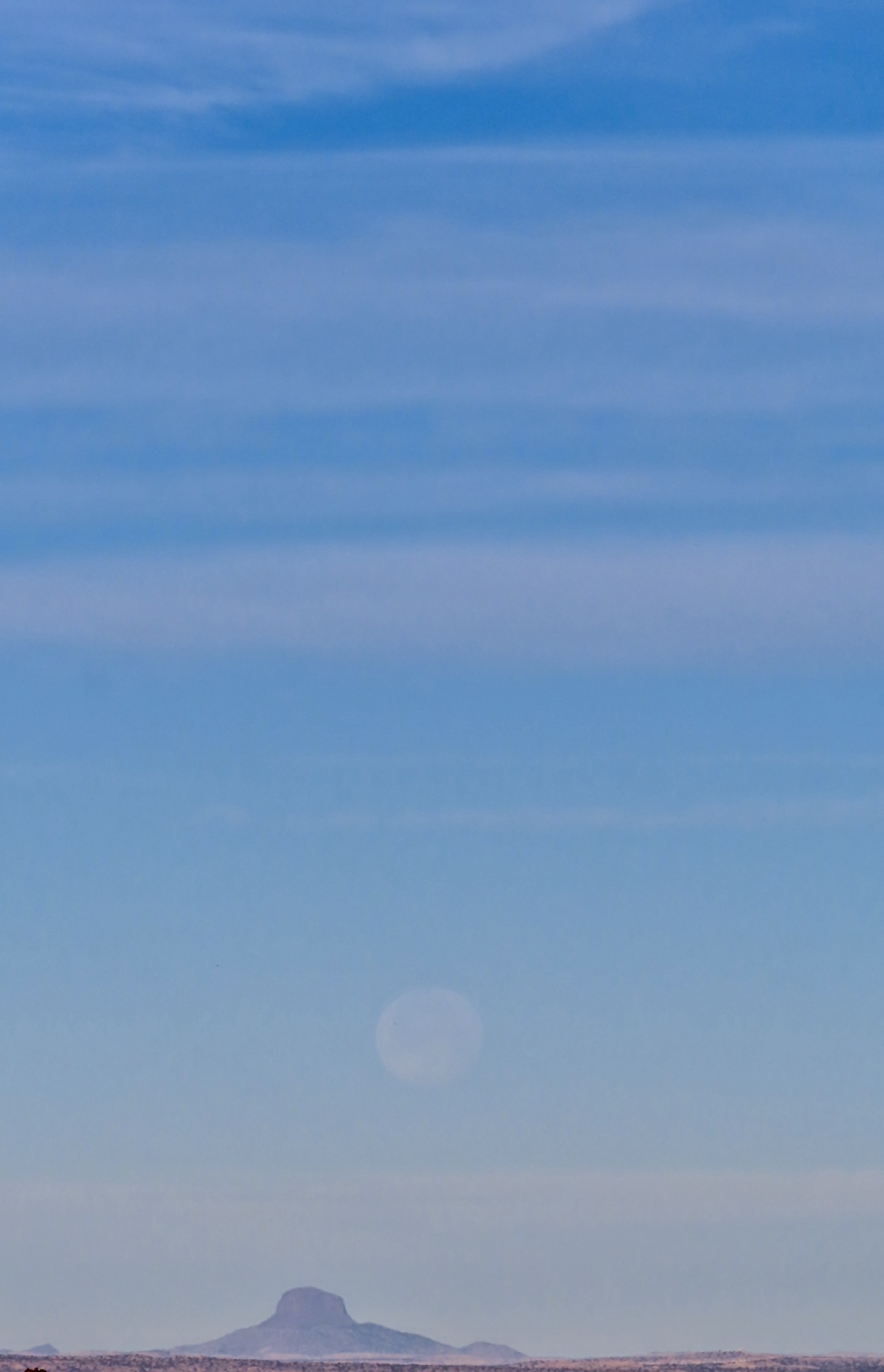
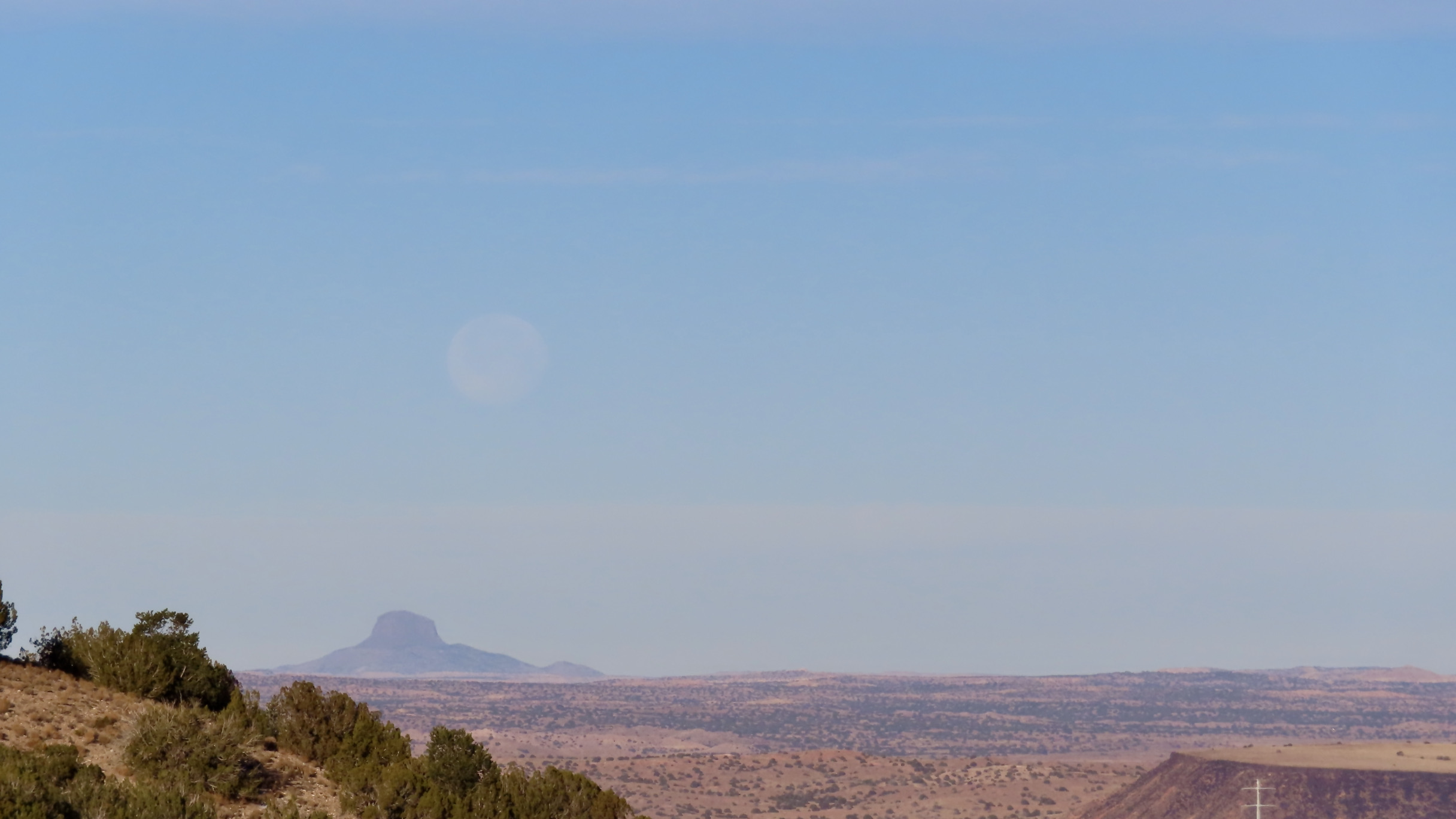
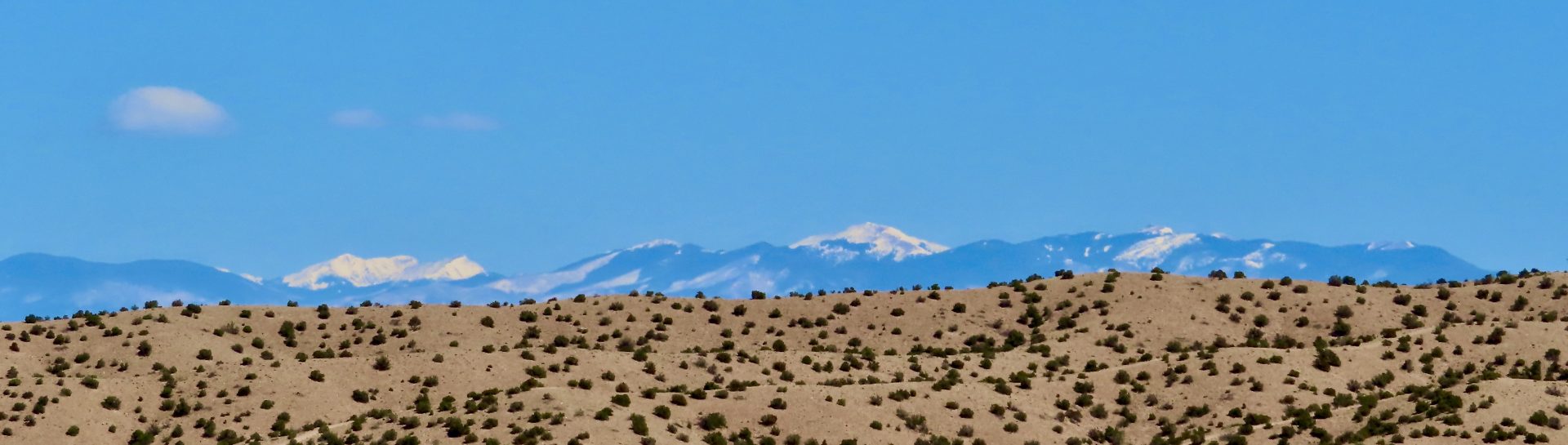
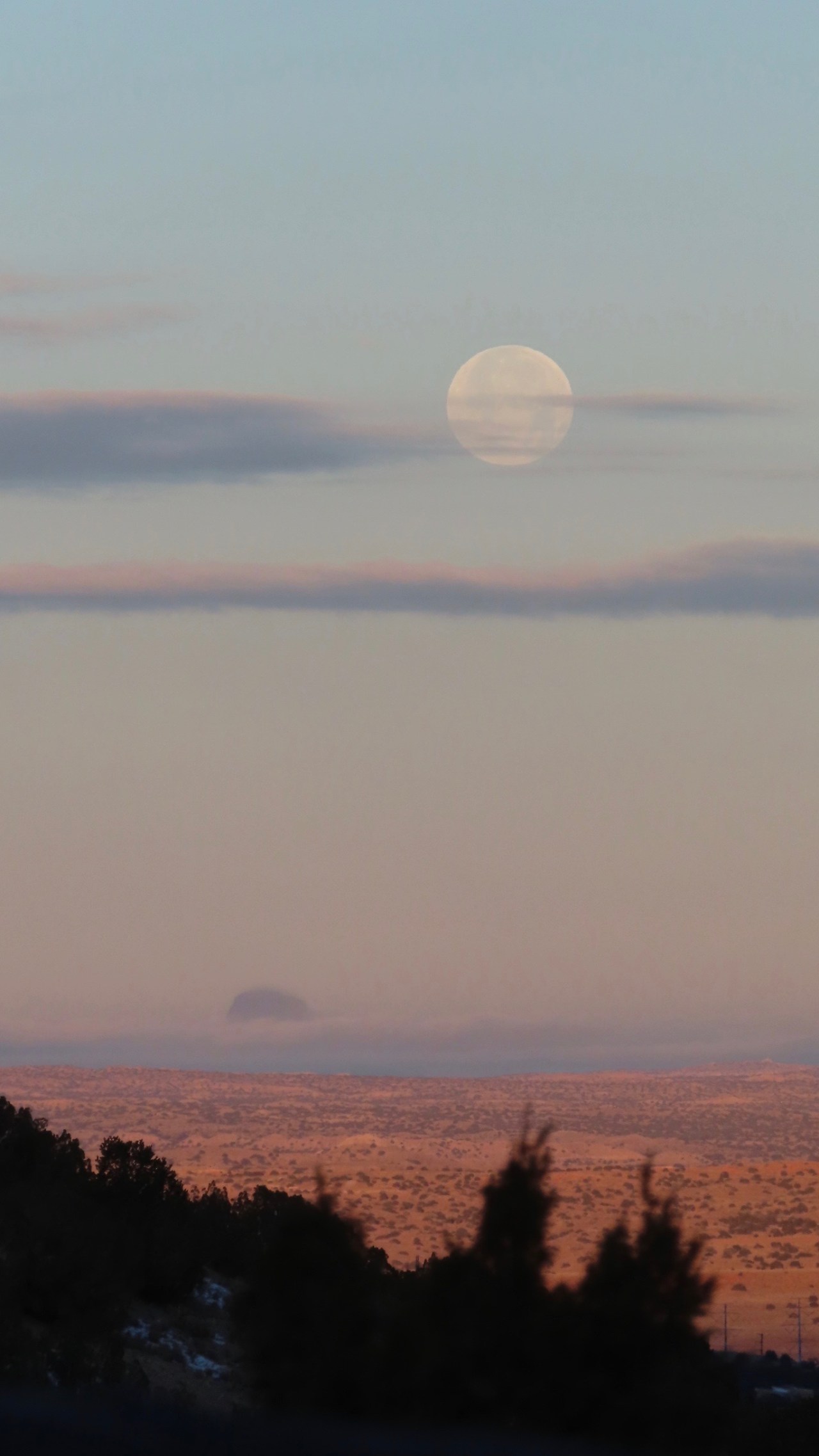
Rising and setting, December 29-30, from dream ranch.
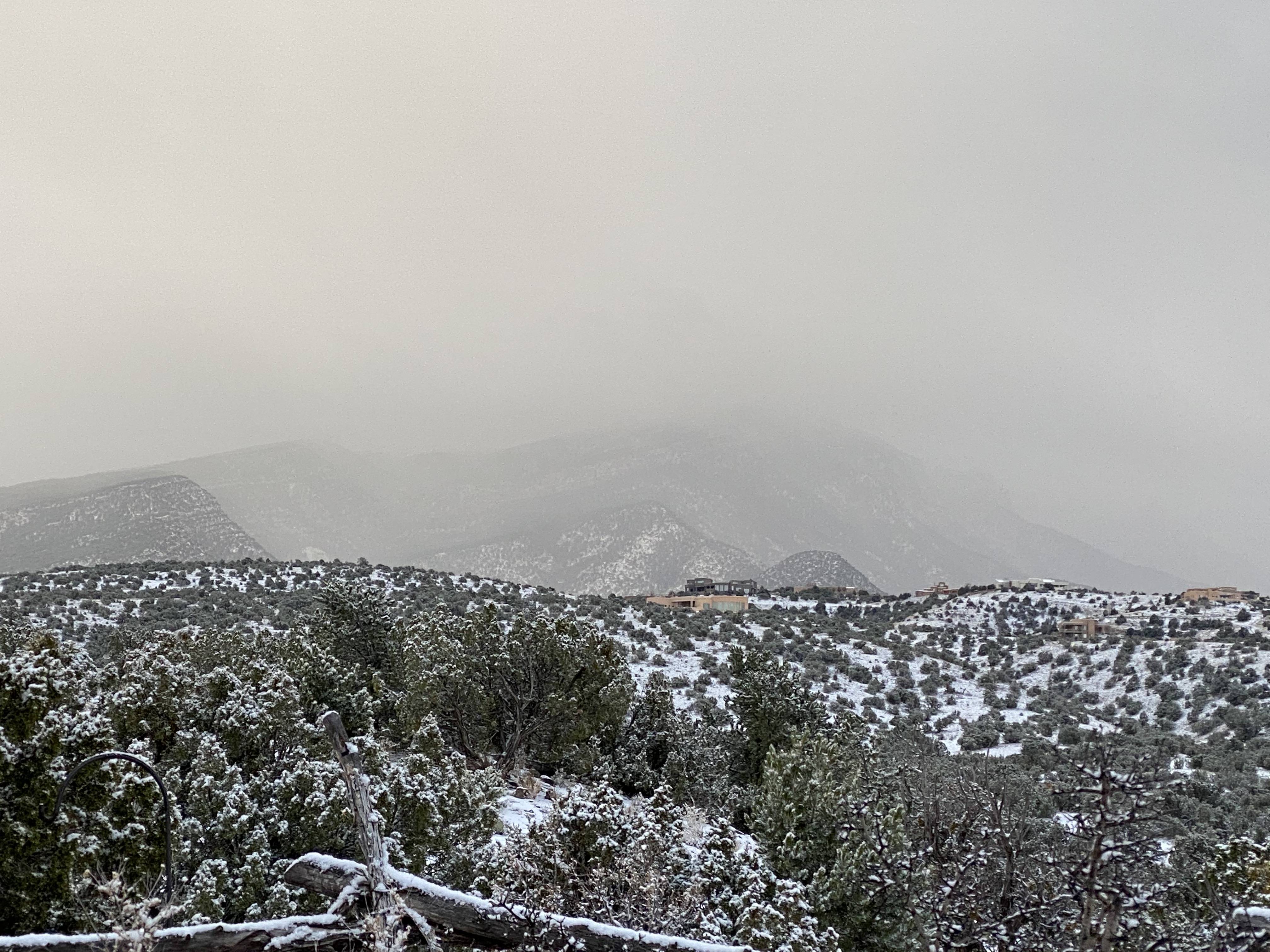
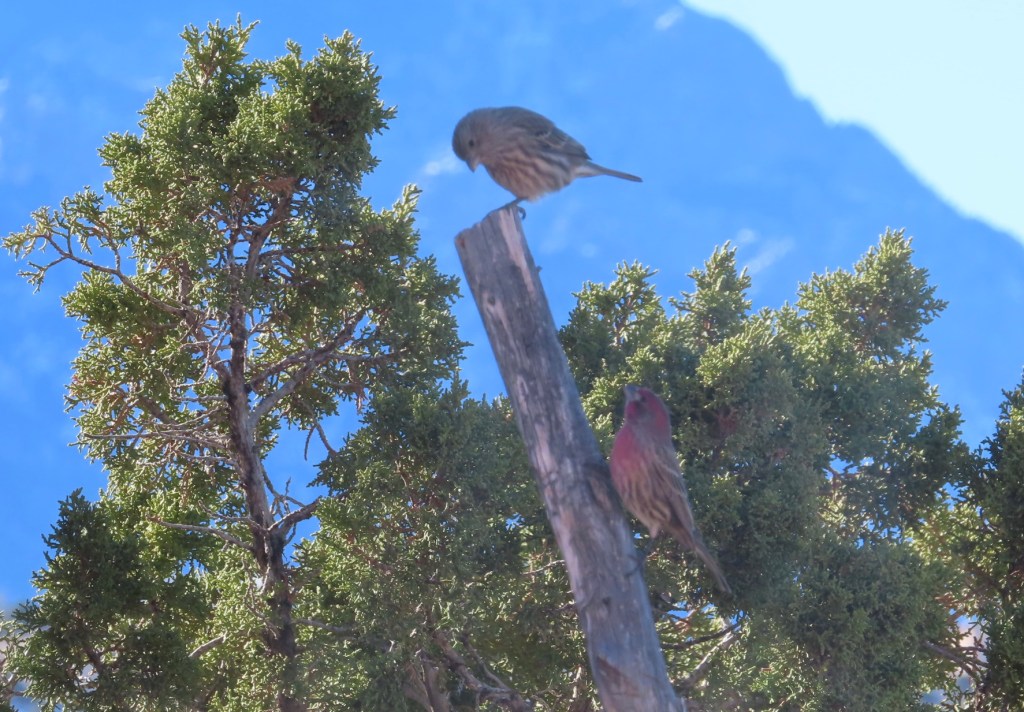
We were taking in the views Tuesday morning, glad for moisture in the midst of drought. The first bird I saw was a Townsend solitaire perched on a fence post. Cabezon was clear to the west. Maybe unwisely, I decided to check my email. The first message was a little more odd than the regular missing goat reports. A neighbor relayed there was “a semi with a pool on it stuck on Camino de Las Huertas.” I can’t recall ever seeing a semi on this narrow, winding road, still mostly dirt when I moved to this part of Placitas. Fortunately, I wasn’t planning on going anywhere. l do not know whether the pool was coming or going.




Subscribe to get access to the rest of this post and other subscriber-only content.
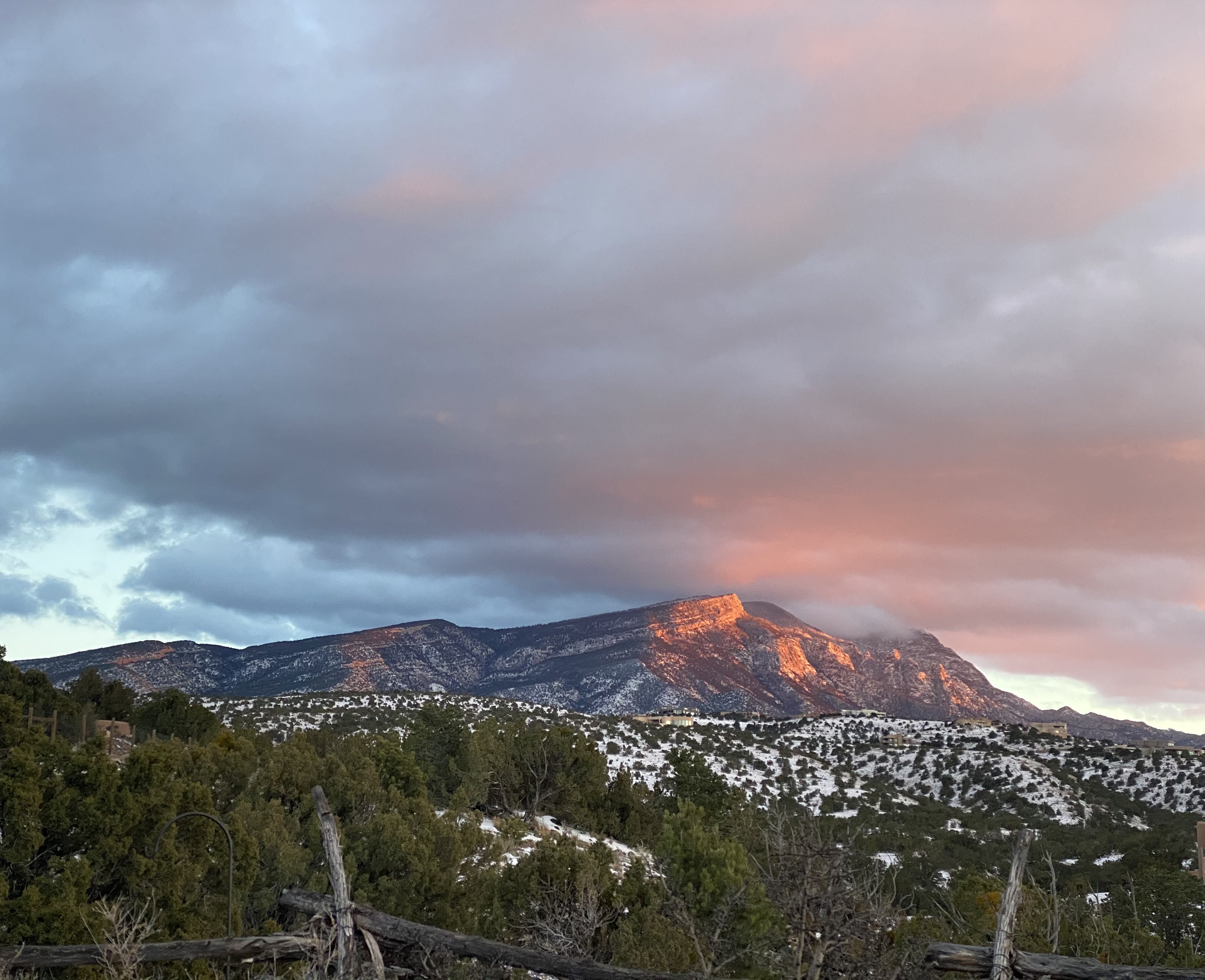
I’m finding it tough near the end of 2020 to say happy holidays with nearly 327,000 Americans dead from coronavirus, nearly 2 million dead worldwide, people separated from their families, nurses and doctors overwhelmed and exhausted in their hospitals, photos of cars lined up for food giveaways in L.A. and other American cities and U.S. government in embarrassing near-shambles. I’m also finding it tough to think about anything other than these historic days in our lives. But for reasons mysterious even to me, I have rewritten a two-year-old post about alcohol abuse or alcoholism. Maybe just because of the time of year. For what it’s worth, I am reposting the latest rewrite here. It’s called “May all my Christmases be alcohol-free.”
http://dreamranch.blog/2018/12/12/may-all-my-christmases-be-alcohol-free-2/
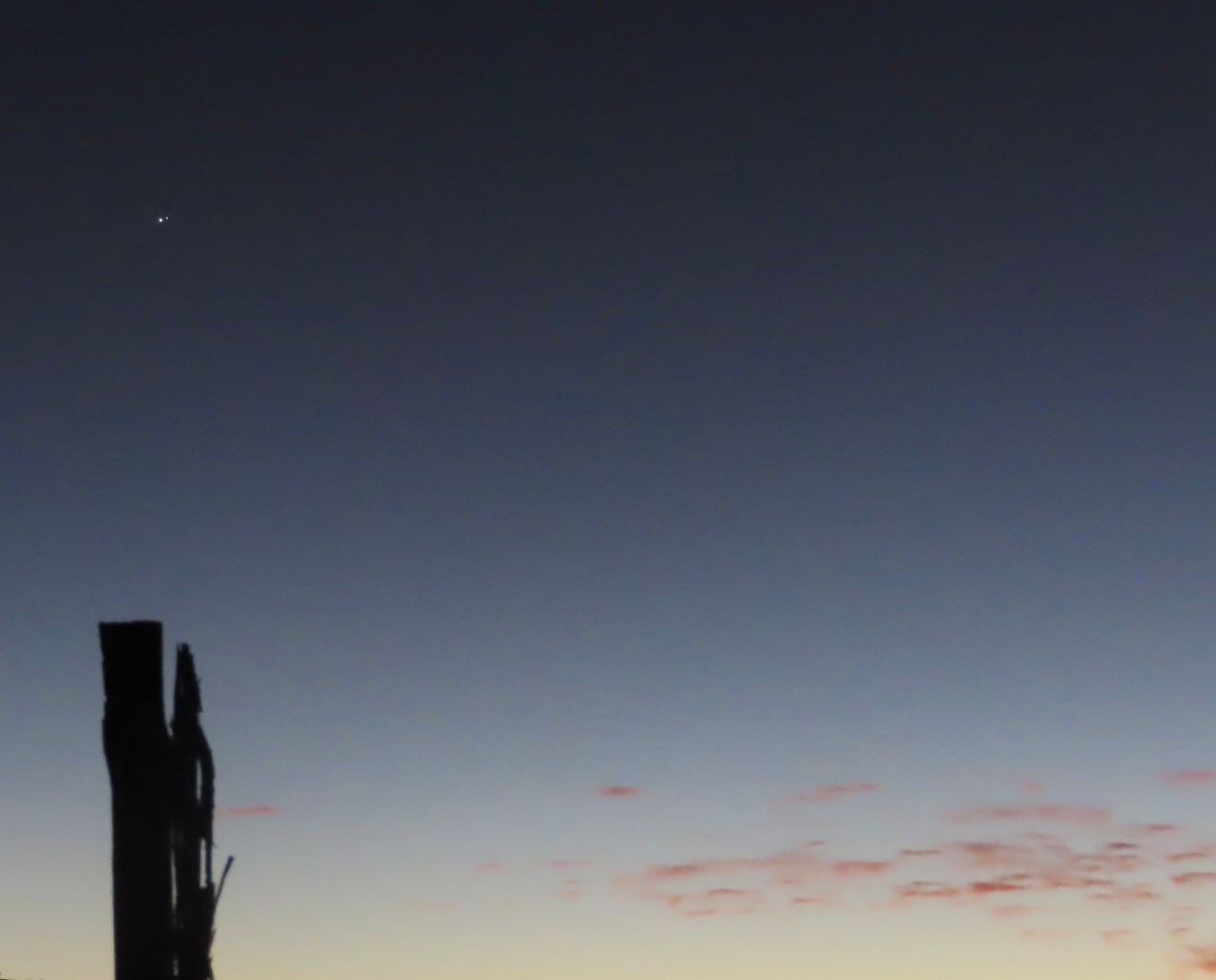
Winter solstice, Monday, Dec. 21, 2020.


I woke up knowing it was a special day. First I thought winter solstice but, no, three days too early. Then I looked up at the first light on the cold mountain and remembered your birthday. I think this had something to do with memories of frigid campsites first thing in the morning. Think Beatty’s Cabin, close by the river, in days when you could still camp there.
Marine Corps boot camp prepared you for discomfort while civilian I developed a much-mocked obsession with packing extra gear. Though I note even you lived to be glad for my habit of having longjohns to spare. Remember the Glen Lake capsize and dousings on the Salmon, surprise snow on the upper Ute creeks.
You moved on 25 years ago after appearing to me with Saint Peter in a sleep-deprived vision in your mother’s house, lying in your parent’s bed. By the way, when I pried as usual the next morning on the Denison campus, our first home, walking up the bricked road from Broadway, quiet brother Pat confirmed he had the same experience. I know you would object to my allusion to organized religion but rest assured we left your ashes, with a bare minimum of ceremony, near your favorite place in the Pecos. Pat, whose instructions we followed closely, is with you.
You would be 92 today. You were born just before the Great Depression. I’m almost glad you aren’t around for the COVID misery now.
We were lucky to survive the lightning that day on Trailriders’ Wall, the ill-fated voyage of our newly acquired but decaying Star on a choppy San Francisco Bay. I’m glad we eventually were affluent enough that we no longer had to share down sleeping bags and foul weather gear, although I was always deeply proud to be part of the deal.
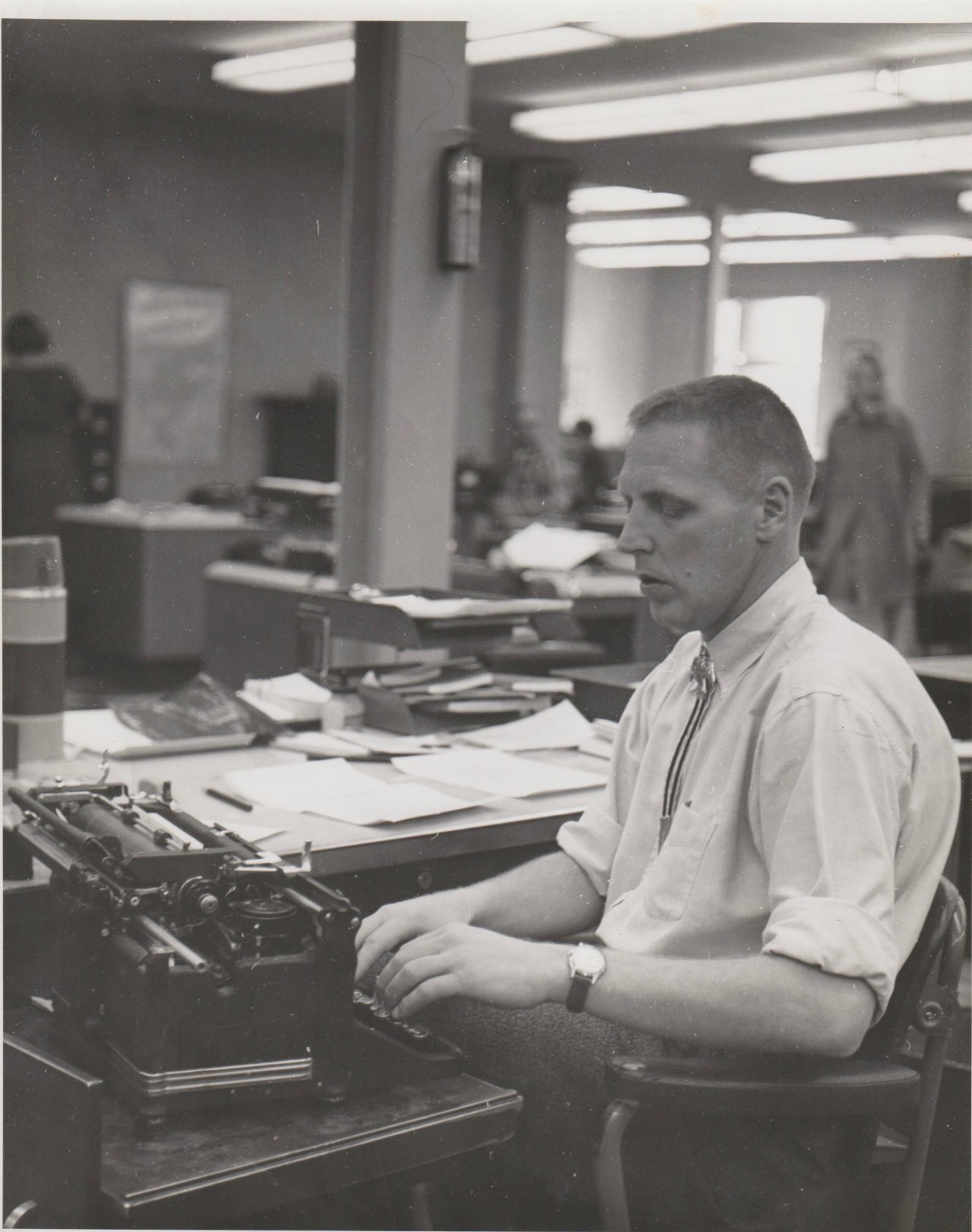
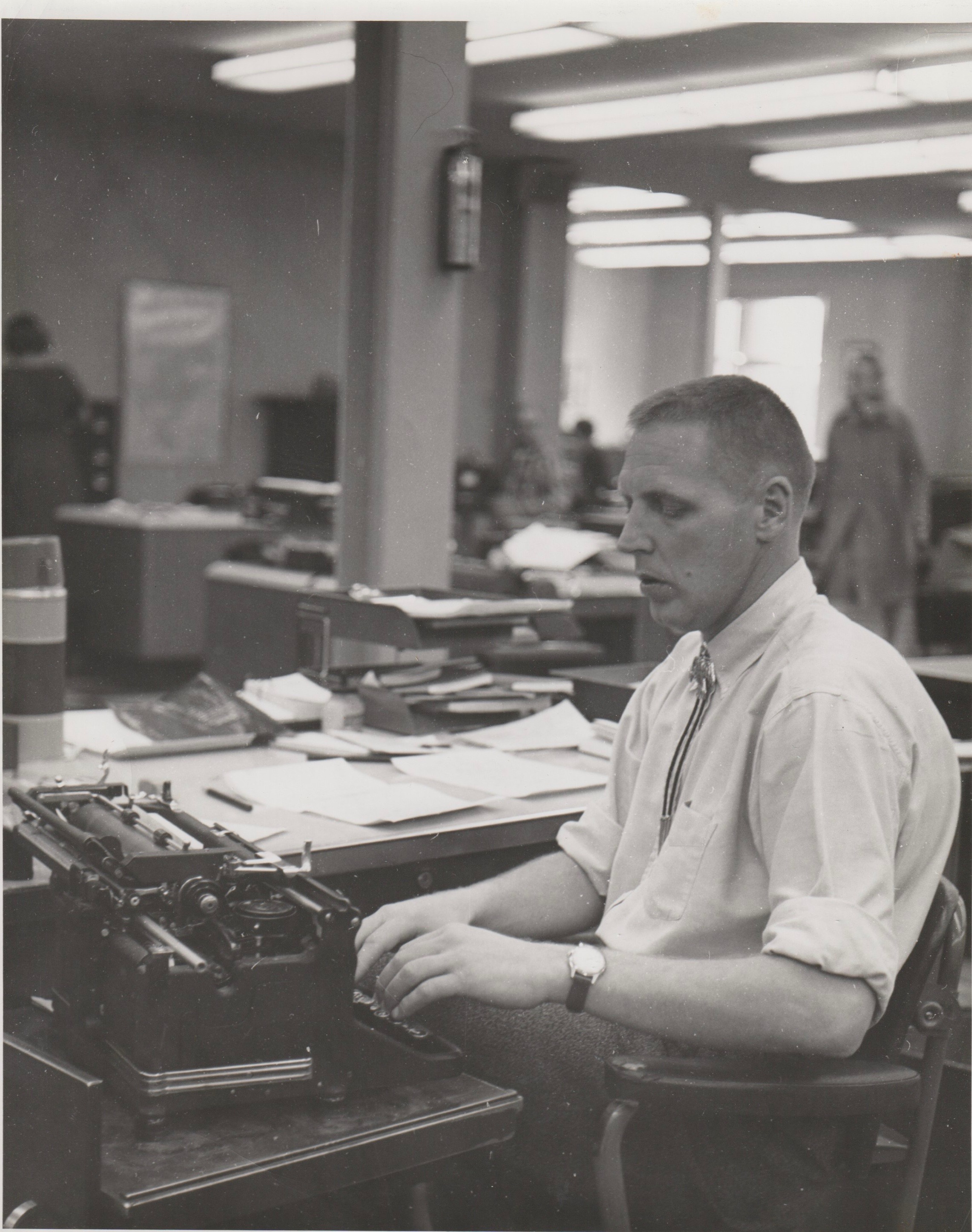
I will always remember the sound of your typing, the strength of your hands, from early novel writing and sheep-shearing crewcuts for three sons. I’m not sure what newsroom this photo was taken in but I think it’s the Santa Fe New Mexican or the Grand Junction Daily Sentinel, around 1960. Too uncrowded for the Columbus Citizen, New York Times or San Francisco Chronicle.
When I go, I might have my ashes strewn on the other side of the Rio Grande from yours — in the Jemez instead of the Pecos — but I would always have a view of the looming, opposite range.
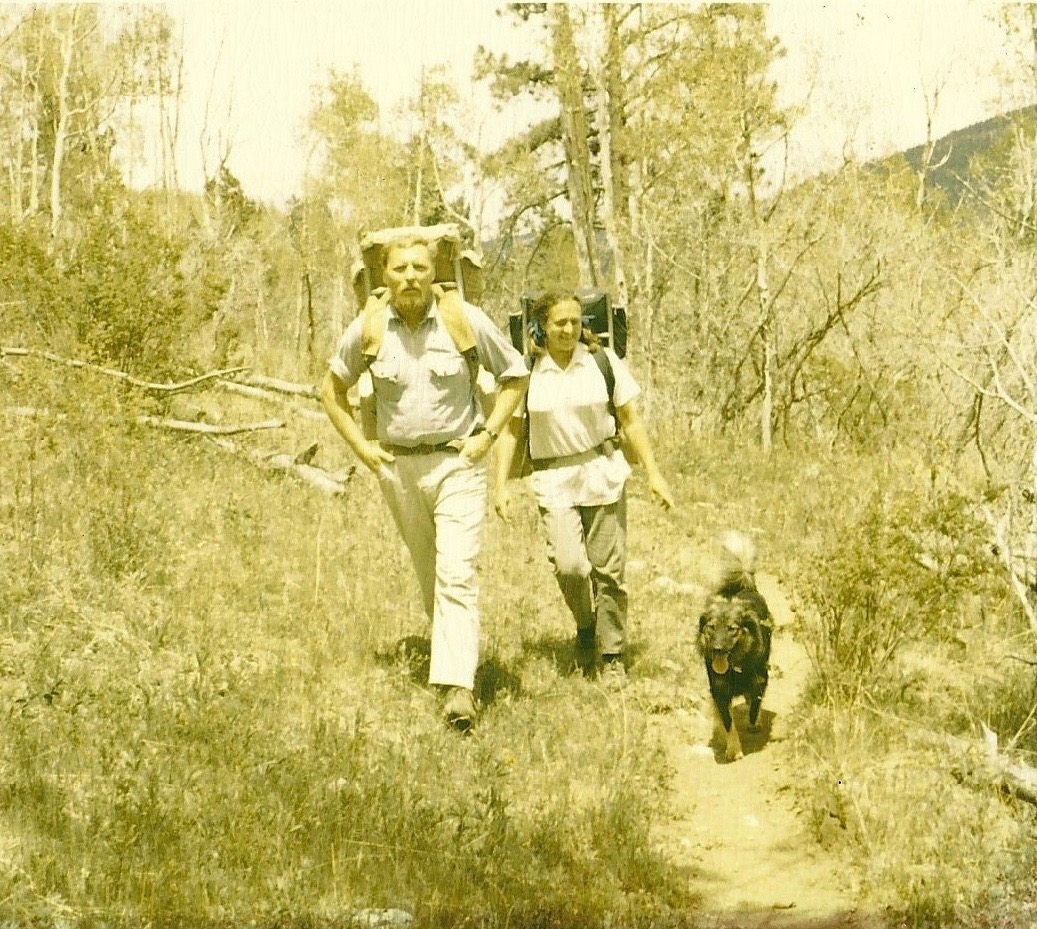
For now, happy birthday, dad, There with the Mora running close by. You and wife Pat, rejoined, I’m sure, by Mus. Here on the way down the Rito Valdez. Bob Robertson, 12-18-28 to 11-12-95.

The last three books I read, by three of my favorite writers, were all pretty thin. They were rewarding in my hands and my head. I didn’t get bored before the end.
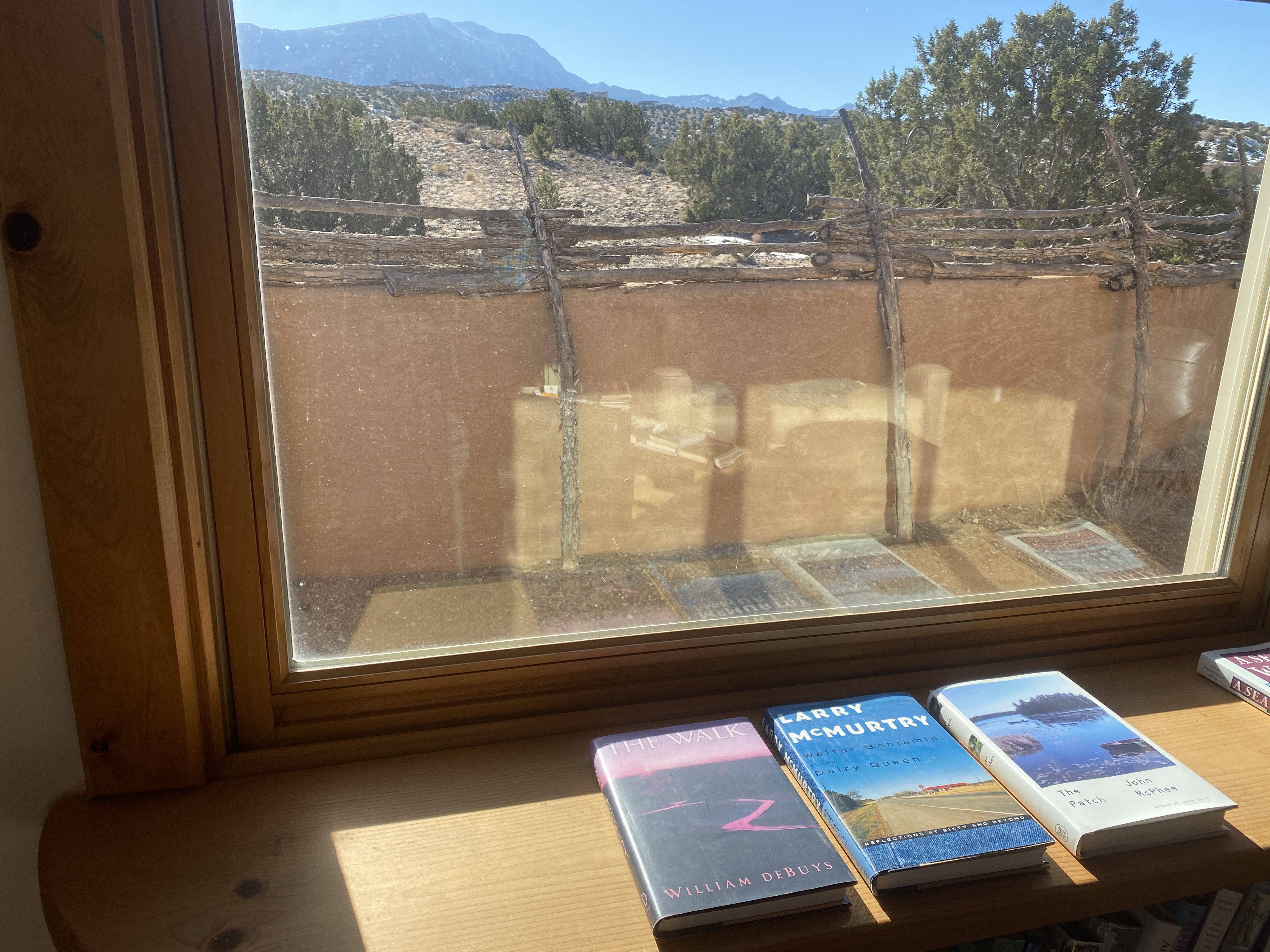
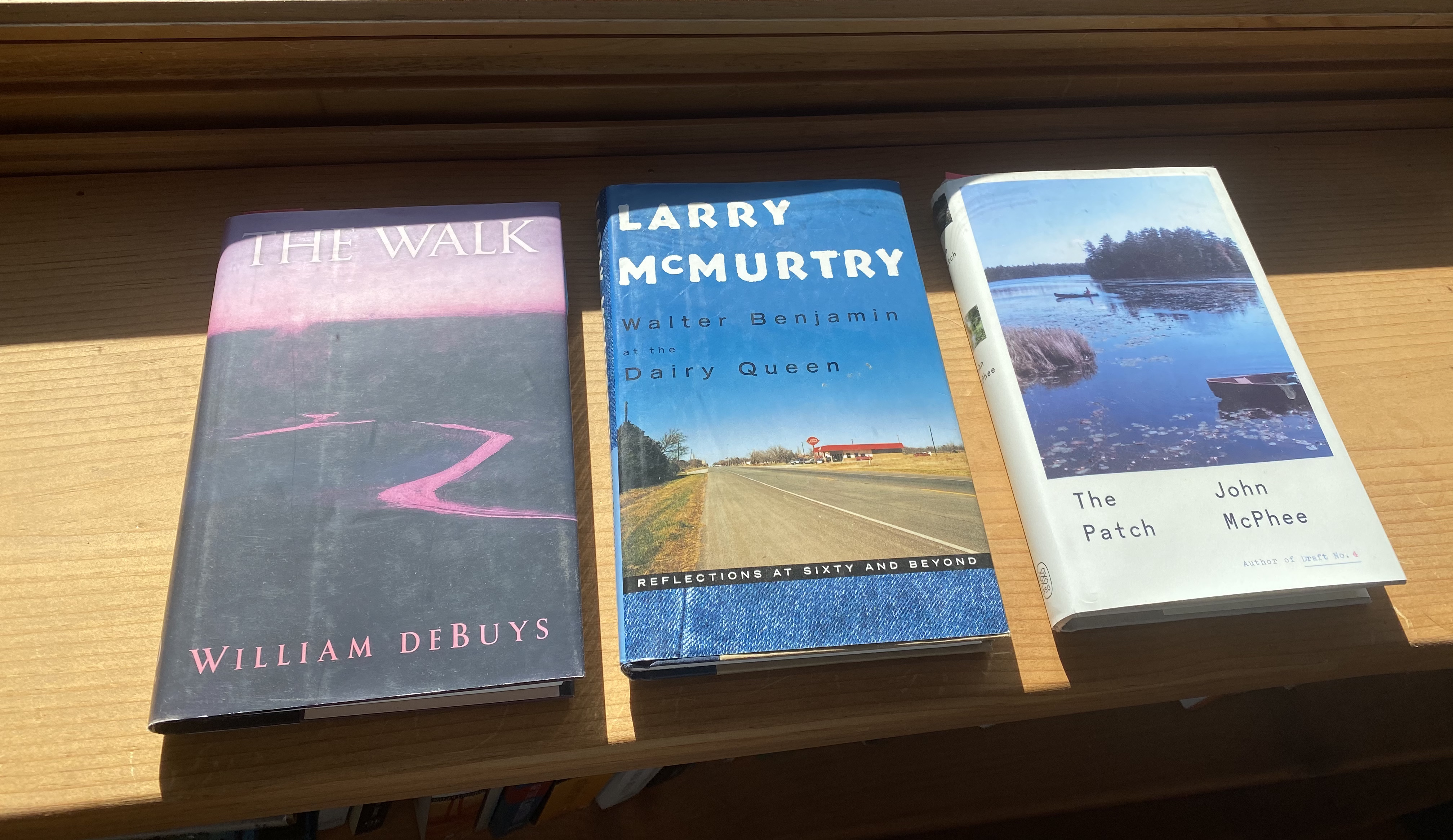
Nothing else. Just Saturday morning.

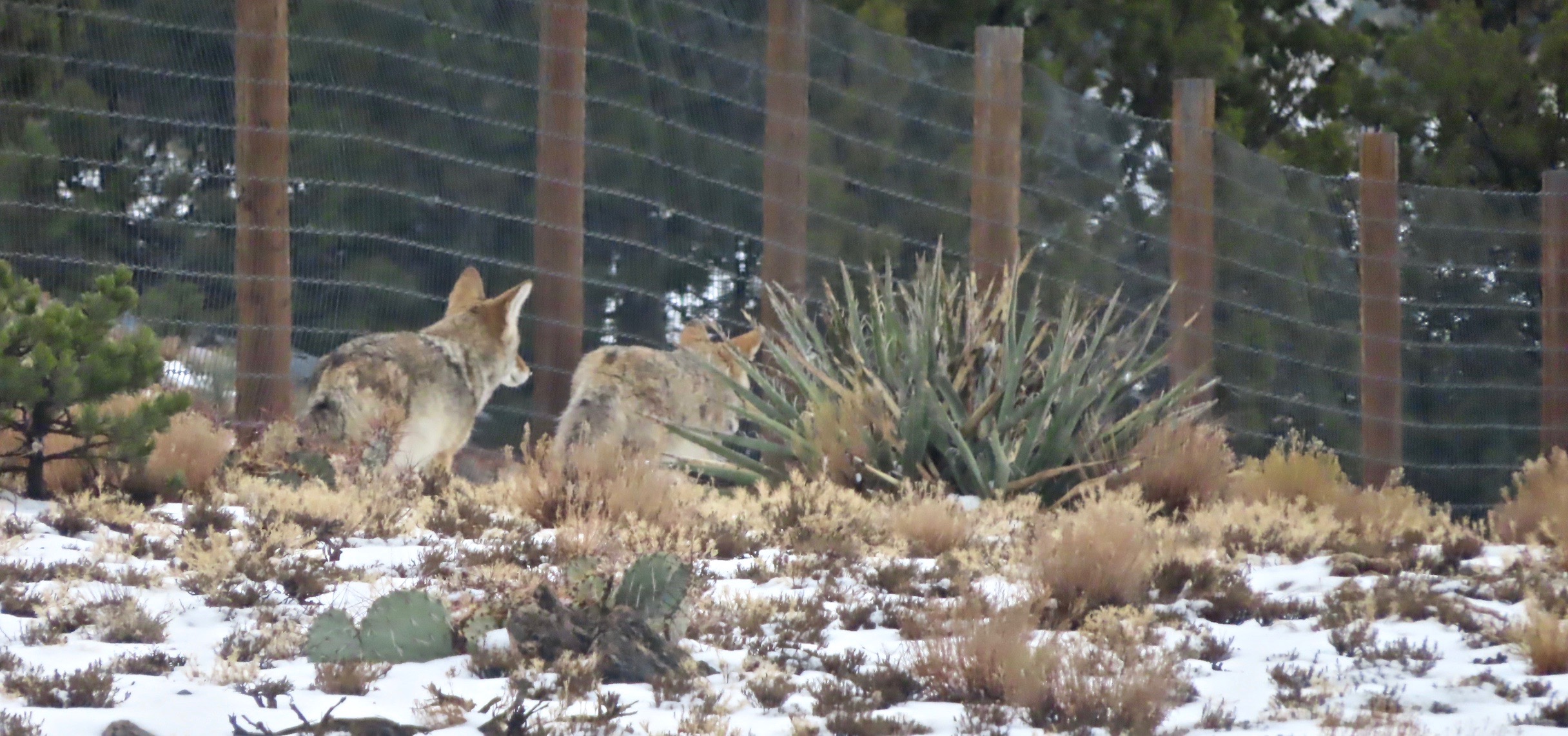
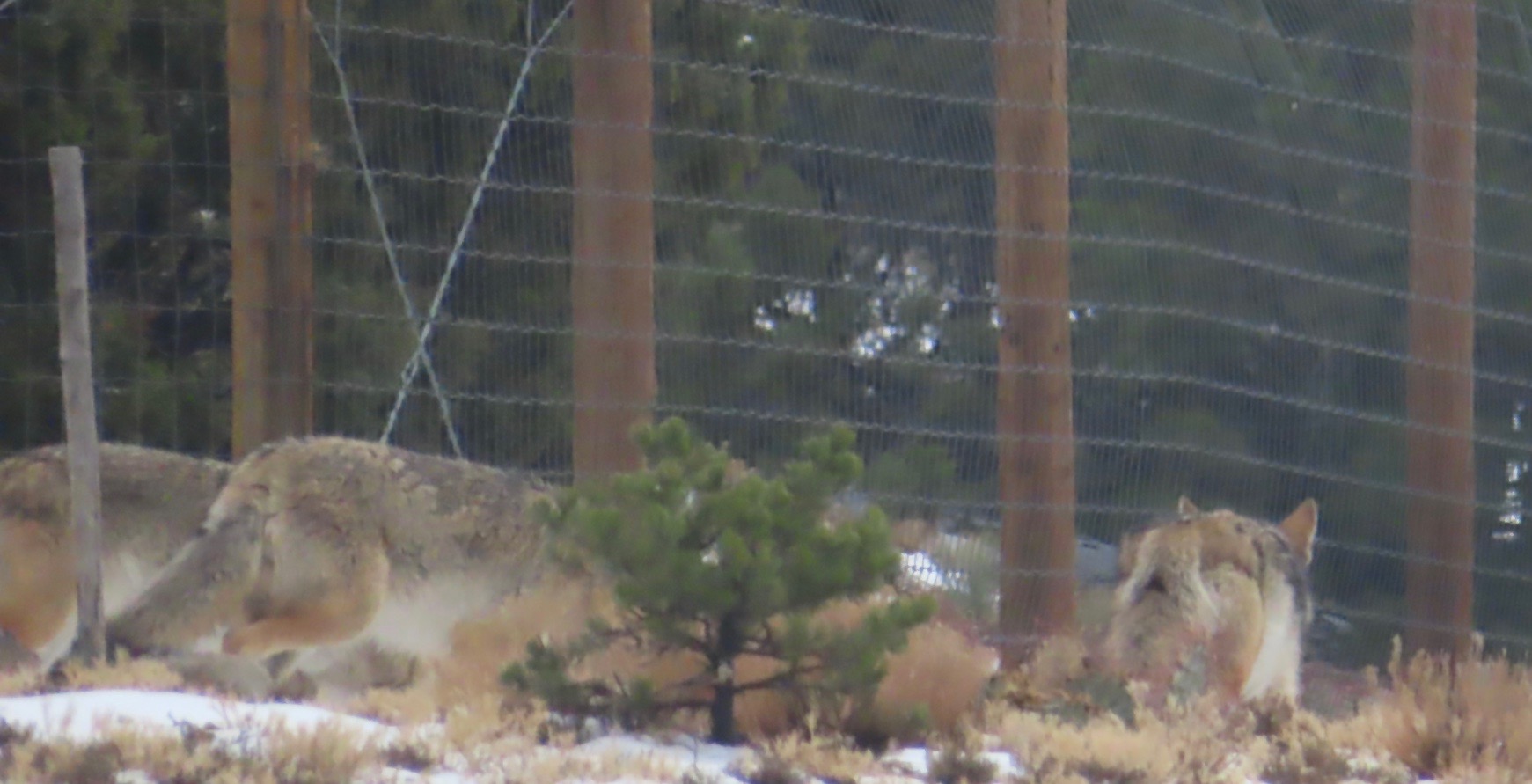
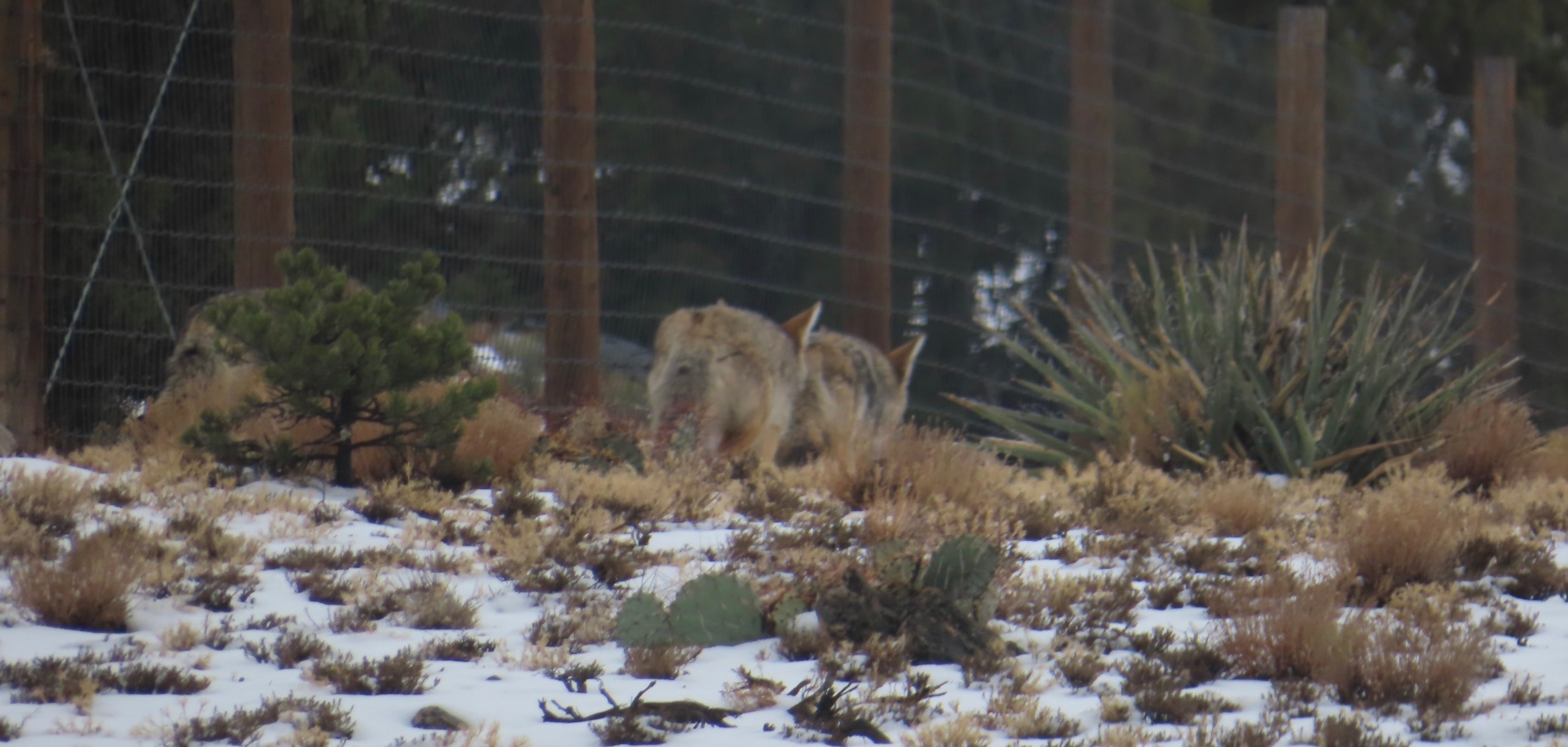
The jackrabbit was moving fast, at least three minutes ahead. These guys followed, noses down over the tracks.
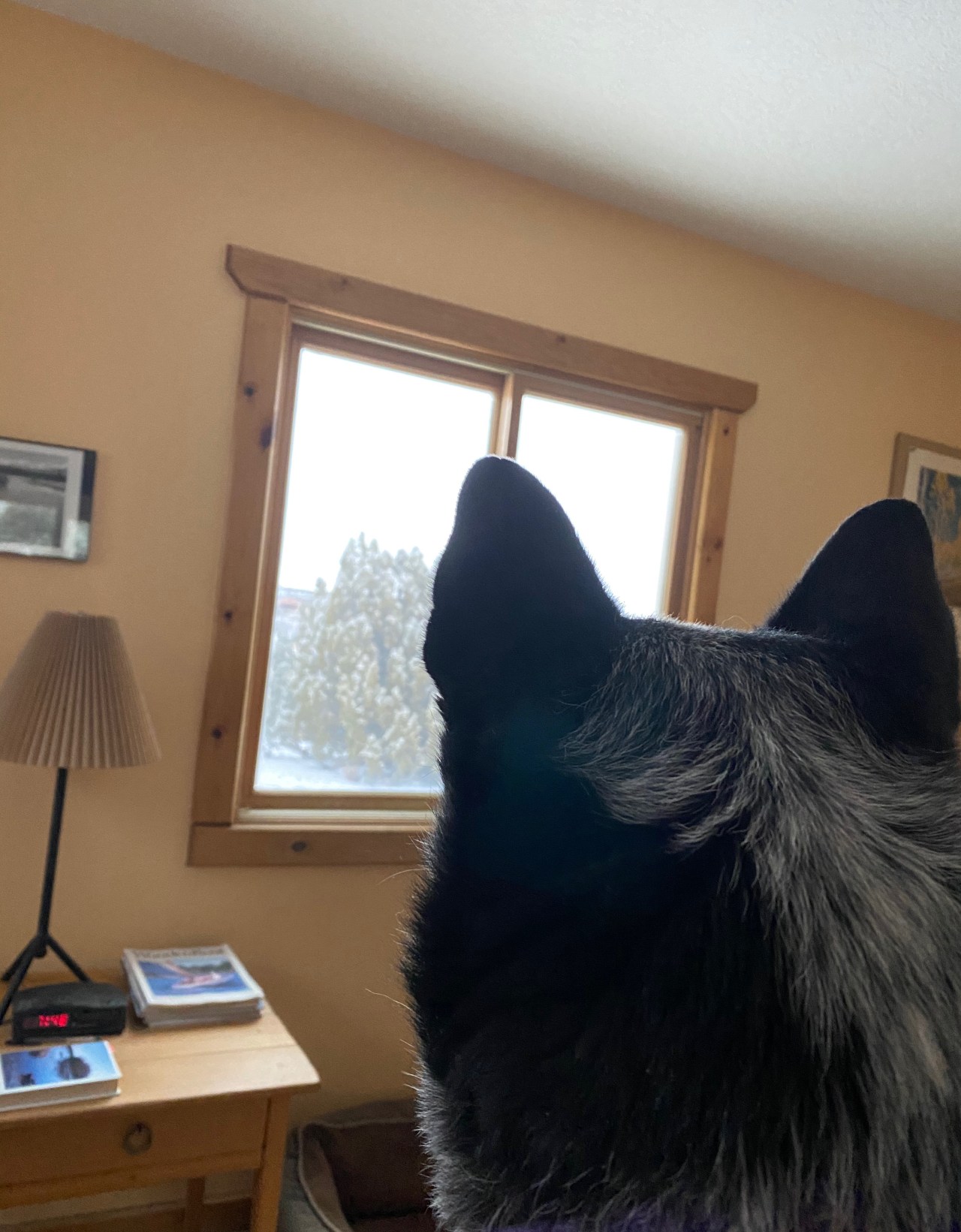
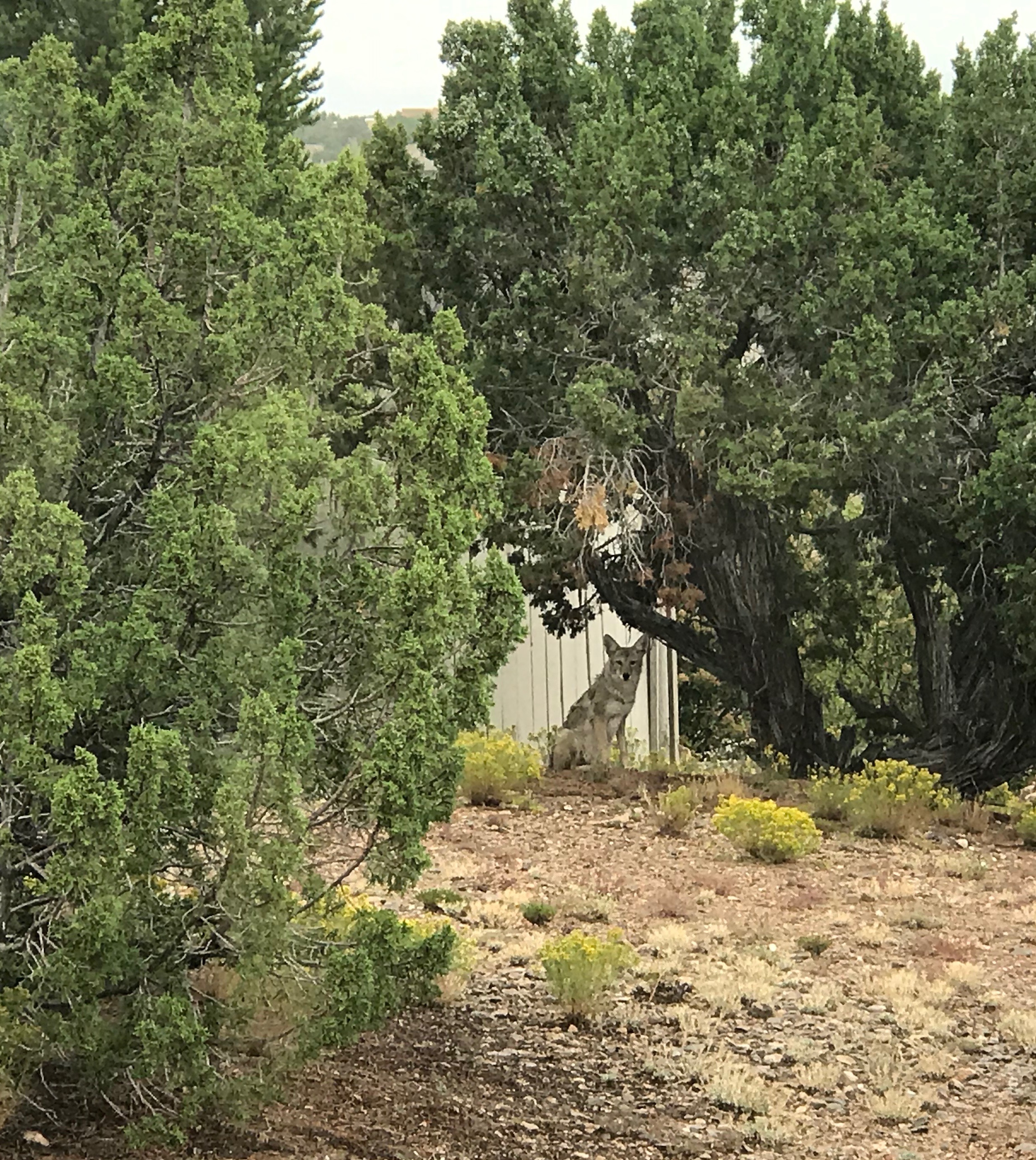
But sometimes you just throw in the towel. On a rainy day, this guy sat under a juniper and watched me, warm and dry, watching him through the bedroom window.
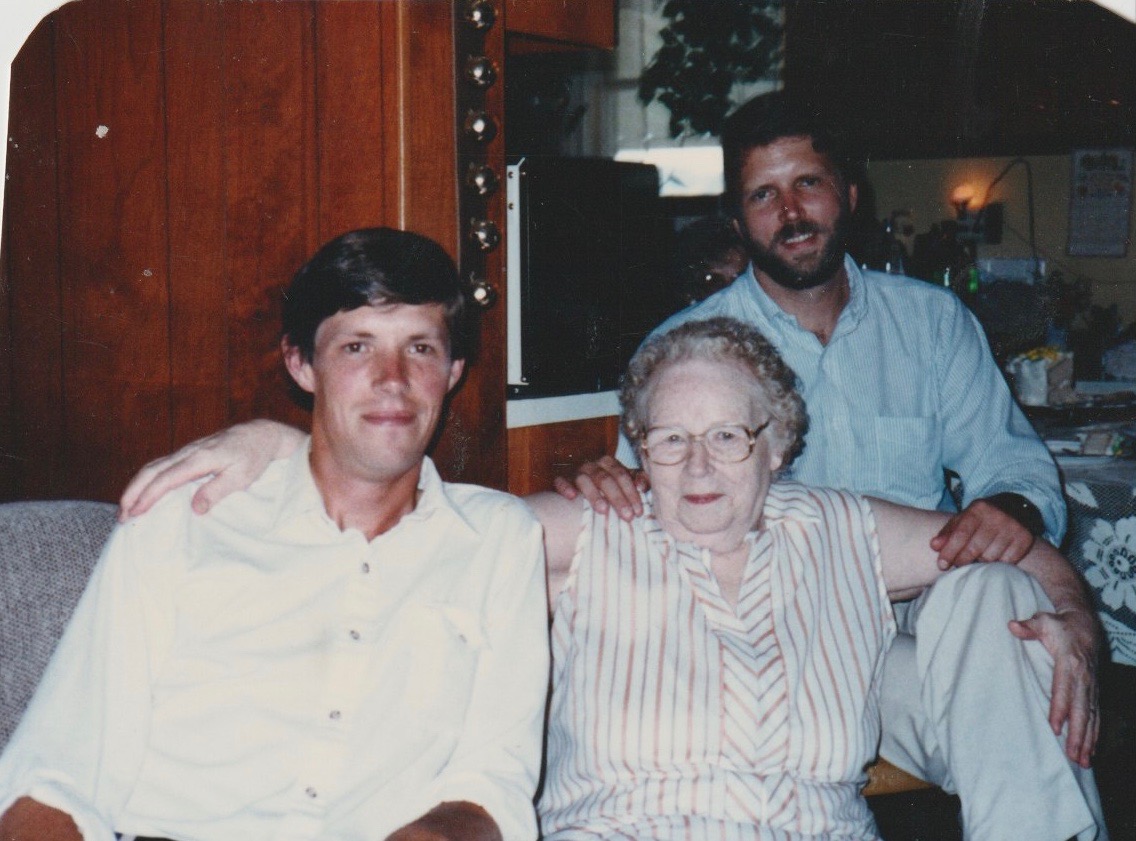
I remembered this photograph of my grandmother, Ethel Robertson, while thinking of COVID-era hard times.
She was born in 1905 and died in 1997, meaning she lived through, among other things, World War I, the flu pandemic of 1918, the Great Depression and World War II.
She had her first child, Marcella Jean, in 1923 and Marcella was soon diagnosed with cerebral palsy. Next was my father, Bobbie Lee, who was healthy as could be. Next came Barbara Carol, who was autistic and non-verbal and had a lifelong tendency to pinch people, maybe when she was hurting and couldn’t otherwise explain. My grandparents cared for their two daughters, who remained at home, for more than six decades.
There were more ups and downs as the century wore on.
In the 1940s my grandmother and grandfather, Homer, Bob or Robbie — Pa to us — bought a two-story house with a root cellar and enough room around it for apples trees, a strawberry garden, raspberry bushes and early on a few chickens. My grandfather liked pie and often got a slice in his lunch bucket.
My grandfather was about to board a troop ship headed for Europe as World War I ended. Back home, he had steady employment at an oil refinery for 40 years. Company housing was a boon during the Depression. My father graduated from high school in 1946 — the first in the family, I think — and quickly enlisted in the Marine Corps, but thankfully for the rest of us, World II was just over. I think he went Denison University in part on a football scholarship engineered by a pre-Ohio State Woody Hayes, the Denison coach from 1946-48, who came to the house to talk it over in one of the family’s best-remembered days ever. Certainly not the least of the good fortunes, President Franklin Delano Roosevelt gave them Social Security. His portrait hung on my grandparents’ bedroom wall.
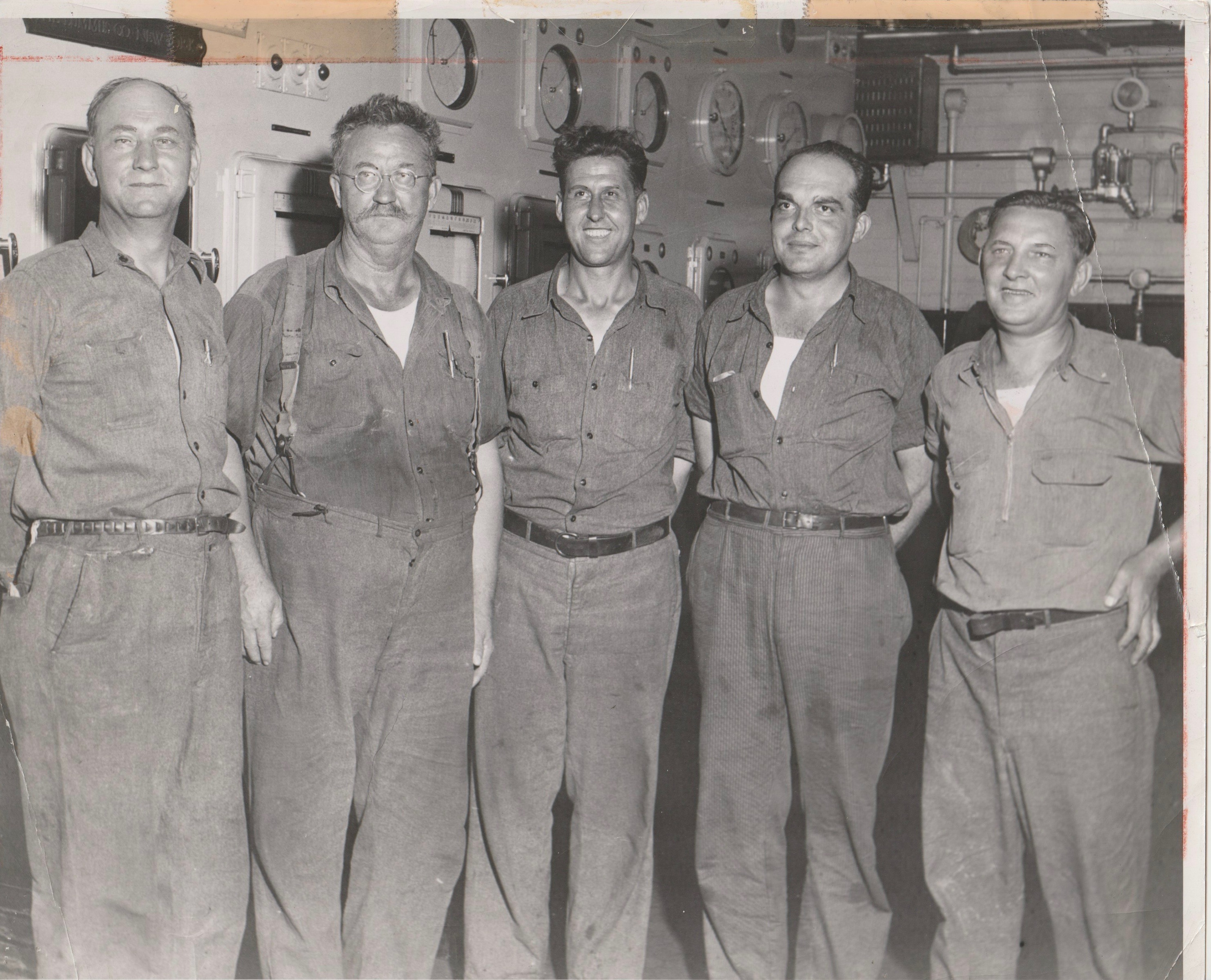
I once found a few World War II food ration stamps lost in the back of kitchen drawer, the same drawer where after the war they saved S&H Green Stamps, which we grandsons would spend hours pasting into books for new kitchen appliances.
One bathroom in the new house, upstairs to boot, meant that until a groundfloor bedroom and bathroom were built, Marcella had to be supported up the creaking route to the second floor. She couldn’t walk but turned newspaper pages, laid on the floor, with her toes. The new downstairs bathroom also meant my grandfather arriving home from work could stop there, instead of the basement landing, before coming through the house. He worked on a cracker and the clothes he removed as soon as he got home smelled of crude oil.
I vowed as boy to buy them an escalator as soon as I grew up, but I never came through. They moved to a one-level house in their last years. It bordered a farm and Marcella could sit in her kitchen swivel chair, where she kept my grandmother company most of the day, and watch the horses next door.
My grandmother had red hair and freckles and seemed always in motion. She didn’t stop until everyone else was in bed. In late night quiet, she could have a cup of coffee and a cigarette and read Reader’s Digest, Redbook or TV Guide.
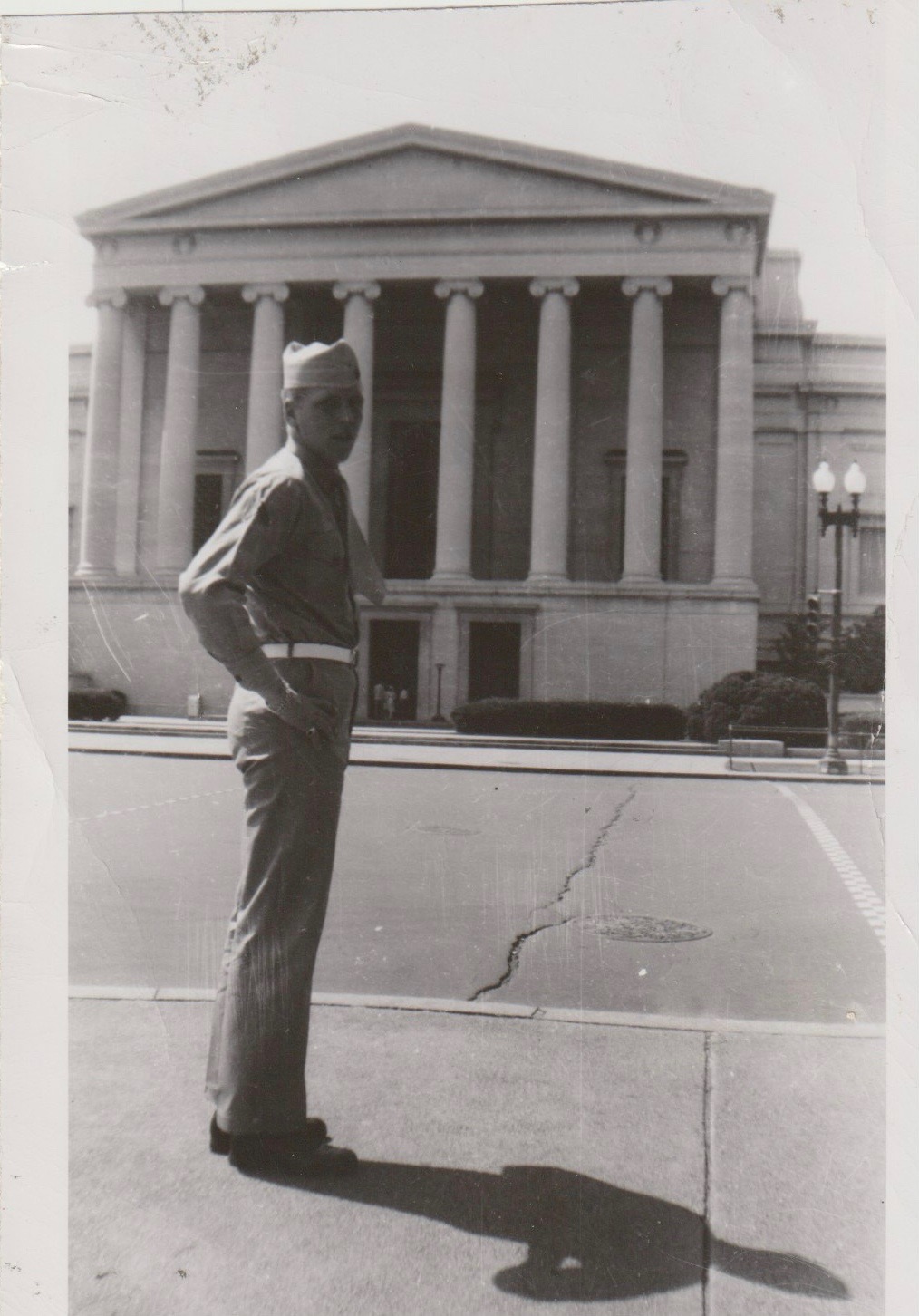
They didn’t get out much because of “the girls.” I think my grandmother left Ohio only twice: once to the Mayo Clinic with Marcella and once to meet my father in Washington, D.C., when he had a brief leave after boot camp at Camp Lejune. I think my grandmother, who fed us all galore, made my father stand sideways in the Washington, D.C., photo to show how lean he’d gotten in the Marines. He had been a beefy tackle in high school.
My grandfather was quiet. He loved going to his oil refinery’s Old Timers’ Day Picnic — and one of my best days ever was the time he took me — but he also would take the mostly shut-in family on Sunday drives and Barbara on trips to the grocery store, both in what always seemed to be a black Dodge or Plymouth. Barbara liked to wander the aisles and point at things, exclaiming about them in yelps and coos and one- syllable chatter that only her family could understand. I think we all had a chip on our shoulder about anyone who gave her funny looks.
My grandfather had a sinking left hip. I’m not sure he ever had the problem professionally diagnosed. As he grew more lopsided, more layers were added to the heel of his left shoe, not quite leveling him out. He had been a heck of company team pitcher. He liked baseball and crossword puzzles. When his time came at age 92, he put down his puzzle in the living room, limped to his bedroom and closed the door, turned on a ball game on the radio, laid back on the bed and died.
My grandmother outlived them all, except Barbara, finally wearing out at age 91. I still have misgivings about pushing her and Barbara into assisted living. The move made me feel better about her not going down the stairs to the shelves of canned goods and the washing machine in the basement. I worried less about her going on uneven ground into the backyard in the middle of the night to feed the birds. But the move did not suit her.
The unwelcome assisted living lasted less than year. Assistance from anyone but a tireless angel of a friend, Bonnie Householder, was turned down. My grandmother refused to eat in the group dining room and hated the tiny slot of a kitchen in the two-bedroom apartment.
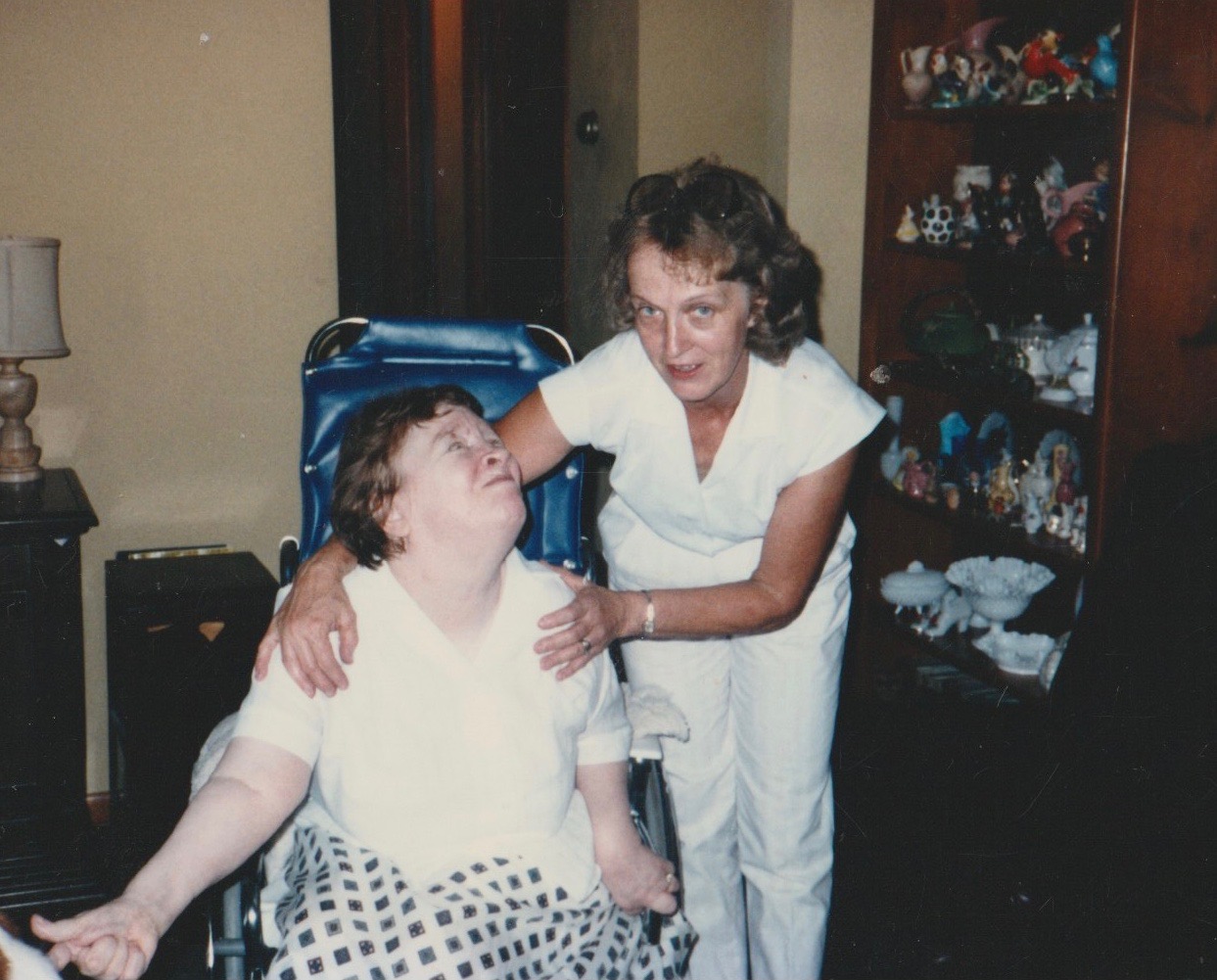
“I kept house for 75 years,” she protested to me.
That’s my brother Pat on the left in the photograph above, me on the right.
I think the photo was taken after my father’s death in 1995. He left a home on Canyon Road in Santa Fe to move back to central Ohio, where he had grown up and escaped from, to look after his parents and sisters. He and my stepmother had bought and fixed up the old lower Canyon Road compound after he retired as a Peace Corps administrator. Then, in Ohio, he died before his mother and one remaining sister.
I’ve been wondering why the old photograph of my grandmother with Pat and me suddenly came into my head. I guess I am impressed by her smile.
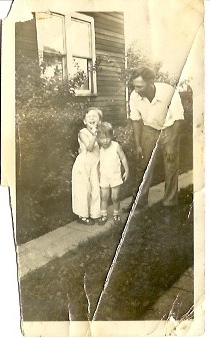
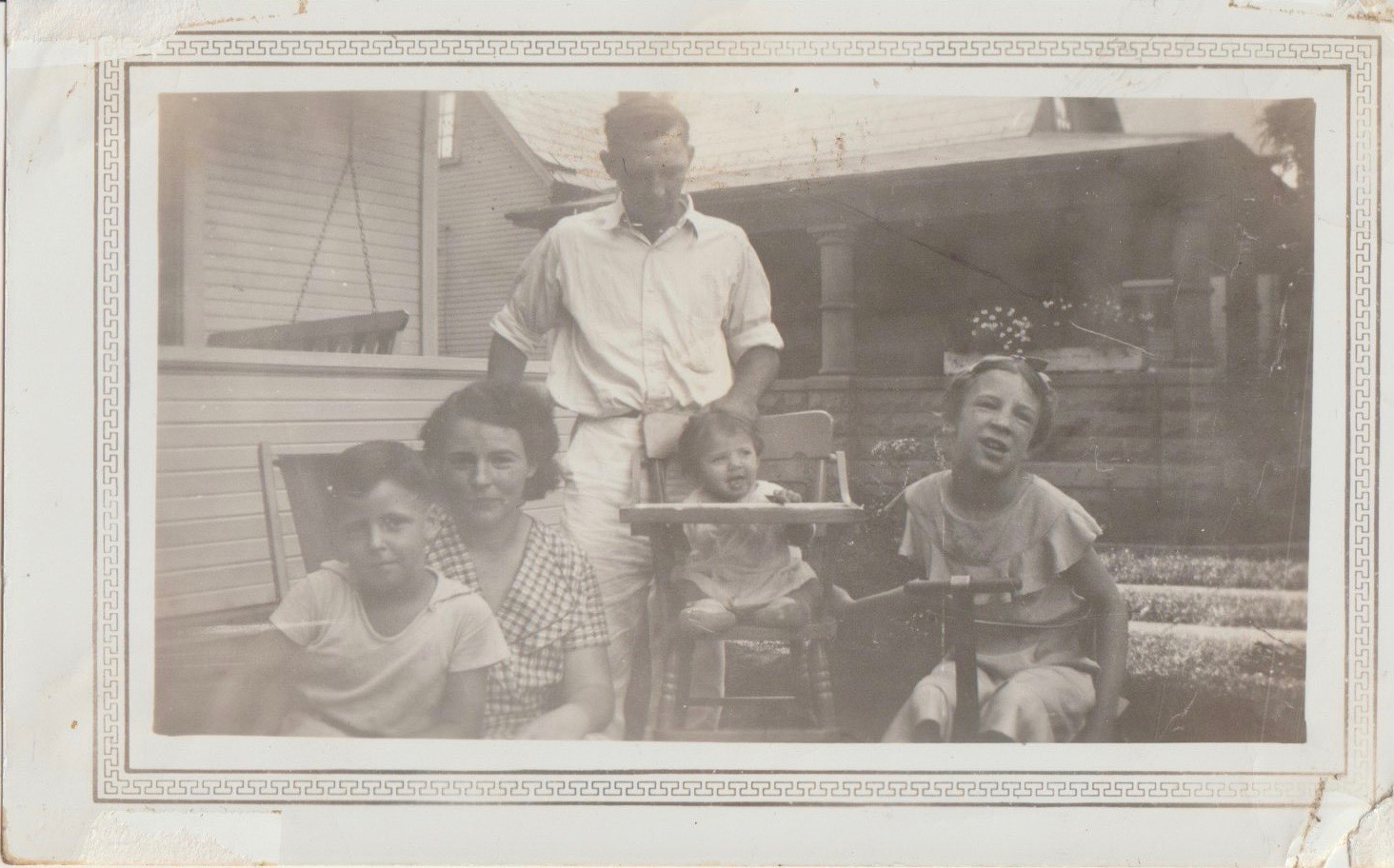
Here is another photo, — grandfather, grandmother, father and two sisters — taken during the Depression. The back says, “All five of us.”
 dreamranch