





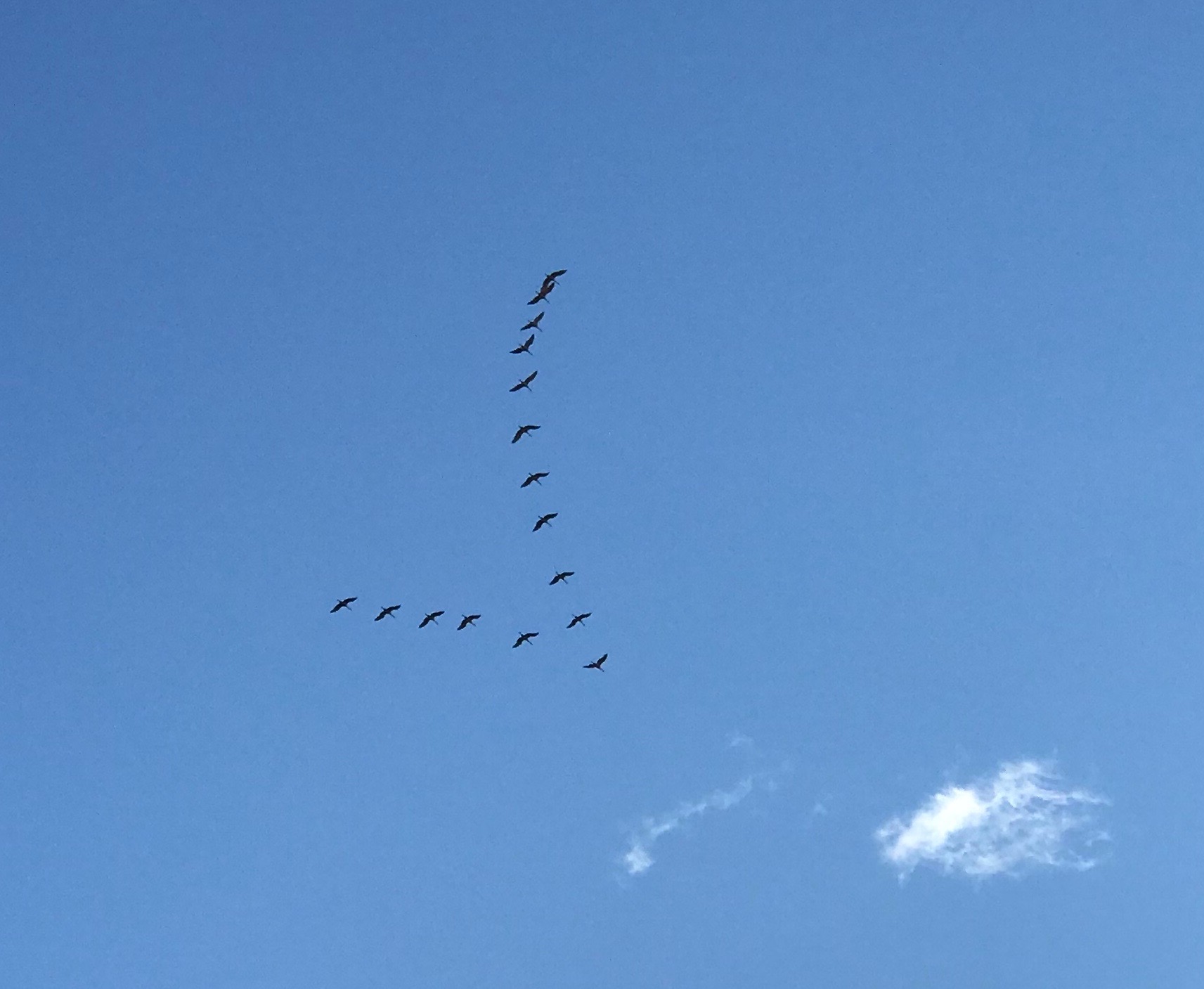



Maybe it’s because sandhill cranes are starting to return north from our Middle Rio Grande Valley that I keep thinking of this Assiniboine story about the creation of seasons.
I came across the story in an essay called Long Time Ago by the late James Welch. I liked his line, “It is remarkable how logical and natural these origin stories are.”

Welch’s father was a member of the Blackfeet tribe and his mother a member of the Gros Ventre. He was an early representative of what has been called the Native American literary renaissance. He studied under one of my favorite poets, Richard Hugo, at the University of Montana and died too young — age 62 — at Missoula in 2003. His best known work probably is the novel Fools Crow.
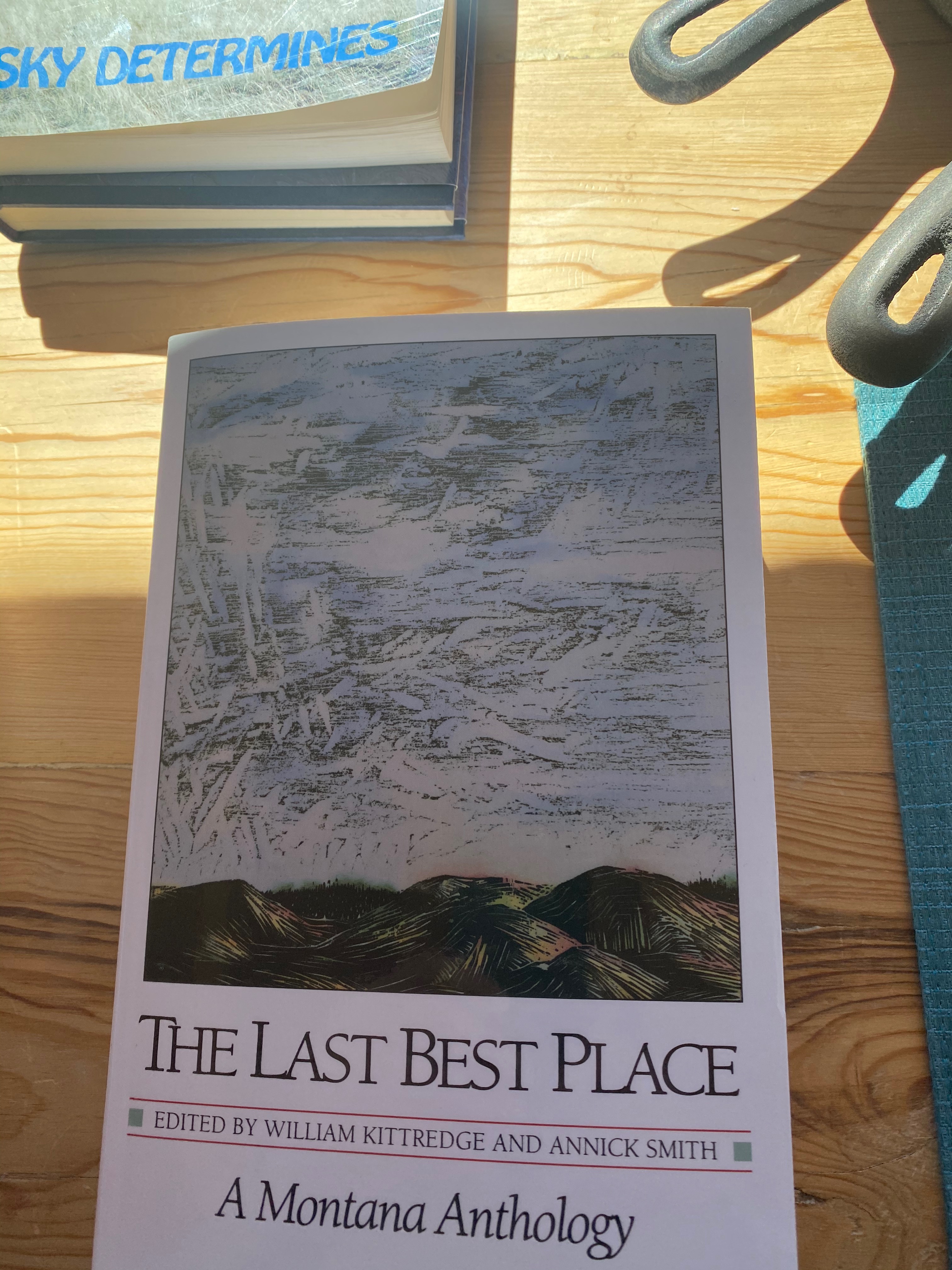
I found his “Long Time Ago” essay in the big Montana literary anthology The Last Best Place, edited by William Kittredge and Annick Smith, University of Washington Press, with great cover art by Tom Sailor and Kathleen Bogan.
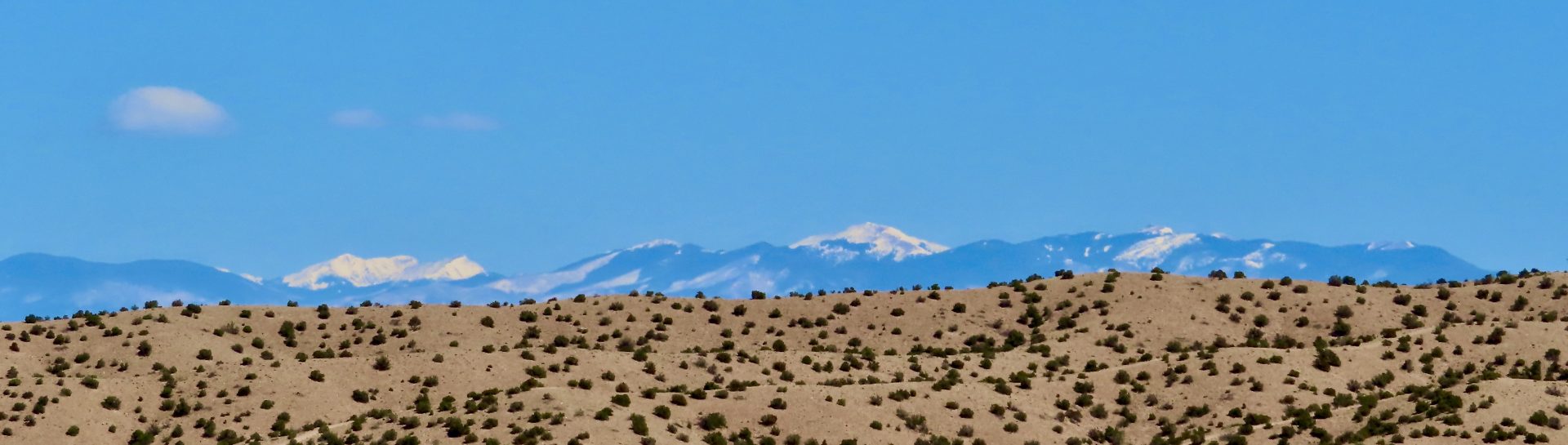
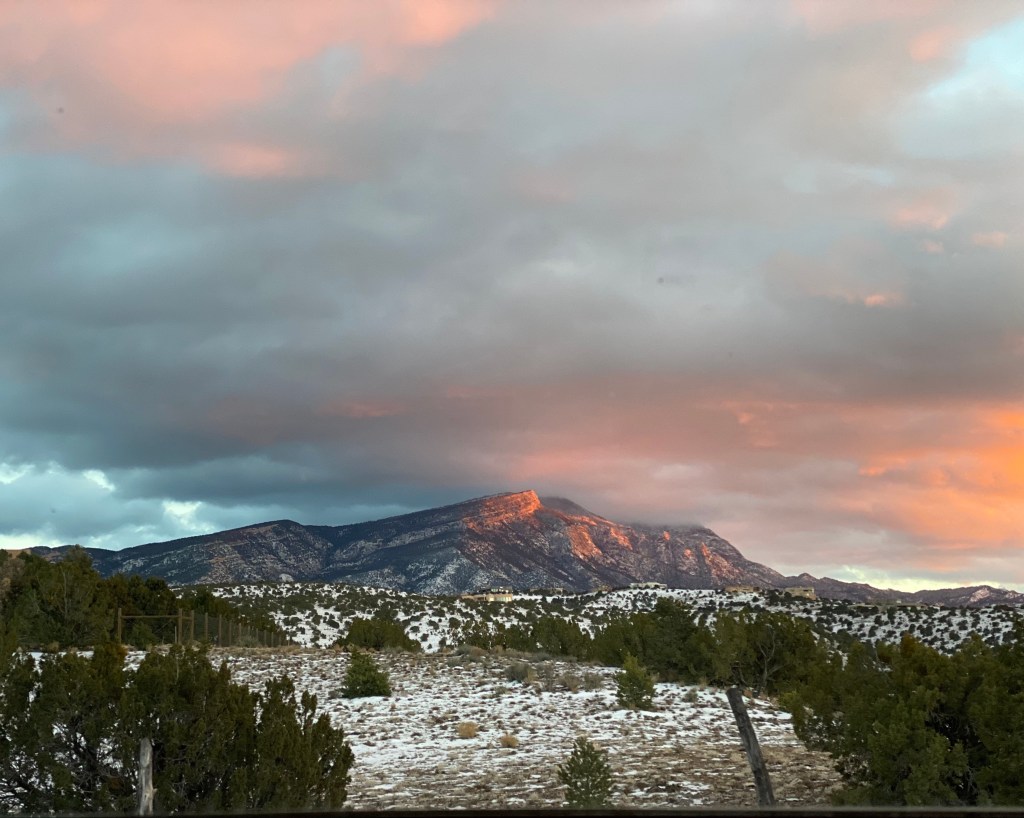
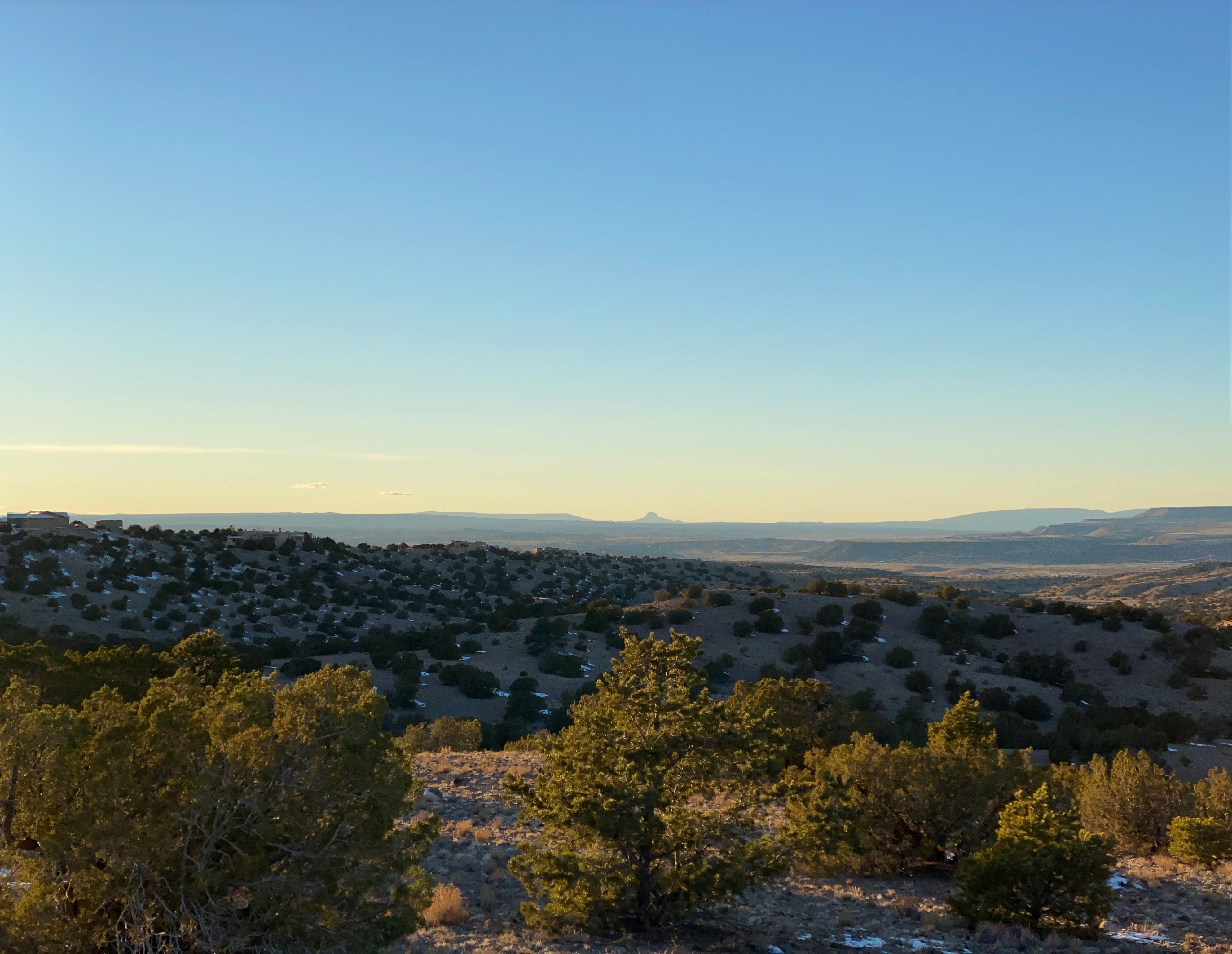
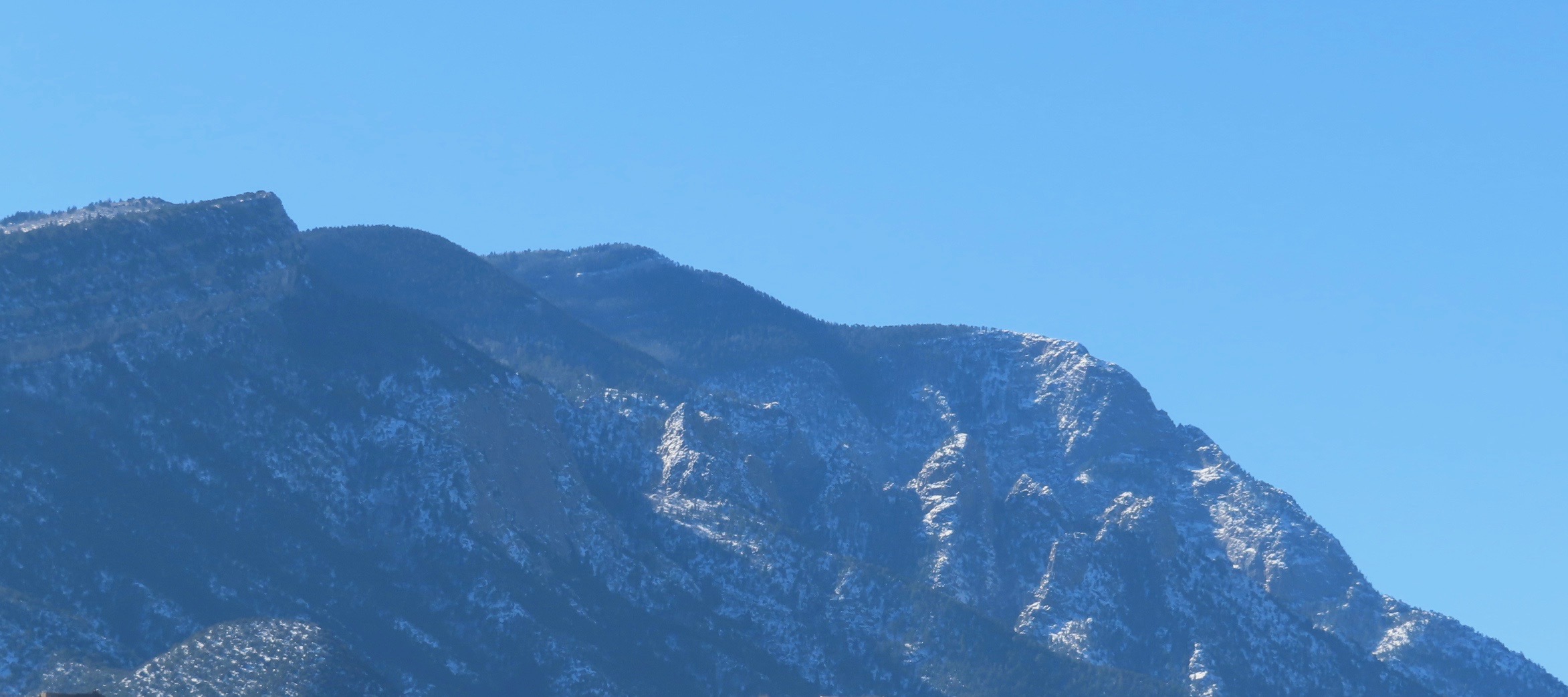
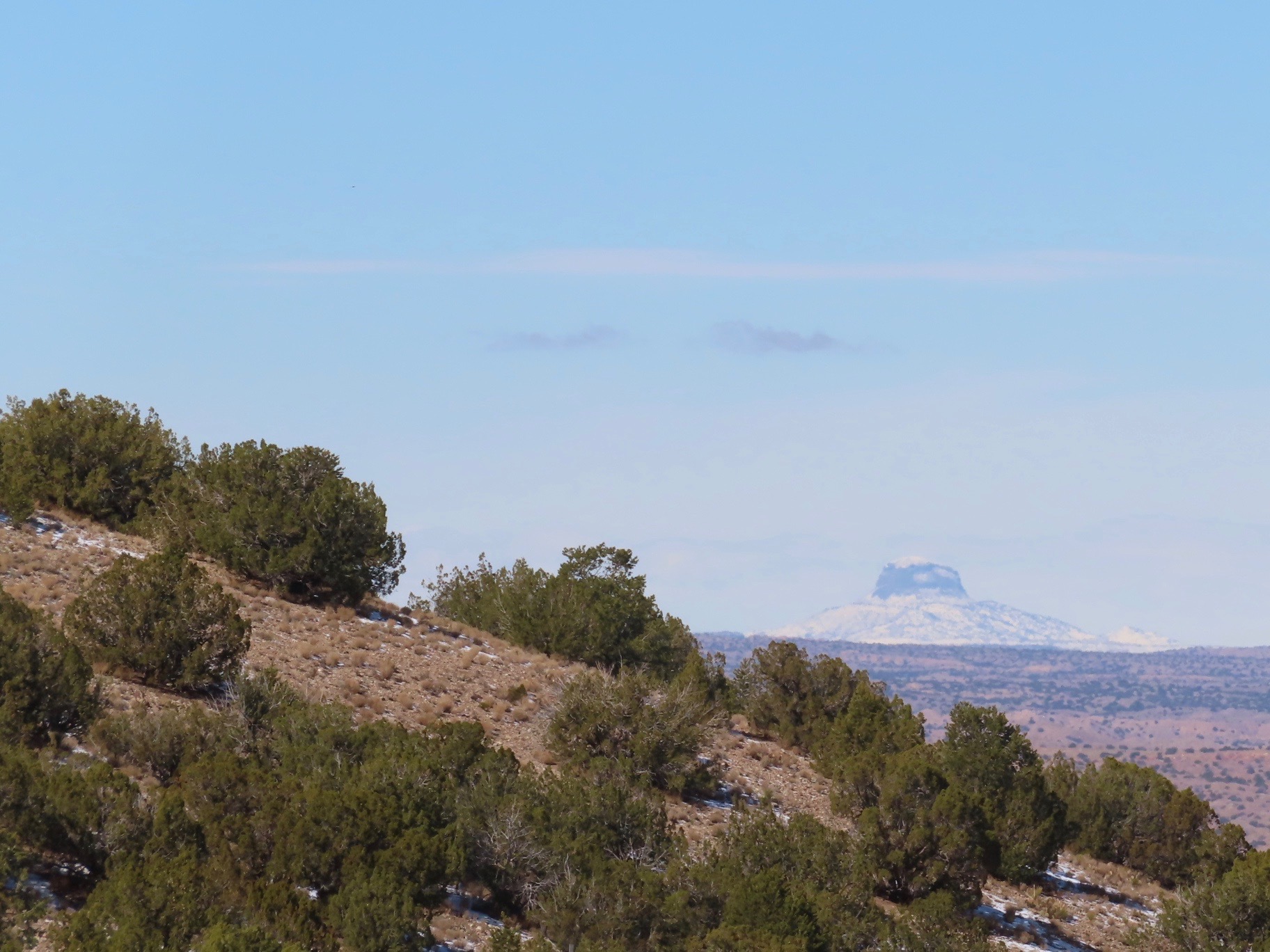
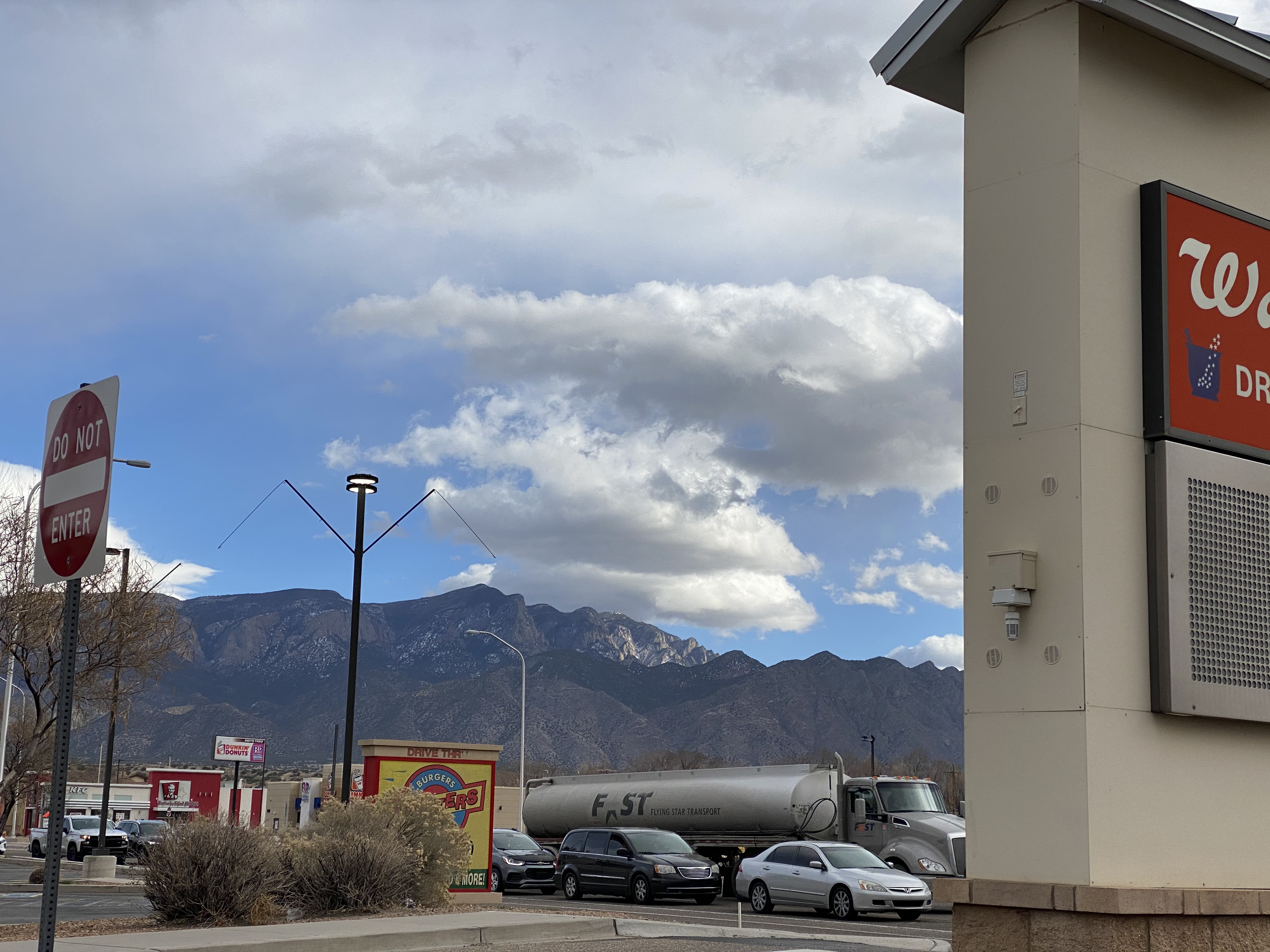
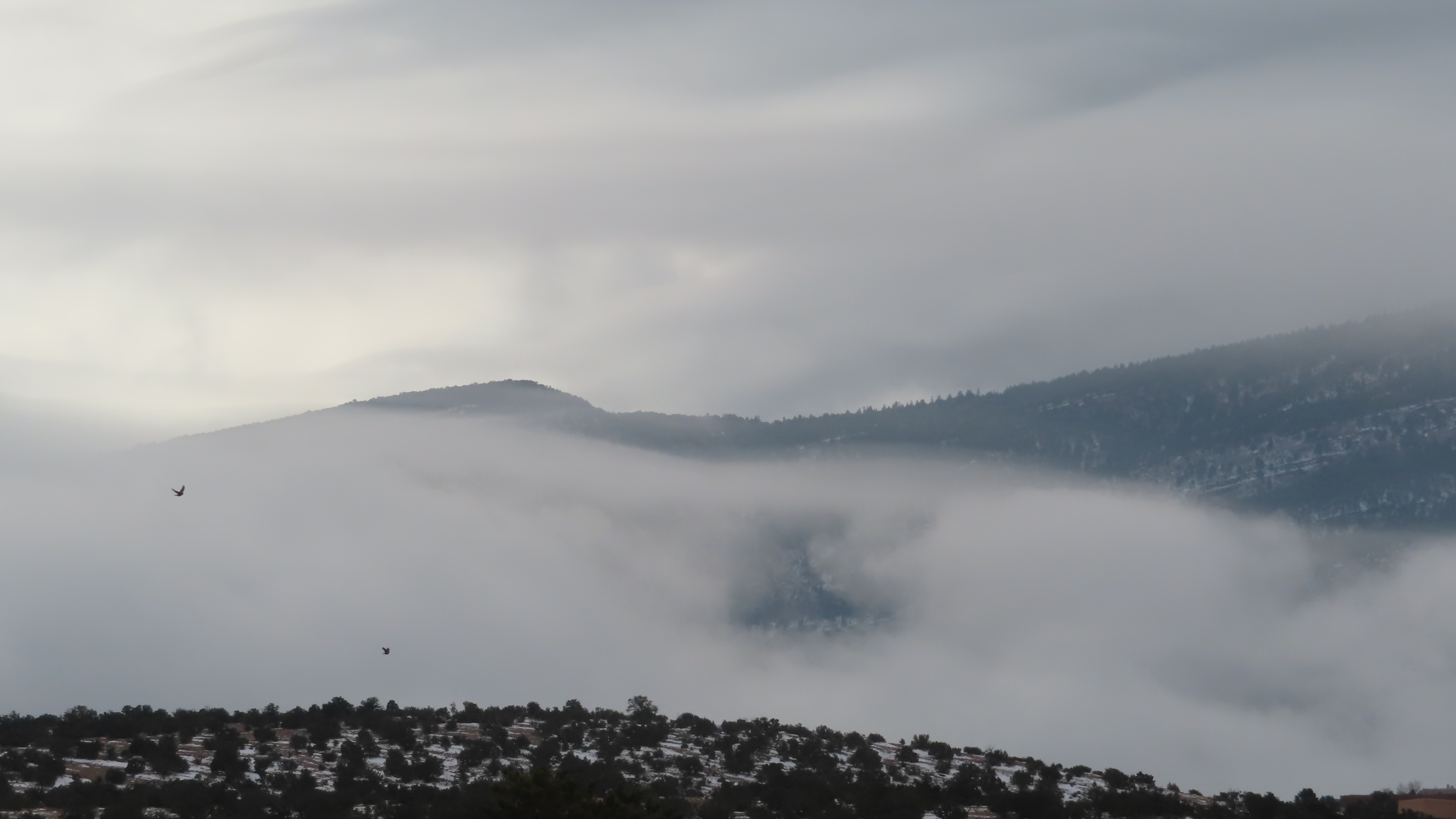
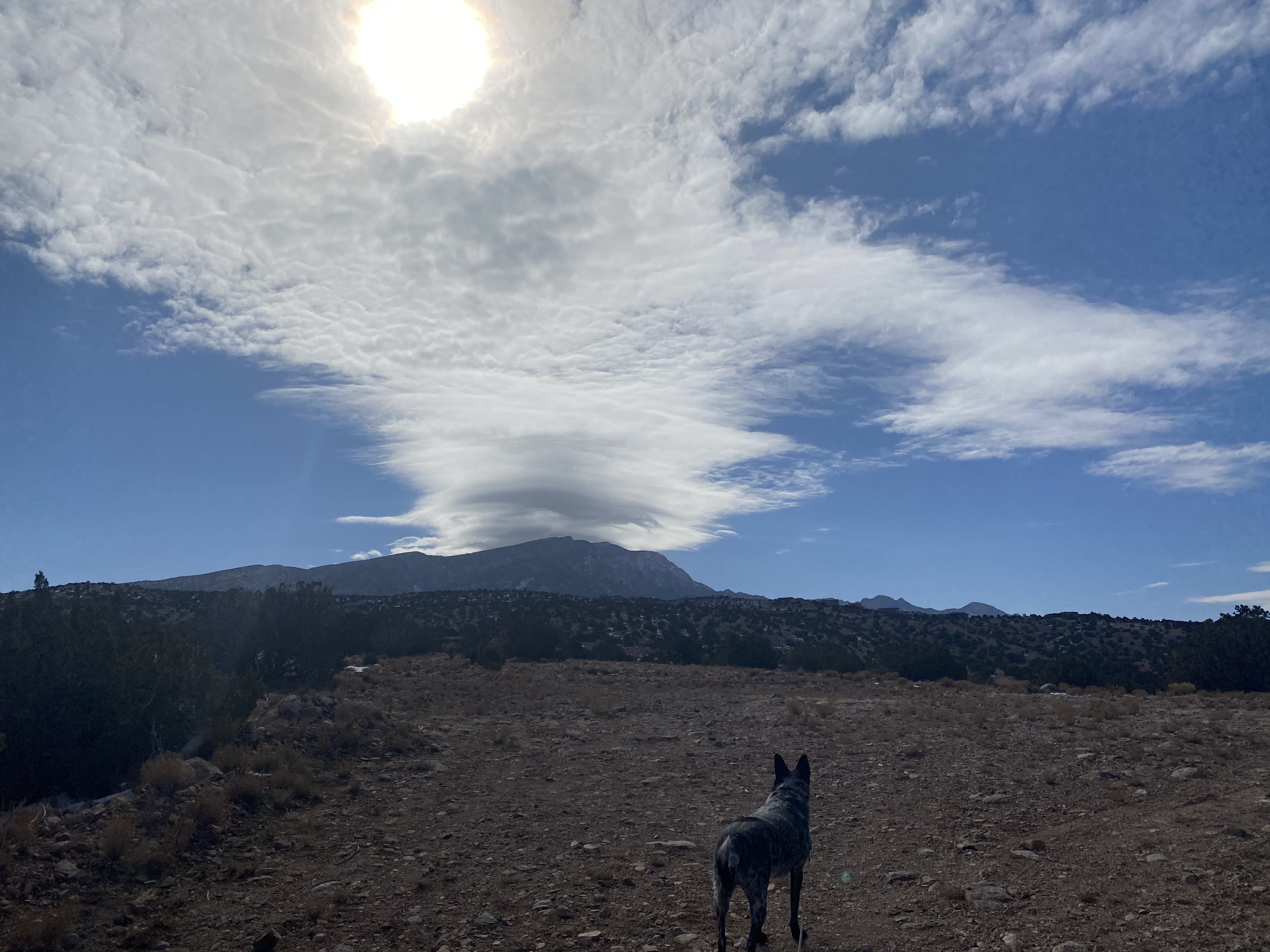
It seems I used to see more cranes flying south over my northeast Placitas area home, just east of the Rio Grande, in the fall. They would overnight at Jemez Dam, at the base of Santa Ana Mesa, to the right in the picture below. Then they would fly east across the river to the north end of the Sandia mountains, where I live, and often I would spot them spiraling upwards. My former coworker Martin Frentzel, an exceptionally knowledgeable outdoorsman, once explained to me that the spiraling cranes were looking to “catch a thermal” for the flight farther south to the Bosque del Apache.
My amateur observation over the years is that maybe more cranes are moving over a southbound route closer to the river — getting their kicks on Route 66 — and fewer are using the Jemez Dam/North Sandia route I cited earlier. If I’m correct, I wonder if it because of more food in Corrales and development of the Valle del Oro National Wildlife Refuge in the South Valley.
But even I do not trust my anecdotal observations on just about anything to do with seasons, including cranes, snakes, piñon, water and juniper pollen. I’m willing to ante them up but I’m just hoping for expert response.
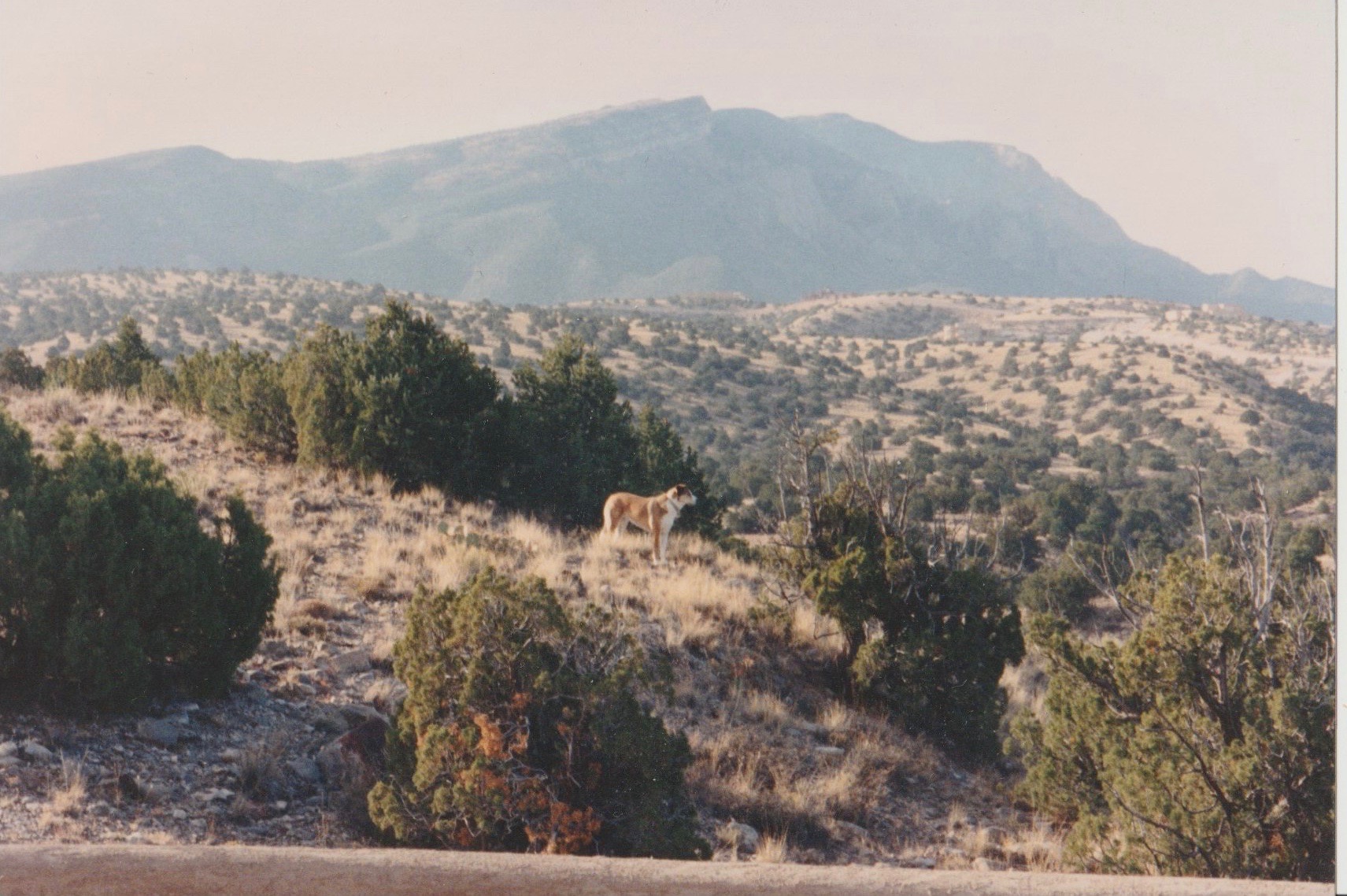
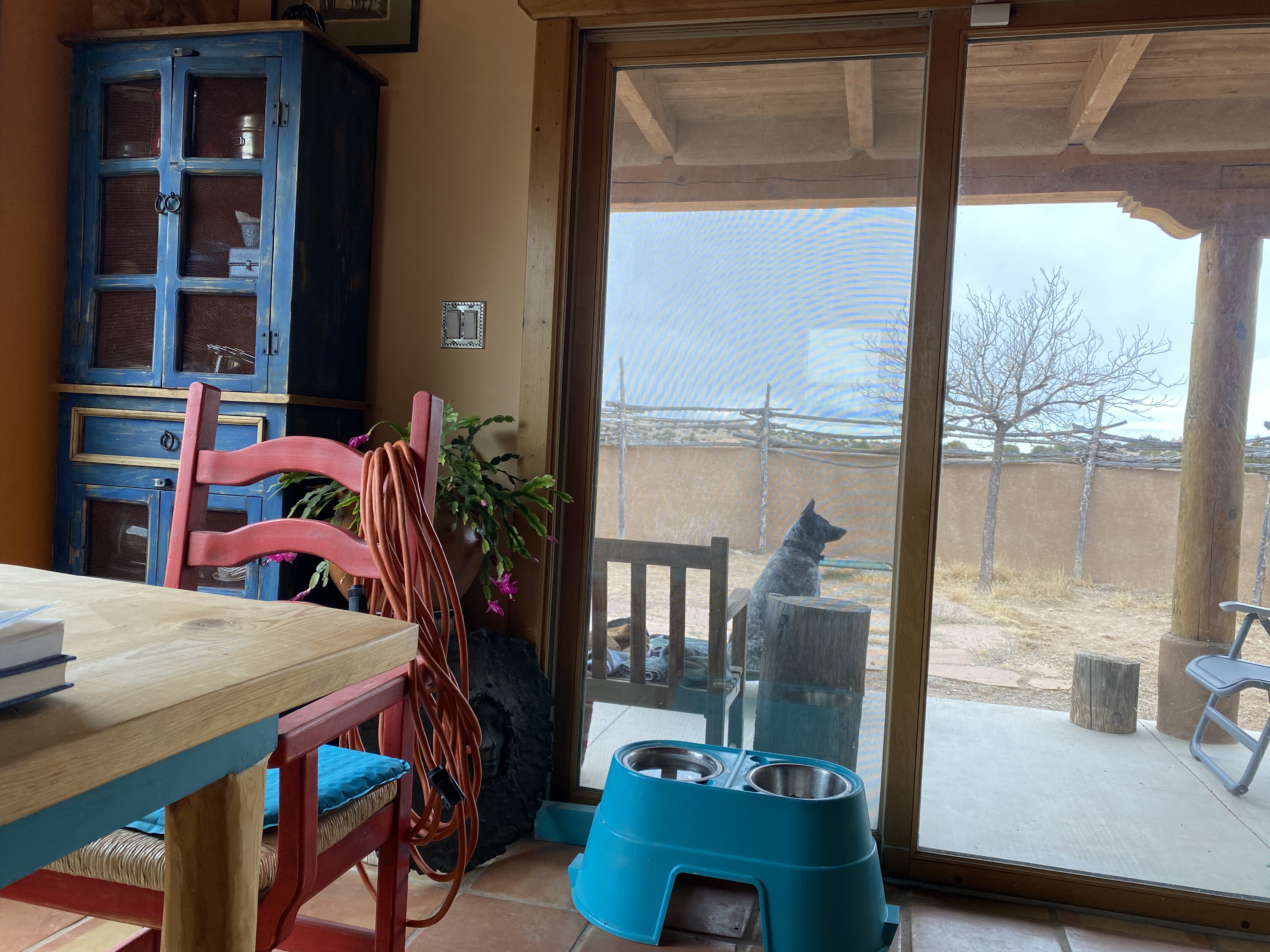
Also, starting in the late 80s, I had a St. Bernard-mix dog from the Eastside Animal Shelter in Albuquerque and year-after-year she would suddenly look upward and alert me to cranes in the sky long before I could see or hear them. Here she is below, surveying our property in 1992. For crane activity, I could count on Sadie. She would have spotted cranes I might be missing now.
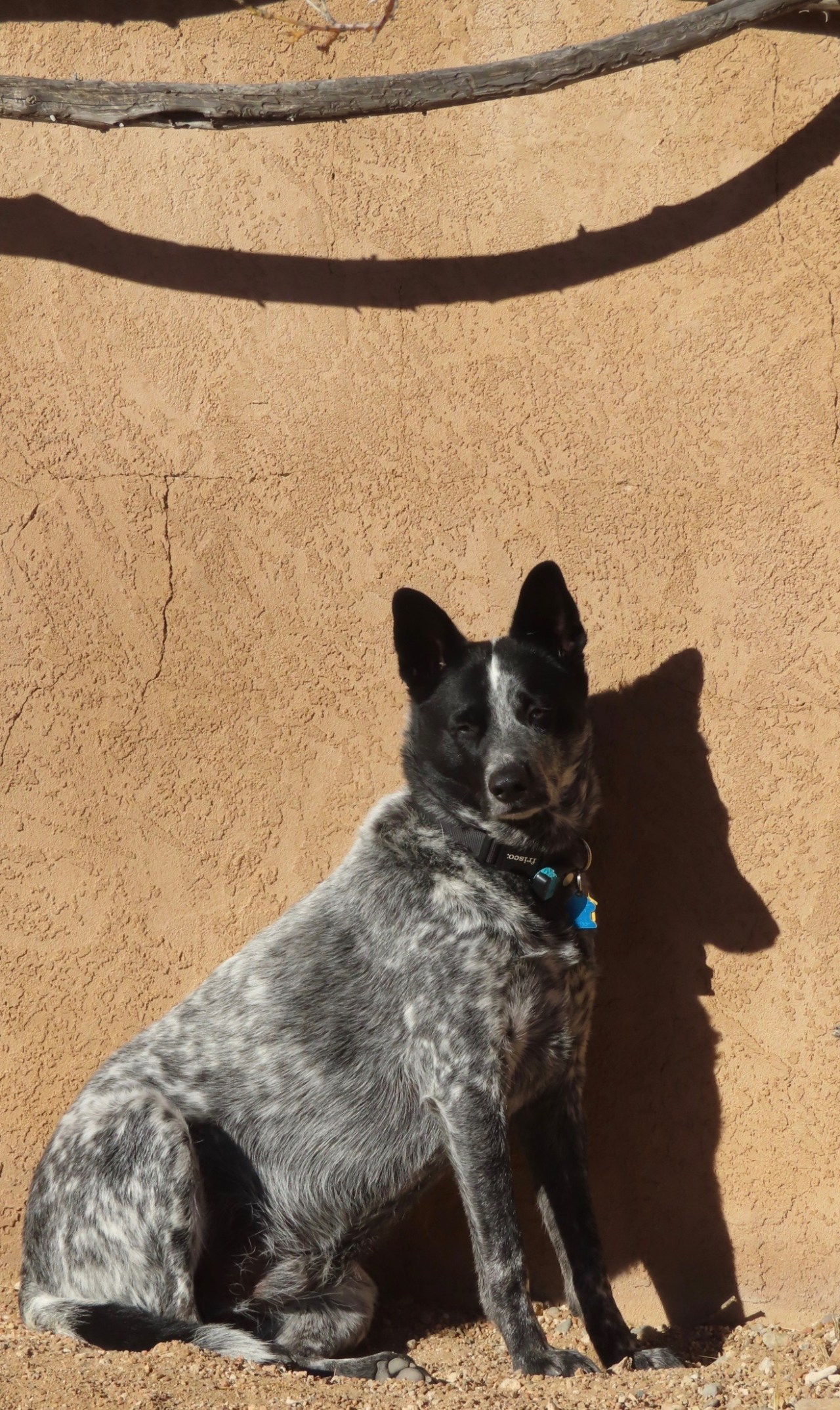
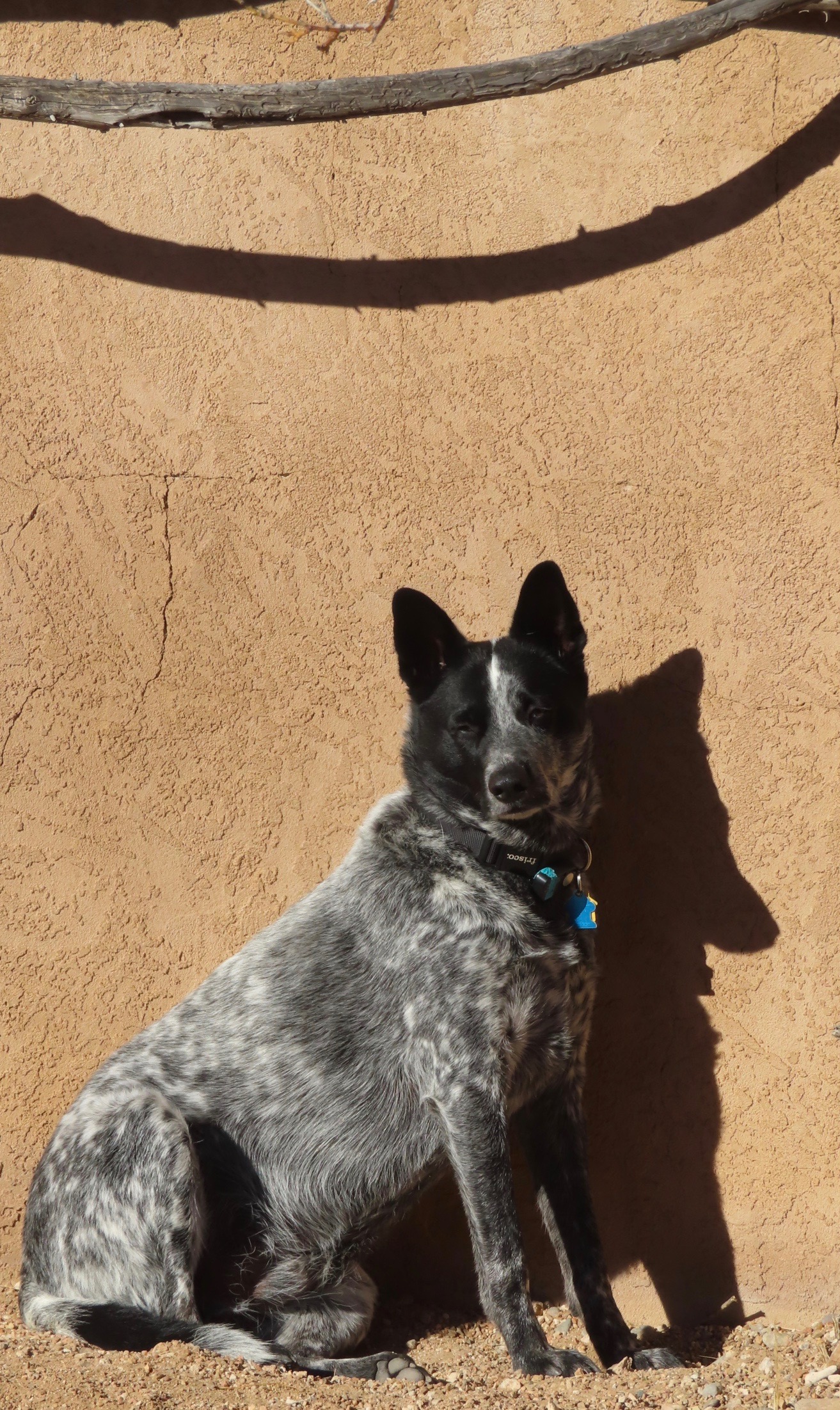
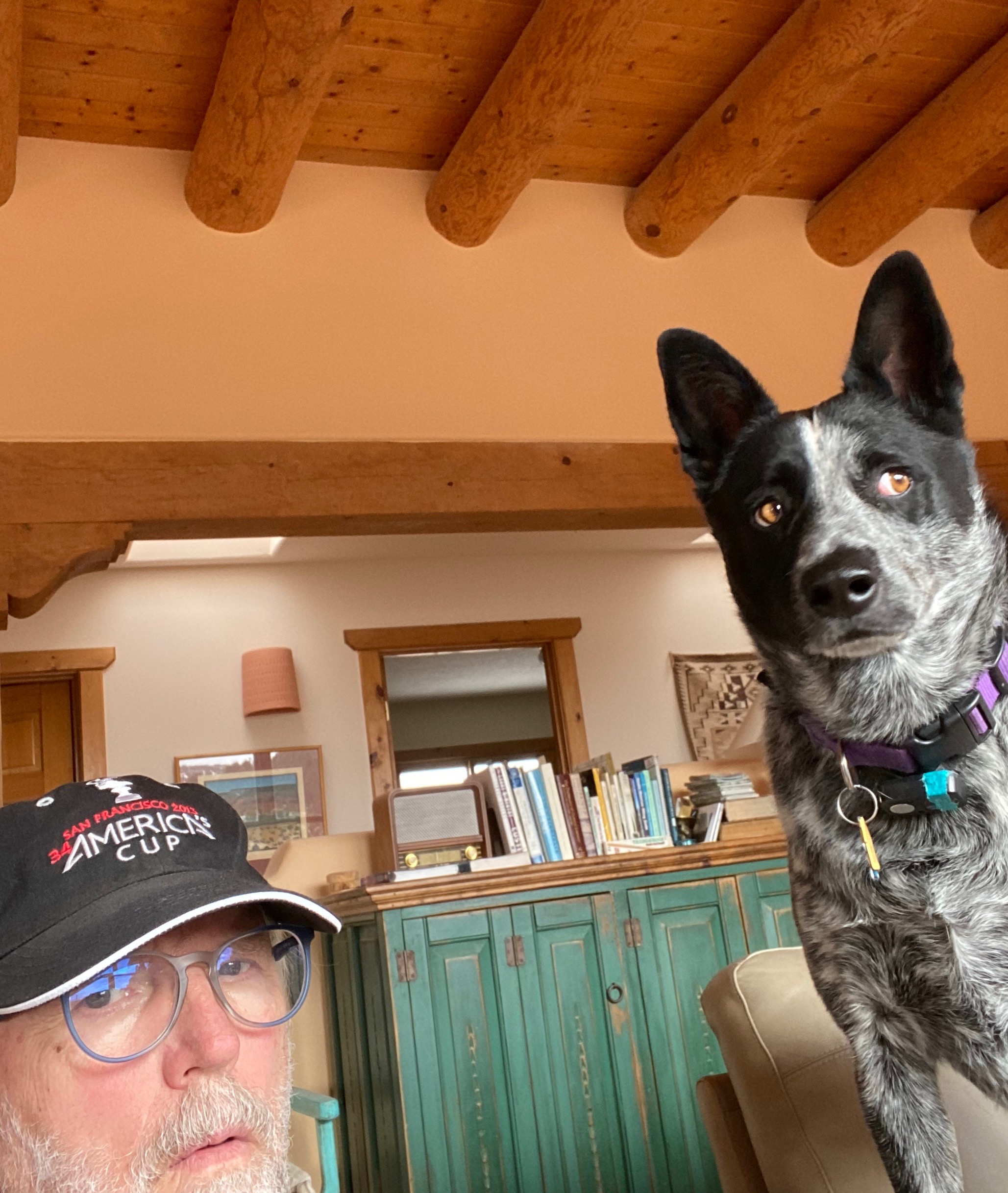
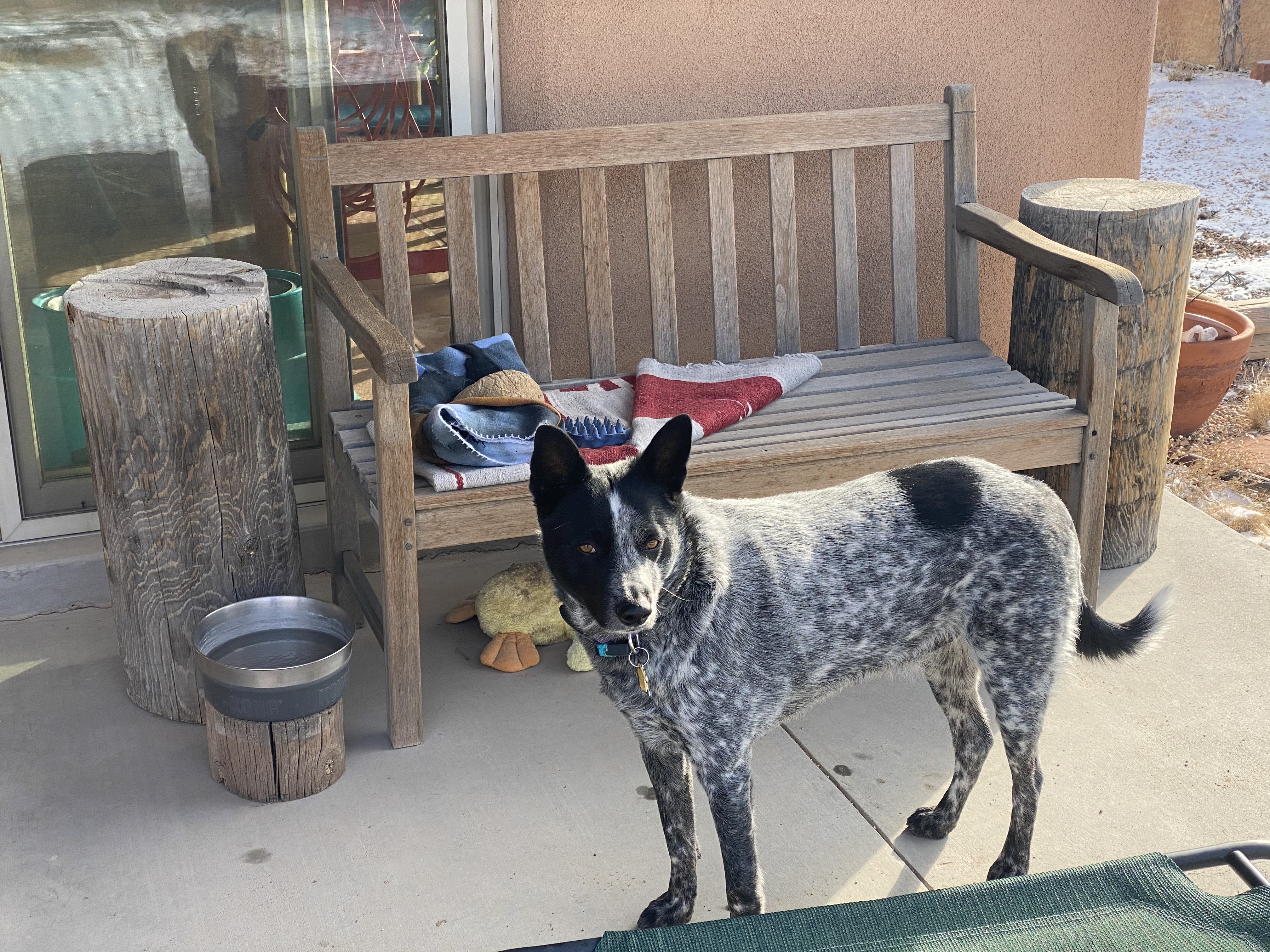
And now someone has caught me writing about another dog, so I’ve gotta saddle up for recreation in the February wind, cranes or no cranes.















 dreamranch