

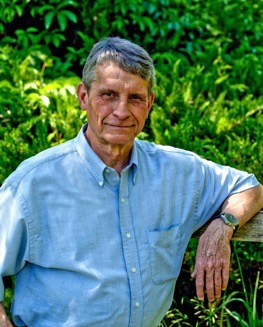
I met Ollie Reed Jr. in 1978, when we were crisscrossing the state covering Bruce King and Joe Skeen in a colorful New Mexico governor’s race, Ollie for the Albuquerque Tribune and I for the Santa Fe New Mexican. The fall dust-up between the two big New Mexico ranchers was made for us. They drawled as heavily as Mississippi-born Ollie and provided free barbecue at just about every campaign stop. We were young and we reported, or at least I did, on handshakes and backslapping as much as what they had to say.
Ollie was a courteous competitor. We both started in the business in the early 1970s. He joined the Albuquerque Journal just after I retired from the paper in 2015 but we started encountering each other again in a Corrales coffee klatch. We were never close friends but Ollie was a gentleman throughout our 46-year acquaintance. He also was a mighty fine reporter and writer. And he kept at it until his death this week. He was 76.
I wrote him the Sunday before he died to compliment him on a Journal column about his faith in journalism, headlined “Looking for the Light.” He commented in the column on what are now such troubled times for newspapers. He shared his resolve.
“It’s enough,” he wrote, “to make some reporters — especially those who have been at it as long as I have — want to hang it up, concede that their time in the business is past. But not me. I just reread “All the President’s Men.”
—
Below is the column by Ollie Reed Jr. that the Journal published on Nov. 17, 2024. The paper had to report his death two days later. And below the column is a fine obit by Phill Casaus.
LOOKING FOR THE LIGHT
When Richard Nixon resigned from the presidency more than 50 years ago, on Aug. 8, 1974, to be precise, I was a reporter for my hometown newspaper, the Natchez (Mississippi) Democrat.
Nixon’s downfall was due to newspaper reporting that connected the White House to a 1972 break-in at the Democratic National Committee offices in Washington, D.C.’s Watergate Hotel, so I was feeling pretty good about being a journalist.
On the afternoon of the day after Nixon’s resignation speech, I sat with a young woman reporter, my future wife, on the steps of her house as we talked about how magnificent it was that America’s free press could curb corruption at the very highest level of power.
That’s why she and I got into the business. Oh sure, we covered city councils, county commissions, water boards, police departments and Friday night football, the day-to-day life of our community.

UPFRONT
Ollie Reed Jr.
But the Nixon resignation proved to us what we believed in our hearts — that newspapers are the watchdogs of the nation and the most effective defenders of democracy.
Fifty years later, that does not seem so certain.
Competition from the internet, as well as public apathy, has bludgeoned the newspaper business. I’ve read that between late 2019 and May 2022, the United States lost an average of two newspapers per week.
What happens without the watchdogs? People who research such things say the demise of newspapers leads to a decline in civic engagement by citizens, more waste by governments and an increase in political polarization.
It’s enough to make some reporters — especially those who have been at it as long as I have — want to hang it up, concede that their time in the business is past. But not me. I just reread “All the President’s Men.”
Recharging
Washington Post reporters Bob Woodward and Carl Bernstein earned national acclaim for their dogged coverage of the Watergate scandal. Their work was noted when the Post was awarded the Pulitzer Prize for Public Service in 1973.
In 1974, “All the President’s Men,” Woodward and Bernstein’s book about their Watergate reporting, was published, and in 1976 the movie version, starring Robert Redford as Woodward and Dustin Hoffman as Bernstein, was released.
When I get to feeling low about the challenges of the newspaper business today, I charge up my spirits by turning to nonfiction books and fact-based films that depict newspapers during their heyday and during their most notable achievements.
“All the President’s Men,” the book and the movie, is a suspense story and a detective story, and the good guys win in the end. I can dip into the book, read a section, and come away confident there is nothing else I’d rather be than a newspaper reporter.
When I was an undergraduate journalism major at the University of Southern Mississippi, I read Gay Talese’s 1969 book, “The Kingdom and the Power: Behind the Scenes at the New York Times: The Institution that Influences the World.” In Journalism 101, I had been warned off writing lead sentences as long as that title.
But I found the book fascinating. It gave me my first sense of what being in an actual newsroom might be like, and I was surprised and encouraged to discover that Times managing editor, and later executive editor, Turner Catledge was from small town Mississippi.
Giving light
I remember seeing once on TV, probably while I was in high school, a 1959 newspaper movie titled “-30-.” The movie’s name comes from the symbol reporters put at the bottom of their copy to indicate the end of a story.
It was set during the late shift of a Los Angeles daily newspaper and starred Jack Webb as the night managing editor and William Conrad as night city editor. All the action happens in the newsroom as the staff tries to nail down a breaking news story before deadline. It probably wasn’t very good, but I did not know a lot about newspapers back then, and I ate it up. I was intrigued all the way through.
It is said that the movie “All the President’s Men” enticed many young men and women into the newspaper trade. But I started studying journalism in college in 1966, 10 years before that movie’s release, and landed my first newspaper job in 1973, three years before it came out.
Maybe it was “-30-” that put the notion of being a reporter into my head.
I have been inspired more recently by newspaper movies such as 2015’s “Spotlight,” about the Boston Globe’s investigation of child sex abuse by Roman Catholic priests, and 2017’s “The Post,” which recounts the story of The Washington Post’s publication of the Pentagon Papers, classified documents about the U.S. government and the Vietnam War.
But books have been my major source of rejuvenation.
On my desk here in the Journal newsroom, I have copies of:
“The Boys on the Bus,” Timothy Crouse’s account of the reporters who covered the 1972 presidential race between Nixon and George McGovern, 1973.
“Somebody Told Me: The Newspaper Stories of Rick Bragg,” 2000.
“Deadline Artists: America’s Greatest Newspaper Columns,” 2011.
Calvin Trillin’s “The Lede: Dispatches from a Life in the Press,” 2024.
Also here on the desk is what may be the best-titled newspaper book ever, “Citizen Carl: The Editor Who Cracked Teapot Dome, Shot a Judge, and Invented the Parking Meter.”
That book, published this year, was written by Jack McElroy, a colleague of mine during my years as a reporter for The Albuquerque Tribune.
Jack’s book is the biography of Carl Magee, a tough, crusading newspaper editor who once owned the Albuquerque Journal and founded the paper that would become The Albuquerque Tribune.
Magee’s motto was “Give Light and the People Will Find Their Own Way.”
Shining the light. When I read these books and watch these movies, I’m reminded that’s what newspaper work is all about. And it’s worth doing. -30–
—
Here’s a link to the obit New Mexico newspaper veteran Phill Casaus wrote for the Albuquerque Journal.

Click on photos to open.
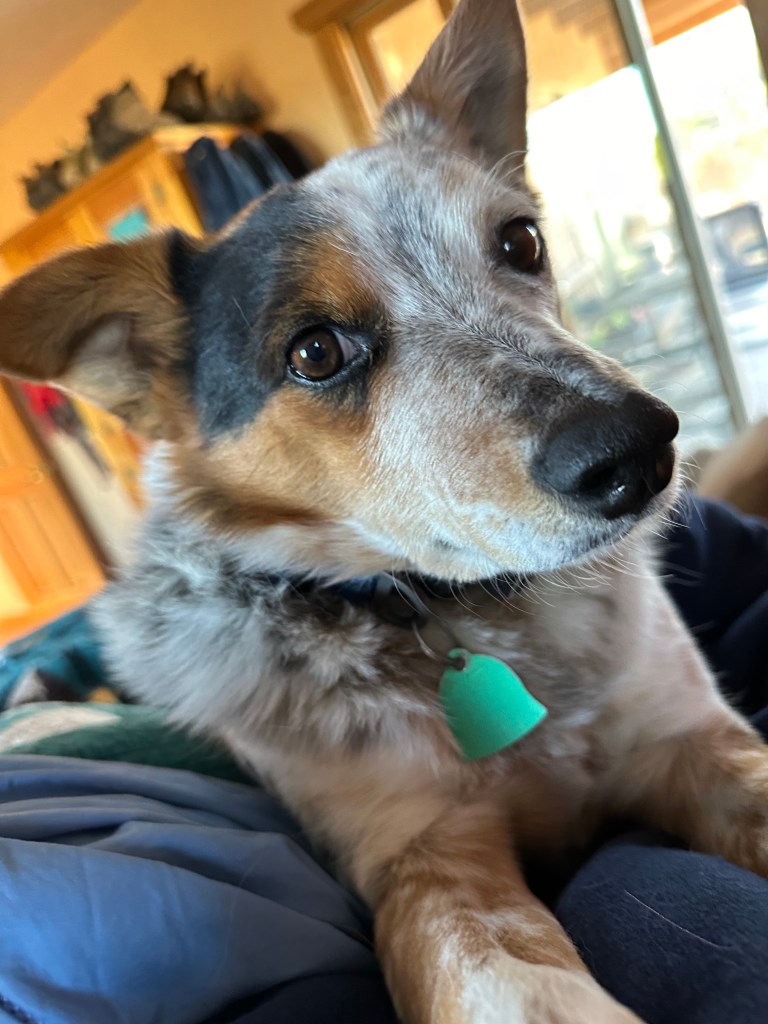
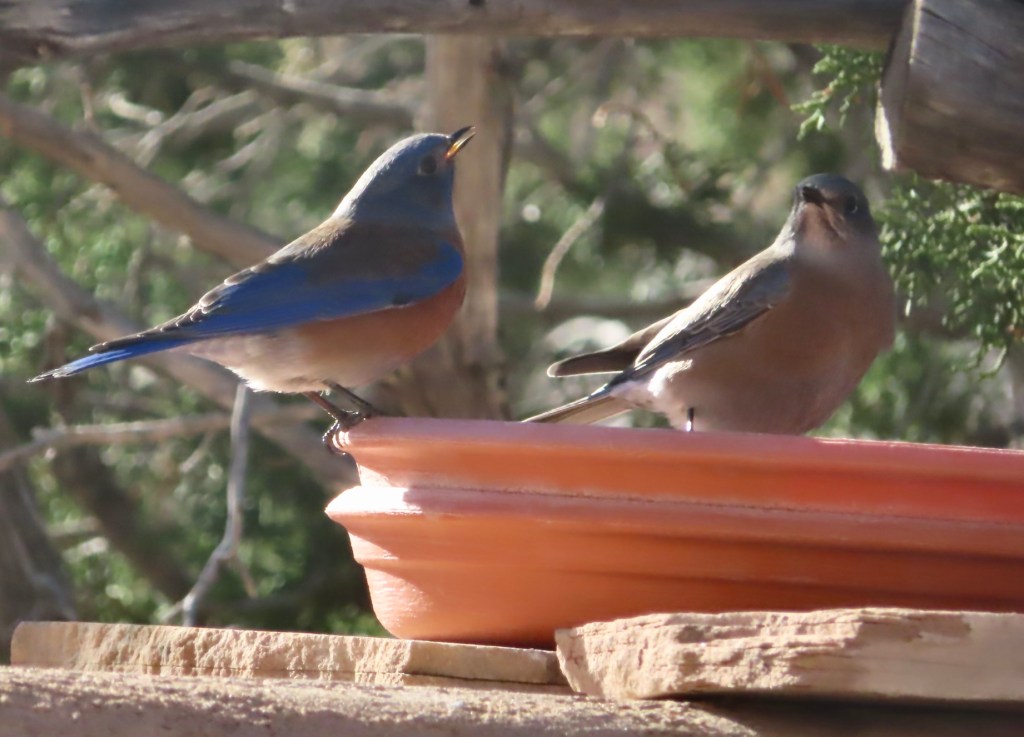
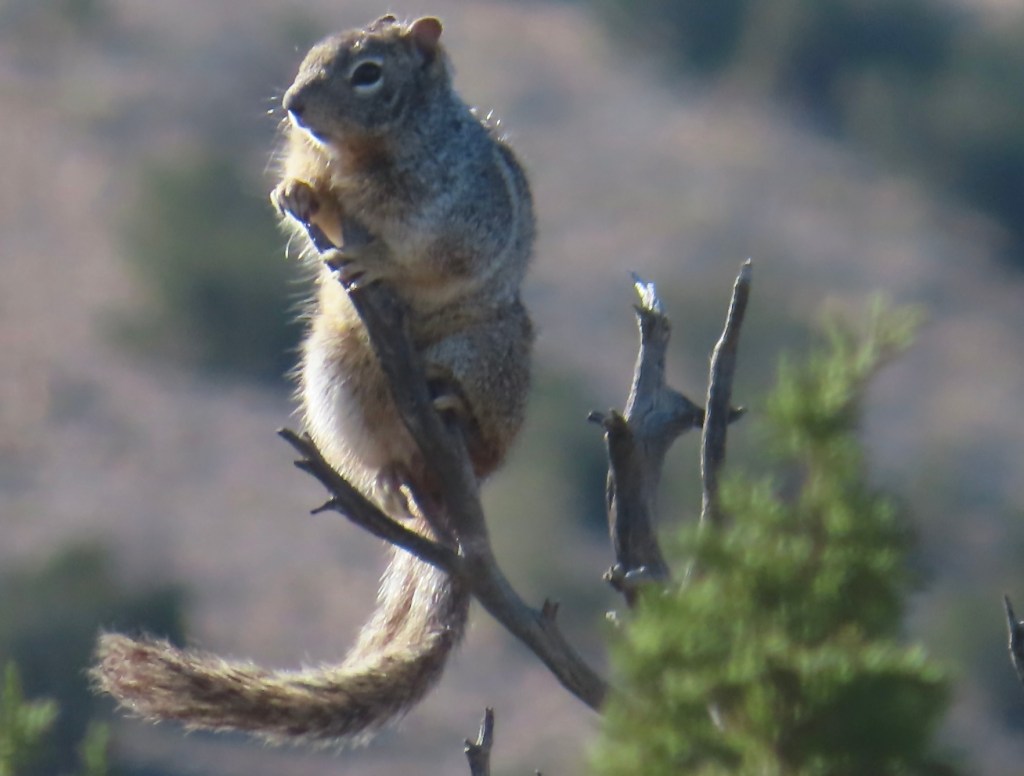
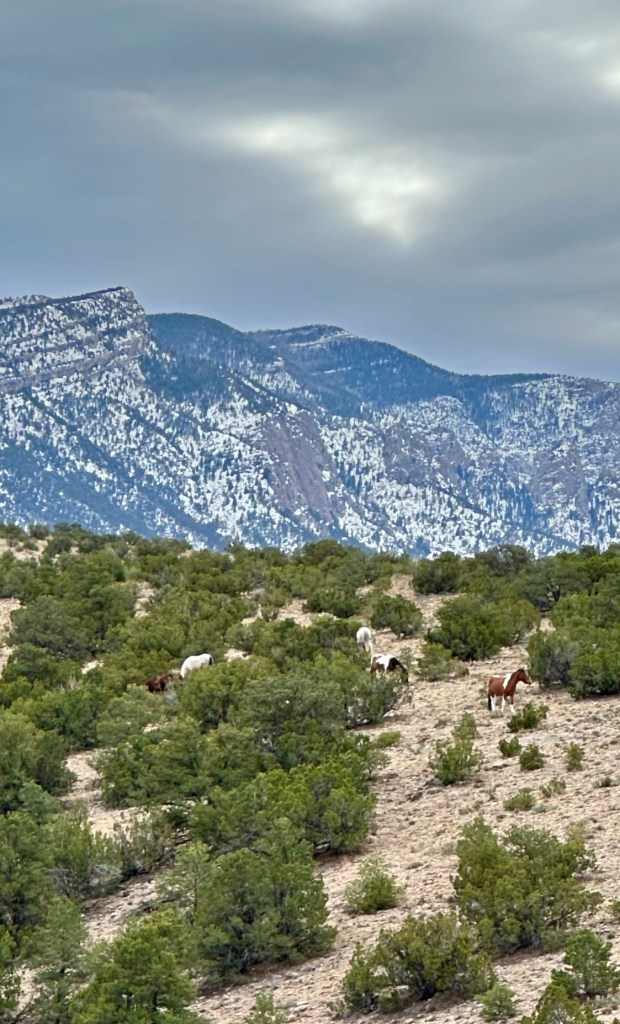

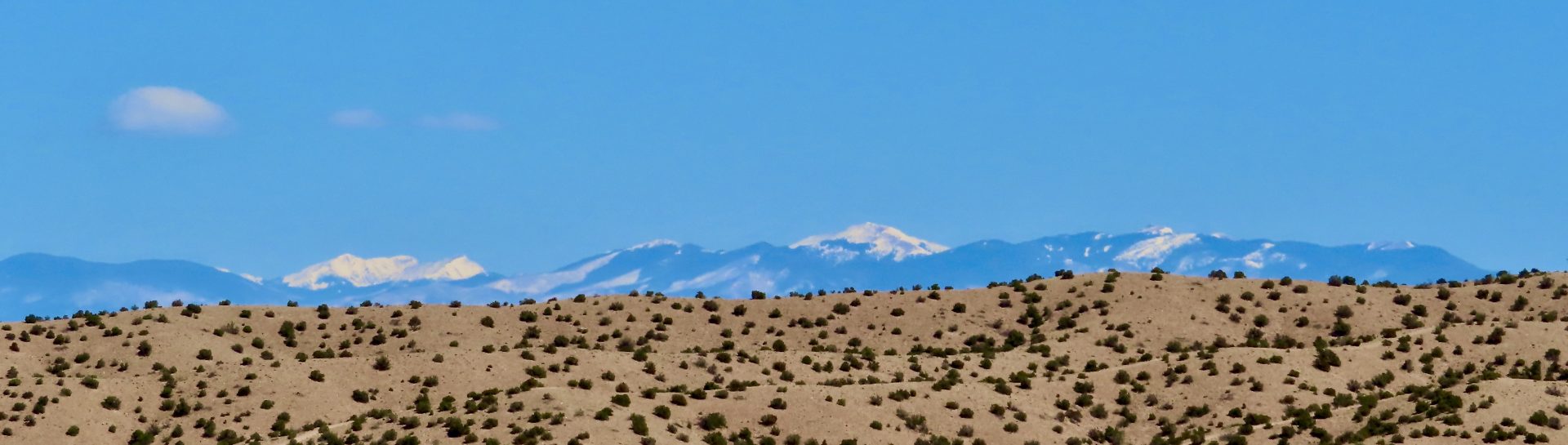
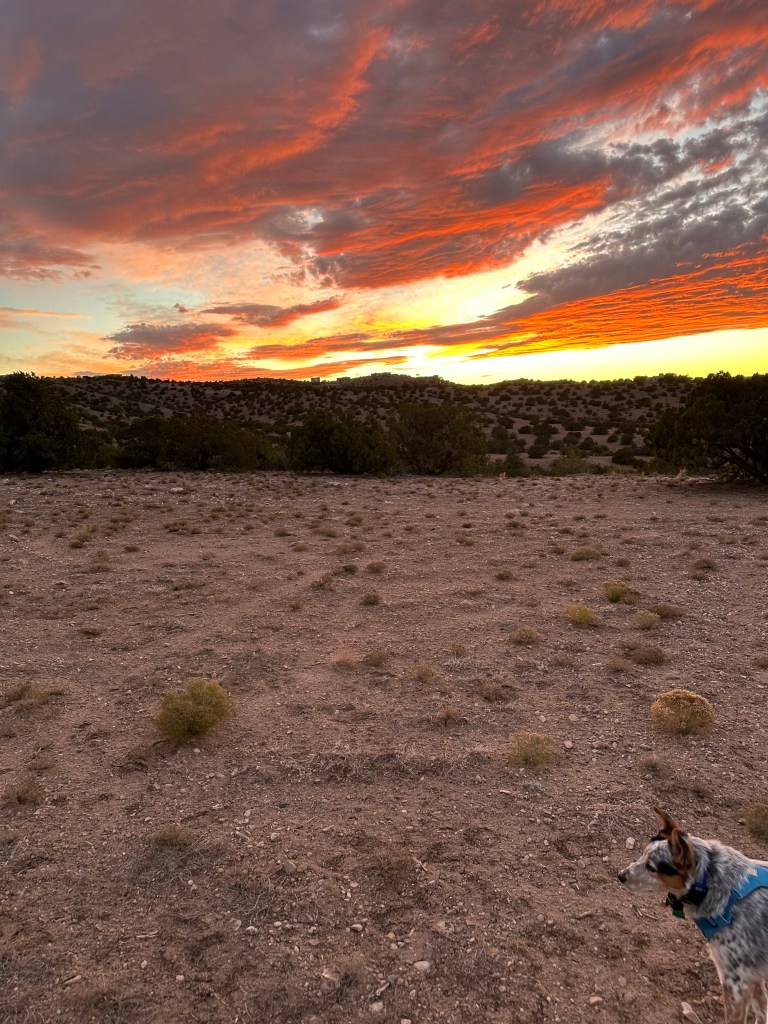
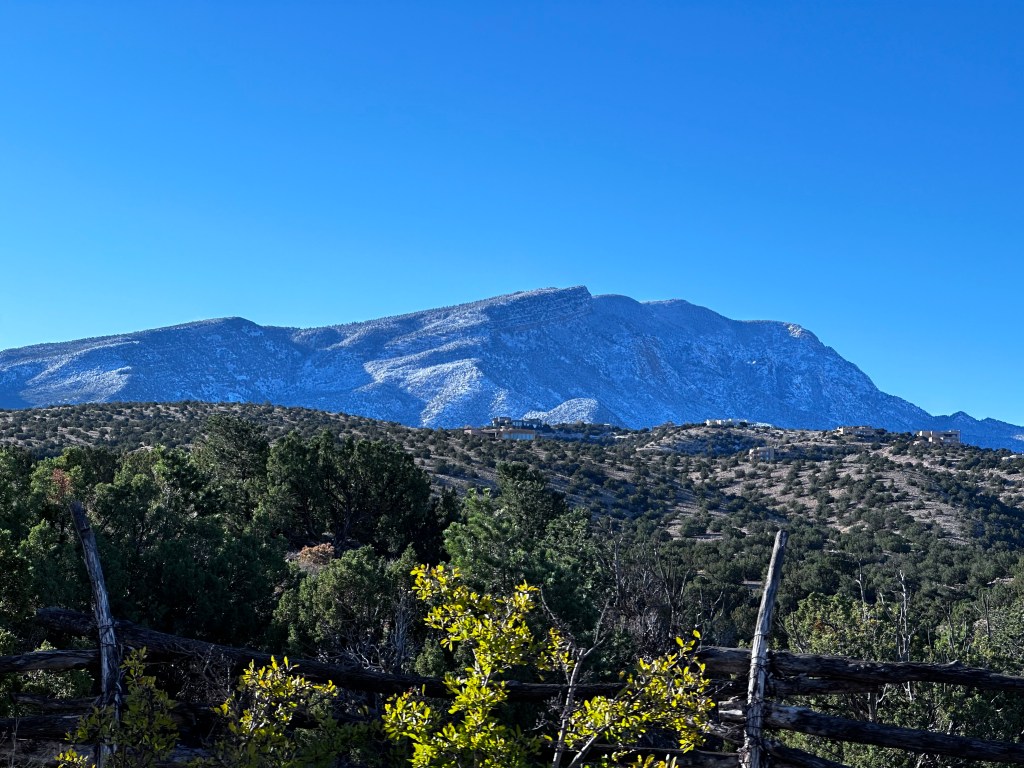
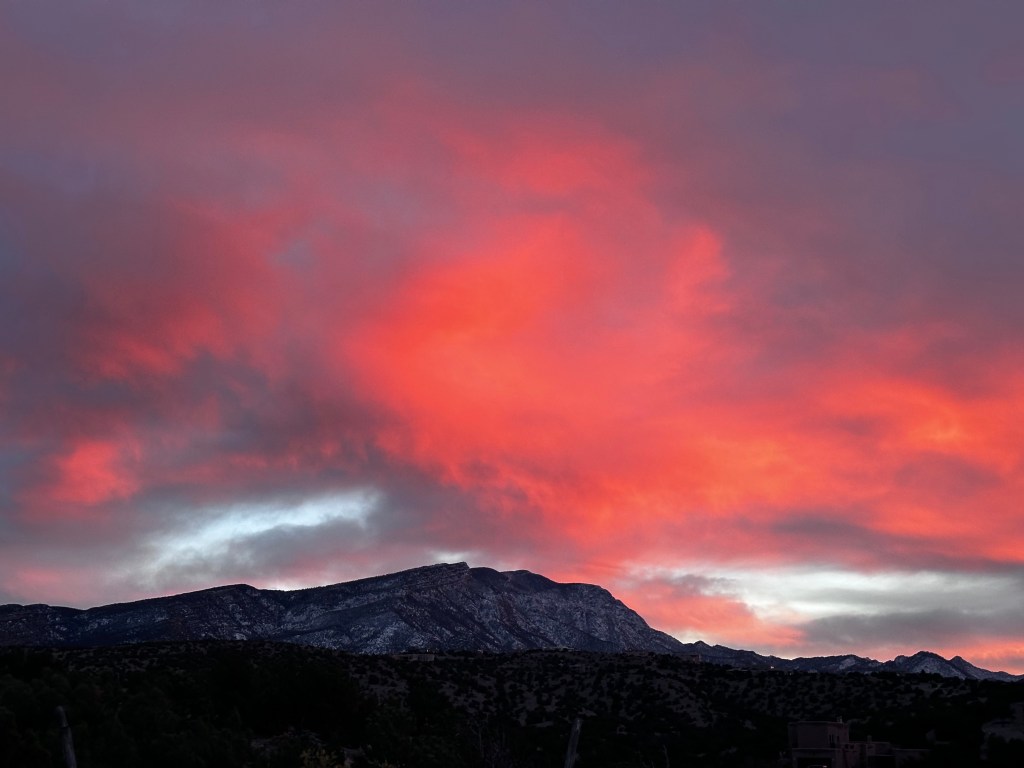
Above: Art work with thrasher on NM 165. Below: Views from the mesa closest to me.
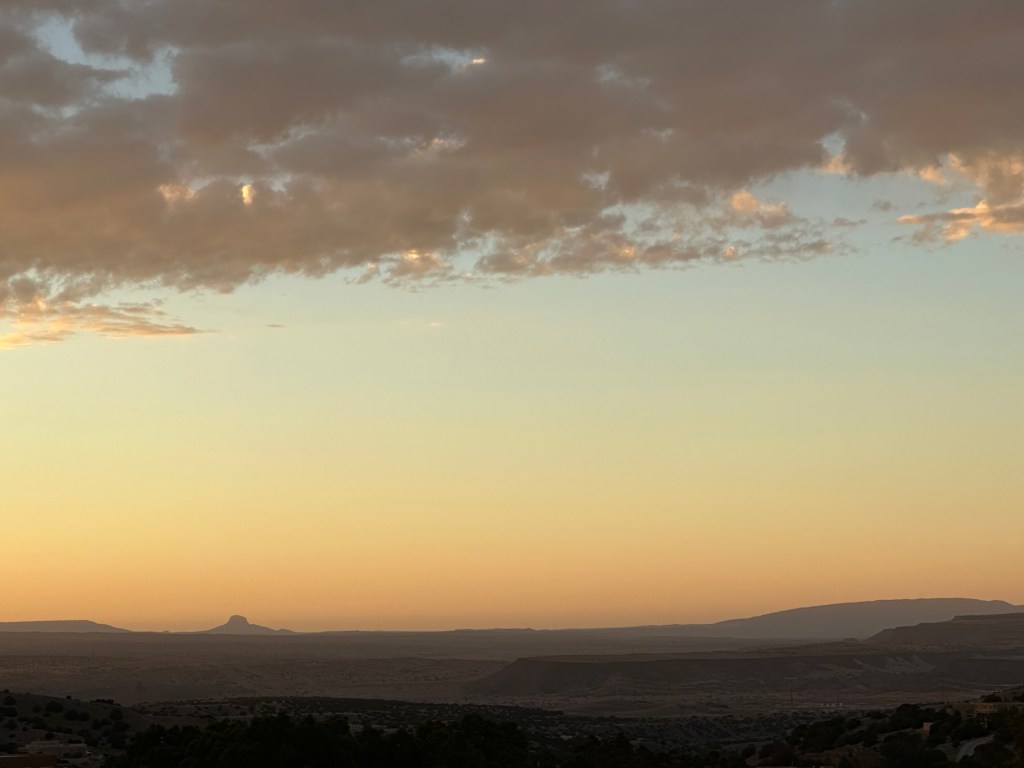
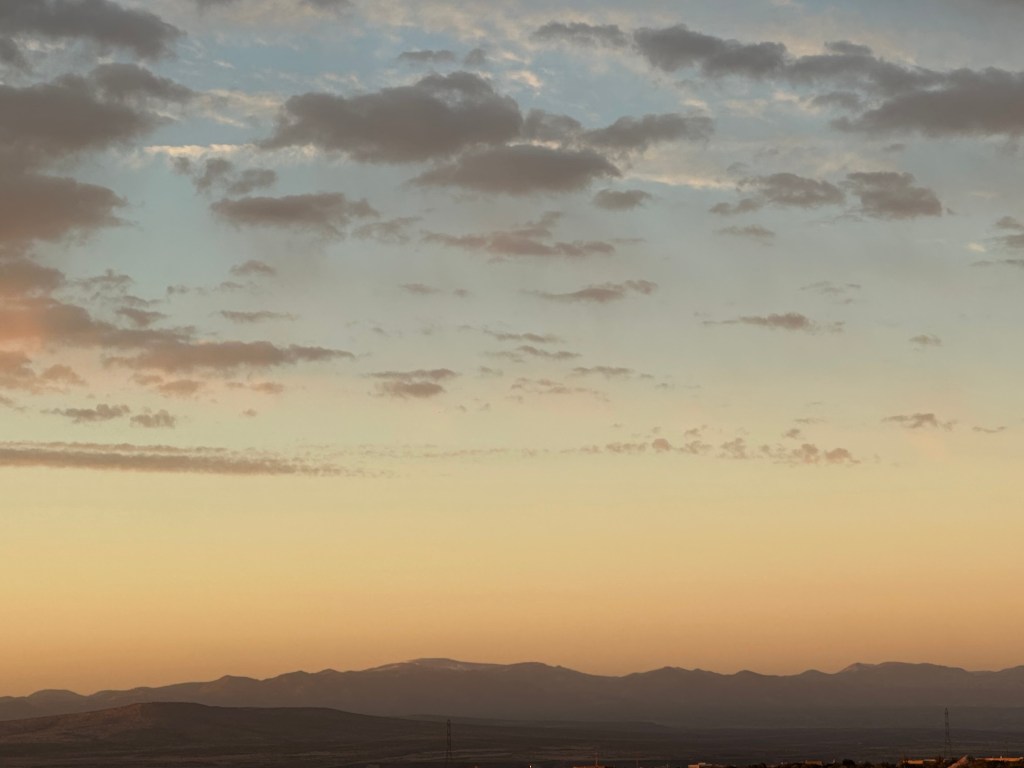
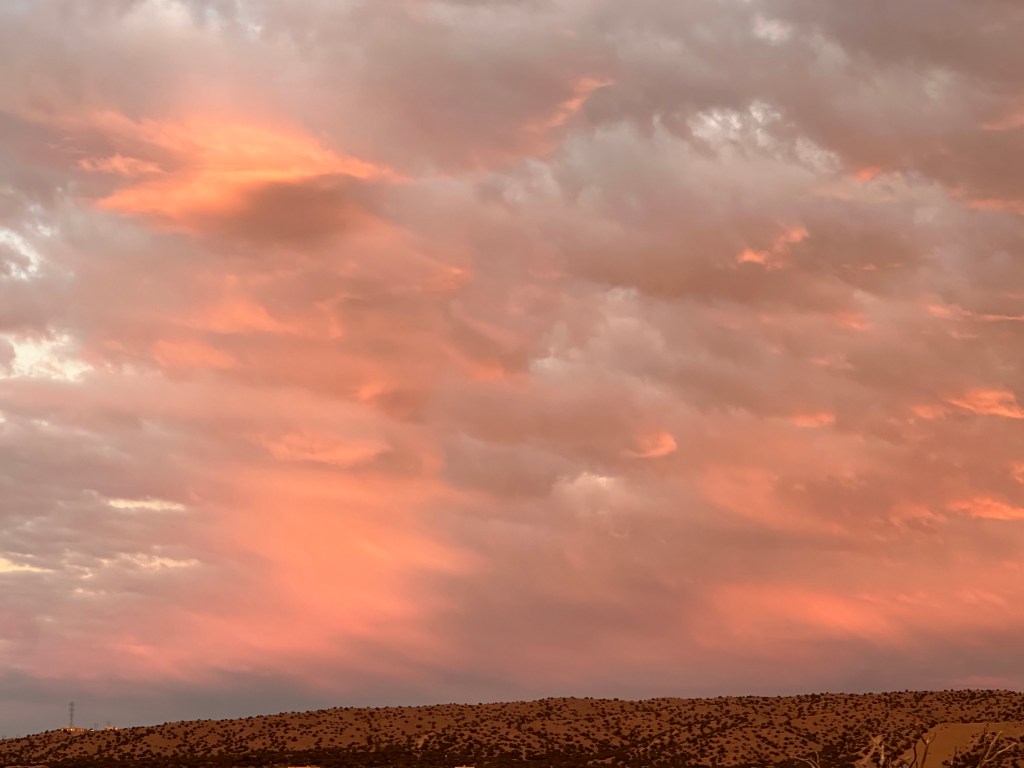
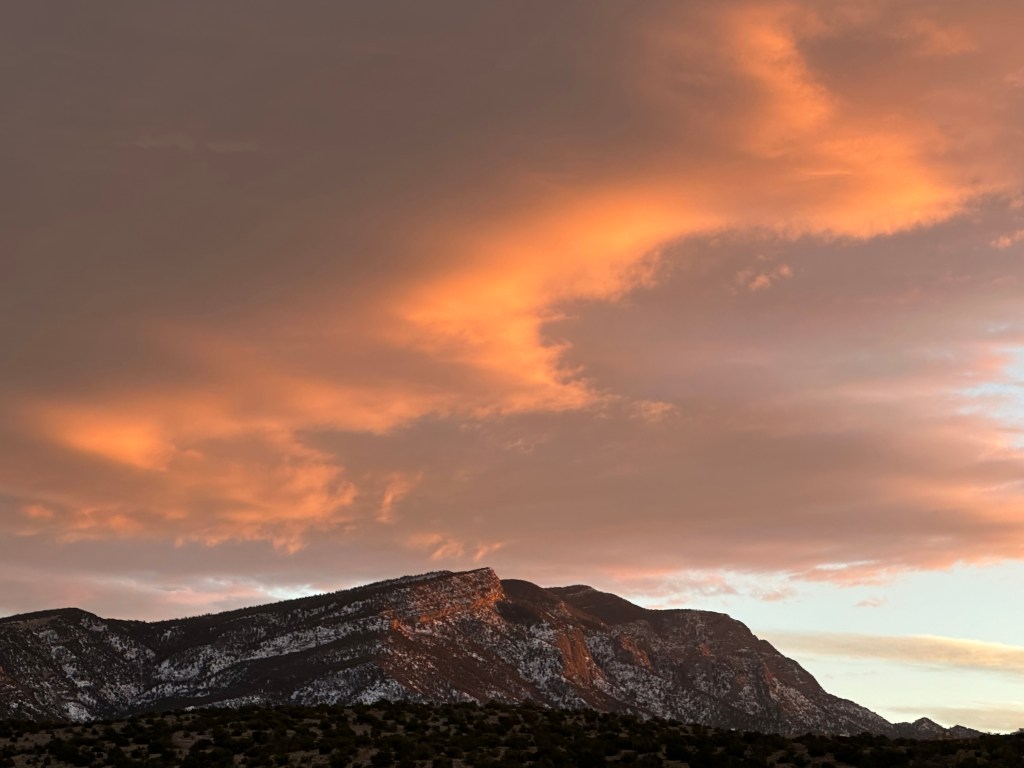
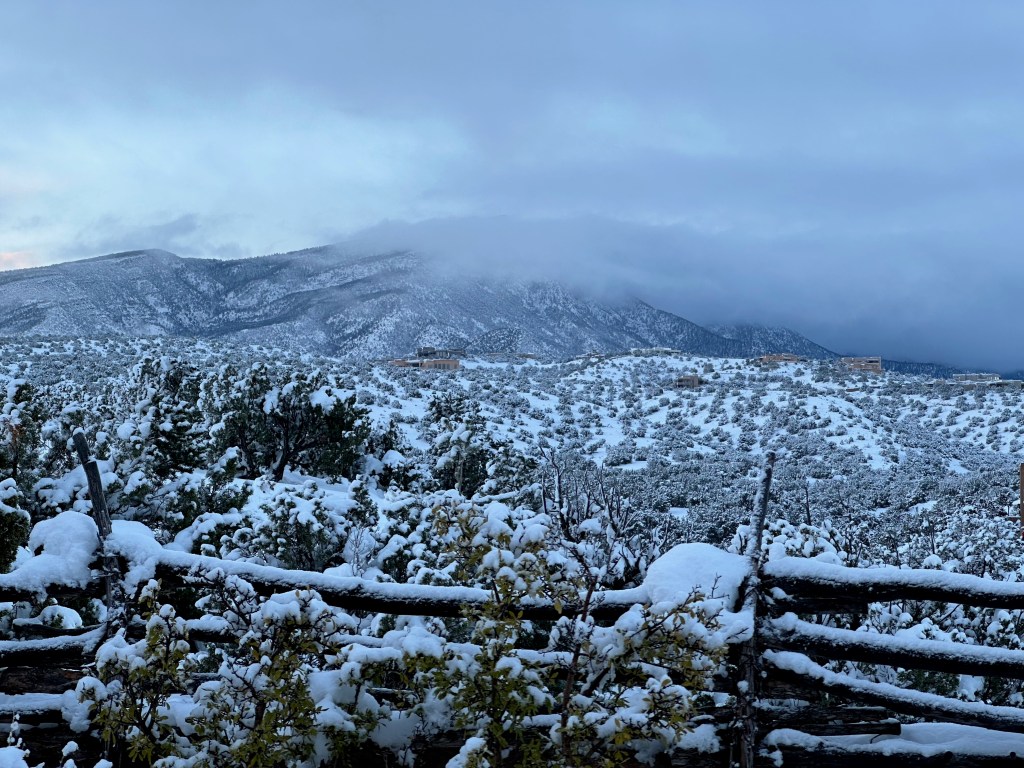
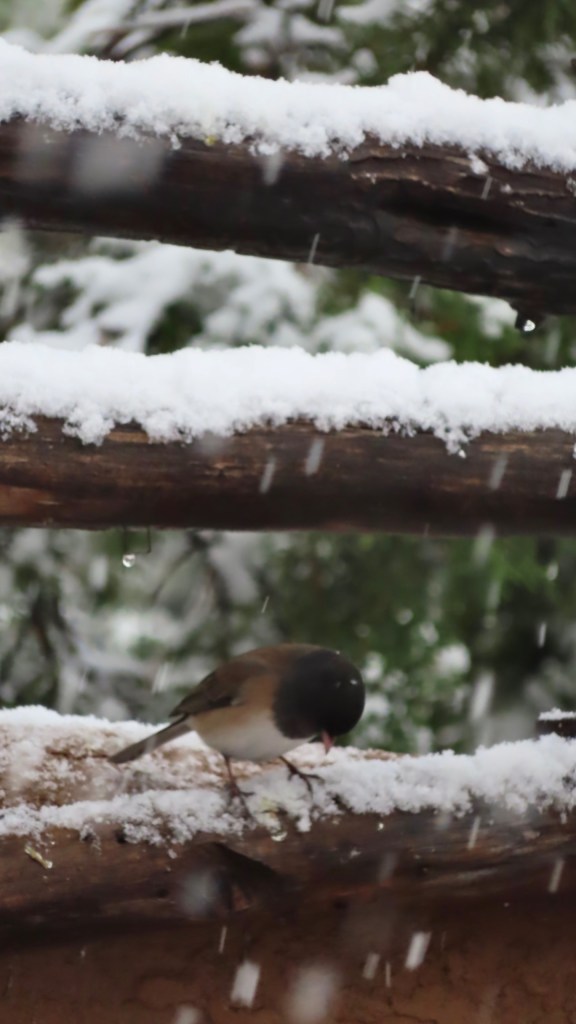
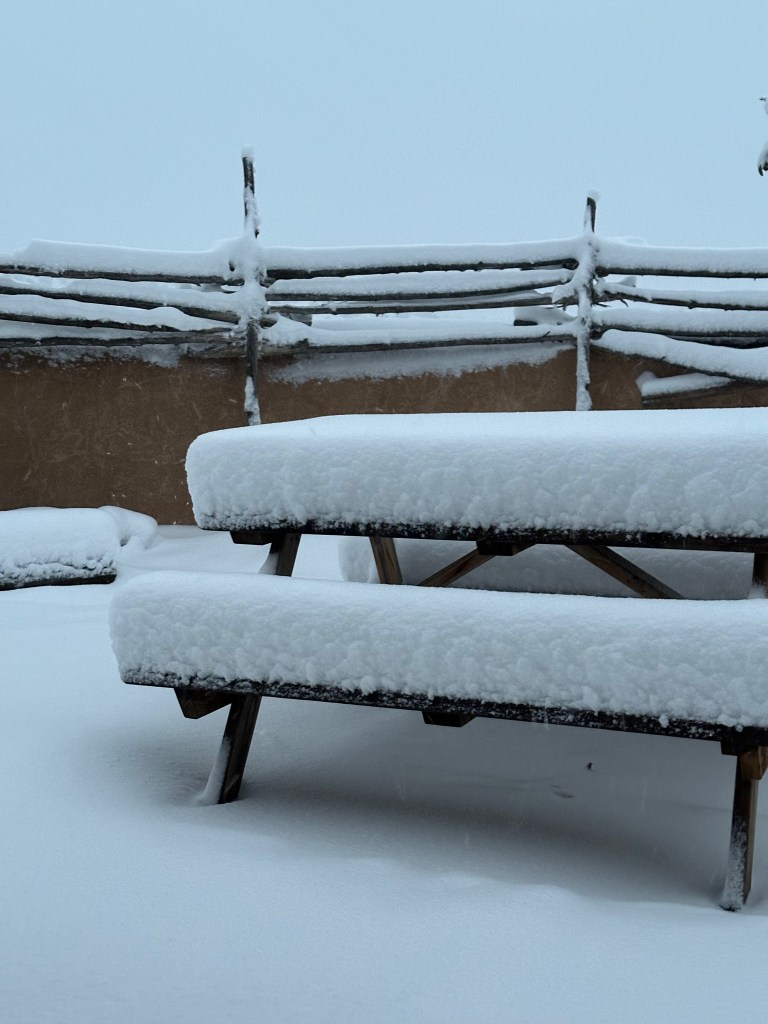
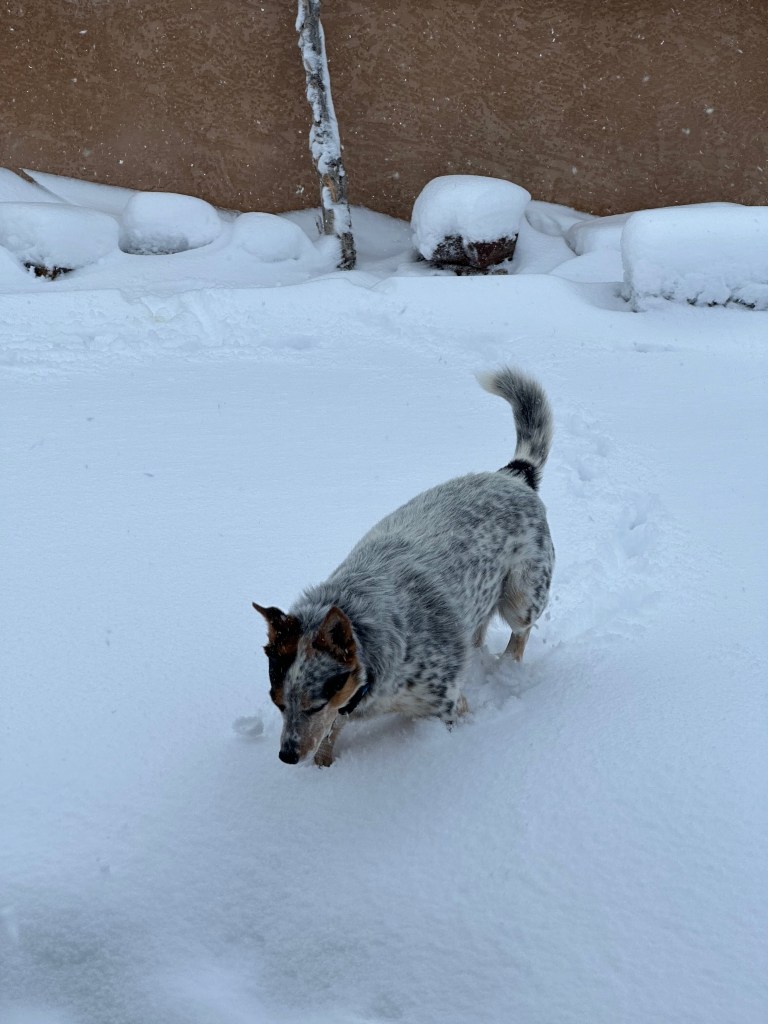
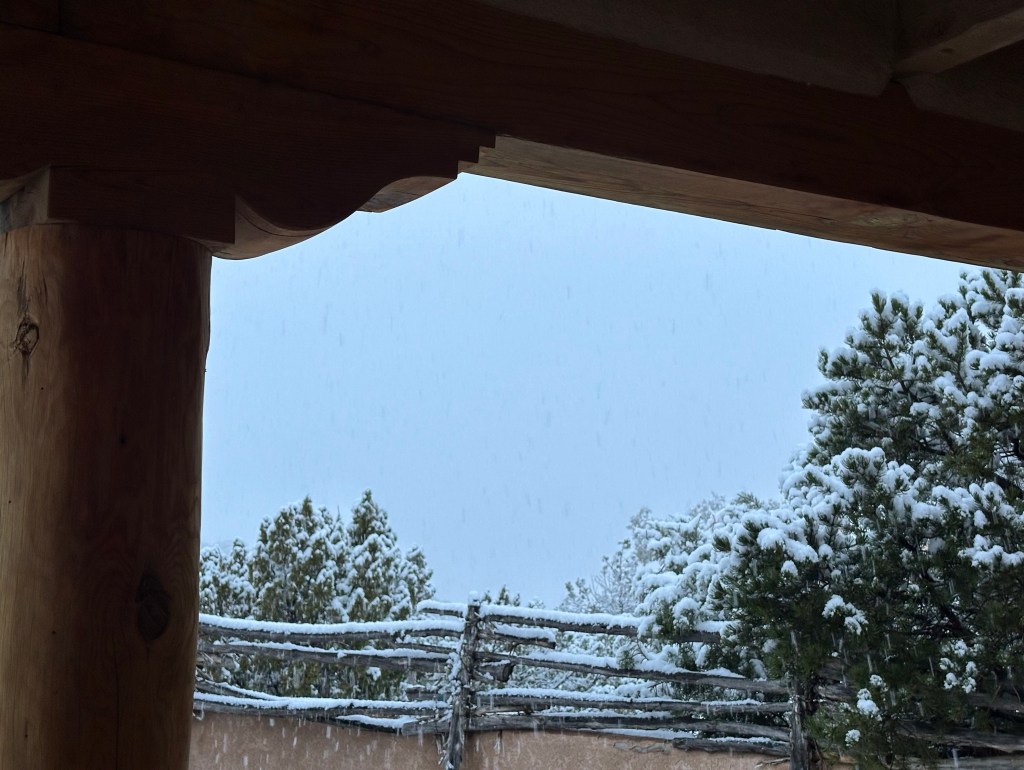
It snowed before and after the November 5 election and probably was the best snow we’ve had at my 6,000 foot home elevation since 2006. I measured 10 inches on the picnic table on November 7 and there probably were an inch or two more before settling. Cowboy 2.0 started out doubtful but was enjoying it just a few days in.
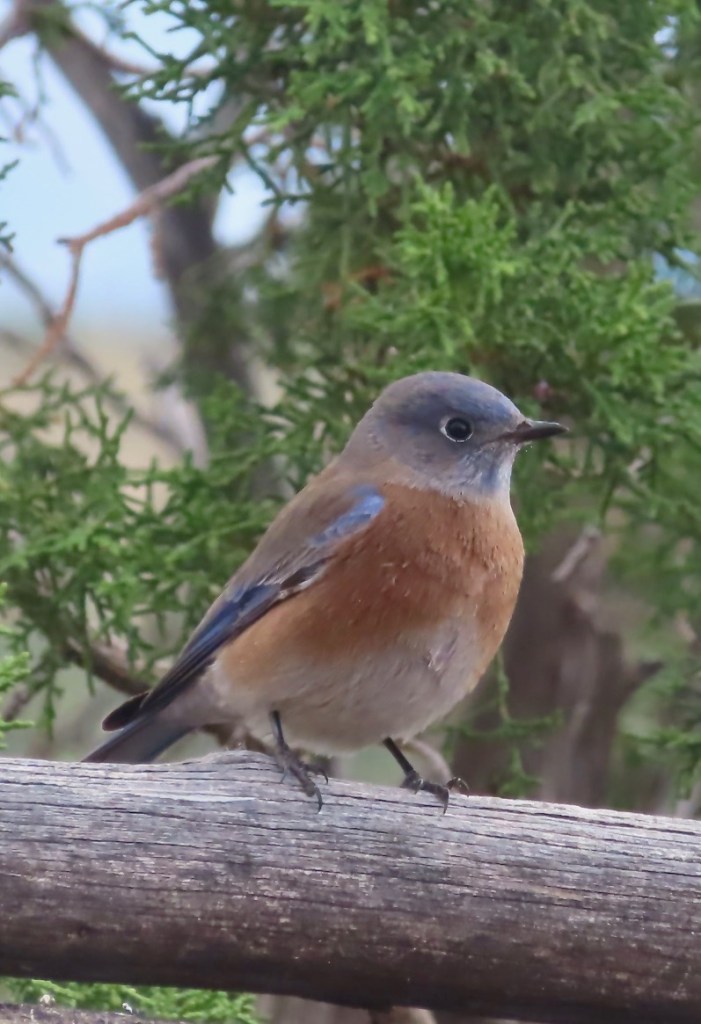
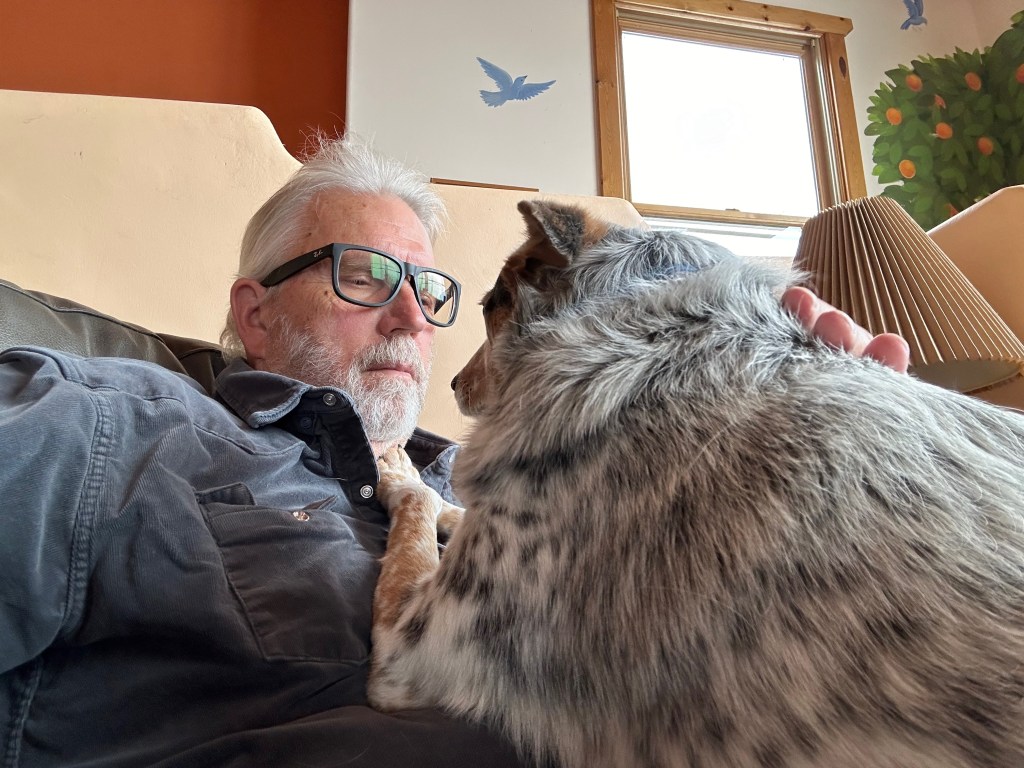


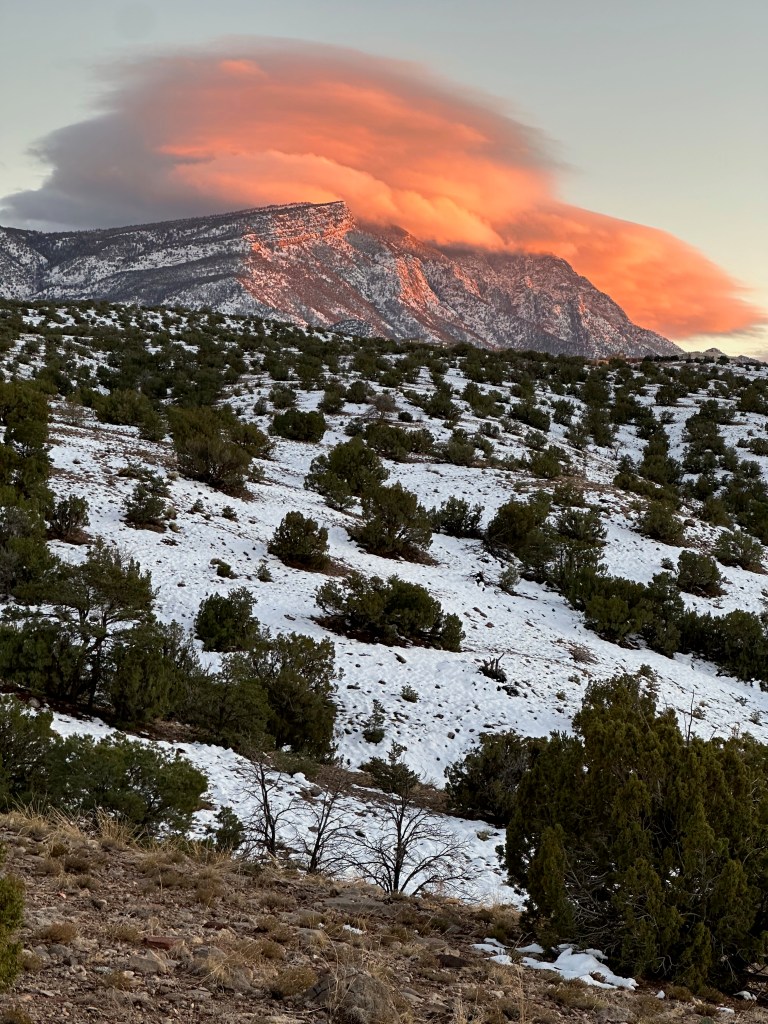

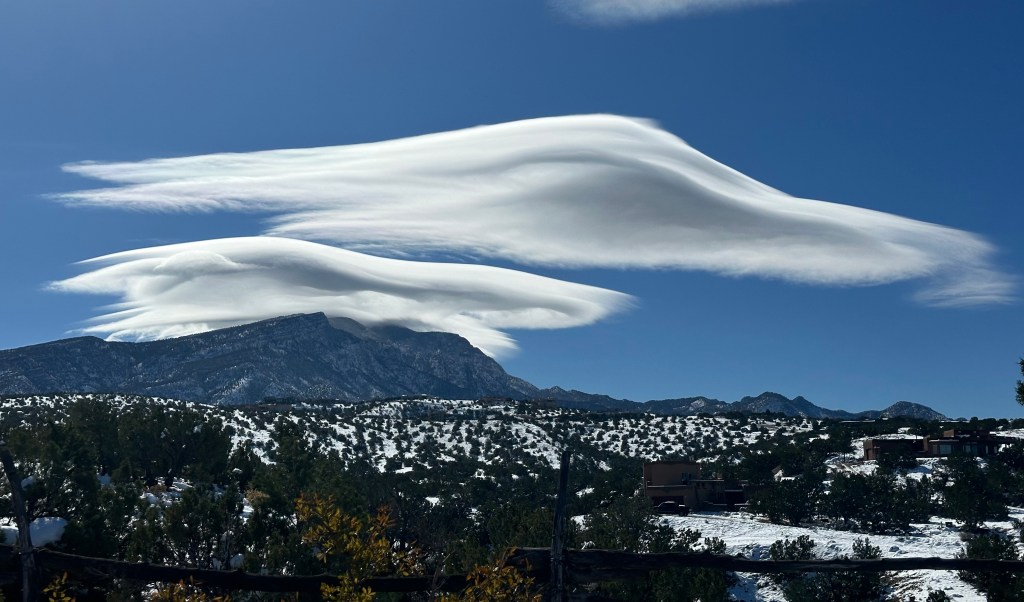
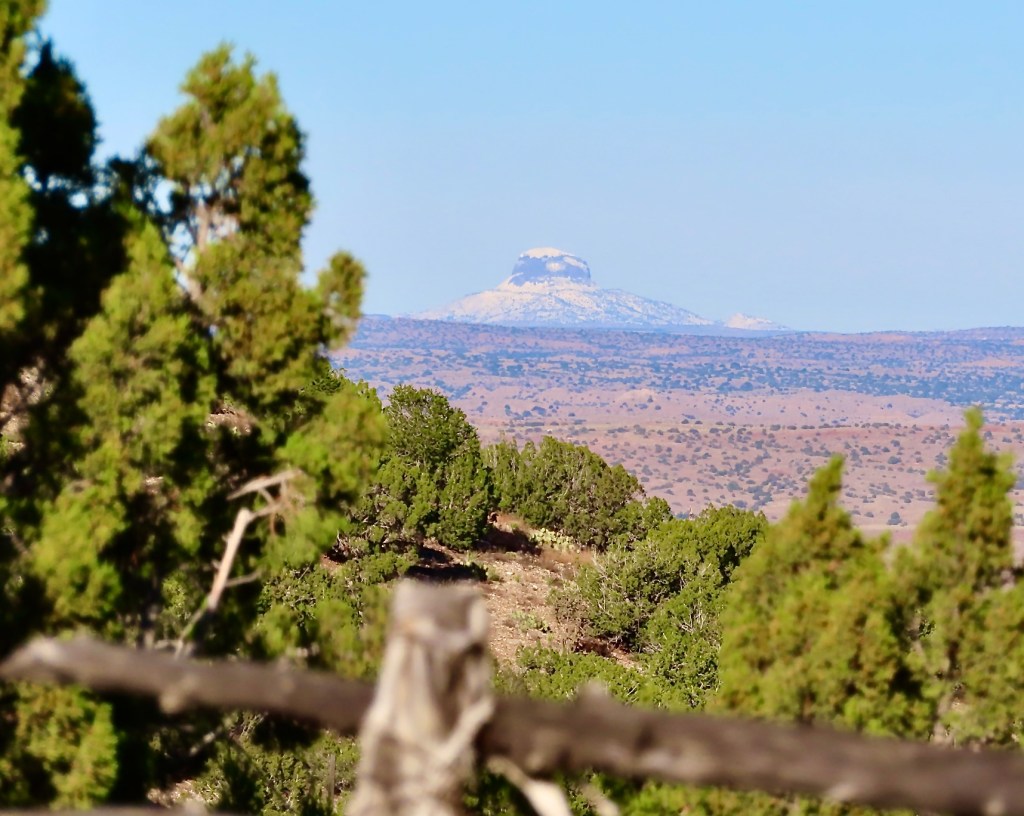
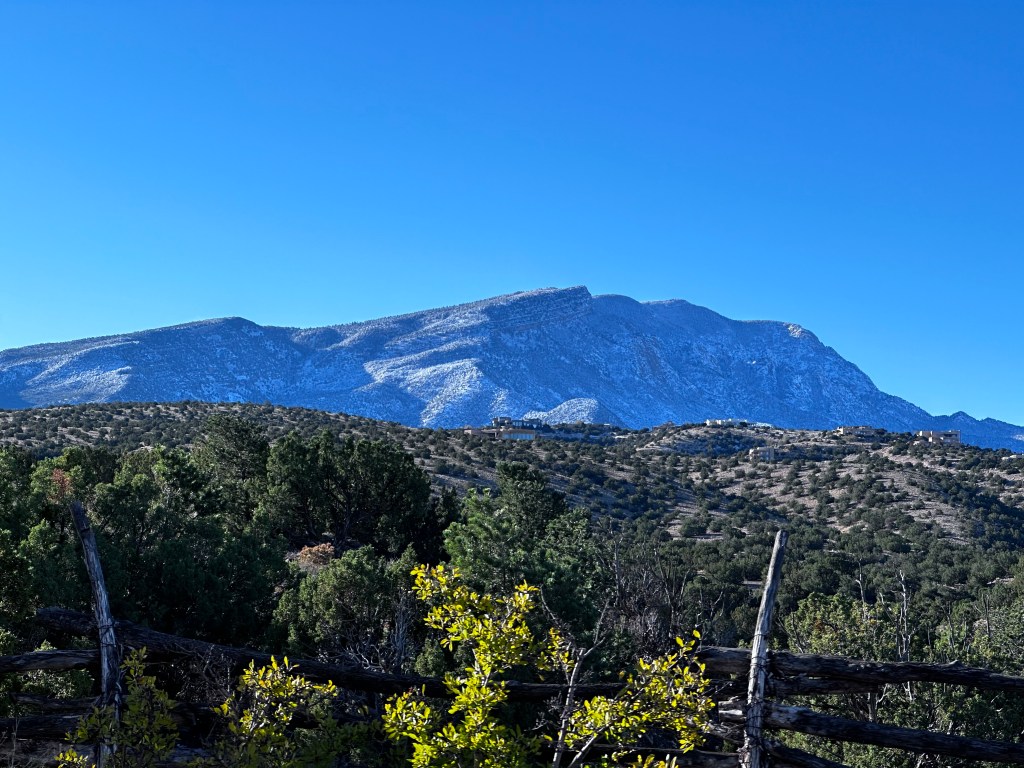
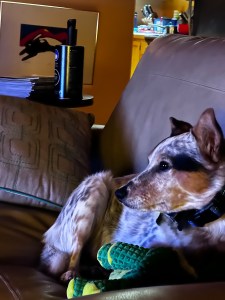
Green chile chicken stew for dinner. Using the Range Cafe recipe for the first time, although I’ve often enjoyed it in nearby Bernalillo. Cowboy 2.0 has gone to bed before the polls close but probably will join me on the couch later when he realizes I’m still up. Among other things, I’m wishing my brother Pat a happy and healthy 74th birthday tomorrow. Being home tonight is again a treat because for 40 years, from 1974 to retirement from the newspaper biz in 2015, election nights were work.
And Cowboy is now on the scene, seeming to watch John King and the “big map” on CNN.
/
Weather coming in Wednesday, the day after …
…WINTER STORM WARNING REMAINS IN EFFECT FROM 8 PM THIS EVENING TO
11 AM MST FRIDAY…
* WHAT…Heavy snow expected. Total snow accumulations between 1 and
3 inches. Up to 6 inches possible on the Albuquerque west mesa and
foothills. Additional snowfall may occur Friday. Winds gusting as
high as 50 mph.
* WHERE…Middle Rio Grande Valley including the Albuquerque Metro
Area.
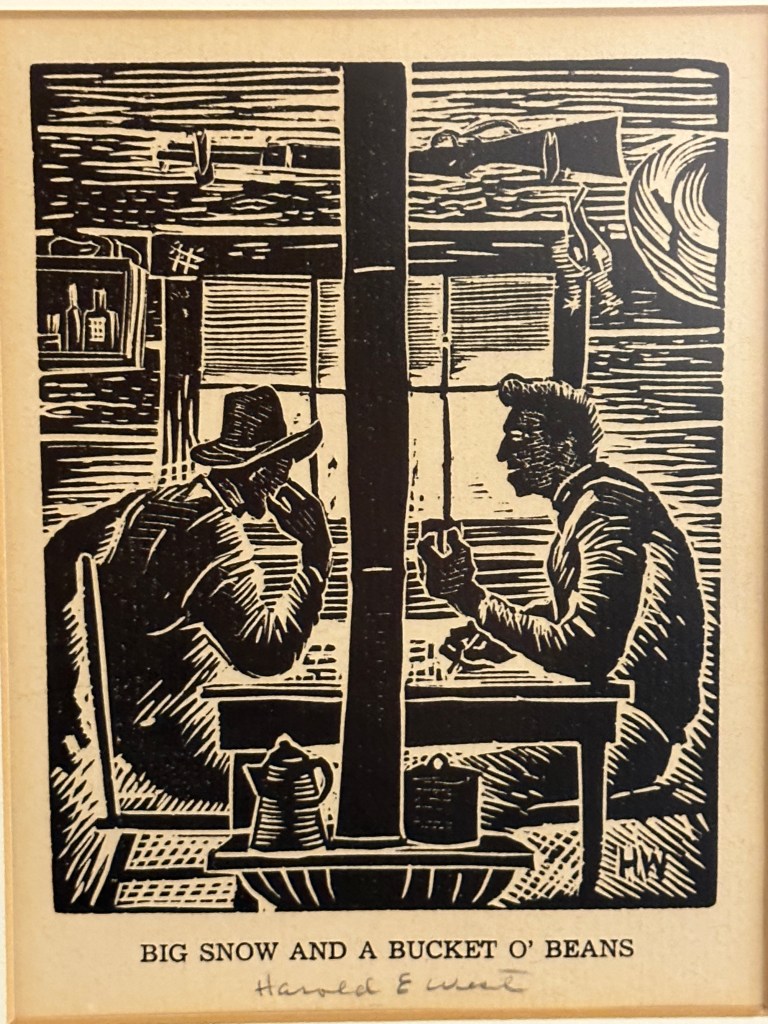
Days like this make me think of my favorite Hal West print, this one photographed on a wall of the Legislative Council Service at the Capitol in Santa Fe/
Elections did not go the way I had hoped but I’ve got my green chile stew and I got through to my brother on his birthday. And the new snow has started.

Dan Kwong stands on the pitcher’s mound at the restored baseball field at Manzanar National Historic Site, where Japanese Americans were imprisoned during World War II.
 dreamranch